SJ's
SJ's brings funky comfort food with global influences to Boston's dining scene, occupying a distinct register between casual neighbourhood eating and more formal restaurant experiences. The kitchen draws on a wide range of culinary traditions, producing food that resists easy categorisation. It sits in a city increasingly interested in restaurants that operate outside conventional genre boundaries.
Pearl is the En Primeur Club membership app — saves, bookings, and concierge access live there. Same editors, same standards.
- Address
- Boston, United States
- Directions
- Get directions
 Saves & bookings on Pearl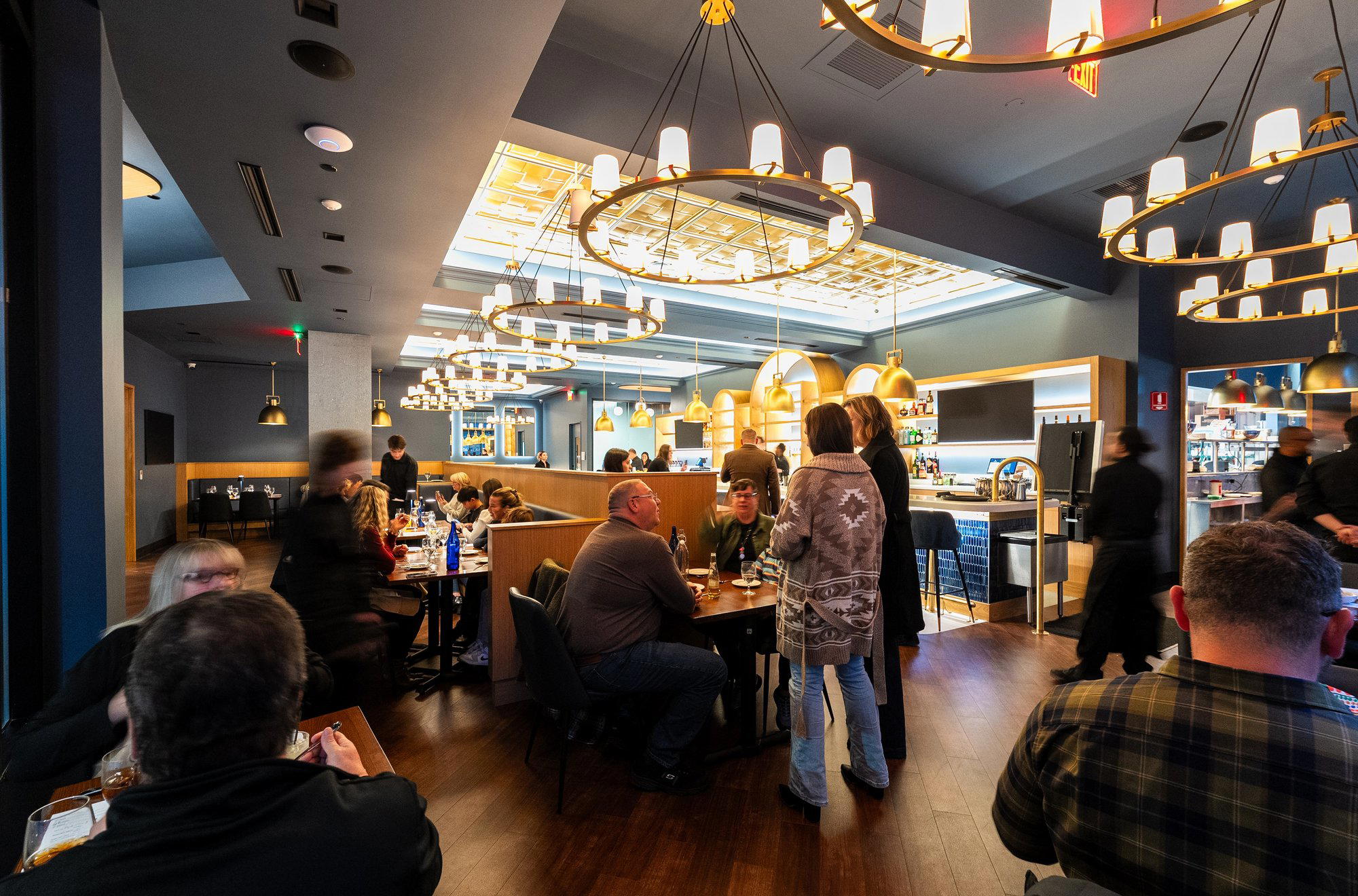
Boston's restaurant culture has spent the better part of a decade sorting itself into two broad camps: the white-tablecloth formalism of places like Agosto and 311 Omakase, and a looser, more instinct-driven register where the food borrows freely across borders and the room doesn't ask you to sit up straight. SJ's lands firmly in that second territory. The cooking is described as funky comfort food with global influences, a phrase that, in practice, signals a kitchen more interested in flavour combinations than in staying inside any single culinary tradition.
Where SJ's Sits in the Boston Picture
Comfort food with genuine global range is a harder category to execute than it sounds. The temptation, in cities where the dining press is watching, is to flatten international references into something recognisable and safe. The more interesting path, the one that tends to produce a loyal room, involves holding the tension between familiar satisfaction and genuine surprise. Boston's comparable restaurants on that spectrum include 75 on Liberty Wharf on the casual waterfront end and 1928 Rowes Wharf on the more polished side. SJ's occupies a different register from both: more irreverent in intent, less concerned with institutional prestige.
Nationally, the restaurants that have built lasting reputations in this spirit tend to share a few structural commitments: they source with discipline, they change the menu frequently enough to reflect what's actually good at any given moment, and they treat the dining room as an extension of the kitchen's personality rather than a separate hospitality exercise. Lazy Bear in San Francisco and Blue Hill at Stone Barns in Tarrytown work in different price tiers and formats, but both demonstrate what happens when a restaurant has a clear point of view about where its food comes from.
The Sustainability Angle in a City Still Catching Up
American cities with strong fishing and farming traditions, Boston is both, have an obvious structural advantage when it comes to ethical sourcing. The supply chain is shorter, the producers are often local enough to visit, and the conversation about provenance carries genuine weight with the dining public. A restaurant framing itself around global comfort food sits at an interesting intersection: the cuisine is inherently eclectic, which can mean sourcing from many places, but the leading versions of this format use locality as a constraint that sharpens the cooking rather than limiting it.
In the broader national conversation, restaurants like Single Thread Farm in Healdsburg and Addison in San Diego have demonstrated what a rigorous commitment to provenance looks like at the premium end of the market. The approach filters down: kitchens operating in more informal registers are increasingly expected to articulate where the key ingredients come from, even when the format is relaxed. Waste reduction, whole-animal or whole-vegetable thinking, and relationships with named local farms have moved from niche positioning to baseline expectation in cities where the dining public is paying attention.
SJ's category, funky, global, comfort-led, actually lends itself well to this framework. Dishes that draw on multiple culinary traditions are often better suited to working with what's available locally than more rigidly defined cuisines, because the cooking logic is built around flavour and texture rather than strict regional authenticity. The global-influence format, at its most thoughtful, is an ethical sourcing format in disguise: you source what's good and then decide what it wants to be.
The Room and the Experience
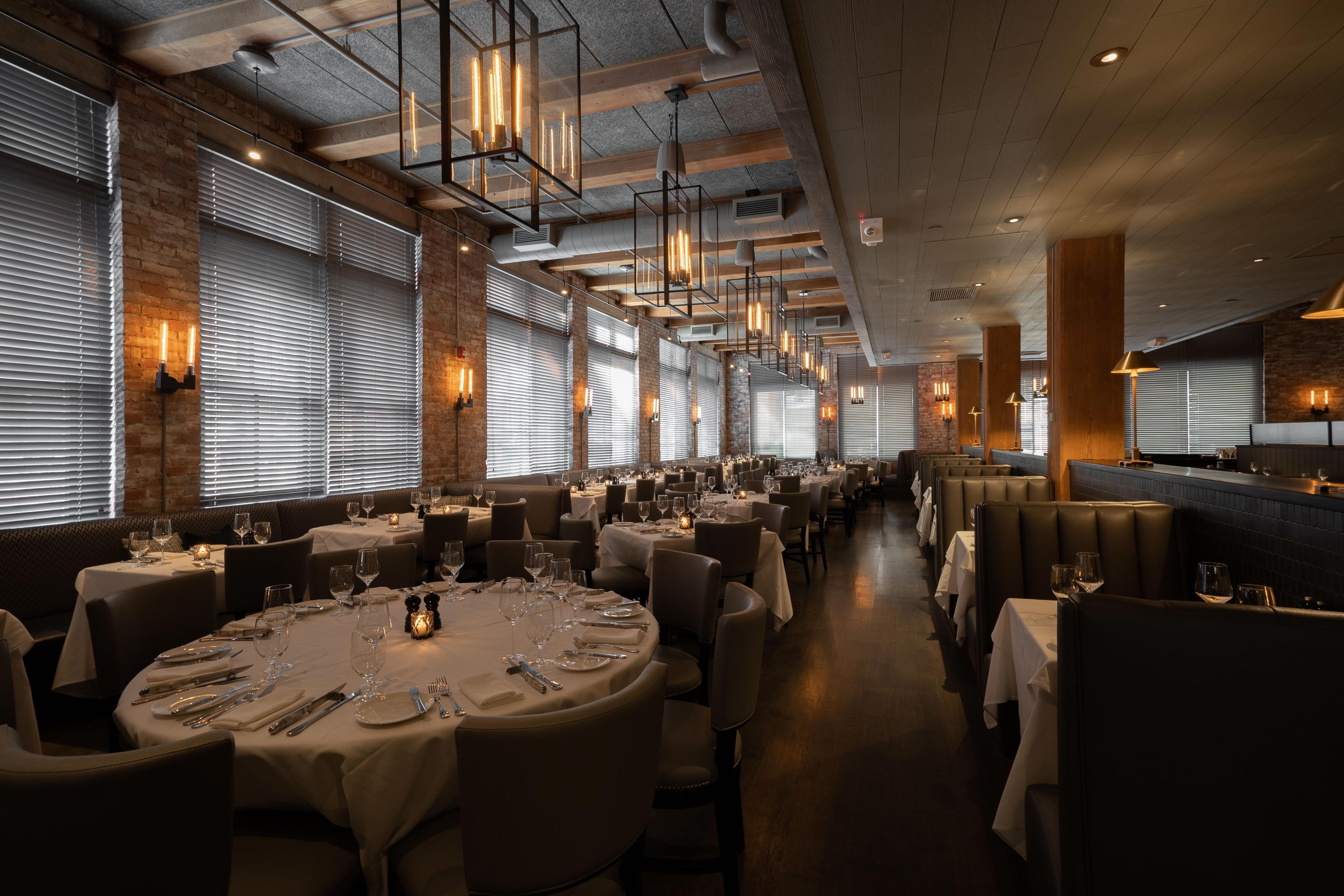
Approaching a restaurant in this register, you're generally not looking for the hushed authority of a tasting-menu counter. The physical environment in comfort-forward, globally inflected restaurants tends to signal accessibility without sacrificing intention: rooms that feel lived-in rather than designed-to-impress, kitchens that are visible or at least audible, a noise level that permits conversation but not meditation. The cuisine descriptor, funky comfort food, is a reliable guide to the register. Restaurants that use that language tend to programme the room accordingly.
The dining scene in cities like Boston has increasingly recognised that the informal tier is not a compromise. Abe and Louie's holds a different kind of authority, old-school steakhouse formalism, while the comfort-food register operates on different terms entirely. Neither is more serious than the other; they're serious about different things. SJ's seriousness, if the cuisine description holds, is about what ends up on the plate and how it tastes rather than about ceremonial service or architectural dining rooms.
How SJ's Compares Further Afield
The global comfort food category, executed at a high level, appears across the country in forms that have attracted serious critical attention. Emeril's in New Orleans built its identity on a particular kind of American comfort cooking refined through technique. More recently, restaurants like Atomix in New York City have shown how global influences can be handled with rigour even in highly formal contexts. At the other extreme, places like Alinea in Chicago and The French Laundry in Napa represent what happens when technical ambition is placed at the absolute centre of the enterprise. SJ's sits in a different conversation, closer to the neighbourhood table than the destination pilgrimage, but the underlying questions about sourcing, integrity, and what food is actually for connect across the whole range.
Internationally, anyone interested in how comfort food and global influence play out at the fine dining end can look at 8½ Otto e Mezzo Bombana in Hong Kong or Le Bernardin in New York City and Providence in Los Angeles for a related reference point. The Inn at Little Washington offers another data point on what long-term commitment to a singular culinary vision looks like in American fine dining.
Know Before You Go
- Cuisine: Funky comfort food with global influences
- City: Boston, Massachusetts
- Booking: Recommended
- Price: About $75 per person
- Dress code: Smart casual
A Credentials Check
Comparable venues nearby, for context on price, style, and recognition.
| Venue | Cuisine | Price | Notes |
|---|---|---|---|
| SJ'sThis venue — the venue you are viewing | French Bistro with Global Influences | $$$ | Not listed |
| nine | Modern French Fine Dining | $$$$ | Beacon Hill |
| Bistro du Midi | Coastal French Bistro | $$$ | Theatre District |
| casarecce | Rustic Italian Pasta | $$$ | North End |
| No.9 Park | Regionally-inspired French-Italian Fine Dining | $$$$ | Downtown |
| Ma Maison | Classic French Bistro | $$ | West End |
Continue exploring
More in Boston
Restaurants in Boston
Browse all →
Bars in Boston
Browse all →
Hotels in Boston
Browse all →



Wineries in Boston
Browse all →
At a Glance
- Cozy
- Elegant
- Classic
- Sophisticated
- Date Night
- Business Dinner
- Group Dining
- Special Occasion
- Open Kitchen
- Standalone
- Craft Cocktails
Blue-and-gold Art Deco bistro with warm, inviting lighting and a cozy downtown atmosphere in the heart of the Leather District.