Marzae Cellar + Provisions

<h2>Boston's Natural Wine Moment, Poured by the Glass</h2><p>There is a particular kind of wine space that has spread through American cities over the past decade: part retail, part tasting room, part neighborhood larder. It sits between the serious bottle shop and the full-service bar, occupying a register that suits the way many people actually want to drink wine now: with less ceremony, more discovery, and a clear line back to the people and places that made what's in the glass. Marzae Cellar + Provisions occupies that space in Boston, offering natural wines, aperitifs, and grab-and-go local provisions under one roof.</p><p>Boston's wine culture has historically leaned toward conventional restaurant lists and the occasional specialist retailer. The arrival of natural-wine-focused tasting rooms represents a younger current in that scene, one where the conversation about what's in the glass tends to revolve around farming philosophy, minimal intervention, and the kind of regional character that emerges when a winemaker steps back rather than corrects. Marzae operates in that current, positioning itself as a place where the wine is the text, not the backdrop.</p><h2>What Natural Wine Means in Practice</h2><p>The natural wine category is broader and more contested than its advocates sometimes acknowledge. At its core, the shared commitment is to grapes farmed without synthetic inputs, fermented with ambient yeast, and bottled with little or no added sulfur. The result is wine that tends to express its origin more directly, though also wine that can vary significantly bottle to bottle, vintage to vintage. For a tasting room built around that philosophy, the editorial work of selection matters enormously: which producers to carry, which regions to focus on, and how to frame the range for a guest who may be encountering pet-nat or orange wine for the first time.</p><p>The natural wine world has developed recognizable geographic clusters. The Loire Valley, Beaujolais, and Jura in France remain the canonical reference points, but Slovenian producers, Georgian amber wines, and American makers working in the natural idiom have expanded the map considerably. A well-curated natural wine program in 2024 typically draws from several of these regions simultaneously, and the most useful tasting rooms treat the selection as an argument about terroir: that place, expressed with minimal interference, produces flavors that a standardized winemaking process would erase. For readers interested in how American producers engage with that argument, properties like <a href="https://www.enprimeurclub.com/wineries/testa-vineyards-calpella-winery">Testa Vineyards in Calpella</a> and <a href="https://www.enprimeurclub.com/wineries/lazy-creek-vineyards-philo-winery">Lazy Creek Vineyards in Philo</a> represent the kind of small, farming-forward operations whose bottles tend to appear on shelves like Marzae's.</p><h2>Aperitifs, Provisions, and the Logic of the Format</h2><p>Marzae's inclusion of aperitifs and grab-and-go local provisions is not incidental. Across American cities, the most durable natural wine spaces have learned that wine alone doesn't sustain a daily visit rhythm. The aperitif category, which spans everything from low-ABV Italian bitters to French vins doux naturels, functions as a complementary register: lighter, more food-adjacent, and often more approachable for guests who find the natural wine category intimidating. The provisions component, sourced locally in Marzae's case, reinforces the idea that the space is embedded in its neighborhood rather than operating as a standalone destination.</p><p>This format places Marzae in a different competitive tier than either a dedicated bottle shop or a full wine bar. The comparison set is closer to the kind of hybrid retail-and-hospitality space that has become a signature format in cities with strong food culture: Chicago's Cellar Door Provisions, New York's Parcelle, or Portland's Tusk. Each of those operations uses a combination of product curation and light food service to create a reason to visit that doesn't require a two-hour commitment. The format works when the curation is sharp and the staff can translate the selection, not just describe it.</p><h2>Where Boston Sits in the Natural Wine Conversation</h2><p>Boston is not the first American city that comes to mind when natural wine is discussed. New York and Los Angeles have deeper concentrations of specialist spaces, and cities like Portland and Oakland have cultivated natural wine cultures that predate the broader national trend. Boston's food scene, however, has grown significantly more adventurous over the past decade, and the appetite for the kind of wine that a place like Marzae carries has expanded alongside it. The city's university-driven demographics mean there is a base of educated, curious drinkers who are not necessarily looking for prestige labels or conventional Napa Cabernet, and who respond well to the storytelling that natural wine retailers tend to do well.</p><p>For context on how different the conventional wine world can look, producers like <a href="https://www.enprimeurclub.com/wineries/robert-mondavi-winery">Robert Mondavi Winery in Oakville</a>, <a href="https://www.enprimeurclub.com/wineries/grgich-hills-estate-rutherford-winery">Grgich Hills Estate in Rutherford</a>, and <a href="https://www.enprimeurclub.com/wineries/trefethen-family-vineyards-napa-winery">Trefethen Family Vineyards in Napa</a> represent the structured, Cabernet-dominant end of the American wine spectrum. Marzae's selection philosophy sits at the opposite pole from that world, though the underlying commitment to terroir expression is something both traditions claim. The difference is in method: where conventional producers use cellar technique to achieve consistency, natural wine producers treat variation as evidence of authenticity. Neither approach is without tradeoffs.</p><p>Readers curious about how terroir philosophy extends across different regions might also explore <a href="https://www.enprimeurclub.com/wineries/epoch-estate-wines">Epoch Estate Wines in Templeton</a>, <a href="https://www.enprimeurclub.com/wineries/gramercy-cellars">Gramercy Cellars in Walla Walla</a>, <a href="https://www.enprimeurclub.com/wineries/dr-konstantin-frank-winery-hammondsport-winery">Dr. Konstantin Frank Winery in Hammondsport</a>, <a href="https://www.enprimeurclub.com/wineries/domaine-ramonet-chassagne-montrachet-winery">Domaine Ramonet in Chassagne-Montrachet</a>, and <a href="https://www.enprimeurclub.com/wineries/angove-family-winemakers-renmark-winery">Angove Family Winemakers in Renmark</a>, each of which takes a distinct position on how much the winemaker's hand should show in the final bottle.</p><h2>Planning a Visit</h2><p>Because Marzae Cellar + Provisions occupies a hybrid format, it tends to suit spontaneous visits better than places that require advance booking. The grab-and-go provisions model suggests drop-in traffic is built into the design. For anyone building a broader Boston itinerary, the space works well as an afternoon or early-evening stop, perhaps before or after dinner at a nearby restaurant. Boston's bar scene has developed enough adjacent energy that a tasting room visit can slot naturally into a longer evening without feeling like a detour. For full planning across Boston's food and drink landscape, <a href="https://www.enprimeurclub.com/restaurants/boston">our full Boston restaurants guide</a>, <a href="https://www.enprimeurclub.com/bars/boston">our full Boston bars guide</a>, and <a href="https://www.enprimeurclub.com/hotels/boston">our full Boston hotels guide</a> provide broader context. The <a href="https://www.enprimeurclub.com/experiences/boston">Boston experiences guide</a> and <a href="https://www.enprimeurclub.com/wineries/boston">Boston wineries guide</a> round out the picture for visitors with more specific interests.</p><h2>FAQ: Marzae Cellar + Provisions</h2><dl><dt>What's the general vibe of Marzae Cellar + Provisions?</dt><dd>Marzae operates at the relaxed end of the wine-retail spectrum. The combination of natural wines, aperitifs, and local grab-and-go provisions gives it a neighborhood-store feel rather than a formal tasting room atmosphere. It is the kind of place Boston's food-literate crowd uses as a regular stop rather than a special-occasion destination.</dd><dt>What wines is Marzae Cellar + Provisions known for?</dt><dd>The focus is natural wine, which typically means bottles from producers who farm without synthetic inputs and ferment with minimal intervention. The aperitif selection extends the range toward lighter, more food-adjacent drinking. Specific producers and regions are not confirmed in publicly available data, so we recommend visiting or checking their current shelf for the most accurate picture of the selection.</dd><dt>What's the defining thing about Marzae Cellar + Provisions?</dt><dd>The format itself is the defining characteristic. The combination of a curated natural wine program, an aperitif selection, and local provisions in a single space puts Marzae in a small category of hybrid retail-hospitality spots that have emerged in cities with strong food culture. It is less about any single product and more about the coherence of the curation.</dd><dt>Is Marzae Cellar + Provisions reservation-only?</dt><dd>The grab-and-go provisions format strongly suggests walk-in access is part of the model. Natural wine tasting rooms in this format typically do not require reservations, though the leading course of action is to check directly with the venue, as hours and policies are not confirmed in current public records.</dd><dt>Anything to keep in mind for Marzae Cellar + Provisions?</dt><dd>Natural wine can vary significantly from the bottles most guests know from conventional restaurant lists. If you are new to the category, the staff at a well-run tasting room like this can be a useful guide through the selection. Going in with openness to unfamiliar styles, rather than searching for recognizable labels, will produce the most satisfying visit.</dd><dt>Is Marzae Cellar + Provisions worth the visit?</dt><dd>For anyone interested in natural wine or the growing hybrid retail-bar format, Marzae fills a real gap in Boston's drinking scene. It offers a lower-commitment way to explore producers and styles that conventional wine lists rarely carry, and the provisions element makes it a practical neighborhood stop as well as a discovery destination.</dd><dt>What kind of local food does Marzae pair with its wine program?</dt><dd>Marzae's provisions component draws from local sources, which aligns with the natural wine philosophy of keeping the supply chain grounded in a specific place. Grab-and-go formats in this category typically stock charcuterie, cheese, and other snack-scale items suited to drinking alongside wine rather than a full sit-down meal. The exact producers and products are not confirmed in current public data, so expect the selection to shift with availability and season, which is characteristic of the format.</dd></dl>

Boston's Natural Wine Moment, Poured by the Glass
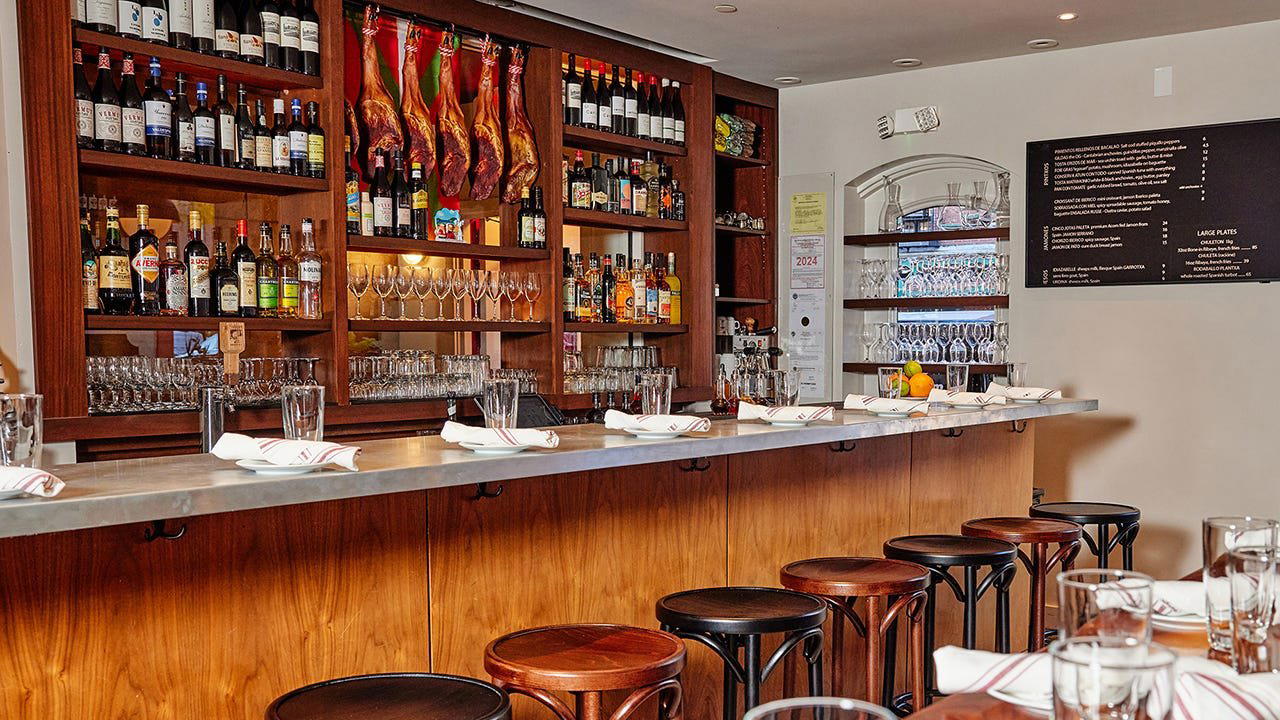
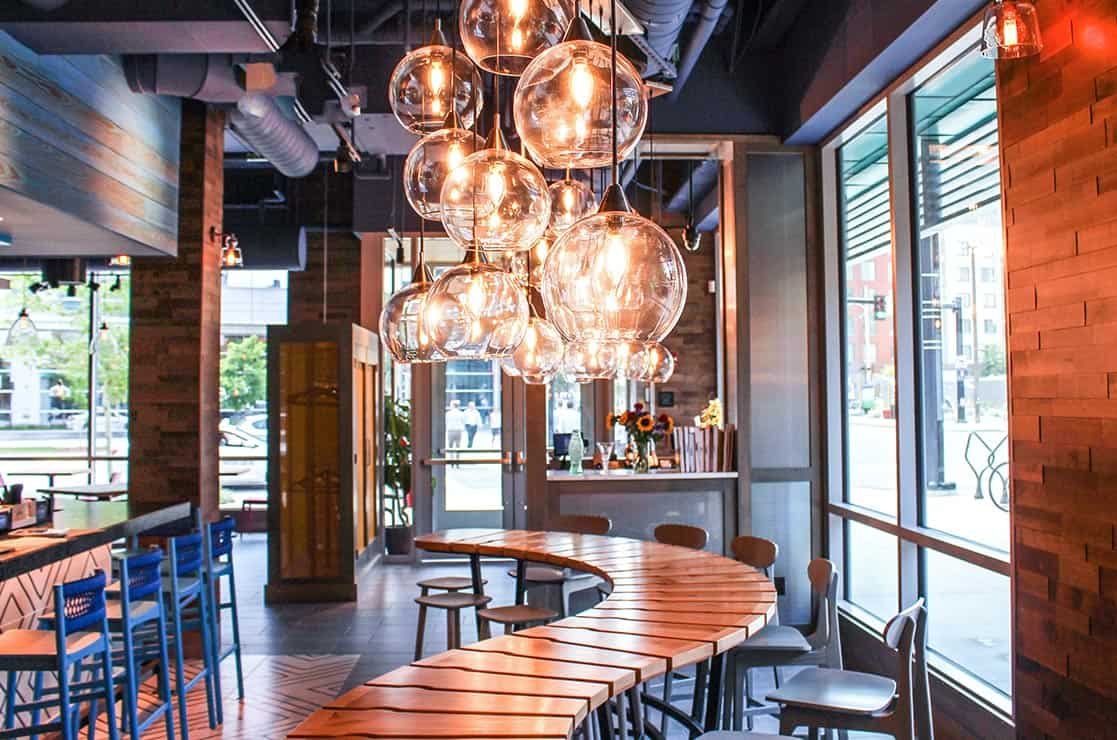
There is a particular kind of wine space that has spread through American cities over the past decade: part retail, part tasting room, part neighborhood larder. It sits between the serious bottle shop and the full-service bar, occupying a register that suits the way many people actually want to drink wine now: with less ceremony, more discovery, and a clear line back to the people and places that made what's in the glass. Marzae Cellar + Provisions occupies that space in Boston, offering natural wines, aperitifs, and grab-and-go local provisions under one roof.
Boston's wine culture has historically leaned toward conventional restaurant lists and the occasional specialist retailer. The arrival of natural-wine-focused tasting rooms represents a younger current in that scene, one where the conversation about what's in the glass tends to revolve around farming philosophy, minimal intervention, and the kind of regional character that emerges when a winemaker steps back rather than corrects. Marzae operates in that current, positioning itself as a place where the wine is the text, not the backdrop.
The shortlist, unlocked.
Hard-to-book tables, cellar releases, and concierge-planned trips.
Get Exclusive Access →What Natural Wine Means in Practice
The natural wine category is broader and more contested than its advocates sometimes acknowledge. At its core, the shared commitment is to grapes farmed without synthetic inputs, fermented with ambient yeast, and bottled with little or no added sulfur. The result is wine that tends to express its origin more directly, though also wine that can vary significantly bottle to bottle, vintage to vintage. For a tasting room built around that philosophy, the editorial work of selection matters enormously: which producers to carry, which regions to focus on, and how to frame the range for a guest who may be encountering pet-nat or orange wine for the first time.
The natural wine world has developed recognizable geographic clusters. The Loire Valley, Beaujolais, and Jura in France remain the canonical reference points, but Slovenian producers, Georgian amber wines, and American makers working in the natural idiom have expanded the map considerably. A well-curated natural wine program in 2024 typically draws from several of these regions simultaneously, and the most useful tasting rooms treat the selection as an argument about terroir: that place, expressed with minimal interference, produces flavors that a standardized winemaking process would erase. For readers interested in how American producers engage with that argument, properties like Testa Vineyards in Calpella and Lazy Creek Vineyards in Philo represent the kind of small, farming-forward operations whose bottles tend to appear on shelves like Marzae's.
Aperitifs, Provisions, and the Logic of the Format
Marzae's inclusion of aperitifs and grab-and-go local provisions is not incidental. Across American cities, the most durable natural wine spaces have learned that wine alone doesn't sustain a daily visit rhythm. The aperitif category, which spans everything from low-ABV Italian bitters to French vins doux naturels, functions as a complementary register: lighter, more food-adjacent, and often more approachable for guests who find the natural wine category intimidating. The provisions component, sourced locally in Marzae's case, reinforces the idea that the space is embedded in its neighborhood rather than operating as a standalone destination.
This format places Marzae in a different competitive tier than either a dedicated bottle shop or a full wine bar. The comparison set is closer to the kind of hybrid retail-and-hospitality space that has become a signature format in cities with strong food culture: Chicago's Cellar Door Provisions, New York's Parcelle, or Portland's Tusk. Each of those operations uses a combination of product curation and light food service to create a reason to visit that doesn't require a two-hour commitment. The format works when the curation is sharp and the staff can translate the selection, not just describe it.
Where Boston Sits in the Natural Wine Conversation
Boston is not the first American city that comes to mind when natural wine is discussed. New York and Los Angeles have deeper concentrations of specialist spaces, and cities like Portland and Oakland have cultivated natural wine cultures that predate the broader national trend. Boston's food scene, however, has grown significantly more adventurous over the past decade, and the appetite for the kind of wine that a place like Marzae carries has expanded alongside it. The city's university-driven demographics mean there is a base of educated, curious drinkers who are not necessarily looking for prestige labels or conventional Napa Cabernet, and who respond well to the storytelling that natural wine retailers tend to do well.
For context on how different the conventional wine world can look, producers like Robert Mondavi Winery in Oakville, Grgich Hills Estate in Rutherford, and Trefethen Family Vineyards in Napa represent the structured, Cabernet-dominant end of the American wine spectrum. Marzae's selection philosophy sits at the opposite pole from that world, though the underlying commitment to terroir expression is something both traditions claim. The difference is in method: where conventional producers use cellar technique to achieve consistency, natural wine producers treat variation as evidence of authenticity. Neither approach is without tradeoffs.
Readers curious about how terroir philosophy extends across different regions might also explore Epoch Estate Wines in Templeton, Gramercy Cellars in Walla Walla, Dr. Konstantin Frank Winery in Hammondsport, Domaine Ramonet in Chassagne-Montrachet, and Angove Family Winemakers in Renmark, each of which takes a distinct position on how much the winemaker's hand should show in the final bottle.
Planning a Visit
Because Marzae Cellar + Provisions occupies a hybrid format, it tends to suit spontaneous visits better than places that require advance booking. The grab-and-go provisions model suggests drop-in traffic is built into the design. For anyone building a broader Boston itinerary, the space works well as an afternoon or early-evening stop, perhaps before or after dinner at a nearby restaurant. Boston's bar scene has developed enough adjacent energy that a tasting room visit can slot naturally into a longer evening without feeling like a detour. For full planning across Boston's food and drink landscape, our full Boston restaurants guide, our full Boston bars guide, and our full Boston hotels guide provide broader context. The Boston experiences guide and Boston wineries guide round out the picture for visitors with more specific interests.
FAQ: Marzae Cellar + Provisions
- What's the general vibe of Marzae Cellar + Provisions?
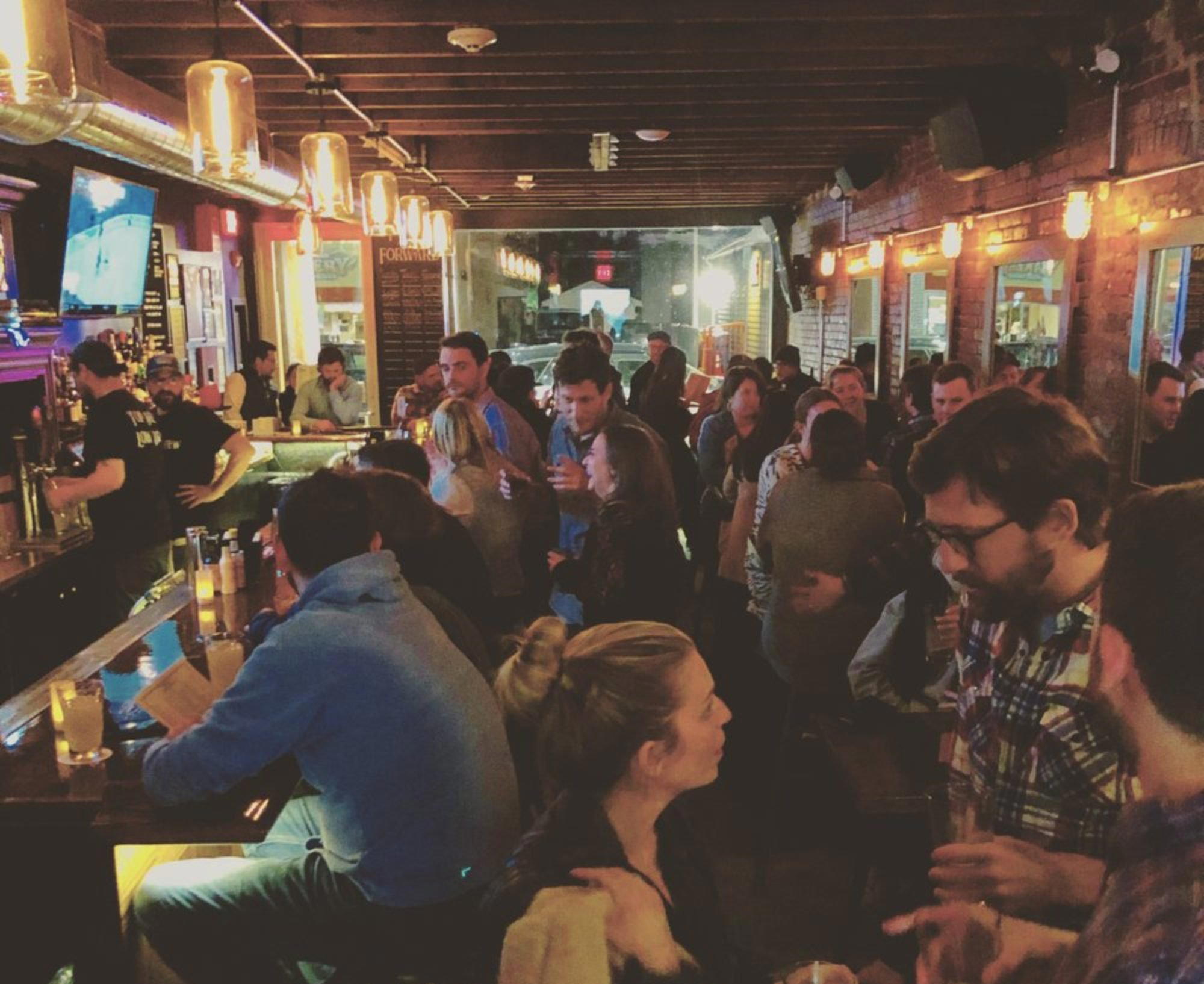
- Marzae operates at the relaxed end of the wine-retail spectrum. The combination of natural wines, aperitifs, and local grab-and-go provisions gives it a neighborhood-store feel rather than a formal tasting room atmosphere. It is the kind of place Boston's food-literate crowd uses as a regular stop rather than a special-occasion destination.
- What wines is Marzae Cellar + Provisions known for?
- The focus is natural wine, which typically means bottles from producers who farm without synthetic inputs and ferment with minimal intervention. The aperitif selection extends the range toward lighter, more food-adjacent drinking. Specific producers and regions are not confirmed in publicly available data, so we recommend visiting or checking their current shelf for the most accurate picture of the selection.
- What's the defining thing about Marzae Cellar + Provisions?
- The format itself is the defining characteristic. The combination of a curated natural wine program, an aperitif selection, and local provisions in a single space puts Marzae in a small category of hybrid retail-hospitality spots that have emerged in cities with strong food culture. It is less about any single product and more about the coherence of the curation.
- Is Marzae Cellar + Provisions reservation-only?
- The grab-and-go provisions format strongly suggests walk-in access is part of the model. Natural wine tasting rooms in this format typically do not require reservations, though the leading course of action is to check directly with the venue, as hours and policies are not confirmed in current public records.
- Anything to keep in mind for Marzae Cellar + Provisions?
- Natural wine can vary significantly from the bottles most guests know from conventional restaurant lists. If you are new to the category, the staff at a well-run tasting room like this can be a useful guide through the selection. Going in with openness to unfamiliar styles, rather than searching for recognizable labels, will produce the most satisfying visit.
- Is Marzae Cellar + Provisions worth the visit?
- For anyone interested in natural wine or the growing hybrid retail-bar format, Marzae fills a real gap in Boston's drinking scene. It offers a lower-commitment way to explore producers and styles that conventional wine lists rarely carry, and the provisions element makes it a practical neighborhood stop as well as a discovery destination.
- What kind of local food does Marzae pair with its wine program?
- Marzae's provisions component draws from local sources, which aligns with the natural wine philosophy of keeping the supply chain grounded in a specific place. Grab-and-go formats in this category typically stock charcuterie, cheese, and other snack-scale items suited to drinking alongside wine rather than a full sit-down meal. The exact producers and products are not confirmed in current public data, so expect the selection to shift with availability and season, which is characteristic of the format.
Peer Set Snapshot
These are the closest comparables we have in our database for quick context.
| Venue | Awards | Notes |
|---|---|---|
| Marzae Cellar + Provisions | This venue | |
| Robert Mondavi Winery | 50 Best Vineyards #39 (2025); Pearl 3 Star Prestige | Geneviève Janssens, Est. 1966 |
| Jordan Vineyard & Winery | 50 Best Vineyards #13 (2025); Pearl 3 Star Prestige | |
| Brooks Winery | 50 Best Vineyards #35 (2025); Pearl 2 Star Prestige | |
| Aperture Cellars | 50 Best Vineyards #14 (2025); Pearl 2 Star Prestige | |
| Joseph Phelps Vineyards | 50 Best Vineyards #37 (2025); Pearl 4 Star Prestige | Ashley Hepworth, Est. 1973 |
Access the Cellar?
Our members enjoy exclusive access to private tastings and priority allocations from the world's most sought-after producers.
Get Exclusive AccessThe shortlist, unlocked.
Hard-to-book tables, cellar releases, and concierge-planned trips.
Get Exclusive Access →