Bistro du Midi


On Boylston Street at the edge of the Public Garden, Bistro du Midi brings a French sensibility to Boston's Back Bay dining corridor. Recognized by Star Wine List with a White Star designation in 2022, the restaurant positions itself in a tier where wine program depth and ingredient provenance carry as much weight as the menu itself. A considered choice for diners who want classical European framing with a clear sense of place.
Pearl is the En Primeur Club membership app — saves, bookings, and concierge access live there. Same editors, same standards.
- Address
- 272 Boylston St, Boston, MA 02116
- Phone
- (617) 279-8000
- Website
- bistrodumidi.com
- Directions
- Get directions
 Saves & bookings on Pearl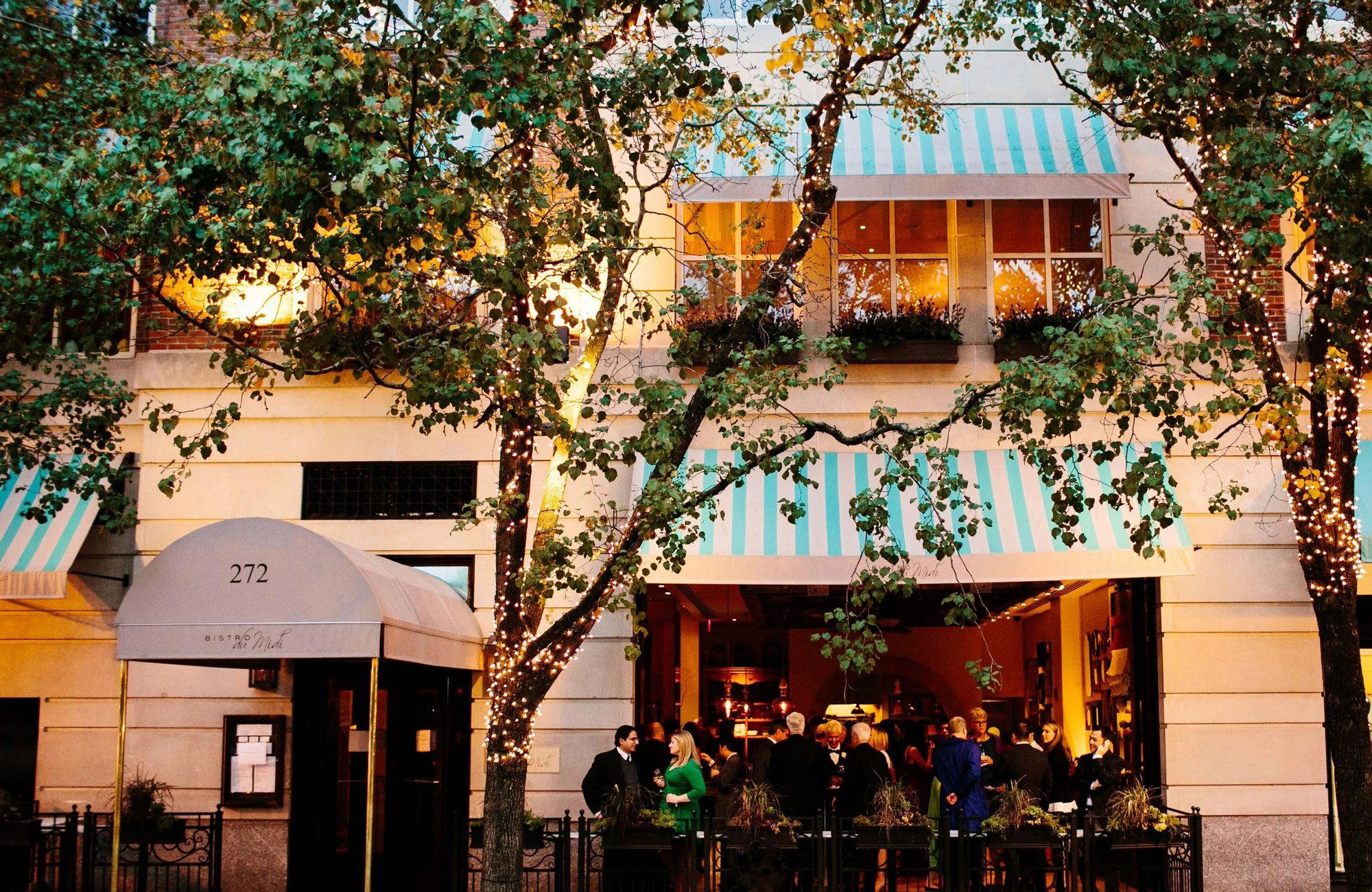
Boylston Street and the French Table in Boston
The stretch of Boylston Street that runs along the Boston Public Garden has long attracted restaurants that understand the value of address. The pedestrian flow from the Garden, the proximity to Back Bay hotels, and the visual weight of the neighbourhood's Federal and Victorian architecture all create a particular expectation before a diner ever sits down. Bistro du Midi occupies 272 Boylston St, Boston, MA 02116. That geography is not incidental, it places the restaurant in a context where the physical environment is part of the editorial argument the kitchen has to make.
French bistro cooking in American cities has bifurcated over the past two decades. One branch leaned into nostalgia: checked tablecloths, steak frites, and prix-fixe menus calibrated for anniversaries. The other branch stayed closer to what contemporary French cooking actually looks like in Paris and Lyon, sourcing-led, seasonally reoriented, and more attentive to provenance than presentation flourish. Bistro du Midi operates in the second tradition, where the discipline comes from understanding where ingredients originate rather than from technique for its own sake.
The Case for Sourcing as Structure
In French bistro cooking, the sourcing argument is not optional. The tradition was built on proximity, markets, regional producers, and the kind of supplier relationships that meant a chef knew the name of the farmer behind the Sunday rabbit. When that tradition travels to New England, something useful happens: the region actually has the infrastructure to support it. The Boston-area food supply chain includes cold-water seafood from the Gulf of Maine, dairy from Vermont and western Massachusetts, and a network of farms within a half-day's drive that has expanded significantly since the early 2000s. A French bistro in this city can, if it chooses, make sourcing claims that are verifiably geographic rather than aspirationally vague.
That regional specificity matters more at the mid-to-premium price tier where Bistro du Midi competes. At this level, diners in Boston are also considering raw bar-focused rooms like Neptune Oyster, seafood-led options like Ostra, and globally inflected tasting formats at places like Agosto. The French bistro format holds its own in that set not through novelty but through coherence: a recognizable cooking grammar, a wine list built around regional French appellations, and a menu architecture that privileges the ingredient over the technique applied to it.
Wine Program Recognition and What It Signals
The restaurant received a Star Wine List White Star designation in July 2022. Star Wine List recognition is not distributed casually, it tracks wine programs that demonstrate selection depth, appropriate breadth of producers, and pricing that doesn't exploit captive diners. A White Star in that system places the restaurant in a tier that includes serious restaurant wine programs rather than lists assembled for margin. For a French bistro, this is the expected credential: a room presenting French cooking without a credible French wine list is a structural contradiction, and the White Star signals that the contradiction has been avoided.
Across the broader American fine-dining spectrum, the relationship between kitchen ambition and wine program investment is a reliable calibration tool. At Le Bernardin in New York City, the wine list is as rigorously curated as any element of the menu. The French Laundry in Napa and Single Thread Farm in Healdsburg treat wine as co-equal to the kitchen program. Closer to the bistro format, the premise holds: a room asking you to spend at this level should be able to back the food with a list that merits the same attention. The White Star suggests the restaurant clears that bar.
Back Bay Dining in Competitive Context
Back Bay is not Boston's most adventurous dining neighbourhood, but it is among the more consistent. The concentration of hotels, the proximity to Newbury Street retail, and the convention calendar all generate a diner base that skews toward reliability over experimentation. That creates a market condition where technically proficient, classically framed restaurants can sustain a position that might be harder to hold in the South End or the Seaport, where the format churn is faster. The restaurant's placement on this block is a considered commercial decision as much as a culinary one.
For comparison sets within Boston, the relevant peer group is the tier of independent, non-chain restaurants running serious kitchens without tasting-menu-only formats. Abe and Louie's anchors the steakhouse end of that range. Alcove and Ama at the Atlas approach the neighbourhood from different format angles. At the experiential end of the Boston restaurant spectrum, omakase rooms like 311 Omakase represent a structurally different proposition. The restaurant sits between the accessible and the ceremonial, which is exactly where a well-run French bistro should operate.
The broader American context for French-influenced ingredient-led cooking spans formats from Lazy Bear in San Francisco to Alinea in Chicago and internationally to Alain Ducasse at Louis XV in Monte Carlo. Those rooms represent the haute end of the French tradition. The bistro format is a different argument, more daily, less ceremonial, and more dependent on ingredient quality and cooking regularity than on theatrical structure. The restaurant works in that register, which demands consistency over spectacle.
Planning a Visit
The restaurant sits at 272 Boylston Street, directly across from the Public Garden, which puts it within walking distance of major Back Bay hotels and accessible from the Arlington stop on the Green Line. Given the restaurant's essential reservation policy and the neighbourhood's dinner traffic from convention and hotel guests, booking ahead for weekend evenings is advisable. The room's sightline toward the Garden makes window positioning worth requesting at the time of reservation.
In Context: Similar Options
Comparable venues nearby, for context on price, style, and recognition.
| Venue | Cuisine | Price | Notes |
|---|---|---|---|
| Bistro du MidiThis venue — the venue you are viewing | Coastal French Bistro | $$$ | Not listed |
| La Voile | Authentic French Brasserie | $$$ | Back Bay |
| Aujourd 'hui | French Contemporary Fine Dining | $$$$ | Public Garden |
| Mistral | Modern French Mediterranean | $$$$ | Back Bay |
| Pappare Ristorante | Rustic Italian Pasta | $$$ | North End |
| Willie’s | Steakhouse & Sushi | $$$ | Beacon Hill |
Recognition history
Dated appearances from independent guides and award organizations, with the underlying list record or original source where available.
Star Wine List
Star Wine List
Wine Spectator Best of Award of Excellence
Wine Spectator
Continue exploring
More in Boston
Restaurants in Boston
Browse all →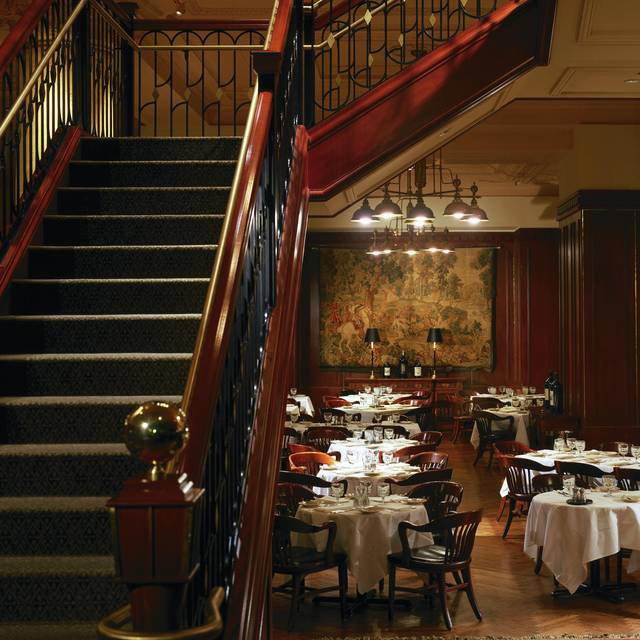
Bars in Boston
Browse all →
Hotels in Boston
Browse all →
Wineries in Boston
Browse all →
At a Glance
- Elegant
- Sophisticated
- Classic
- Date Night
- Special Occasion
- Business Dinner
- Open Kitchen
- Private Dining
- Terrace
- Extensive Wine List
- Local Sourcing
- Street Scene
Current opening hours
- Monday
- 11:30 AM–9:30 PM
- Tuesday
- 11:30 AM–9:30 PM
- Wednesday
- 11:30 AM–9:30 PM
- Thursday
- 11:30 AM–9:30 PM
- Friday
- 11:30 AM–10 PM
- Saturday
- 11:30 AM–10 PM
- Sunday
- 11 AM–9:30 PM
Hours can change for holidays and private events. Last verified .
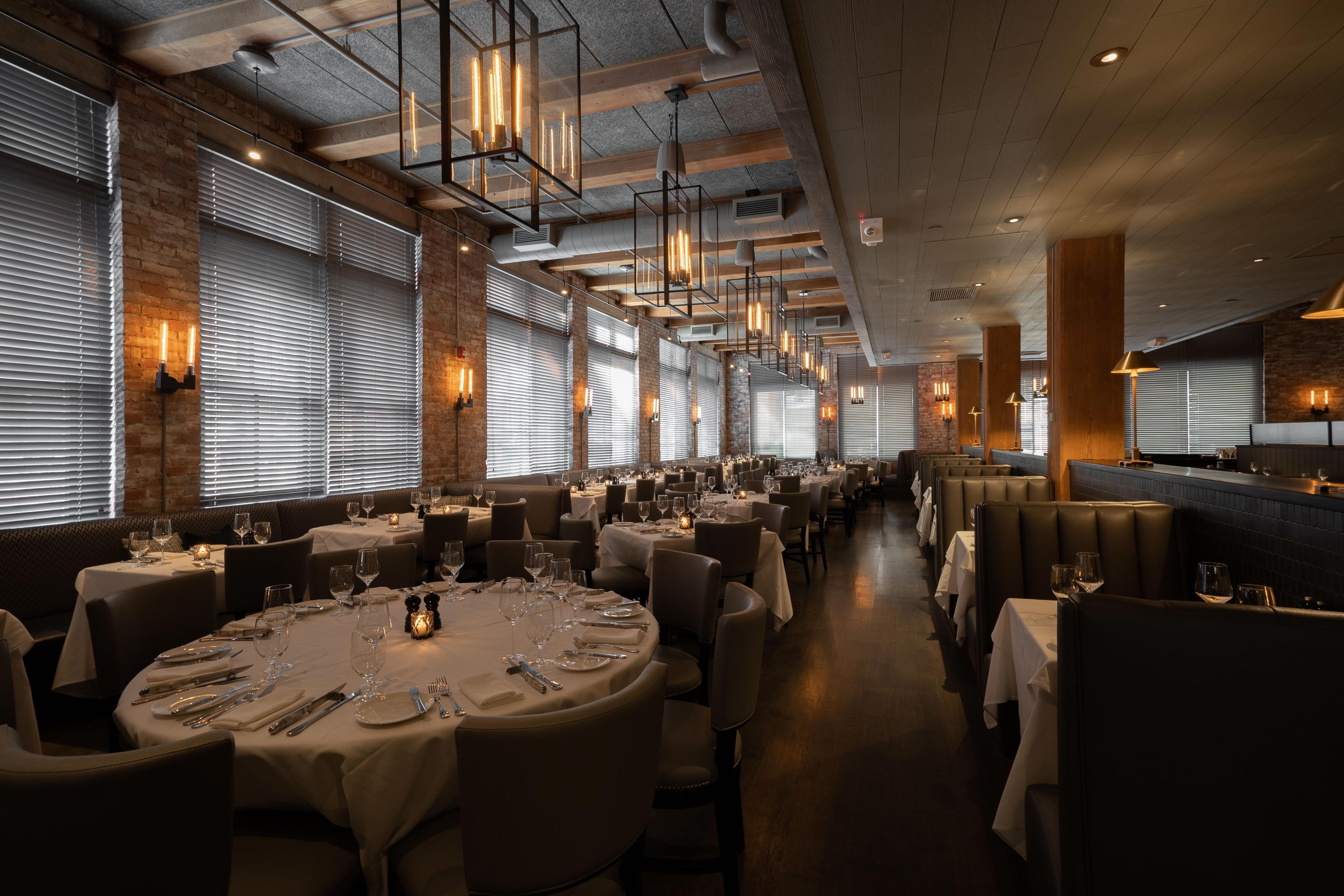
Sophisticated two-floor space with delightful views of Boston's Back Bay, moderate noise level, and a welcoming classic French atmosphere.