Six Seven

Six Seven sits at Pier 67 on Seattle's Elliott Bay waterfront, where the kitchen works within a Pacific Northwest pantry defined by Puget Sound seafood and Cascades-region produce. The address alone frames the dining proposition: water views, local ingredients, and a setting that places the room as much in the tradition of Seattle's maritime identity as in its restaurant scene.
Pearl is the En Primeur Club membership app — saves, bookings, and concierge access live there. Same editors, same standards.
- Address
- 2411 Alaskan Wy Pier 67, Seattle, WA 98121
- Phone
- +12062694575
- Website
- edgewaterhotel.com
- Directions
- Get directions
 Saves & bookings on Pearl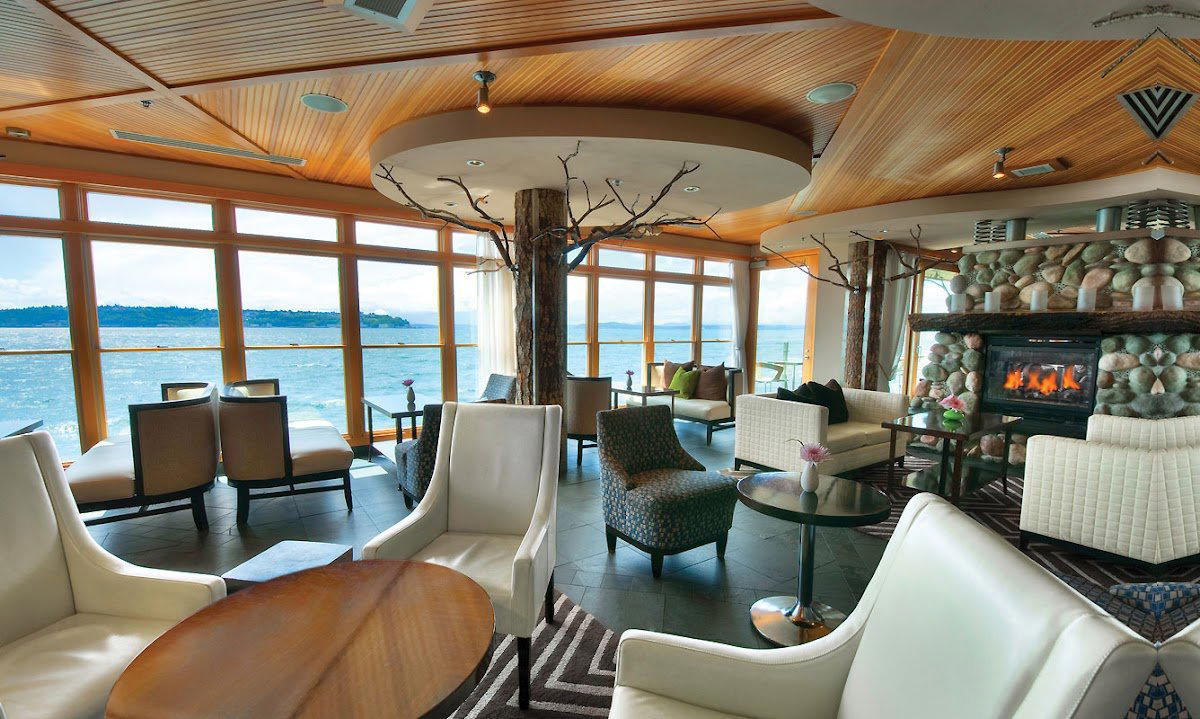
Pier 67 and the Logic of Place
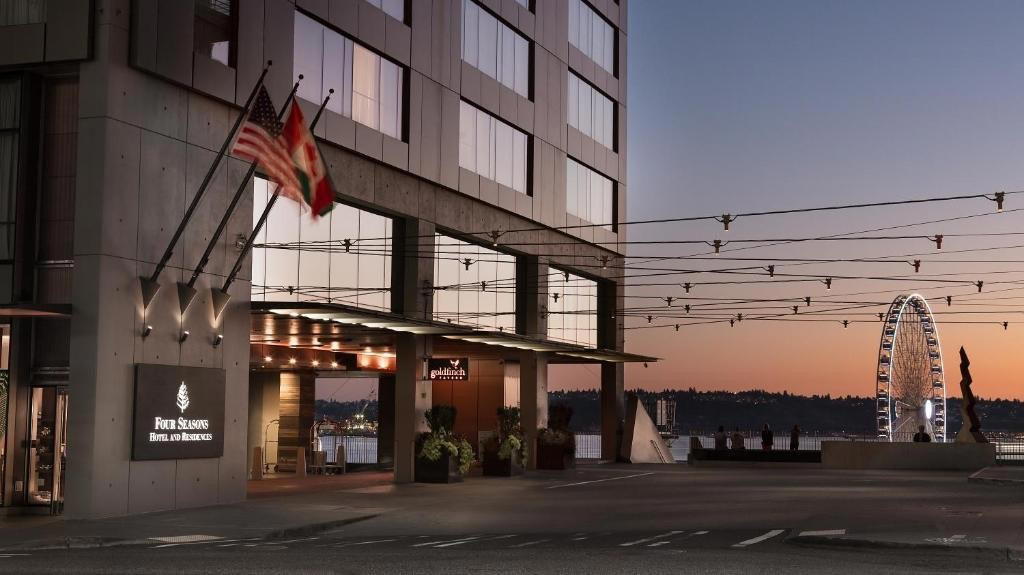
Waterfront dining in American cities tends to resolve into one of two formats: the tourist-facing seafood house trading on views rather than craft, or the serious kitchen that happens to have water out the window. Seattle's Pier 67 address gives Six Seven an immediate geographic argument. The restaurant sits at 2411 Alaskan Way, at the edge of Elliott Bay, where the Olympic Mountains fill the western horizon on clear days and the working character of Puget Sound remains visible rather than decorative. For a city whose culinary identity has always tracked closely with its fishing heritage and its position as a Pacific Rim port, that placement carries weight beyond mere scenery.
Seattle's waterfront has historically functioned more as a transit corridor than a dining destination in the way that, say, San Francisco's Ferry Building or New York's Hudson yards have been positioned. The city's serious restaurant concentration runs through Capitol Hill, Ballard, and the Pike-Pine corridor rather than along Alaskan Way. Six Seven occupies a different register from those neighborhoods, drawing a crowd that skews toward hotel guests, special-occasion diners, and visitors arriving from the adjacent cruise terminal and ferry docks. That positioning shapes both the room's atmosphere and its culinary brief.
Pacific Pantry, Continental Frame
The editorial angle that matters most for Six Seven is not the view but the ingredient set. The Pacific Northwest operates as one of the genuinely compelling pantries in North American cooking. Dungeness crab, Pacific halibut, salmon in multiple species across a long season, geoduck, spot prawns, Walla Walla onions, Hood Canal oysters, morel mushrooms from the Cascade foothills, and Yakima Valley stone fruit represent a larder that rewards technical ambition rather than requiring it to compensate for weak raw material.
The tradition at work in rooms like this one is a long-running American negotiation between European classical technique and regional abundance. It is the same conversation that drives the menus at Single Thread Farm in Healdsburg and Blue Hill at Stone Barns in Tarrytown, though the Pacific Northwest version has its own character: a leaning toward clean preparations that protect the integrity of the seafood, an acknowledgment of Japanese culinary influence given Seattle's Nikkei history, and a relative restraint with sauce weight that distinguishes it from the richer idiom of a The Inn at Little Washington or a Emeril's in New Orleans.
Imported-method, indigenous-product framework shows up clearly in Pacific Northwest fine dining. French brigade structure and classical butchery discipline applied to wild-harvested salmon produces something categorically different from the same technique applied to farmed Atlantic fish. Japanese knife work brought to bear on Hood Canal geoduck carries different results than the same precision in Tokyo, where the species and water temperature are entirely different. Seattle's position as a port city with sustained Japanese American culinary presence since the early twentieth century means this cross-technique work has genuine depth rather than being mere stylistic borrowing. For comparison, Joule in Seattle applies Korean technique to Pacific Northwest ingredients with a directness that illustrates the same principle from a different cultural angle.
Where Six Seven Sits in Seattle's Dining Order
Seattle's highest-profile dining rooms operate in a tier below the national recognition held by places like Le Bernardin in New York City, Alinea in Chicago, or The French Laundry in Napa, but the city's leading tables are not provincial. Canlis has held its position as Seattle's benchmark special-occasion address for decades, operating a New American menu with Pacific Northwest specificity and a room that commands the Lake Union view with confidence. The restaurant works from a different premise: it is a hotel restaurant in a way that Canlis is not, which changes the rhythm of the room and the expectations of the clientele.
Among hotel dining rooms on the West Coast, the question of seriousness is always relevant. Providence in Los Angeles and Addison in San Diego represent the tier of hotel-adjacent fine dining that competes directly with standalone destination restaurants. The restaurant operates at a different scale and with a different social contract: the view and the occasion are part of the offer in a way that at Providence or Lazy Bear in San Francisco, the kitchen alone carries the full argument.
That is not a criticism. The waterfront special-occasion format serves a real function in any port city's dining ecology, and doing it with genuine Pacific Northwest ingredient fidelity rather than generic surf-and-turf execution is a meaningful distinction. Visitors arriving in Seattle who want a single dinner that captures the geography of the place, from the water outside to the Dungeness or halibut on the plate, will find that restaurant's premise tracks that logic more directly than a Capitol Hill tasting-menu room would.
The Broader West Coast Seafood Conversation
It is worth placing the restaurant inside the national conversation about seafood-focused fine dining. At the apex, rooms like Le Bernardin or 8 1/2 Otto e Mezzo Bombana in Hong Kong represent the French classical and Italian approaches to premium fish, respectively. Atomix in New York City demonstrates how Korean technique can restructure the conversation entirely. The Pacific Northwest version, at its most direct, relies on the ingredient quality carrying the plate and the technique staying in service of that rather than demonstrating itself. When wild king salmon is running and the spot prawns have come in from the Sound, this is a reasonable premise. When the season is thin, the approach requires more from the kitchen.
Neighboring addresses on Alaskan Way, including venues at 1415 1st Ave and in the broader downtown corridor around 1744 NW Market St and 2963 4th Ave S, illustrate how the city's dining is distributed across neighborhoods and formats rather than concentrated in a single district.
Planning a Visit
| Venue | Format | Setting | Primary Angle |
|---|---|---|---|
| The restaurant (Pier 67) | Hotel restaurant, waterfront | Elliott Bay views, full-service room | Pacific NW seafood, occasion dining |
| Canlis | Standalone fine dining | Lake Union views, refined room | New American, longstanding Seattle benchmark |
| Joule | Standalone, neighborhood | Interior room, Capitol Hill area | New Asian technique, Pacific NW produce |
Reputation First
Comparable venues nearby, for context on price, style, and recognition.
| Venue | Cuisine | Price | Notes |
|---|---|---|---|
| Six SevenThis venue — the venue you are viewing | Pacific Northwest Seafood | $$$ | Not listed |
| Ben Paris | Modern American | $$$ | Central Business District |
| COMMUNION | Seattle Soul - Modern Soul Food | $$$ | Mann |
| The Ballard Cut | Farm-to-Table American Whisk(e)y Bar | $$$ | Adams |
| The Shambles | Contemporary American Steakhouse | $$$ | Roosevelt |
| FareStart Restaurant | American Comfort Classics | $$ | Denny Triangle |
Recognition history
Dated appearances from independent guides and award organizations, with the underlying list record or original source where available.
Wine Spectator Award of Excellence
Wine Spectator
Continue exploring
More in Seattle
Restaurants in Seattle
Browse all →
Bars in Seattle
Browse all →
Hotels in Seattle
Browse all →
At a Glance
- Scenic
- Elegant
- Cozy
- Special Occasion
- Brunch
- Date Night
- Waterfront
- Hotel Restaurant
- Live Music
- Private Dining
- Extensive Wine List
- Craft Cocktails
- Local Sourcing
- Organic
- Waterfront
Current opening hours
- Monday
- 5:30–9 PM
- Tuesday
- 5:30–9 PM
- Wednesday
- 5:30–9 PM
- Thursday
- 5:30–9 PM
- Friday
- 5:30–10 PM
- Saturday
- 7 AM–2 PM, 5:30–10 PM
- Sunday
- 7 AM–2 PM, 5:30–9 PM
Hours can change for holidays and private events. Last verified .
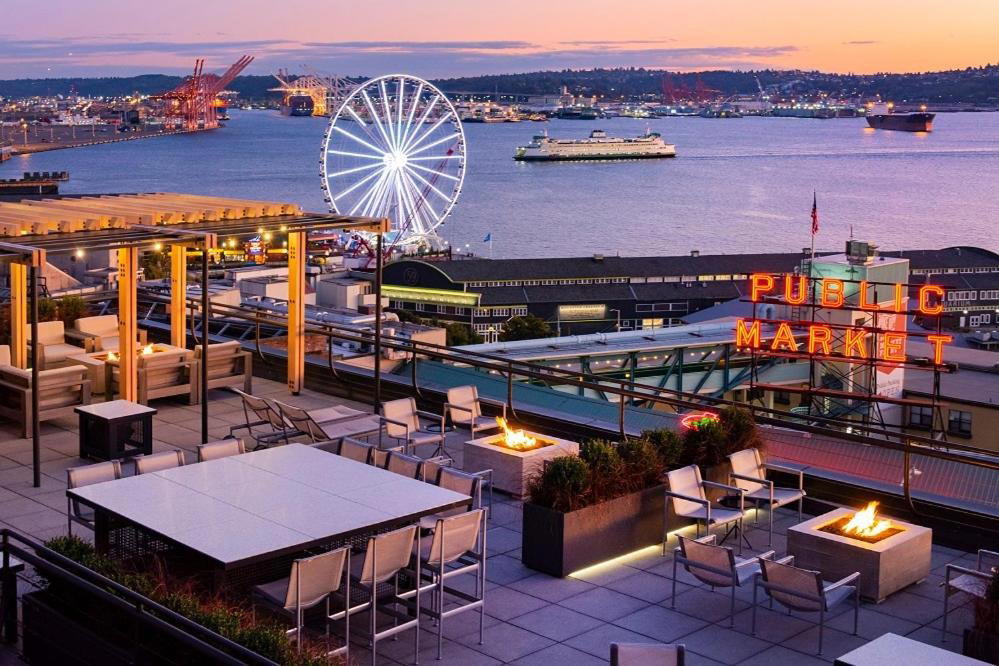
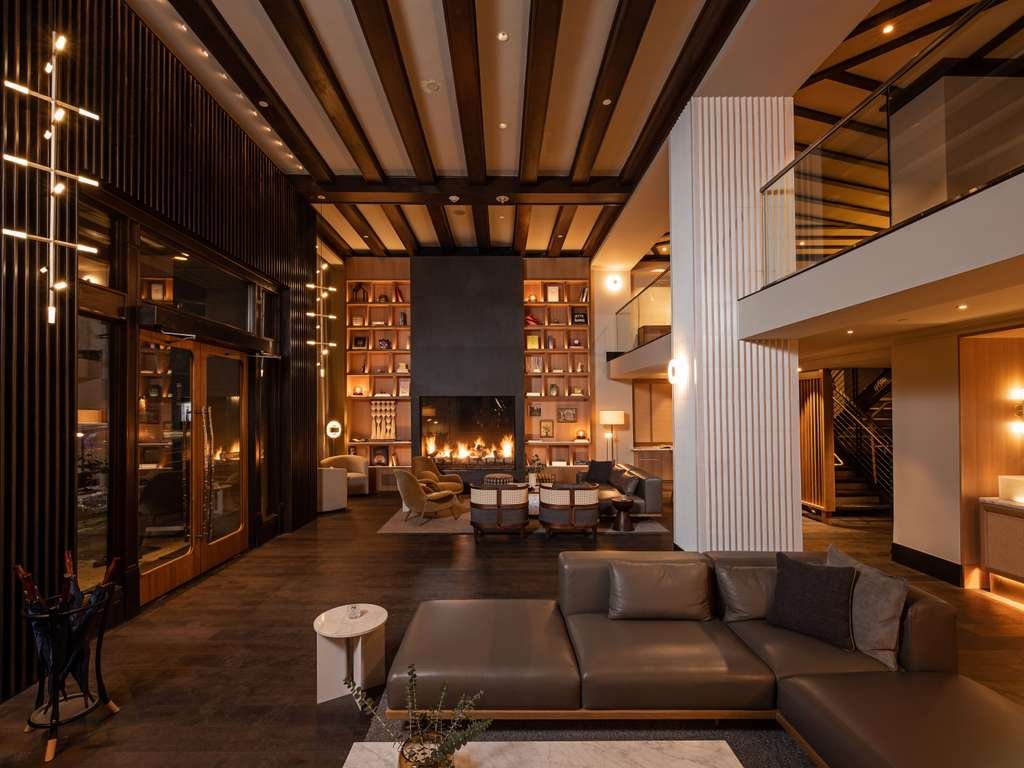
Immersive Pacific Northwest atmosphere with roaring fireplaces, rustic wood accents, and floor-to-ceiling windows offering sweeping water views.