Siki Rio
Where the River Meets the Table Saint Louis sits at the mouth of the Senegal River, a colonial-era city of ochre buildings and salt-heavy air where the Atlantic and the river push against each other in a perpetual negotiation. In this setting...
Pearl is the En Primeur Club membership app — saves, bookings, and concierge access live there. Same editors, same standards.
- Address
- Saint Louis
- Directions
- Get directions
 Saves & bookings on Pearl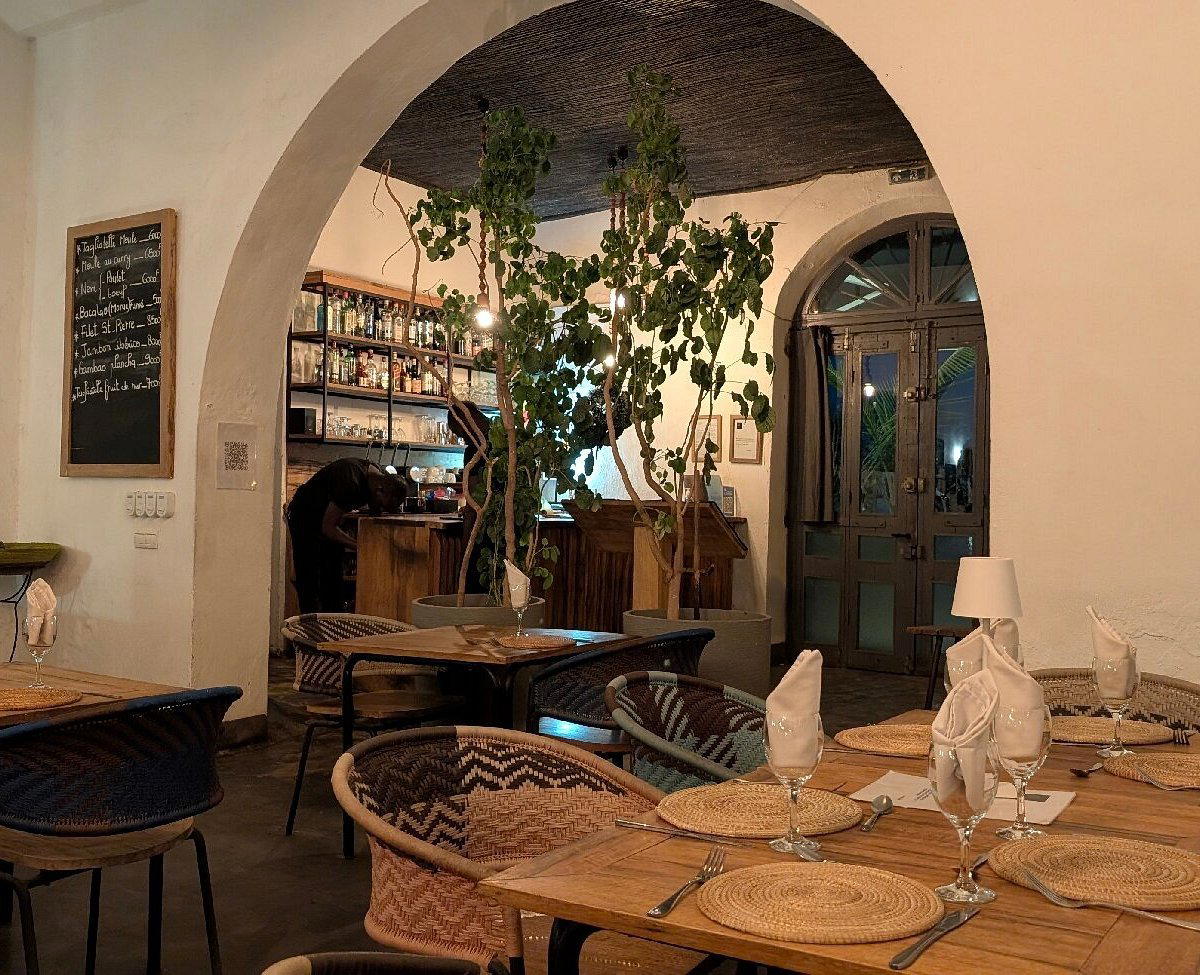
Where the River Meets the Table
Saint Louis sits at the mouth of the Senegal River, a colonial-era city of ochre buildings and salt-heavy air where the Atlantic and the river push against each other in a perpetual negotiation. In this setting, the sourcing of food is not a philosophical choice but a geographic inevitability. The fish markets along the waterfront operate before dawn, and the vegetables that appear on local tables often travel shorter distances than the time it takes to prepare them. Siki Rio operates inside this tradition, drawing on Saint Louis's position as one of Senegal's most historically significant fishing ports.
Saint Louis's dining scene occupies a distinct register within Senegalese food culture. Dakar may hold the country's restaurant density and its most internationally oriented tables, but Saint Louis carries a different kind of authority: a cooking tradition shaped by proximity to both the river and the sea, and by centuries of exchange between Wolof, Moorish, and French influences. Restaurants like La Louise, Restaurant Traiteur have long anchored the city's more formal end of that tradition. Siki Rio reads as part of the same city-wide story, even if the details of its specific format remain closer to the ground.
The Source Question in a River City
The editorial angle that matters most in Saint Louis is not what kitchens do with ingredients, but where those ingredients originate and what that origin implies about the cooking. Senegalese cuisine at its most coherent is a sourcing-first tradition. Thiéboudienne, the national dish, is built around whatever fish the boats bring back that morning. The dish does not exist as a fixed recipe so much as a framework that adapts to the catch. In a city where fishing is both livelihood and identity, the gap between the sea and the plate is often measured in hours rather than days.
This matters because it places Saint Louis kitchens in a different conversation than their counterparts in more landlocked culinary capitals. The comparison to venues like Aponiente in El Puerto de Santa María, where marine sourcing is treated as both philosophy and practice, is instructive: in port cities with serious culinary identities, the proximity to the water tends to set the standard rather than the menu. Saint Louis operates on this logic. Siki Rio, positioned in the city rather than outside it, inherits those sourcing conditions as a baseline rather than a differentiator.
Senegal's river fish, including capitaine (Nile perch) and various freshwater species from the Senegal River basin, have a different texture and flavor profile than the Atlantic-caught fish that dominate coastal menus further south. A kitchen in Saint Louis that engages seriously with its geography will typically work across both traditions, and the tension between river fish and sea fish is one of the more interesting structural elements in the city's cooking.
Saint Louis in the Senegalese Dining Context
To understand Siki Rio's place in the city, it helps to map Saint Louis against Senegal's broader dining geography. Dakar holds venues like Le Jardin de l'Amitié, which operate in a more internationally inflected register. Further south, La Kassa in Ziguinchor draws on Casamance's distinct culinary identity, with palm oil and different spice patterns. The coastal fishing village culture that shapes dining in places like La Taverne Du Pêcheur in Communauté Rurale De Ngueninene has its own logic, built on immediacy and simplicity.
Saint Louis sits between these registers. The city's UNESCO World Heritage status, earned for its colonial island architecture, draws a steady international visitor flow, and the dining scene has evolved to accommodate both local appetite and the expectations of travelers arriving from elsewhere. The better kitchens in Saint Louis have learned to hold both: local sourcing and technique, presented at a legibility that works for guests who may be encountering Senegalese food for the first time.
This is the environment Siki Rio operates in. The city does not have the volume of fine dining infrastructure found in capitals like Dakar, which means individual restaurants carry more weight in shaping the visitor's understanding of what the cuisine can do. That is a responsibility, and the kitchens that take it seriously tend to anchor their menus in the geography rather than adapt to perceived international preferences.
What the River Means on the Plate
The Senegal River delta is an ecologically productive zone. Mangrove systems support shellfish populations, and the nutrient-rich waters sustain fish diversity that few river systems in West Africa can match. A kitchen that engages with this seriously has access to ingredients that do not circulate through global supply chains, which gives the cooking a specificity that is difficult to replicate elsewhere. This is the opposite logic to the kind of menu-building that global fine dining exports, from Le Bernardin in New York to 8 1/2 Otto e Mezzo Bombana in Hong Kong, where consistency and sourcing from established premium suppliers are central to the proposition. In Saint Louis, the sourcing advantage is the specificity, not the consistency.
Yeet, the fermented dried fish that functions as a seasoning base across much of Senegalese cooking, is another ingredient that speaks to this sourcing culture. It does not appear on ingredient lists in the same way that a Michelin-starred kitchen in Paris, like Arpège, might foreground its garden produce, but it shapes the depth of dishes in ways that are recognizable to anyone who has eaten widely across the country. Kitchens in Saint Louis that handle fermented and dried fish well are working inside a tradition that rewards knowledge rather than novelty.
Planning a Visit
Saint Louis is accessible by road from Dakar, approximately 270 kilometers to the south, and the drive through the northern Senegalese savanna takes roughly three to four hours depending on conditions. The city also has a small regional airport. The tourist season runs primarily from November through April, when temperatures moderate and the harmattan winds subside. Dining in Saint Louis is generally more informal in its booking conventions than Dakar's international-facing venues, and walk-in visits are often viable at most addresses in the city. As with any smaller city in West Africa, it is worth confirming current hours and availability by phone or through local contacts before arriving, since operating schedules can shift seasonally.
For a fuller picture of what Saint Louis offers across dining and hospitality, see our full Saint Louis restaurants guide.
A Quick Peer Check
Comparable venues nearby, for context on price, style, and recognition.
| Venue | Cuisine | Price | Notes |
|---|---|---|---|
| Siki RioThis venue — the venue you are viewing | Senegalese-Spanish Fusion Tapas | $$ | Not listed |
| La Louise, Restaurant Traiteur | Senegalese African Cuisine | $$ | Saint-Louis |
| Huitres De Sokone | Fresh Senegalese Seafood & Oysters | $$ | Les Almadies |
| La Taverne Du Pêcheur | african | Not listed | Communauté Rurale de Ngueniene |
| Pizzammore | Authentic Italian Pizzeria | $$ | Yoff |
| Chez Kiki | Casual African Island Fare | $ | Goree Island |
Continue exploring
More in Saint Louis
Restaurants in Saint Louis
Browse all →
At a Glance
- Trendy
- Cozy
- Date Night
- Special Occasion
- Hotel Restaurant
Warm and welcoming dining room with attentive service and artistic elements.
Know Before You Go
- Getting there
- Saint Louis