Sightglass Coffee
Sightglass Coffee at 270 7th Street occupies one of SoMa's most architecturally considered cafe spaces, where industrial warehouse bones meet a program built around serious roasting. The setting reads as much as a public living room as a coffee bar, drawing a cross-section of the neighborhood that few venues in San Francisco's specialty coffee scene manage to hold together.
 Discover on Pearl
Pearl is the En Primeur Club membership app — saves, bookings, and concierge access live there. Same editors, same standards.
- Address
- 270 7th St, San Francisco, CA 94103
- Phone
- +14158611313
- Website
- sightglasscoffee.com
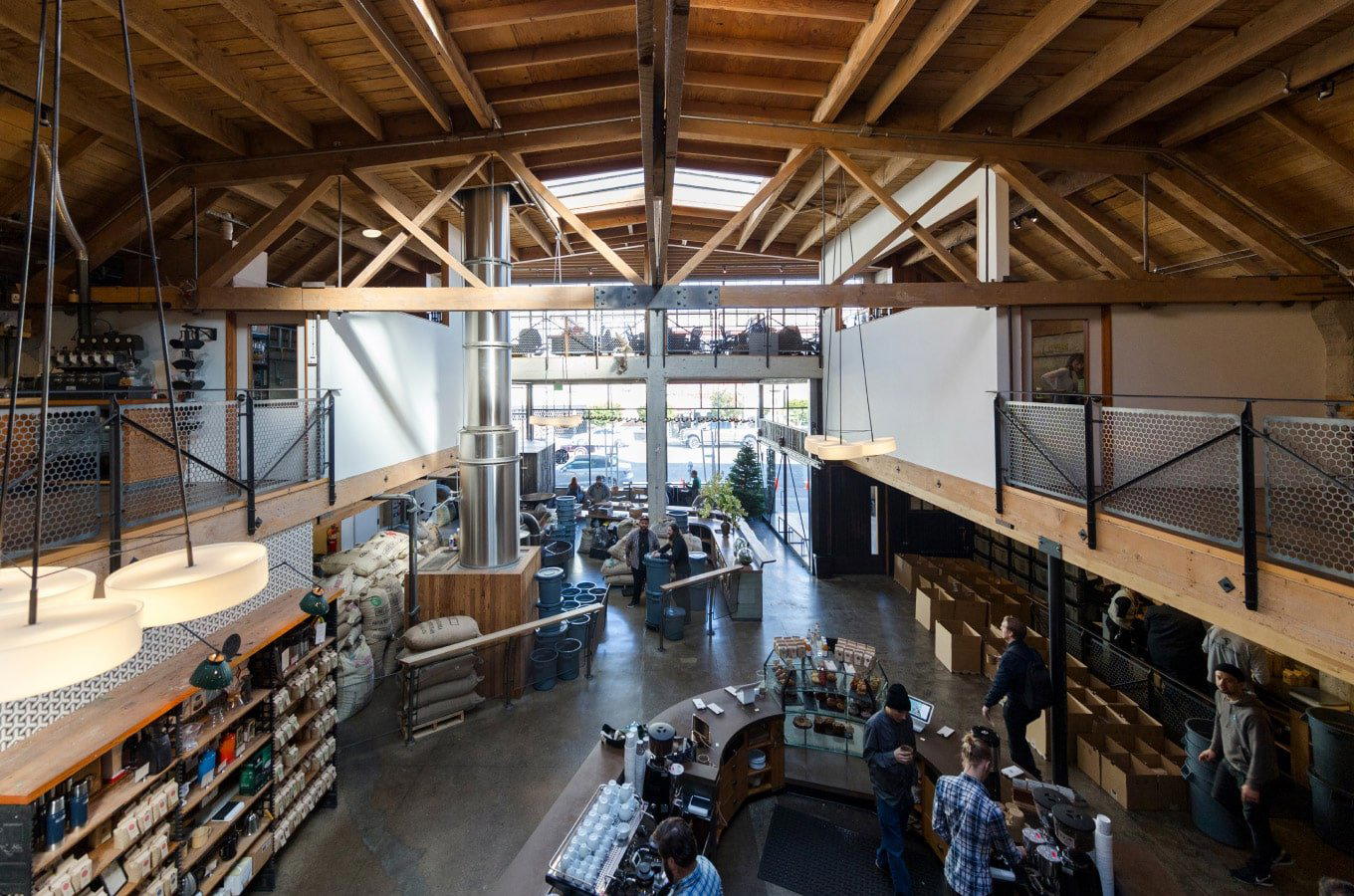
A Warehouse With a Point of View
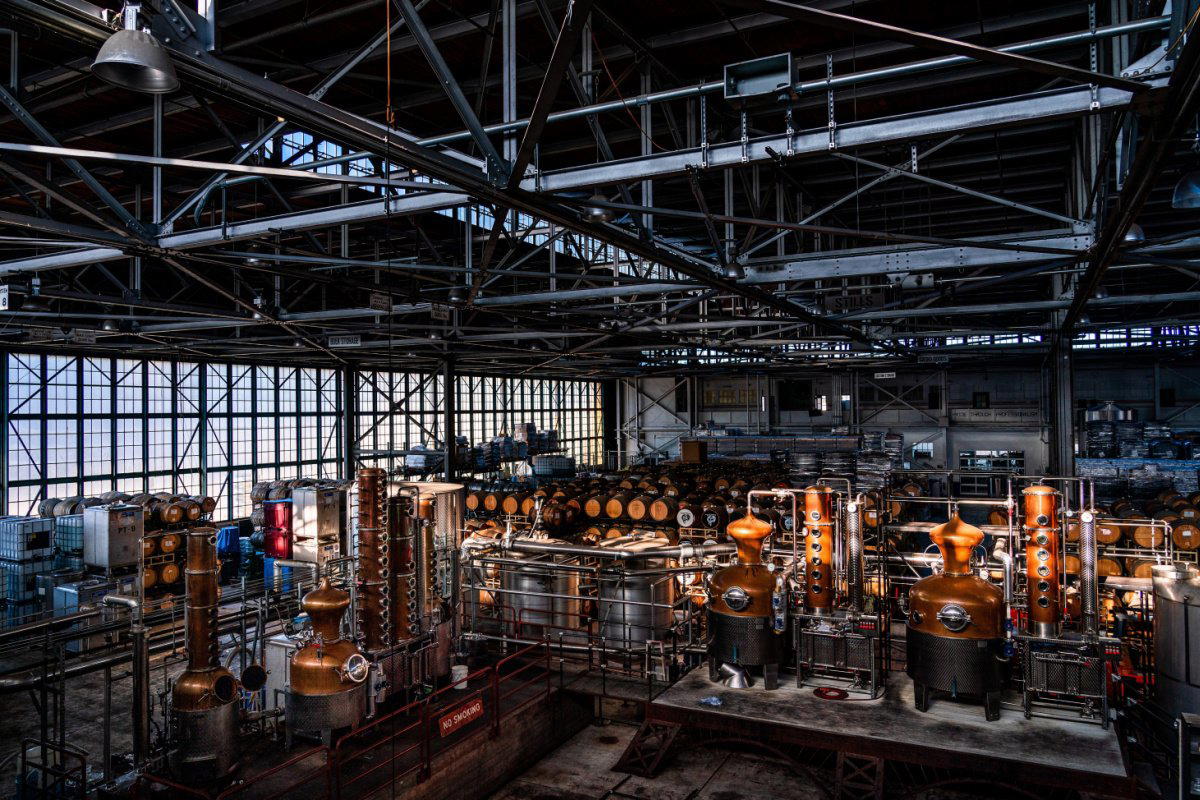
SoMa's specialty coffee scene has always tracked closely with the neighborhood's physical character: large floors, high ceilings, and buildings that once held light industry and now hold creative tenants. Sightglass Coffee at 270 7th Street sits inside that tradition with more architectural intentionality than most. The space is a converted warehouse, but the conversion hasn't tried to disguise the bones. Exposed steel, raw concrete, and a double-height atrium define the main room in a way that feels deliberate rather than default-industrial. This is a space designed to be occupied for hours, not just cycled through.
That distinction matters in San Francisco's coffee culture, which has split between fast-format neighborhood bars optimized for throughput and larger destination spaces that function more like anchored public rooms. Sightglass belongs to the second category, and the 7th Street location is the clearest expression of that positioning. The scale invites a kind of dwelling that smaller SoMa cafes can't accommodate, and the layout supports it: multiple seating configurations across different zones mean the room works for a solo laptop session, a two-person debrief, and a loose group meeting without any zone feeling like an afterthought.
The Architecture of the Room
In cities where premium coffee has migrated toward minimalism, white tile, one bench, a bar facing the street, Sightglass reads as a counter-argument. The 7th Street space is large enough that the roasting equipment occupies the floor alongside the seating, which makes the production process visible in a way that most retail cafes, even serious ones, don't attempt. Visitors aren't simply buying a drink; they're inside the facility where the product originates.
That transparency has become a design choice in its own right across a certain tier of American specialty coffee, and Sightglass was ahead of that curve. The visible roaster, the open warehouse volumes, and the commitment to a space that doesn't feel hermetically curated all position it within a school of coffee-bar design that prizes legibility over atmosphere-as-product. The room tells you what it is, which is rarer than it sounds in a city that has no shortage of carefully art-directed interiors.
Seating across the main floor varies in formality, from communal tables at the center to more peripheral arrangements that provide a degree of separation without enclosure. Natural light enters from above and from the street side, which means the space changes character across the day in a way that fully interior rooms don't. Morning hours bring a different quality of light and a different crowd than the afternoon, and the room absorbs both without requiring reconfiguration.
Where Sightglass Sits in the San Francisco Coffee Scene
San Francisco's specialty coffee identity was built through a generation of roasters who treated sourcing and roasting rigor as the primary editorial statement. That tradition positioned the city, along with Seattle and Portland, as the foundational geography for American third-wave coffee before the term was in wide use. Sightglass arrived within that established scene and found its position not by competing on roasting credentials alone, but by building a physical environment capacious enough to serve as a neighborhood institution.
That combination, serious coffee inside a seriously designed space, places it in a comparable set that extends beyond San Francisco. Comparable approaches can be found in cities like Chicago and New York, where a handful of roasters have invested in flagship spaces that function as both production facilities and public rooms. The difference in San Francisco is that the neighborhood context matters more acutely. SoMa in the 2010s was a district in active transformation, and large-format hospitality spaces were part of how that transformation took shape on the ground.
For visitors whose San Francisco itinerary is anchored around high-end dining, Sightglass serves a different but complementary function. The city's upper tier of restaurants, including Benu, Atelier Crenn, Quince, Lazy Bear, and Saison, operates at a price point and format that makes the daytime hours between reservations a distinct planning question. A space like Sightglass answers that question without requiring a reservation or a significant financial commitment.
That daytime function is something San Francisco handles better than many comparably expensive cities. The infrastructure of good coffee and accessible public-facing spaces means that a day built around a high-end dinner at The French Laundry in Napa or an evening at Single Thread Farm in Healdsburg can still be anchored by quality daytime stops without defaulting to hotel lobby coffee or generic chains. The broader West Coast dining circuit, which connects San Francisco venues to counterparts like Providence in Los Angeles and Addison in San Diego, shares this infrastructure advantage.
For context on how coffee fits into a wider American fine-dining trip, readers considering cities like New York (home to Le Bernardin and Atomix), Chicago (where Alinea anchors the upper tier), New Orleans (Emeril's), Atlanta (Bacchanalia), or Washington DC (The Inn at Little Washington) will find that the quality of the daytime coffee infrastructure varies considerably. San Francisco's density in this area is one of its reliable advantages. Further afield, the contrast with flagship cafe culture in cities like Hong Kong, home to venues such as 8 1/2 Otto e Mezzo Bombana and Blue Hill at Stone Barns in Tarrytown for farm-to-table context, illustrates how differently cities have resolved the question of where serious daytime hospitality lives.
Planning a Visit
Sightglass Coffee is located at 270 7th Street in SoMa, San Francisco. The space is walk-in, with no reservation required. Given the scale of the venue, finding a seat even at busier periods is generally manageable, though the communal tables at peak morning hours fill quickly. The 7th Street location is the flagship and the one that best represents the architectural program described above; the brand operates additional locations in the city with a smaller physical footprint. Morning visits during the week offer the most settled version of the room; weekend mornings skew toward a more active crowd and a longer wait at the counter.
What It’s Closest To
Comparable venues nearby, for context on price, style, and recognition.
| Venue | Cuisine | Price | Awards | Notes |
|---|---|---|---|---|
| Sightglass CoffeeThis venue — the venue you are viewing | Specialty Coffee Roastery | $ | , | |
| Kate's Kitchen | American Breakfast & Southern Comfort | $ | , | Hayes Valley |
| Uncle Boy's | American Burgers with Filipino Influences | $ | , | Inner Richmond |
| Roli Roti Gourmet Rotisserie | Gourmet Rotisserie | $ | , | Financial District/South Beach |
| Butter and Crumble | Modern Artisan Bakery | $ | 1 recognition | North Beach |
| Jake's Steaks | Authentic Philly Cheesesteaks | $ | , | Marina |
Continue exploring
More in San Francisco
Restaurants in San Francisco
Browse all →
Bars in San Francisco
Browse all →
Hotels in San Francisco
Browse all →
At a Glance
- Trendy
- Industrial
- Modern
- Minimalist
- Casual Hangout
- Solo
- After Work
- Brunch
- Open Kitchen
- Organic
- Local Sourcing
Industrial minimalist style in a renovated old building with wood beams, open space, and coffee roasting aroma.