Roli Roti Gourmet Rotisserie
Our verdict
Roli Roti Gourmet Rotisserie at the San Francisco Ferry Building is where the city's farm-market culture and the oldest cooking technique in the Western canon converge. The rotisserie format, built around sourcing from Northern California producers, draws long lines on market days and has made the stall one of the Ferry Building's most recognized stops for over a decade.

Pearl is the En Primeur Club membership app, where members save venues, book tables and use the concierge.
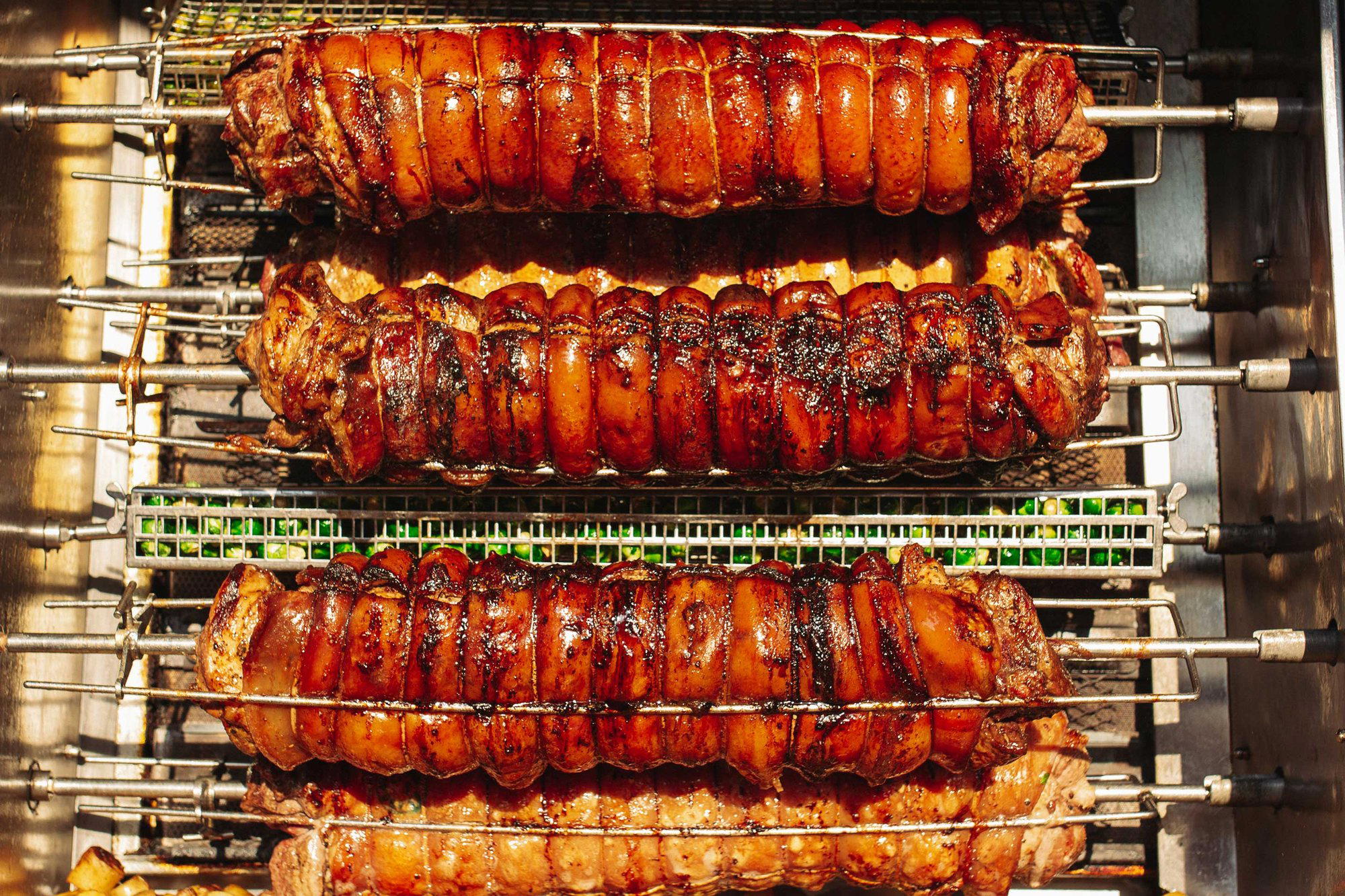
The menu
What to order
- Porchetta Sandwich
- Rotisserie Chicken
- Roasted Potatoes
Fire, Fat, and the Ferry Building Market
On a Saturday morning at the San Francisco Ferry Building, the smell of rotating meat arrives before the stall does. This is rotisserie cooking at its most elemental: an ancient method with no pretension to technique-for-technique's-sake, operating inside one of the country's most ingredient-obsessed food markets. Roli Roti Gourmet Rotisserie occupies that particular tension well, applying a centuries-old format to the Northern California sourcing ethic that defines the Ferry Building's entire commercial philosophy.
The Ferry Building Marketplace, which reopened after a major renovation in 2003, became the physical expression of the Bay Area's farm-to-table movement before that phrase became shorthand for restaurant marketing. The vendors here are selected on sourcing transparency, not just product quality, which places Roli Roti in a context where ingredient provenance is assumed rather than announced. That context matters when evaluating what the stall does: the rotisserie format is, by design, a cooking method that makes sourcing visible. What goes on the spit is all you get. There is nowhere for a mediocre animal to hide.
Why Sourcing Defines the Rotisserie Format
Rotisserie cooking concentrates rather than obscures. Fat renders and bastes the exterior continuously; the Maillard reaction works the skin; internal moisture redistributes without the intervention of brines, sauces, or aromatics heavy enough to carry substandard raw material. The technique has been practised across European and North African traditions for at least a millennium, and its central requirement has always been the same: the animal has to be worth cooking this way.
In that sense, the rotisserie stall format is a more honest test of sourcing than most restaurant kitchens. A fine-dining kitchen has the vocabulary of stocks, reductions, and layered seasoning to compensate for inconsistent supply. A rotisserie operation, working outdoors on market days with no real back-of-house, does not. This is why ingredient sourcing isn't simply a selling point for Roli Roti; it is structurally built into what the format can and cannot do.
Northern California's agricultural corridor, running from the Bay Area through Marin County and into Sonoma and Napa, gives San Francisco-based food producers access to a density of small farms that few American cities can match. The Ferry Building market, operating on Tuesdays, Thursdays, and Saturdays, draws directly from that corridor. Roli Roti's position inside that system places it alongside producers whose supply chains would be recognizable to the kitchens at Saison or Single Thread Farm in Healdsburg, even if the price points and formats are entirely different.
The Ferry Building as Competitive Context
The Ferry Building is not a food hall in the conventional sense. It functions more like a curated market where the vendors collectively make an argument about how food should be sourced and sold. In that environment, Roli Roti competes less against other rotisserie operations (there are few in San Francisco at this format and scale) and more against the entire market's proposition: that proximity to the source, and transparency about it, produces better food.
This is a different competitive set than the one occupied by the city's high-end tasting menu restaurants. Benu, Atelier Crenn, Lazy Bear, and Quince operate at price points and in formats that make sourcing a narrative component of a curated evening. A rotisserie stall at a Saturday market makes sourcing immediate and transactional: the queue moves, the meat is carved, and the provenance question is answered by the fact that you are buying it from someone who can tell you where it came from while handing it to you. The intimacy of that exchange is a different kind of trust signal than a tasting menu's printed sourcing notes.
Comparable sourcing-first formats at the farm-to-table end of the American market, from Blue Hill at Stone Barns in Tarrytown to The French Laundry in Napa, operate on entirely different economic and experiential scales. The rotisserie market stall is, in some respects, a purer version of the same sourcing argument: no tablecloths, no tasting menus, no wine pairing. Just an animal, a fire, and the quality of what comes off the spit.
San Francisco's Market-Day Eating Culture
San Francisco has a stronger market-day eating culture than most comparable American cities. The Ferry Building's Saturday market draws residents from across the city and visitors who treat it as a primary food destination rather than a peripheral activity. Lines at the most-recognized stalls form before 10 a.m. and can persist through noon. Roli Roti is among the stalls that reliably generates those queues, which in a market of this density is a meaningful indicator of sustained demand over time rather than novelty.
For visitors arriving from outside California, the Ferry Building's concentration of producers sits in useful contrast to the Michelin-starred dining rooms that dominate most coverage of San Francisco's food identity. Le Bernardin in New York City, Alinea in Chicago, and Providence in Los Angeles represent the high-formality end of American sourcing-focused cooking. The Ferry Building represents a different register entirely, where the sourcing ethic is expressed through access and informality rather than through prix-fixe structure. Both are valid expressions of the same underlying argument about ingredient quality; they simply sit at opposite ends of the format spectrum.
Our full San Francisco restaurants guide covers the city's dining range from market stalls to tasting-menu rooms, including Addison in San Diego-calibre formal dining and the street-level market culture that the Ferry Building exemplifies.
Planning Your Visit
Roli Roti operates as a market stall within the Ferry Building Marketplace at 1 Ferry Building, San Francisco. The Saturday farmers market is the primary occasion, with the stall drawing its heaviest traffic on weekend mornings. Arriving before 10 a.m. on Saturday gives you the strongest chance of avoiding the longest queues, though the market runs through mid-afternoon. The Ferry Building is accessible by foot from the Embarcadero BART and Muni station, by ferry from Marin County and the East Bay, and by bicycle along the Embarcadero path. No reservations apply to a market stall format; it is a queue-and-order operation.
Quick reference: Ferry Building Marketplace, 1 Ferry Building, San Francisco, CA 94111. Saturday market, no booking required.
Frequently asked questions
Where is Roli Roti Gourmet Rotisserie in San Francisco?
Roli Roti Gourmet Rotisserie is located at 1 Sausalito - San Francisco Ferry Bldg, San Francisco, CA 94111, San Francisco.
Does Roli Roti operate at farmers markets beyond the San Francisco Ferry Building?
Yes. Roli Roti runs at multiple Bay Area farmers markets, making the Ferry Building one of several locations rather than its sole outpost. For San Francisco visitors specifically, the Saturday Ferry Building market at 1 Ferry Building, San Francisco is the most accessible and consistent option. Checking current market schedules directly is advisable, as stall appearances can vary by season and venue.
What's the signature dish at Roli Roti Gourmet Rotisserie?
Roli Roti's rotisserie porchetta has earned a sustained reputation across San Francisco's food community, with roast chicken running a close second. Both are cooked on rotating spits at the Ferry Building stall, where the continuous self-basting produces skin that holds up even after the walk from counter to the waterfront. The porchetta, in particular, draws queues that form well before peak market hours on Saturdays.
What's the best way to book Roli Roti Gourmet Rotisserie?
There is no booking system at Roli Roti. The stall at 1 Ferry Building, San Francisco operates on a walk-up queue model during the Saturday farmers market. Arriving early, well before midday, is the practical strategy, as sell-outs are common once the market hits full volume.
At-a-Glance Comparison
Comparable venues nearby, for context on price, style, and recognition.
| Venue | Cuisine | Price | Awards | Notes |
|---|---|---|---|---|
| Roli Roti Gourmet RotisserieThis venue (the venue you are viewing) | Gourmet Rotisserie | $10–20 | Not listed | Not listed |
| Miyako | Japanese | $1–10 | Not listed | Japantown |
| Homeskillet | American Diner Breakfast | Not listed | Not listed | Mid-Market |
| Caffe Centro | American Cafe | $10–20 | Not listed | Financial District/South Beach |
| Tommy's Joynt | Classic American Hofbrau | $20–30 | Diners, Drive-Ins and Dives Featured Bar | Western Addition |
| 21st Amendment Brewery & Restaurant | American Brewpub | Not listed | Not listed | South Beach |
Continue exploring
More in San Francisco
Restaurants in San Francisco
All restaurants in San Francisco →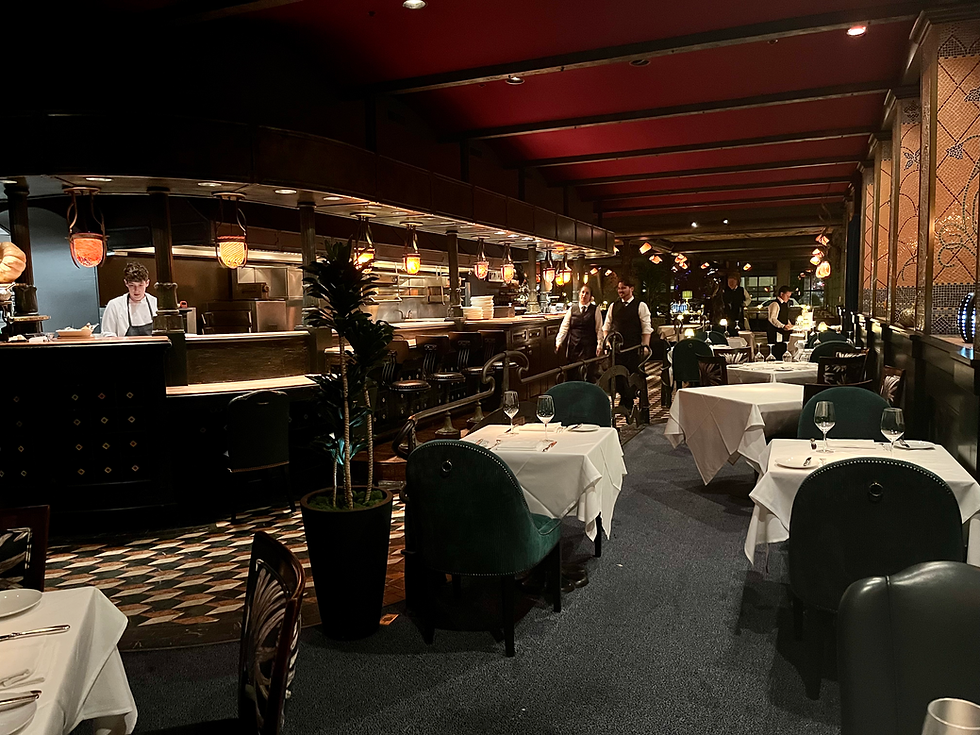
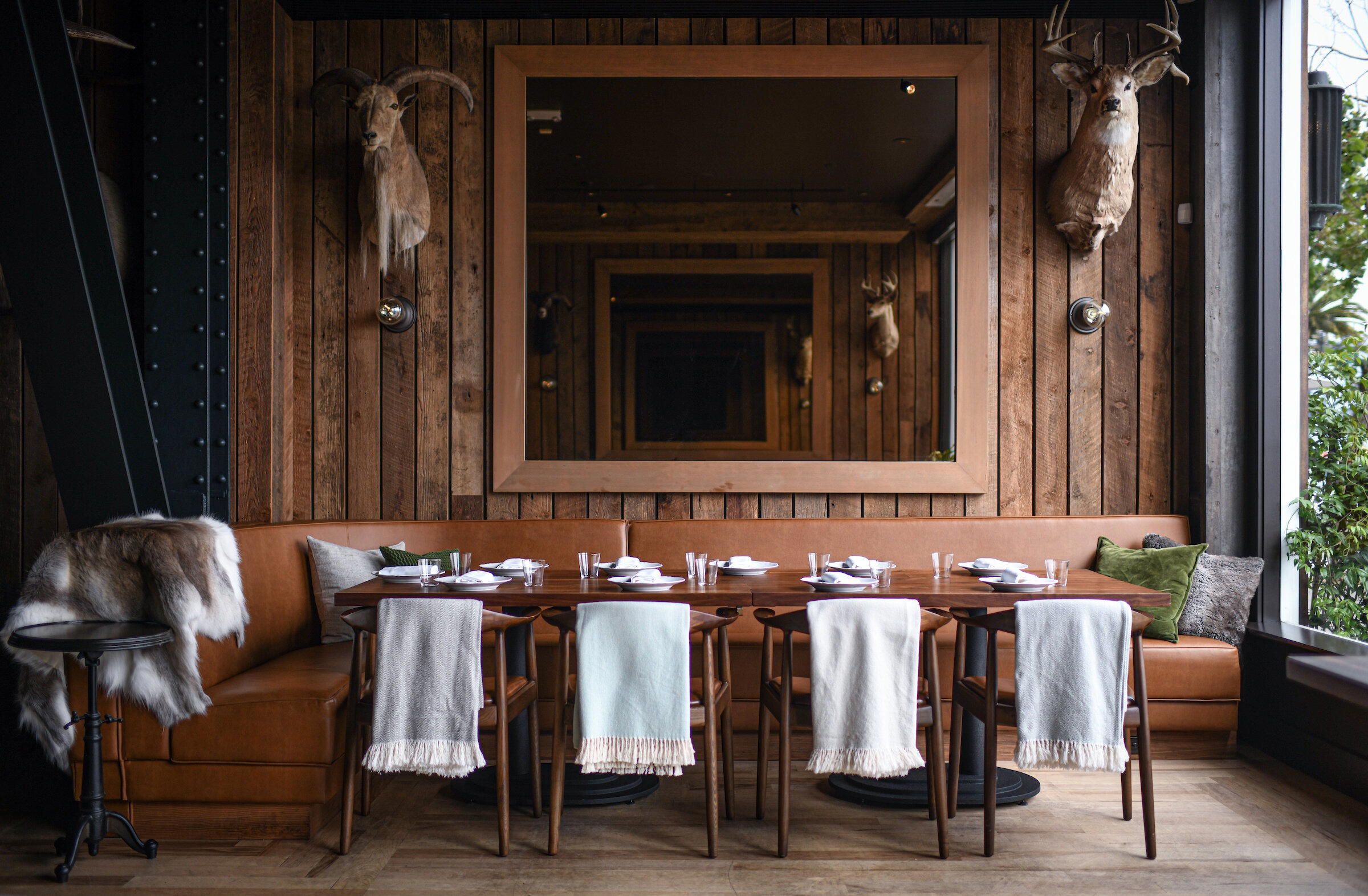
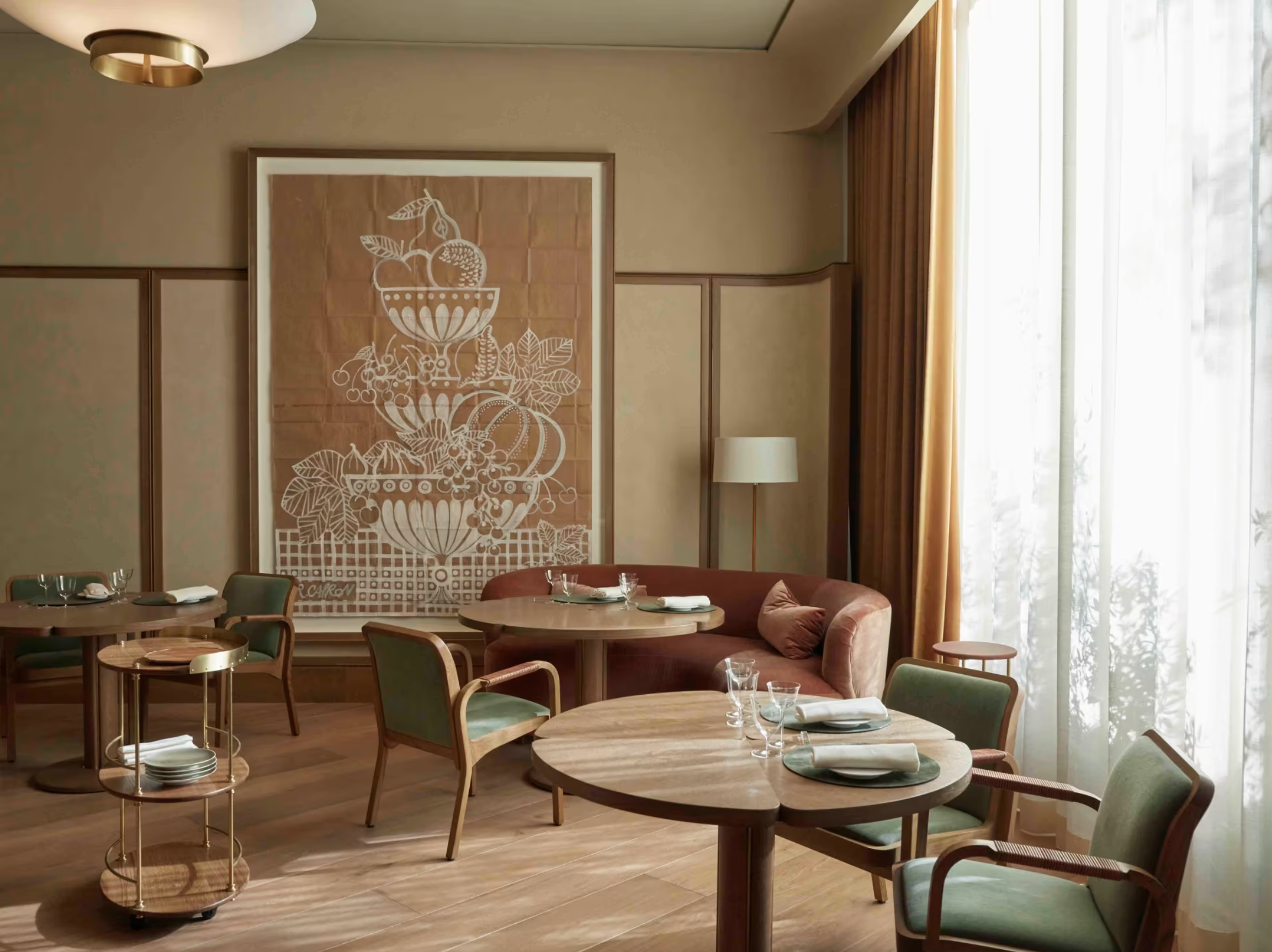
Bars in San Francisco
All bars in San Francisco →

Details
- Lively
- Trendy
- Casual Hangout
- Open Kitchen
- Street Scene
- A La Carte
Current opening hours
- Monday
- Closed
- Tuesday
- 11 AM–2 PM
- Wednesday
- Closed
- Thursday
- 11 AM–2 PM
- Friday
- Closed
- Saturday
- 10 AM–2 PM
- Sunday
- Closed
Hours can change for holidays and private events. Hours as of .
Casual outdoor market atmosphere at the Ferry Building farmers market with al fresco dining and bay views.