Sichuan House

San Antonio's Sichuan restaurant scene punches above its weight for a city more associated with Tex-Mex and barbecue, and Sichuan House on Wurzbach Road sits within that broader story. A strip-mall address on the city's northwest side belies what draws a regular following: the kind of direct, heat-forward Sichuan cooking that rarely concedes to local palate preferences. Worth knowing before you go.
Pearl is the En Primeur Club membership app — saves, bookings, and concierge access live there. Same editors, same standards.
- Address
- 3505 Wurzbach Rd #102, San Antonio, TX 78238
- Phone
- +12105099999
- Website
- sichuaneats.com
- Directions
- Get directions
 Saves & bookings on Pearl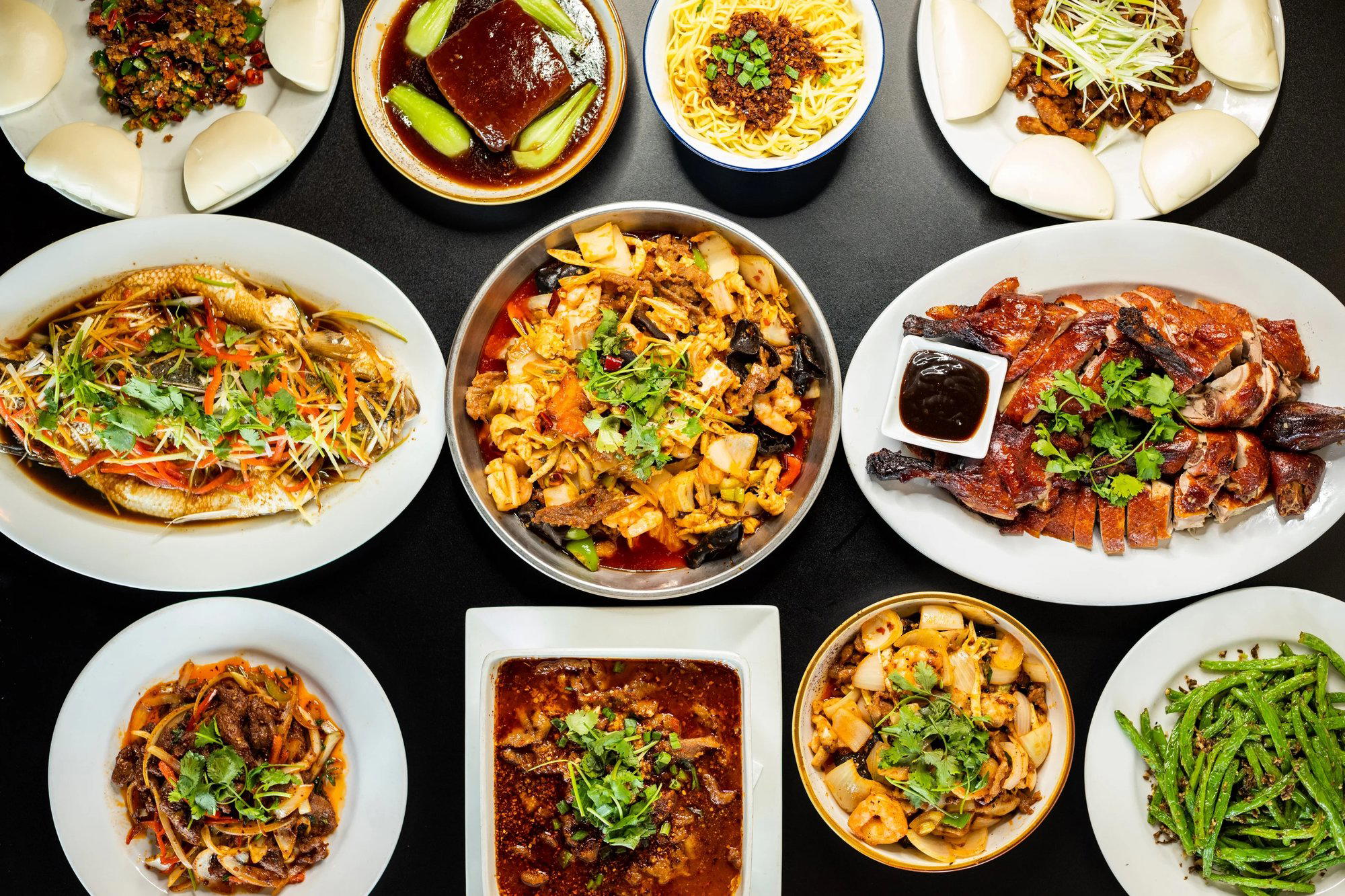
Sichuan Cooking in a Tex-Mex City
San Antonio's dining identity is built on two pillars, Tex-Mex and smoked meat, and most newcomers arrive expecting little else. That framing, however, undersells a quieter reality: the city's Chinese restaurant cohort has grown steadily over the past decade, and Sichuan-style cooking in particular has found a foothold among diners who want something beyond the Cantonese-American canon that still dominates much of Texas's interior. Sichuan House, at 3505 Wurzbach Rd #102, San Antonio, TX 78238, is a casual Sichuan restaurant where authentic regional Chinese cooking meets San Antonio's northwest side.
The broader context matters here. Across American cities, Sichuan cuisine has undergone a significant reassessment. What was once treated as a regional novelty, all numbing heat and oil, is now understood by food writers and serious eaters as one of China's most technically complex culinary traditions, with a spice vocabulary that distinguishes between mala (the numbing-spicy combination from Sichuan peppercorn and dried chili), xiang la (fragrant heat), and pure dried-chili fire. Cities like Houston and Dallas have developed Sichuan scenes deep enough to hold meaningful peer comparisons. San Antonio's version is smaller, but Sichuan House draws from the same tradition.
The Room and the Setting
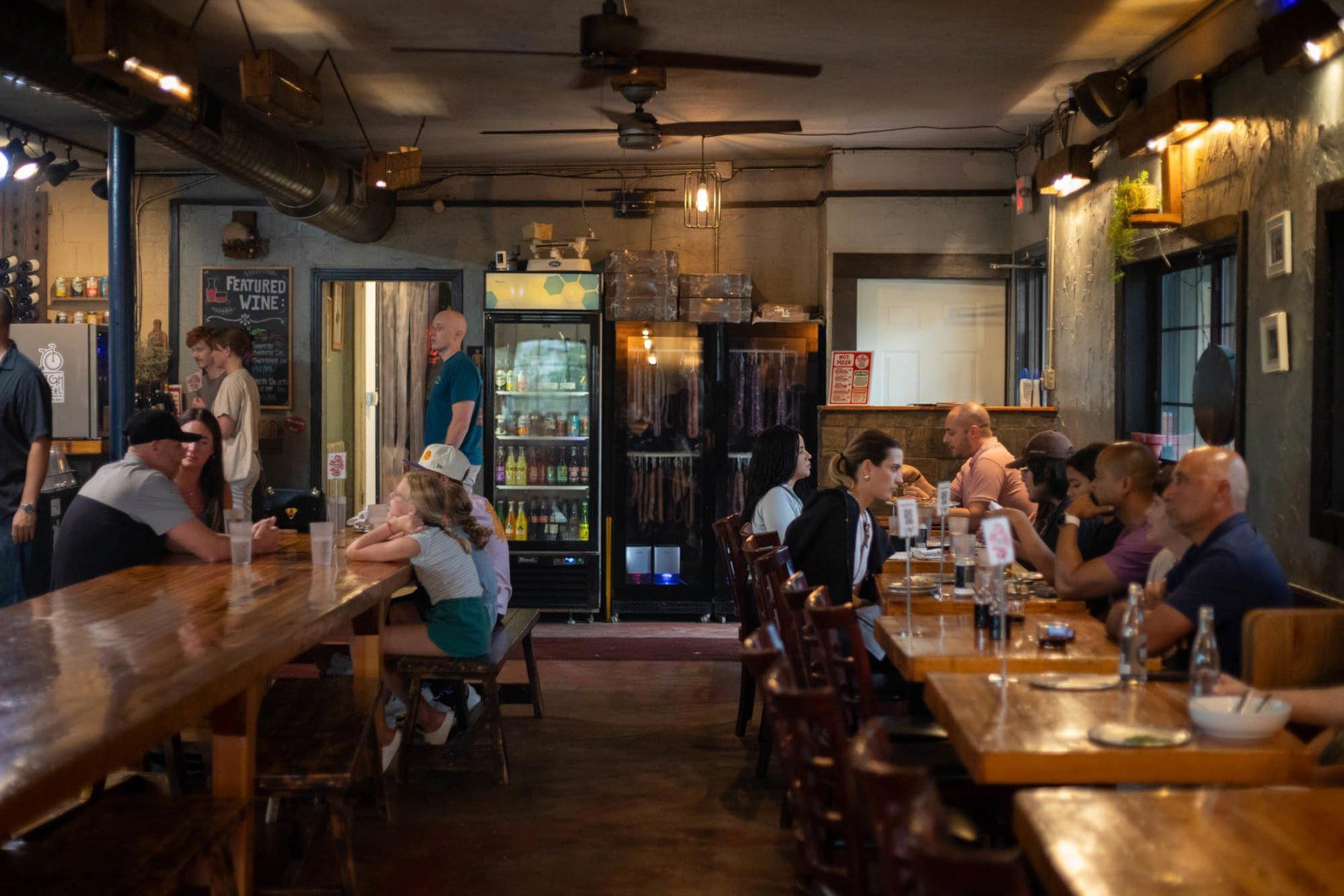
Strip-mall dining carries a stigma in some cities that Texas mostly ignores. Some of the state's most serious cooking, from Houston's Chinatown to Dallas's Richardson corridor, happens behind storefronts that share a parking lot with a nail salon and a tax preparer. Sichuan House on Wurzbach Road fits that mold. The northwest side of San Antonio skews residential and commercial in roughly equal measure, and the address suggests a restaurant that earns its following through the plate rather than through positioning or design. That is not a criticism; it is a familiar pattern in American regional Chinese dining, where the absence of atmosphere overhead tends to redirect investment toward the kitchen.
The approach to a place like this, strip-lit, no reservations system, no sommelier on the floor, carries its own kind of signal. It tells you the regulars are not here for event dining. They are here because the cooking is specific and consistent enough to return to. That kind of sustained neighborhood loyalty, particularly for a cuisine that sits outside San Antonio's dominant food traditions, requires something worth seeking out.
What Sichuan Cooking Actually Demands of a Kitchen
Executed properly, Sichuan cooking is one of the more technically demanding regional Chinese cuisines to reproduce outside its home province. The spice balance in a dish like mapo tofu is not a matter of adding chili oil; it requires layered fermented bean pastes, precise wok heat, and timing that keeps the silken tofu intact while the sauce reduces around it. Dry-pot dishes depend on a sequence of frying and braising that most kitchens outside Chengdu compress or skip entirely. The peppercorn itself, Sichuan's defining ingredient, loses its citrus-floral quality quickly after grinding, which means freshness of sourcing has a direct effect on the dish's character.
These are not abstract points. They define what separates a Sichuan restaurant that is doing the real work from one using the regional label as shorthand for spicy Chinese food. For diners in San Antonio who have eaten at serious Sichuan operations in Houston or along Dallas's Belt Line Road, those distinctions are identifiable on the plate. Sichuan House operates within a city where that comparison set is smaller, which gives it a different kind of position: it is meeting demand that has relatively few alternatives locally.
Drinks and the Question of Pairing
Wine lists and Sichuan cooking have an adversarial relationship that the wine world has only recently begun to address seriously. The mala flavor profile, simultaneously numbing, oily, and intensely savory, overwhelms most tannic reds and strips delicate whites of their fruit. The pairings that do work tend toward off-dry Riesling, lager beer, or cold Shaoxing rice wine, none of which show up on conventional Western wine lists.
Neighborhood Sichuan restaurants in the American interior rarely invest in a curated cellar; the typical offer runs to beer, tea, and soft drinks, with the understanding that the food is doing the work. For comparison, the wine programs at destination restaurants like Le Bernardin in New York City, The French Laundry in Napa, or Single Thread Farm in Healdsburg are built around tasting menus that can absorb a multi-flight wine sequence, a format structurally different from à la carte Sichuan. Similarly, the technically ambitious wine pairings at Alinea in Chicago or Atomix in New York City assume a kitchen producing dishes engineered for pairing compatibility. Sichuan cooking makes no such concession, which is part of its appeal.
If you are visiting the restaurant and want something beyond beer, bring an off-dry Riesling or a light, slightly chilled Gamay. Both cut through the oil without fighting the heat. That is practical advice that applies across the category, not just this address.
San Antonio's Broader Dining Context
To calibrate expectations, it helps to map the restaurant against what else San Antonio offers. Mixtli represents the city's most ambitious tasting-menu format, with a rotating Mexican regional focus and a price point to match. Isidore works within a Texan ingredient framework at a similar tier. 2M Smokehouse anchors the barbecue conversation on the city's south side. 1Watson and 410 Diner cover different registers of the city's everyday dining. The restaurant occupies a distinct lane from all of them: it is the city's clearest access point to a Chinese culinary tradition that does not simplify itself for a non-Chinese audience.
For readers who regularly eat at serious Chinese restaurants in larger markets, or who have encountered the Sichuan programs at Providence in Los Angeles or drawn comparisons to destination dining at Addison in San Diego, the restaurant offers something more specific: a direct line to a regional cuisine that earns its place through repetition and consistency rather than occasion. 8 1/2 Otto e Mezzo Bombana in Hong Kong, Blue Hill at Stone Barns in Tarrytown, Emeril's in New Orleans, and Lazy Bear in San Francisco all operate in the destination-dining category where occasion and atmosphere are part of the product. The Inn at Little Washington takes that logic further into full hospitality. The restaurant is a different proposition entirely, and intentionally so.
A Minimal comparable set
Comparable venues nearby, for context on price, style, and recognition.
| Venue | Cuisine | Price | Notes |
|---|---|---|---|
| Sichuan HouseThis venue — the venue you are viewing | West Side, Authentic Sichuan Chinese | $$ | Not listed |
| Golden Wok | Northwest, Traditional Chinese Dim Sum | $$ | Not listed |
| Barbaro | Not listed | $$ | Monte Vista Historical District, Upscale Italian Pizza |
| Southerleigh Haute South | Northwest Side, Southern Comfort Food | $$ | Not listed |
| Zaatar Lebanese Grill | Northwest, Authentic Lebanese Grill | $$ | Not listed |
| KPOT Korean BBQ & Hot Pot | Northwest, Korean BBQ & Hot Pot | $$ | Not listed |
Recognition history
Dated appearances from independent guides and award organizations, with the underlying list record or original source where available.
Diners, Drive-Ins and Dives Featured Restaurant
Diners, Drive-Ins and Dives · 2026 Diners, Drive-Ins and Dives Featured Restaurants
Continue exploring
More in San Antonio
Restaurants in San Antonio
Browse all →
Bars in San Antonio
Browse all →
Hotels in San Antonio
Browse all →
At a Glance
- Cozy
- Family
- Group Dining
- Casual Hangout
- Open Kitchen
- Byob
Current opening hours
- Monday
- 11 AM–3 PM, 4–9 PM
- Tuesday
- Closed
- Wednesday
- 11 AM–3 PM, 4–9 PM
- Thursday
- 11 AM–3 PM, 4–9 PM
- Friday
- 11 AM–3 PM, 4–9 PM
- Saturday
- 11 AM–3 PM, 4–9 PM
- Sunday
- 11 AM–3 PM, 4–9 PM
Hours can change for holidays and private events. Last verified .
Humble, cozy strip mall eatery with a welcoming family atmosphere and flavorful aromas evoking traditional Chinese dining.