Chika

Chika enters San Antonio’s dining conversation through a sourcing-led lens rather than spectacle. Its 2025 James Beard Award semifinalist recognition for Best Chef: Texas, naming John Ramos and Jonathan Reyes, places it inside the state’s sharper conversation about cooks who treat regional supply, not imported luxury, as the defining material.
Pearl is the En Primeur Club membership app — saves, bookings, and concierge access live there. Same editors, same standards.
- Address
- 875 E Ashby Pl, San Antonio, TX 78212
- Phone
- +1 210 800 5993
- Website
- chikasatx.com
- Directions
- Get directions
 Saves & bookings on Pearl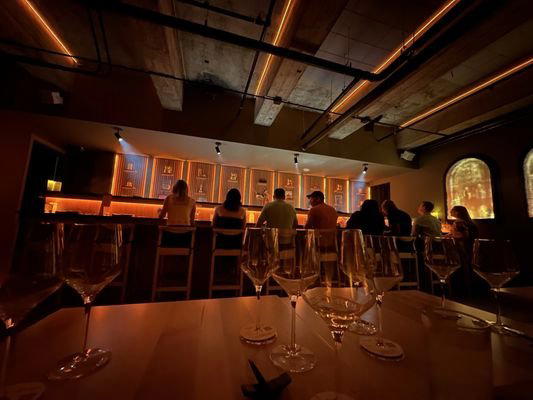
San Antonio dining is often read through long-standing local habits, visitor traffic, and family memory, but the sharper story now is attention. The city’s stronger kitchens are judged less by how loudly they signal a familiar version of Texas and more by how carefully they handle the expectations of a regional audience. Chika belongs in that conversation because its public recognition has attached the restaurant not to scale or spectacle, but to the people cooking there and the regional standard they are helping set.
The clearest trust signal is national rather than local: Chika was named a 2025 James Beard Award semifinalist for Best Chef: Texas, with John Ramos and Jonathan Reyes recognized. In a state category that has to account for major Texas markets and San Antonio, that matters. It signals a restaurant being measured against Texas as a whole, not only against the city’s familiar visitor routes.
San Antonio cooking is moving from nostalgia to source discipline
Ingredient attention in San Antonio carries different stakes than it does in cities built around tasting-menu theater. Here, the question is not whether a kitchen can perform luxury from afar; it is whether it can make regional identity read with clarity. That means understanding local expectations as structure, restraint as a form of confidence, and place as something more nuanced than a blunt set of signals. The restaurants that age well in this market tend to respect those materials without turning them into museum pieces.
Chika’s Beard semifinalist citation places it within that newer San Antonio frame. The recognition does not define a cuisine type on its own, and the restaurant should not be reduced to an award line. What the citation does establish is competitive context: Ramos and Reyes were noticed in a Texas field where ingredient fluency is now a serious measure of ambition. For diners, that is the useful reading. Expect the point of interest to be how the kitchen organizes local identity on the plate, not whether the room performs luxury in the old imported sense.
That sourcing question also separates San Antonio from larger Texas restaurant markets. Other major cities in the state often read through global breadth, rapid concept turnover, tasting-menu capital, polish, or high-spend dining rooms. San Antonio’s stronger argument is continuity: regional influences overlapping without needing a single label. A restaurant working well here does not have to announce complexity; the city already contains it.
The Beard signal matters because Texas is a crowded field
The 2025 James Beard semifinalist nod gives Chika a clean editorial anchor. Awards are not a substitute for taste, but they are useful filters when a city’s dining reputation is expanding faster than national readers can track. Best Chef: Texas is a competitive category by design, and San Antonio placements help correct an old imbalance in which the city was too often discussed through familiar casual staples and visitor convenience alone.
For a traveler building a serious San Antonio food itinerary, that recognition changes the way the restaurant should be scheduled. It belongs in the part of the trip reserved for contemporary regional cooking, not as a casual add-on between museum visits or bar stops. Pair it with a wider read of the city’s dining range through Our full San Antonio restaurants guide, then use Our full San Antonio bars guide, Our full San Antonio hotels guide, Our full San Antonio wineries guide, and Our full San Antonio experiences guide to build the rest of the stay around city rhythm rather than a single dinner.
Readers mapping the city’s broader restaurant spread may also want to compare formats across other San Antonio dining rooms and bars. Those references are useful for itinerary shape, not for ranking one room against another. The better question is what each stop says about San Antonio’s range: casual meals, polished rooms, neighborhood dining, regional cooking, and the newer chef-led sourcing conversation represented here.
How to read Chika within a wider ingredient-first map
Ingredient-led restaurants across the United States increasingly fall into two camps. Some treat sourcing as a credential, listing farms and producers as proof of seriousness. Others let sourcing do quieter structural work, shaping the meal without turning the menu into a supplier roll call. Chika is more useful to read through the second lens until more public detail is declared: the important fact is not a named product, but the standard implied by Texas-wide recognition for the chefs attached to the kitchen.
That makes the restaurant relevant beyond San Antonio. EP Club readers tracking ingredient identity across regions can read it beside other American examples in a general sense. The comparison is not cuisine-to-cuisine; it is about how place enters a menu without becoming costume, and how a restaurant can suggest regional identity through discipline rather than through a list of obvious signals.
That same map can stretch further across different formats, from casual rooms to destination dining and specialist kitchens. Chika’s place in that broader reading is Texas-specific: a San Antonio restaurant with a national award signal, tied to two named chefs, in a city whose dining reputation is broader than its shorthand reputation.
Recognition history
Dated appearances from independent guides and award organizations, with the underlying list record or original source where available.
James Beard Award Semi Finalist
James Beard Award
Continue exploring
More in San Antonio
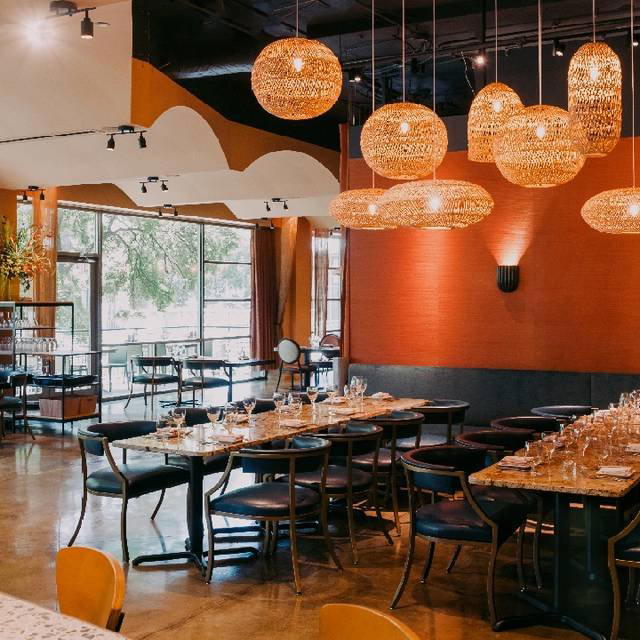
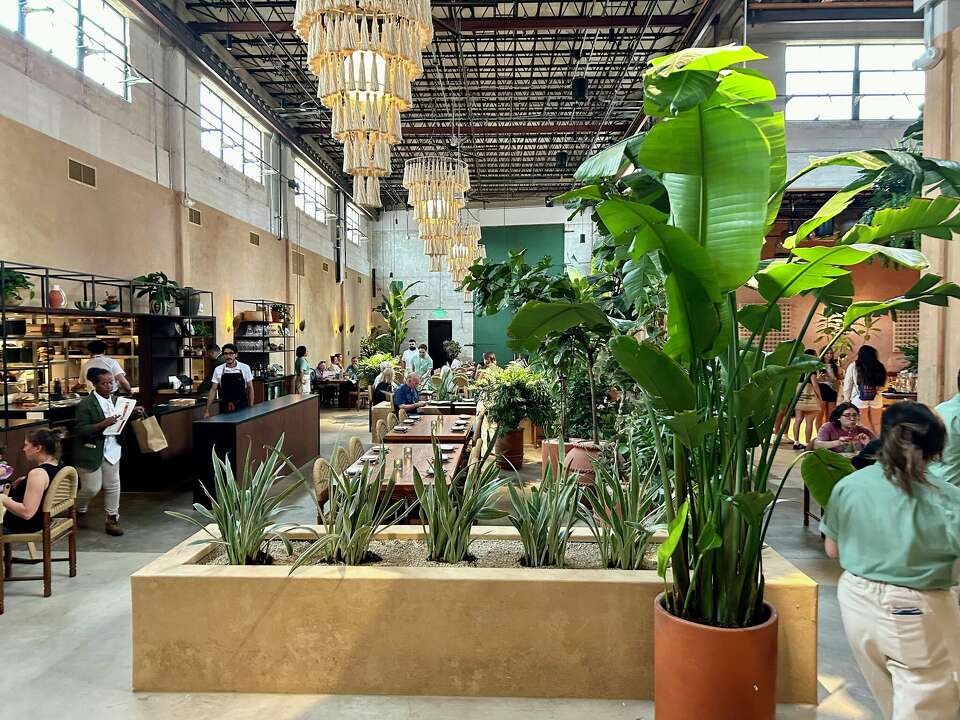
Restaurants in San Antonio
Browse all →
Bars in San Antonio
Browse all →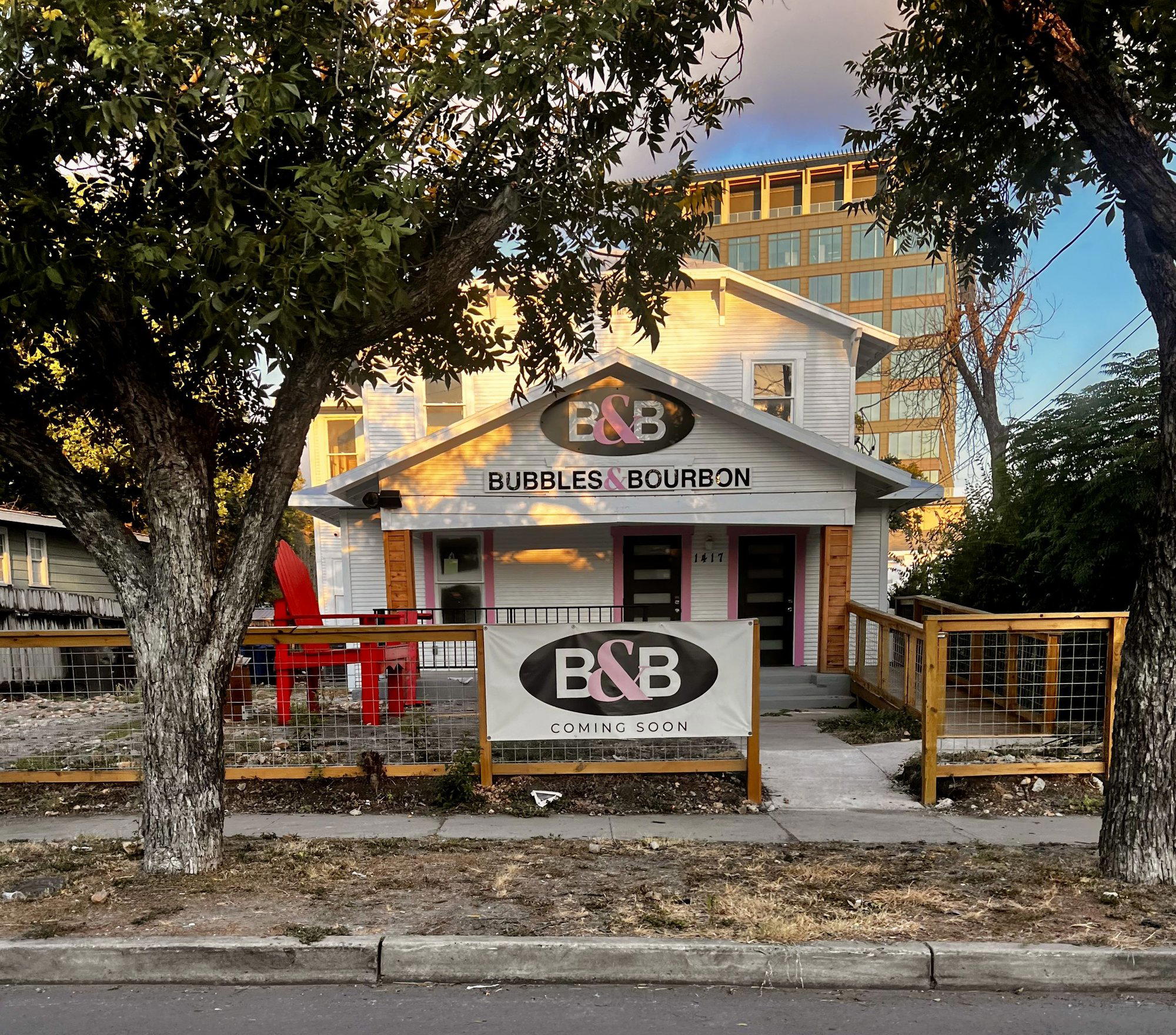
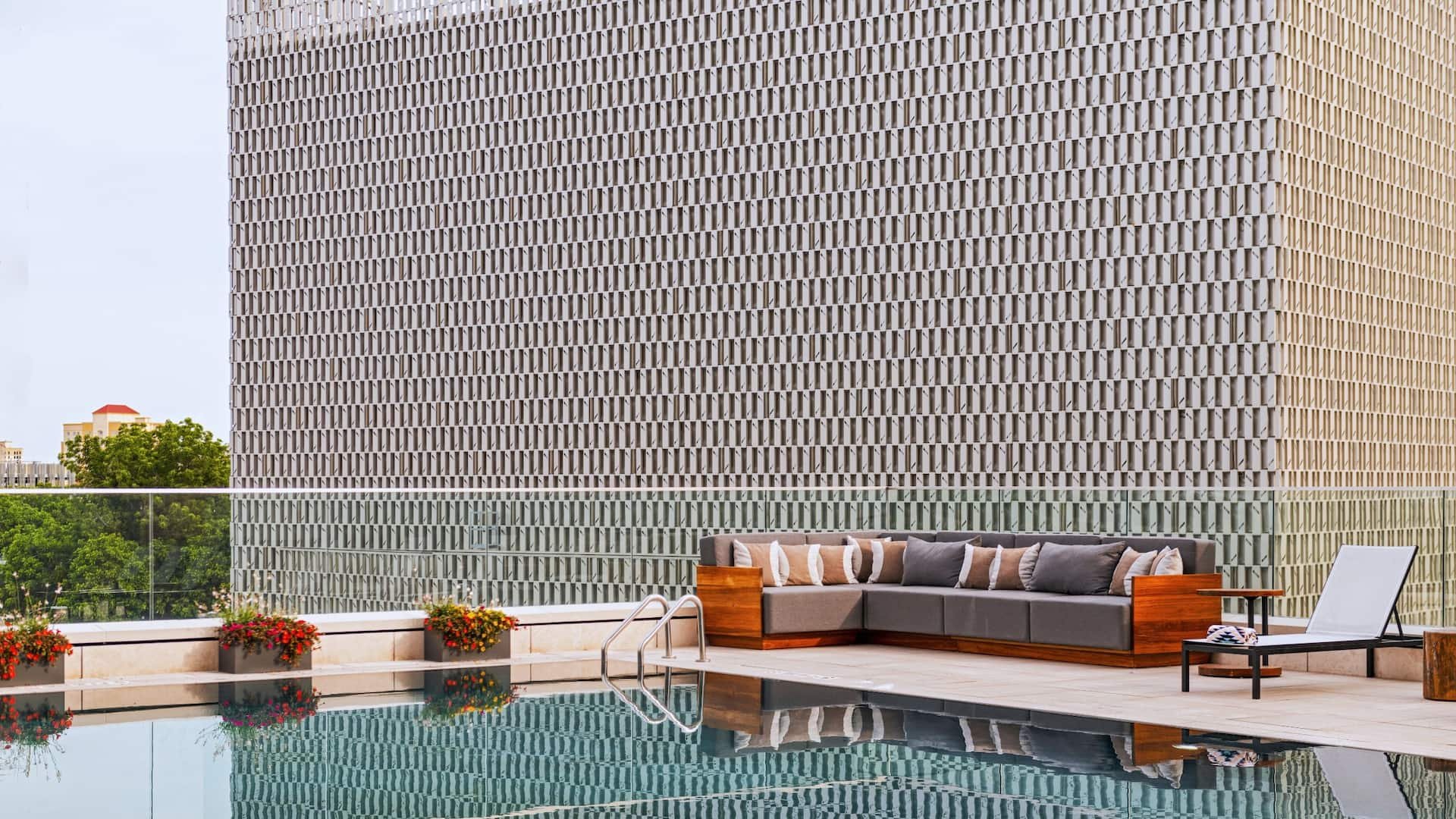
Hotels in San Antonio
Browse all →


Wineries in San Antonio
Browse all →

At a Glance
- Intimate
- Elegant
- Sophisticated
- Trendy
- Cozy
- Date Night
- Special Occasion
- Celebration
- Solo
- Chefs Counter
- Standalone
- Design Destination
- Craft Cocktails
- Sake Program
Current opening hours
- Monday
- Closed
- Tuesday
- Closed
- Wednesday
- Closed
- Thursday
- 6–9:30 PM
- Friday
- 6–9:30 PM
- Saturday
- 6–10:30 PM
- Sunday
- Closed
Hours can change for holidays and private events. Last verified .
Dim, immersive basement setting with a small counter, close chef interaction, and a sophisticated yet cozy feel that emphasizes focus on the multi-course omakase experience over spectacle.
Know Before You Go
- Reservations
- Essential
- Dress code
- Smart casual