Michelin Plate
Our verdict
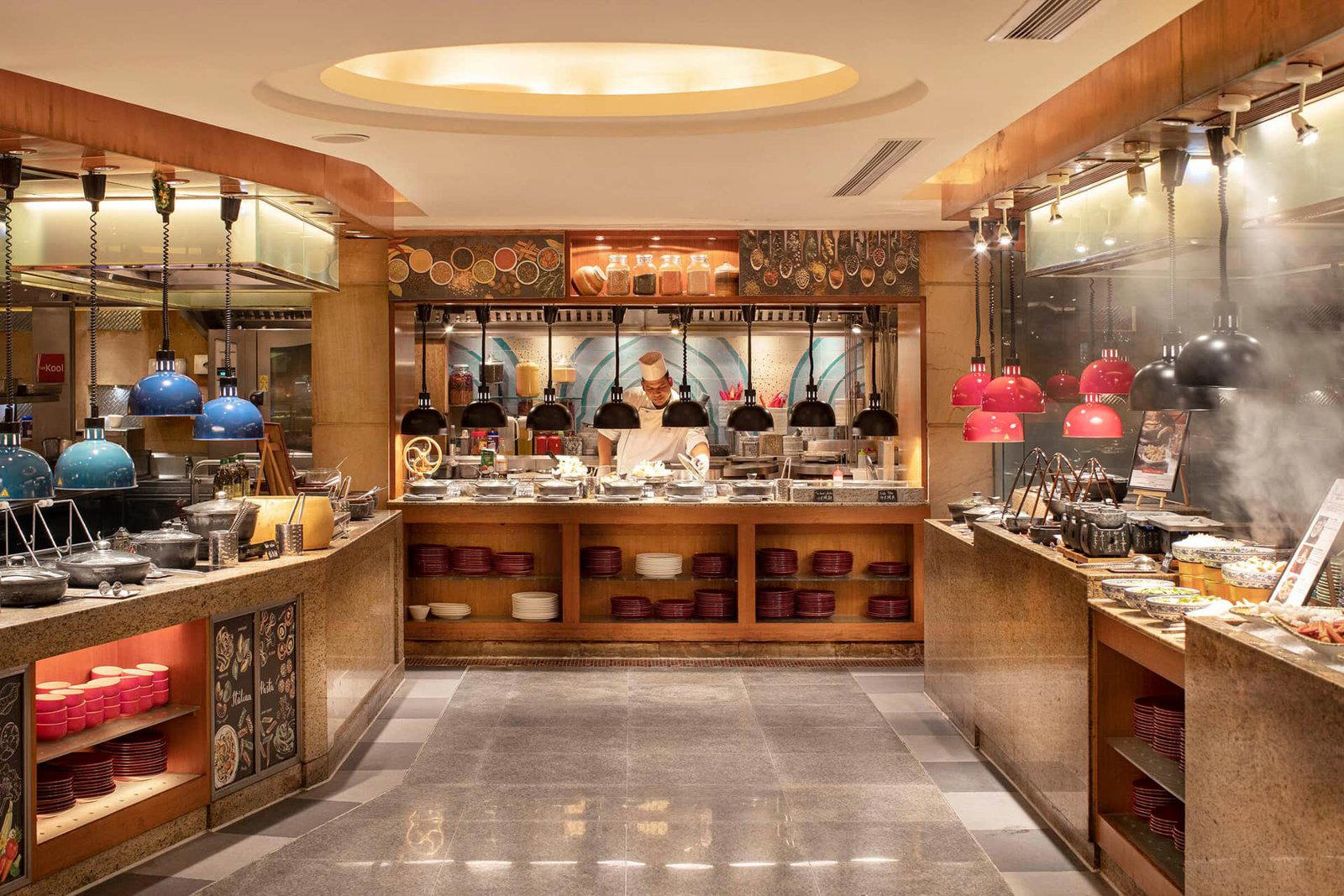
At 8 Hart Avenue in Tsim Sha Tsui, Siaw takes its name from the Thai word for friends and delivers on that premise through a colourful open kitchen, Thai pop soundtrack, and a menu that spans street snacks to rice dishes. The pad kra pao carries real heat, and the kha nom krok coconut rice flour pancakes are among the more distinctive dessert options in the neighbourhood.

Pearl is the En Primeur Club membership app, where members save venues, book tables and use the concierge.
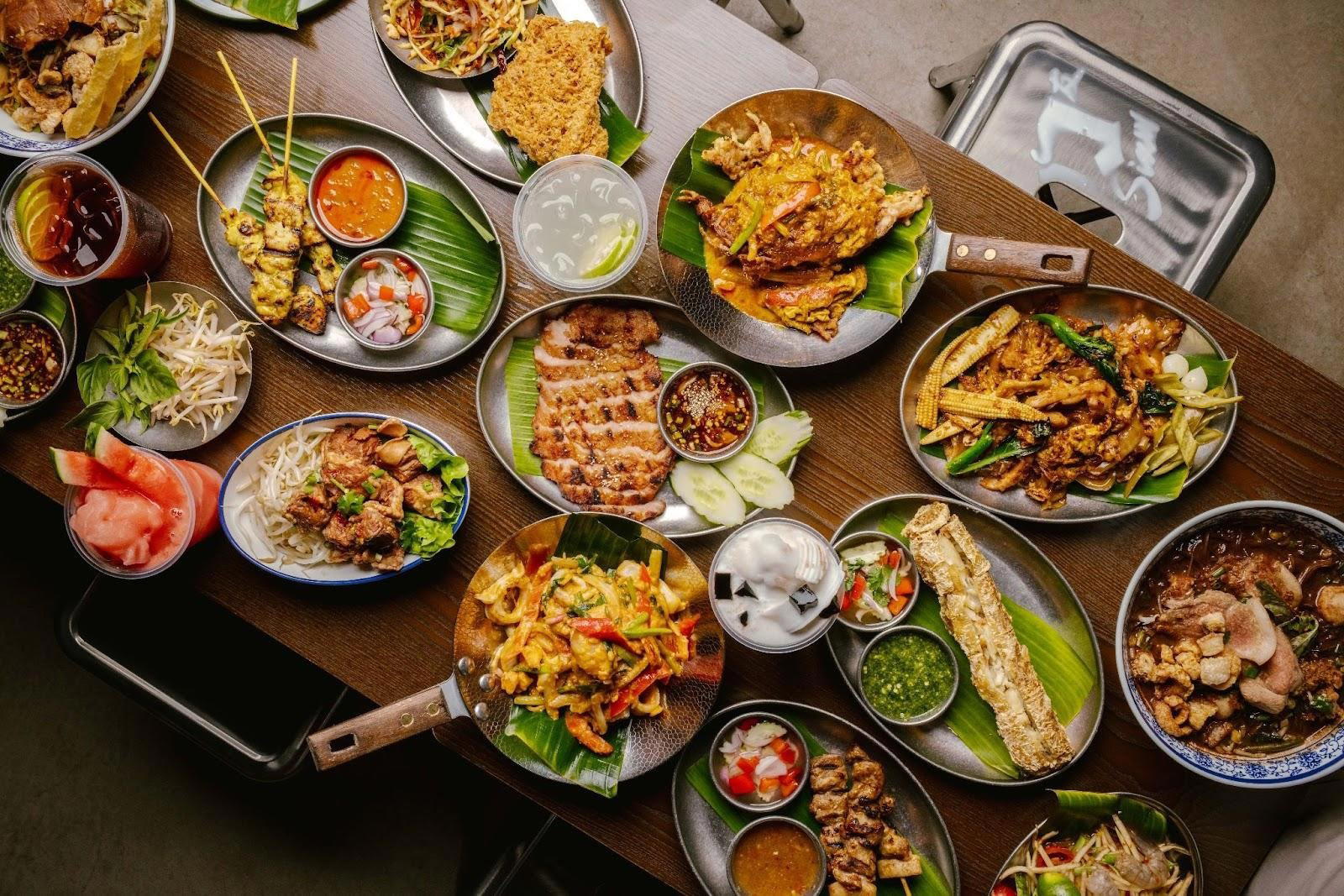
The menu
What to order
- Crispy Catfish with Green Mango Salad
- Boat Noodles
- Siaw Dry Noodles
- Soft Shell Crab Yellow Curry
- Pad Krapow
- Pan-Grilled Coconut Rice Pancake
Thai Dining in Tsim Sha Tsui: The Street-Food Tradition Moves Indoors
Hong Kong's appetite for Southeast Asian food has never been passive. The city's proximity to Thailand, combined with decades of Thai migrant communities and a dining public that travels frequently, has produced a Thai restaurant scene that holds local kitchens to a genuine standard. Tsim Sha Tsui, in particular, sits at the intersection of tourist-facing dining and serious neighbourhood eating, and the Thai spots that survive there tend to earn their place through food rather than foot traffic alone. Siaw, at 8 Hart Avenue, positions itself within that tradition: a compact, brightly fronted room where the open kitchen and Thai pop soundtrack signal intent before you've looked at the menu.
The name itself is worth noting as context. "Siaw" translates from Thai as "friends," a word that carries specific social weight in Thai culture, where communal eating is not a lifestyle concept but a structural norm. Meals are ordered to share, portions arrive without ceremony, and the rhythm of the table is set by the food rather than the service choreography. That framing matters in a city like Hong Kong, where dining rooms in the mid-range have increasingly moved toward solo-friendly formats or tasting structures. Siaw's approach runs in the opposite direction, closer to the Bangkok shophouse model than to the polished Southeast Asian restaurants that populate Central and Wan Chai.
The Menu: Coverage Over Curation
Thai restaurant menus in Hong Kong often split into two modes: the abbreviated crowd-pleaser format, which reduces the cuisine to pad thai and green curry, or the maximalist approach that attempts to cover regional variation across dozens of dishes. Siaw reads closer to the latter, moving from street snacks through boat noodles and rice dishes to desserts, in a structure that mirrors the actual breadth of Thai street eating rather than a simplified export version of it.
The pad kra pao is the dish that appears most frequently in assessments of the kitchen's calibre. Minced pork or beef, holy basil, and a fried egg on steamed rice is one of the foundational dishes of Thai home cooking, and its quality is almost entirely a function of ingredient sourcing and heat control. The version here carries what the kitchen describes as a "wonderful kick," which in practical terms means the chile heat is not dialled down for a perceived Hong Kong preference for restraint. That decision alone places it in a different category from many Thai restaurants in the city that moderate spice levels as a default.
The kha nom krok deserves separate attention. Coconut rice flour pancakes with custardy centres are a dessert format that rarely travels well outside Thailand, partly because the technique requires specific equipment and timing, and partly because the flavour profile, mildly sweet and faintly savoury from the coconut milk, does not map onto Western dessert expectations. The fact that Siaw includes it on the menu, and does so with apparent confidence, suggests a kitchen willing to make the dish on its own terms rather than substitute it with something more universally legible.
Hart Avenue and the Tsim Sha Tsui Dining Context
Hart Avenue sits within walking distance of the Tsim Sha Tsui waterfront and the concentration of hotels along Nathan Road, but the street itself operates at a remove from the tourist drag. The dining on and around Hart Avenue tends toward mid-range, neighbourhood-serving restaurants rather than the formal, occasion-driven rooms that define Hong Kong's fine dining tier. That tier, represented elsewhere in the city by rooms like Caprice, Amber, and Ta Vie, operates on a different logic entirely, where tasting menus, wine programs, and extended service formats are the primary product. Siaw is not competing in that space. It competes on accessibility, consistency, and the kind of flavour directness that formal dining rooms tend to smooth away.
For comparison, consider how the city's appetite for serious cooking distributes across formats. The Michelin-decorated kitchens, from 8 1/2 Otto e Mezzo Bombana to Forum, serve a specific occasion-dining function. Thai cooking in a room like Siaw serves a different but equally real function: food that is technically grounded, priced for repeat visits, and structured around sharing rather than performance. Both matter to a complete picture of what Hong Kong's dining scene actually looks like. Our full Hong Kong restaurants guide maps the full range, from street-level Thai to three-star French.
A Note on the Format's Sustainability Logic
The editorial angle of sustainability in restaurant contexts is often applied to fine dining, where ingredient sourcing, waste reduction programs, and supplier transparency are easier to document and market. But the communal, share-plate format of Thai street dining carries its own structural efficiency that is worth naming. Dishes ordered to share rather than individually plated reduce the portion waste that accumulates in set-menu formats. Menus built around grains, vegetables, and aromatics, with meat as a component rather than a centrepiece, carry a lower resource footprint per dish than protein-led Western formats. And kitchens that cook to order from a standing mise en place, as open-kitchen Thai restaurants typically do, operate with less advance preparation waste than tasting-menu kitchens that pre-plate components hours ahead. None of this is an argument about certification or green credentials. It is an observation that the communal Thai model, practised straightforwardly at places like Siaw, embeds a form of resource efficiency that more formal dining formats often have to engineer in retroactively.
Planning Your Visit
Siaw sits at 8 Hart Avenue in Tsim Sha Tsui, a short walk from Tsim Sha Tsui MTR station. The room's open kitchen and lively soundtrack make it a better fit for groups or casual meals than for quiet conversation over extended courses. Given its position in the mid-range, walk-in access is generally more feasible than at the city's tightly booked fine dining rooms, though weekend evenings in Tsim Sha Tsui tend to compress demand across the neighbourhood's more popular restaurants. If you are building a broader Hong Kong itinerary, the full Hong Kong hotels guide, bars guide, and experiences guide provide the surrounding context. For those comparing across cities, kitchens with a similar commitment to technique-driven informal dining include Lazy Bear in San Francisco and Emeril's in New Orleans, though the format and price tier differ considerably. At the more formal end of the global dining spectrum, rooms like Alinea in Chicago, Le Bernardin in New York City, Alain Ducasse at Louis XV in Monte Carlo, Alléno Paris au Pavillon Ledoyen, and Aponiente in El Puerto de Santa María represent a different but equally serious relationship with sourcing and kitchen discipline. The Le Salon de Thé de Joël Robuchon in ifc mall and our Hong Kong wineries guide round out the picture for visitors planning across meal formats and price points.
Frequently asked questions
Where exactly is Siaw?
Siaw is located at 8 Hart Avenue, Tsim Sha Tsui, Hong Kong.
Is Siaw Michelin-listed?
Siaw has received recognition including: Named after the Thai word for "friends", this bustling joint with an open kitchen, colourful façade and Thai pop soundtrack oozes tropical vibrancy. The menu covers all-time Thai favourites, from street snacks and boat noodles to rice dishe….
What should I order at Siaw?
The pad kra pao is the dish to start with: minced pork or beef stir-fried with holy basil and fried eggs over steamed rice, with a notable chilli heat. Follow it with kha nom krok, the coconut rice flour pancakes that arrive crispy on the outside with a custardy centre. The menu also covers boat noodles and street snacks, so the format rewards sharing across several dishes.
How far ahead should I plan for Siaw?
Siaw at 8 Hart Avenue operates as a casual, high-energy room rather than a reservation-led counter, which generally means walk-ins are viable at off-peak hours. For weekend evenings or larger groups, checking ahead is sensible given the street's foot traffic and the restaurant's lively format. Phone and booking details are not listed publicly, so arriving early or contacting the venue directly through local directories is the practical approach.
Reputation Context
Comparable venues nearby, for context on price, style, and recognition.
| Venue | Cuisine | Price | Awards | Notes |
|---|---|---|---|---|
| SiawThis venue (the venue you are viewing) | Authentic Thai Street Food | $20–30 | Michelin Plate | Not listed |
| Chachawan | Authentic Isaan Thai | $30–50 | Not listed | Central |
| Lai's Kitchen | Cantonese Dai Pai Dong | $20–30 | Michelin Plate | Wan Chai |
| Chili Club | Authentic Thai | $20–30 | Not listed | Wan Chai |
| Sabah | Traditional Malaysian Cuisine | $20–30 | Michelin Plate | Wan Chai |
| Yakiniku Jumbo HK | Japanese Yakiniku | $100–150 | Not listed | Central |
Recognition history
Dated appearances from independent guides and award organizations, with the underlying list record or original source where available.
Michelin Plate
Michelin · 2026 Michelin Plate
Full recognition history (2 entries)
Michelin Bib Gourmand
Michelin