
Ranked #201 in Opinionated About Dining's Top Restaurants in Asia in 2024 and climbing to #235 in 2025, Yakiniku Jumbo HK occupies a distinct position in Hong Kong's yakiniku scene: a Central-address counter with consistent critic recognition and a format that prioritises the ritual of tableside grilling over theatrical presentation. Closed Sundays; lunch and dinner service Monday through Saturday.
Pearl is the En Primeur Club membership app — saves, bookings, and concierge access live there. Same editors, same standards.
- Address
- Shop 302, 3/F, Man Yee Building, 68 Des Voeux Road Central, Central, Hong Kong
- Phone
- +852 2151 3887
- Directions
- Get directions
 Saves & bookings on Pearl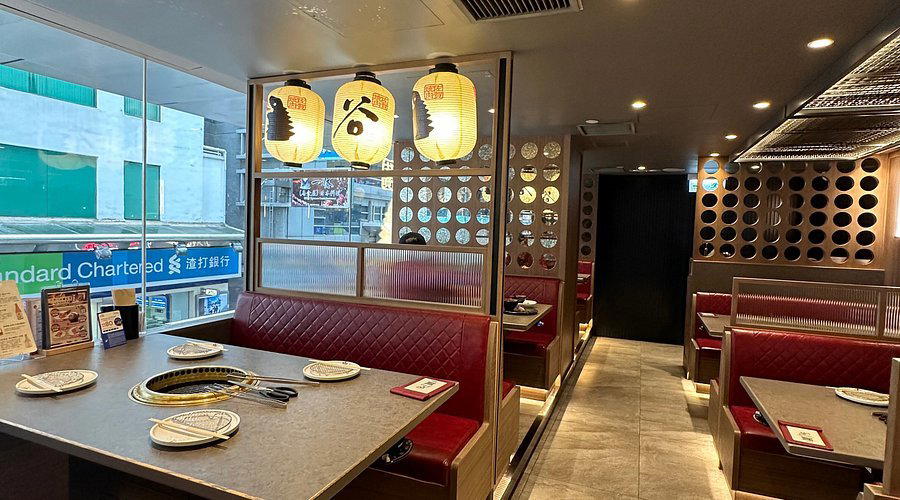
Where Yakiniku Took Root in Hong Kong
Yakiniku arrived in Hong Kong as a Japanese-mediated version of Korean barbecue, and its journey matters for understanding what distinguishes the category's upper tier today. In Japan, yakiniku evolved through the twentieth century into a highly codified dining format: specific cuts prepared in a precise sequence, grilling temperatures calibrated to fat content, and dipping sauces that function as counterpoint rather than disguise. When that format crossed into Hong Kong, it entered a city already fluent in the rituals of communal cooking through Cantonese hotpot and seafood banquets, which meant the adoption was fast but also selective. Operators who could source Japanese beef grades, maintain the sequence discipline, and staff tables with people who could guide the grill found an audience. Those who treated it as a dressed-up barbecue did not last.
Yakiniku Jumbo HK sits on the third floor of Man Yee Building on Des Voeux Road Central, an address that places it inside one of the city's densest concentrations of finance and professional services. Central does not reward casual operators. The lunch trade here runs on efficiency and credibility; the dinner trade runs on occasion and repeat clientele. For a yakiniku counter to hold both sessions across a Monday-to-Saturday calendar — and to do so with enough consistency to register on a continent-wide critic survey — says something about operational discipline before it says anything about individual dishes.
The OAD Track Record
Opinionated About Dining, the critic-driven survey that aggregates assessments from serious diners and food professionals across Asia, listed Yakiniku Jumbo HK as Highly Recommended in 2023, ranked it #201 in its Leading Restaurants in Asia list in 2024, and placed it at #235 in 2025. That trajectory is worth reading carefully. A move from Highly Recommended to a numbered rank signals the kind of sustained consistency that surveys reward over novelty; the slight positional shift from 201 to 235 across a list that expands annually reflects competitive density at the leading rather than a decline in quality. In a survey where most restaurants cycle through recognition once and fade, three consecutive years of placement represents a signal, not noise.
For context, the OAD Asia list is assembled by people who eat professionally and comparatively. Being ranked there in the yakiniku category puts Yakiniku Jumbo HK in conversation with Tokyo's most focused yakiniku operations, including counters like Jumbo Hanare, Kinryuzan, Kiraku-Tei, Nikusho Horikoshi, and Nikuyama, venues that operate with decades of sourcing relationships and format discipline built into their DNA. The fact that a Hong Kong address appears in that conversation at all reflects how seriously the city has taken the category in recent years.
The Yakiniku Format and Why It Demands Specificity
Yakiniku's appeal is inseparable from its structure. Unlike kaiseki, where the kitchen controls every variable, yakiniku transfers a meaningful portion of the cooking to the diner. Wagyu short rib behaves differently over binchotan than chicken thigh; the margin between perfectly rendered fat and overcooked meat can be a matter of seconds. A well-run yakiniku room accounts for this: staff who explain cuts, grills maintained at consistent temperature, and a sequencing logic that moves from lighter to richer across a meal. The cuisine rewards attention more than any other Japanese format, and it punishes distraction just as quickly.
Nikushou operates at the premium omakase-adjacent end of the spectrum. YakIniku Great and Yakinikumafia each occupy distinct positions within the category's broader range. Yakiniku Jumbo HK's OAD recognition places it among the most critically regarded of these, though its format and positioning differ from the omakase counter model that dominates the survey's upper echelon in Japan.
For international comparison, yakiniku specialists like Cossott'e in Tokyo and even the accessible-format Gyu-Kaku in Los Angeles illustrate how differently the category can express itself across markets. Yakiniku Jumbo HK's position in Central, with its business-district clientele and consistent critic recognition, represents a specific response to Hong Kong's particular demands: proximity to spending power, quality sourcing, and a room that can hold both a working lunch and a celebratory dinner without changing register. Another Nagoya example showing the category's geographic spread is Nikuya Setsugekka Nagoya.
Central as a Dining District
Des Voeux Road Central anchors a stretch of the city where high-end dining operates at a different density than anywhere else in Hong Kong. Within a short radius, three-Michelin-star Italian at 8 1/2 Otto e Mezzo Bombana and the French contemporary program at Amber set the ceiling for what the neighbourhood expects. Yakiniku Jumbo HK does not compete in that register, yakiniku is a different category with different expectations around format and price, but sharing a postcode with those addresses clarifies the clientele the restaurant draws. These are diners who eat across categories and compare experiences across continents. Recognition in that context is not easily manufactured.
The Man Yee Building address, on the third floor, follows a pattern common to Hong Kong's mid-premium dining tier: upper-floor locations that trade street-level visibility for larger floor plates and lower rents, with the expectation that reputation does the work a shopfront would otherwise do. It is a model that favours operators with an existing audience and a reason to climb the stairs.
How Yakiniku Jumbo HK Fits the Broader Hong Kong Scene
Hong Kong's dining scene in 2024 and 2025 has been shaped by a combination of post-pandemic consolidation and a resumption of mainland Chinese visitor traffic. Restaurants that survived the closures and maintained sourcing quality came out with stronger positioning; those that cut corners to stay open found themselves undercut by the expectations of returning regulars. Yakiniku Jumbo HK's OAD consistency across 2023, 2024, and 2025 suggests it belongs to the former group.
For visitors building a Hong Kong dining itinerary, the yakiniku category sits in a different session from Cantonese, French, or Italian fine dining, it is typically a two-to-three-hour experience that demands presence and appetite, and it rewards groups who are eating together rather than conducting business. Explore the full range of what the city offers through our full Hong Kong restaurants guide, and use our Hong Kong hotels guide, bars guide, wineries guide, and experiences guide to build around it.
Know Before You Go
- Address: Shop 302, 3/F, Man Yee Building, 68 Des Voeux Road Central, Central, Hong Kong
- Hours: Monday to Saturday: 12:00–2:30 pm (lunch), 6:00–10:00 pm (dinner). Closed Sunday.
- Recognition: Opinionated About Dining Leading Restaurants in Asia, Highly Recommended (2023), #201 (2024), #235 (2025)
- Cuisine: Yakiniku (Japanese barbecue)
- Getting There: Central MTR station is within walking distance of Man Yee Building on Des Voeux Road Central
At a Glance
A quick snapshot of similar venues for side-by-side context.
| Venue | Cuisine | Price |
|---|---|---|
| Yakiniku Jumbo HKThis venue — the venue you are viewing | Yakiniku | Not listed |
| 8 1/2 Otto e Mezzo Bombana (Hong Kong) | Italian | $$$$ |
| Ta Vie | Japanese - French, Innovative | $$$$ |
| Caprice | French, French Contemporary | $$$$ |
| Feuille | French Contemporary | $$$ |
| Neighborhood | International, European Contemporary | $$ |
Recognition history
Dated appearances from independent guides and award organizations, with the underlying list record or original source where available.
Opinionated About Dining Top Restaurants in Asia Recommended
Opinionated About Dining
Opinionated About Dining Top Restaurants in Asia Ranked #235
Opinionated About Dining
Opinionated About Dining Top Restaurants in Asia Ranked #201
Opinionated About Dining
Opinionated About Dining Top Restaurants in Asia Highly Recommended
Opinionated About Dining
Continue exploring
More in Hong Kong
More from Chef Various
Browse all →
Restaurants in Hong Kong
Browse all →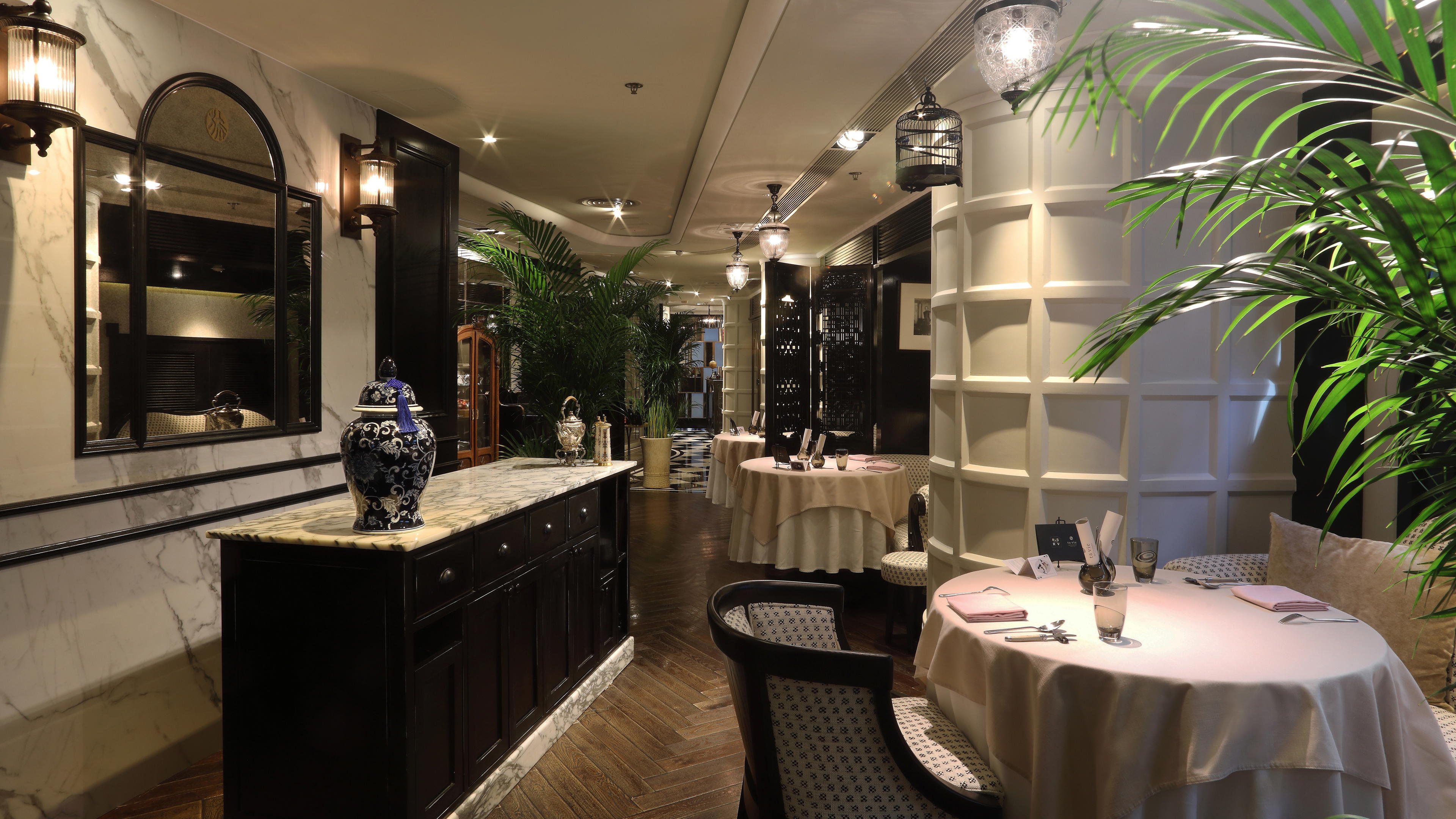
Bars in Hong Kong
Browse all →
At a Glance
- Sophisticated
- Classic
- Energetic
- Business Dinner
- Group Dining
- Celebration
- Special Occasion
- Standalone
Current opening hours
- Monday
- 12–2:30 PM, 6–10 PM
Hours can change for holidays and private events. Last verified .
Purposeful and businesslike at lunch, with a more relaxed and slightly lower-volume dinner room that feels serious but not chaotic.
Know Before You Go
- Getting there
- Shop 302, 3/F, Man Yee Building, 68 Des Voeux Road Central, Central, Hong Kong