
Michelin Plate
Our verdict
Sabah brings Malaysian cooking to Wan Chai's mid-range dining tier, holding Michelin Plate recognition in both 2024 and 2025. Tucked along Wan Chai Road, it occupies a space where Southeast Asian flavour traditions are taken seriously rather than simplified for export. For a city that rewards culinary precision at every price point, it delivers a focused argument for Malaysian cuisine on Hong Kong terms.

Pearl is the En Primeur Club membership app, where members save venues, book tables and use the concierge.
The menu
What to order
- Bak kut teh
- Beef rendang
- Seafood laksa
- Boneless Hainan chicken rice
- Fried kway teow
- Fried carrot cake
Wan Chai Road, Where Malaysian Cooking Finds Its Hong Kong Footing
Wan Chai's ground-floor shophouse strip along Wan Chai Road operates at a different register from the city's upper-tier dining tier. There are no reception desks or tasting-menu pre-briefs here. What the neighbourhood does offer is one of Hong Kong's more interesting concentrations of mid-range cooking where a single cuisine can be pursued with genuine seriousness rather than crowd-pleasing compromise. Sabah occupies that kind of slot: a Malaysian kitchen running at a price point marked $$
Malaysian Cooking in an Overseas Context
Malaysian cuisine operates differently when it travels. At home, in cities like Kuala Lumpur or Penang, the reference points are everywhere: hawker stalls calibrating laksa by district, Nyonya kitchens debating the correct balance of candlenut and lemongrass, kopitiam counters drawing queues for their particular roti canai fold. Outside Malaysia, that density of comparison disappears. Restaurants like Dewakan in Kuala Lumpur or Beta operate inside that domestic conversation. Communal Table by Gēn in George Town works within the Penang tradition directly. Sabah, by contrast, is making its case in Hong Kong, a city whose dining culture is governed by Cantonese precision and an increasingly sophisticated international tier anchored by restaurants like Amber, Caprice, and 8½ Otto e Mezzo Bombana at the higher end, or Forum for serious Cantonese cooking at volume.
In that context, the Michelin Plate, awarded for two consecutive years, functions as a meaningful marker. The Plate does not carry the weight of a star, but in the $$ tier, where Michelin inspectors apply the same scrutiny to cooking as they do at the top of the price ladder, consecutive recognition signals that the kitchen is doing something consistent and deliberate. It places Sabah in a competitive set defined not by price ceiling but by cooking quality and intent.
The Collaborative Register of a Small Malaysian Kitchen
The editorial angle assigned here calls for attention to team dynamics, which in a small Wan Chai shophouse context means something different than it does at a 60-cover tasting-menu restaurant. In compact kitchens running Southeast Asian cooking for a Hong Kong audience, the coordination between kitchen and floor is compressed. There is less distance between the person cooking and the person explaining the dish. That proximity tends to either sharpen the guest experience, the floor staff know the food because they are close to its production, or expose inconsistency when that communication breaks down.
Compare this to how Malaysian kitchens function in other overseas markets. Azalina's in San Francisco translates Penang flavours into a different urban register; Congkak in Kuala Lumpur's Bukit Bintang plays to a domestic crowd already fluent in the cuisine's grammar. Hong Kong's audience sits somewhere in between: cosmopolitan enough to recognise quality across cuisines, but without the deep familiarity that forgives shortfalls in execution. Getting consistent Plate recognition in this city requires a team that can communicate the logic of Malaysian cooking to diners who may not share the same culinary reference points.
Wan Chai as a Dining Neighbourhood
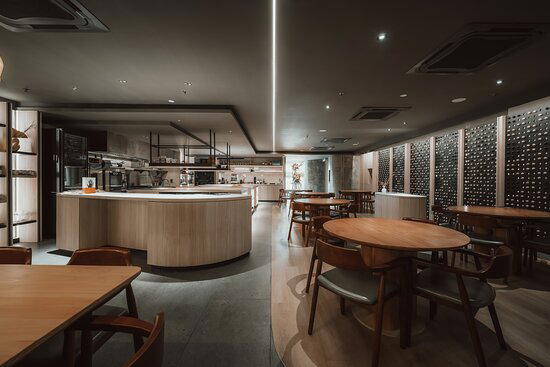
Wan Chai functions as one of Hong Kong's more layered dining districts. It is not the rarefied tower-floor territory of Central's top-end restaurants, nor the dense street-food chaos of Mong Kok. The ground-floor shophouse format along Wan Chai Road creates the kind of accessible, no-ceremony dining that has historically sustained neighbourhood specialists, the kind of room where the food is allowed to carry the experience without architectural theatre. For a Malaysian kitchen at the $$ price point, this setting is structurally correct. The cuisine works well when the room does not compete with it.
Within Hong Kong's broader dining map, Wan Chai holds a particular relevance for Southeast Asian cooking. The district's demographic mix and relatively lower rents (by Central standards) have made it hospitable to regional Asian kitchens that do not need or want the overhead of a hotel dining room. Sabah's address at 177-179 Wan Chai Road places it on the street-facing shophouse strip, exactly where this kind of cooking tends to take root and persist.
For context on what Hong Kong's wider dining options look like across price tiers and cuisine categories, the EP Club Hong Kong restaurants guide maps the full range. Those looking to extend their time in the city can also consult the Hong Kong hotels guide, the bars guide, the wineries guide, and the experiences guide.
Malaysian Cuisine's Diaspora Restaurants
The broader category of Malaysian restaurants outside Malaysia is worth framing. The cuisine spans significant internal variation, Malay, Chinese-Malaysian, Indian-Malaysian, Nyonya, and the distinct coastal traditions of Sabah and Sarawak in East Malaysia. When a restaurant takes its name from a specific Malaysian state (as this one does), it signals an intention to represent a particular regional tradition rather than a generalised national menu. East Malaysian cooking from Sabah differs from the Peninsula traditions most commonly encountered abroad: different proteins, different spice profiles, influence from Borneo's interior and coastal communities. That regional specificity, if reflected in the menu, positions the kitchen in a narrower and more demanding niche than a general Malaysian restaurant. Ah Hei Bak Kut Teh and Anak Baba in Kuala Lumpur each represent distinct sub-traditions within Malaysian cooking; Bee See Heong in Seberang Perai operates in the Penang mainland register. Sabah, in Hong Kong, is making a different argument. The two consecutive Michelin Plates suggest that argument is landing.
For serious engagement with Malaysian cuisine across the wider region, Ta Vie represents what happens when Japanese-French precision meets Hong Kong's multicultural dining scene, a useful point of contrast for understanding how regional cuisine traditions translate when taken seriously in an overseas market.
Planning Your Visit
Address: 177-179 Wan Chai Road, Shop 1, Wan Chai, Hong Kong. Cuisine: Malaysian. Price range: $$ (mid-range). Awards: Michelin Plate 2024 and 2025. Reservations: Dress code: Not formally specified; Wan Chai shophouse format suggests casual to smart-casual. Hours:
What Do Regulars Order at Sabah?
What the record does confirm is consecutive Michelin Plate recognition in 2024 and 2025 In the context of a Malaysian restaurant named after East Malaysia's largest state, the kitchen's focus is likely to reflect a specific regional tradition rather than a survey of the entire national cuisine. The most reliable approach is to ask the floor team directly what is running well on the day; in a small, team-operated room, that question typically gets an honest answer.
Cuisine and Recognition
A quick peer check to anchor this venue’s price and recognition.
| Venue | Cuisine | Price | Awards | Notes |
|---|---|---|---|---|
| SabahThis venue (the venue you are viewing) | Traditional Malaysian Cuisine | $20–30 | Michelin Plate | Not listed |
| 8 1/2 Otto e Mezzo Bombana (Hong Kong) | 3 Michelin-Star Italian Fine Dining | $200–300 | 3 Michelin Stars · World's 50 Best #94 | Italian |
| Ta Vie | Modern French-Japanese Fine Dining | $300–500 | 3 Michelin Stars · World's 50 Best #68 | Japanese - French, Innovative |
| Caprice | Contemporary French Fine Dining | $200–300 | 3 Michelin Stars · World's 50 Best #35 | French, French Contemporary |
| Feuille | Modern Vegetable-Forward French | $200–300 | 1 Michelin Star · World's 50 Best #93 | French Contemporary |
| Neighborhood | Modern French with Asian Influences | $50–100 | 1 Michelin Star · World's 50 Best #24 | International, European Contemporary |
Recognition history
Dated appearances from independent guides and award organizations, with the underlying list record or original source where available.
Michelin Plate
Michelin
Full recognition history (2 entries)
Michelin Plate
Michelin
Continue exploring
More in Hong Kong
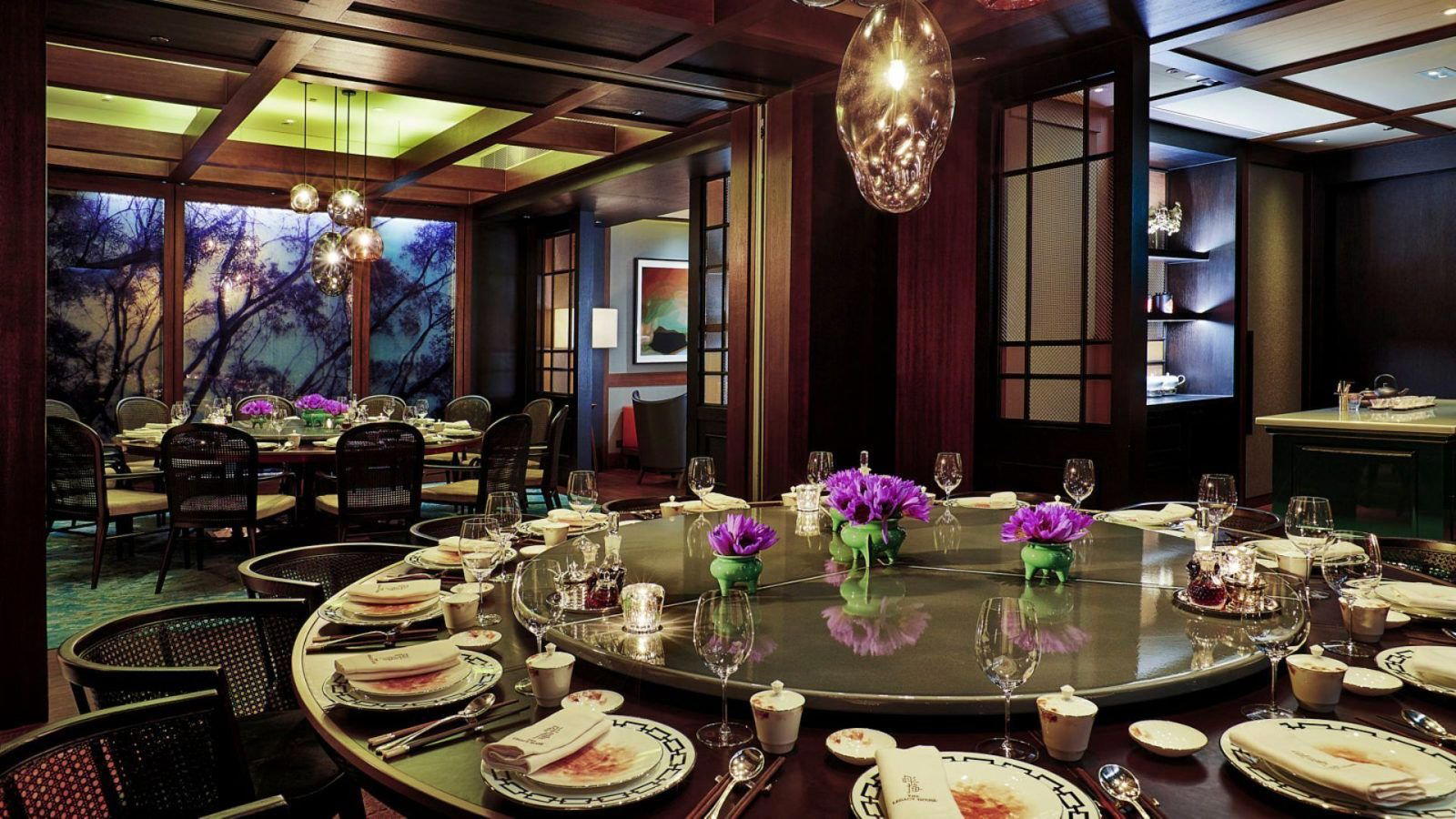
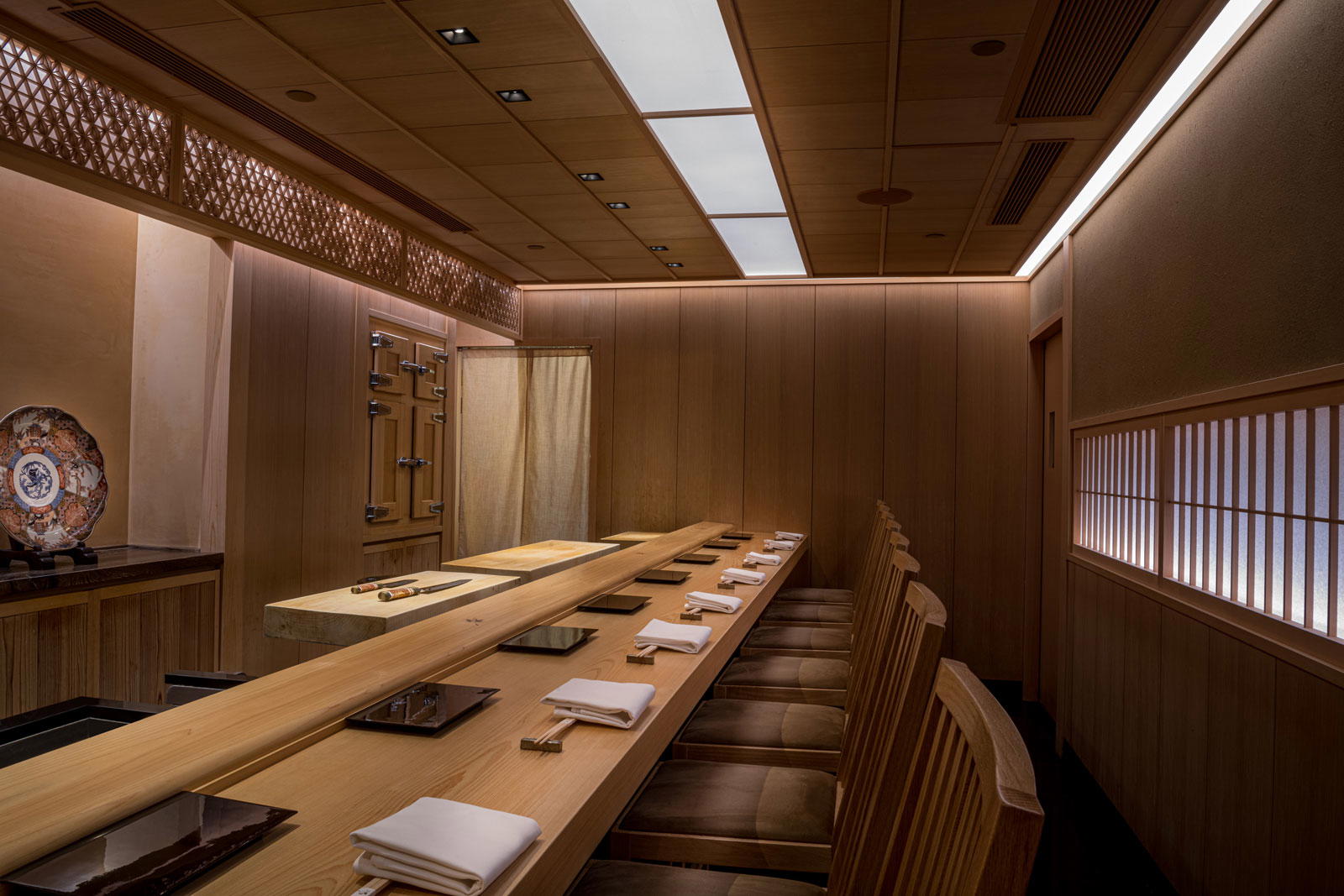
Restaurants in Hong Kong
All restaurants in Hong Kong →
Bars in Hong Kong
All bars in Hong Kong →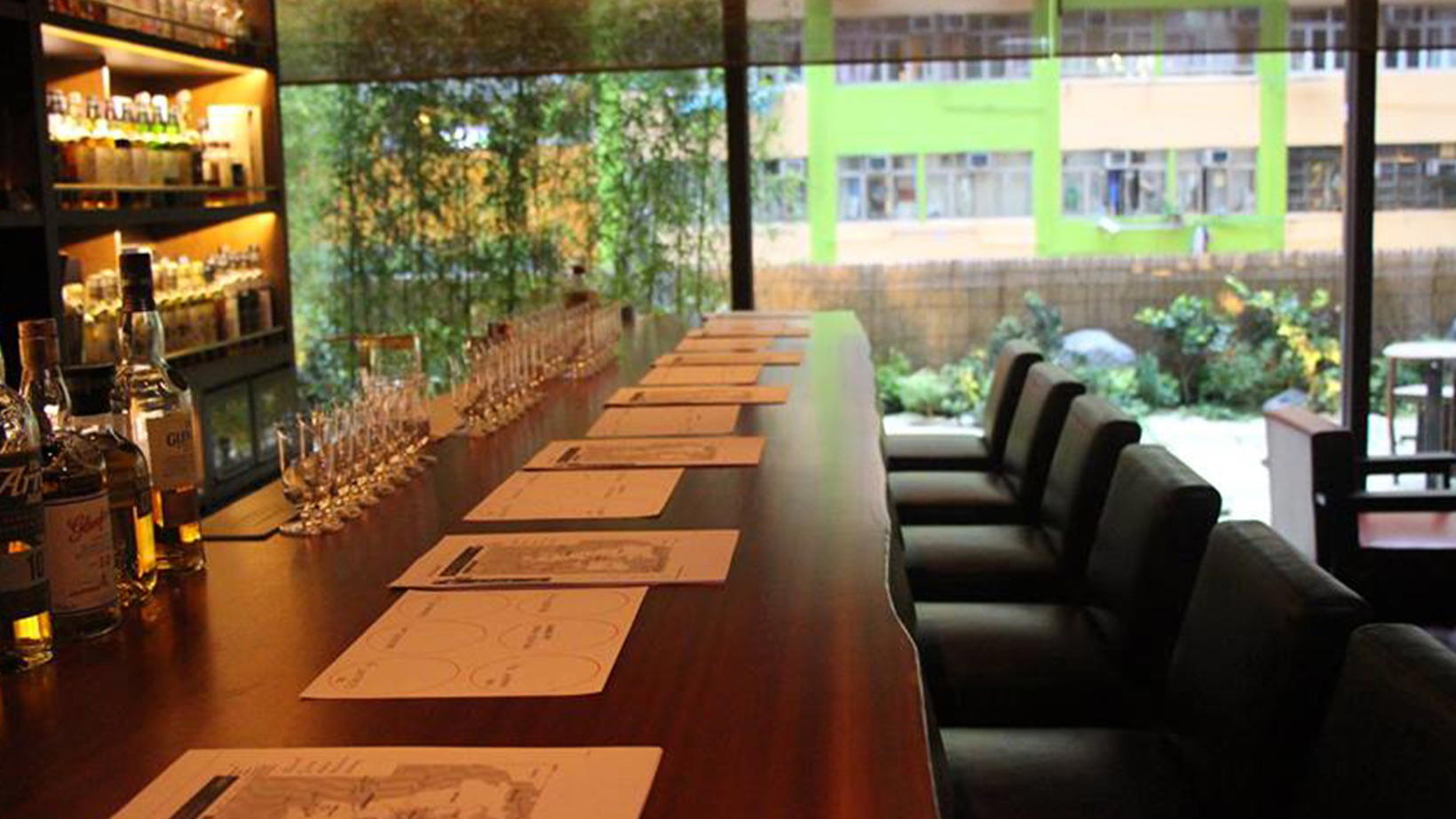
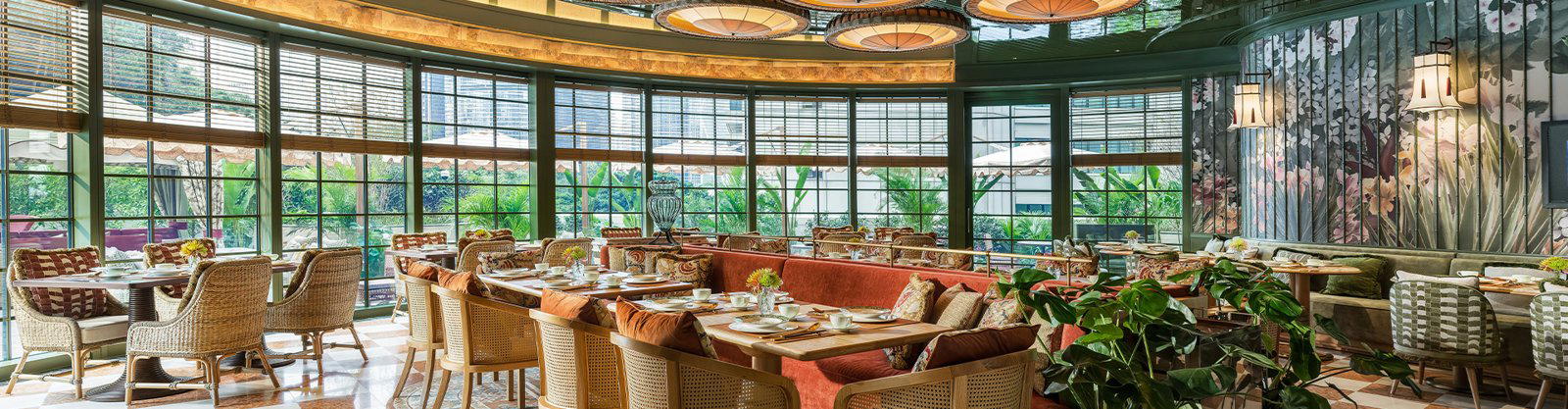
Hotels in Hong Kong
All hotels in Hong Kong →
Wineries in Hong Kong
All wineries in Hong Kong →
Details
- Classic
- Casual Hangout
- Group Dining
- Standalone
- A La Carte
- Family Style
- Gluten Free Options
- Allergy Accommodating
Current opening hours
- Monday
- 11 a.m.–8:30 p.m.
- Tuesday
- 11 a.m.–8:30 p.m.
- Wednesday
- 11 a.m.–8:30 p.m.
- Thursday
- 11 a.m.–8:30 p.m.
- Friday
- 11 a.m.–8:30 p.m.
- Saturday
- 11 a.m.–8:30 p.m.
- Sunday
- 11 a.m.–8:30 p.m.
Hours can change for holidays and private events. Hours as of .
Simple, clean interior with minimal design; casual neighborhood dining atmosphere.