Michelin Plate
Our verdict
Chef Fung's three-treasure claypot rice and tea-scented crispy-skin chicken are the dishes that define the kitchen's identity.

Pearl is the En Primeur Club membership app, where members save venues, book tables and use the concierge.
The menu
What to order
- Three-treasure claypot rice
- Tea-scented crispy-skin chicken
- Golden Crispy Fish Skin
That framing matters because it shapes everything about how the kitchen thinks. The stall-culture reference is structural: it governs portion logic, pricing posture, and the split between a lean daytime format and a more expansive evening operation.
How the Menu Is Built
The clearest way to read Lai's Kitchen is through its menu architecture, which operates on a strict two-register logic. Lunch is narrow and purposeful: steamed rice and noodles, the kind of budget-anchored staples that sustained the city's working population for generations. There is no performance in this, and that absence of performance is itself a curatorial decision. The midday format asks nothing of the diner beyond showing up and eating well within modest means.
The evening menu shifts register entirely. It expands to cover Cantonese stir-fries and claypot rice dishes, both cooked to order, a logistical commitment that separates this kitchen from places that pre-cook and hold. The claypot rice format, in particular, rewards patience: individual portions require time over flame, and the crust that forms at the base of the pot is part of what you're waiting for. Across Hong Kong's Cantonese dining tier, claypot rice sits in an interesting position, treated as comfort food at the lower end of the price spectrum, but capable of serious technique when the sourcing and execution align.
Chef Fung's three-treasure claypot rice with pork sausage, goose liver sausage, and salted pork belly is the dish that defines the kitchen's identity. The combination follows a preserved-meat logic that is deeply Cantonese in structure: layered fat, salt, and smoke interacting with rice and heat. The goose liver sausage in particular places this version in specific local culinary vocabulary, it is the kind of ingredient that speaks to a kitchen paying attention to source. The tea-scented crispy-skin chicken, noted in the same breath, belongs to a distinct technical tradition: the aromatic smoke-infusing method that differentiates this preparation from standard Cantonese roast bird. Both dishes appear on the evening menu, and both give the kitchen its clearest editorial point of difference.
Wan Chai as Context
Wan Chai carries a layered dining identity. At the leading end, the neighbourhood sits close enough to Central and Admiralty that it draws from the same expense-account and hotel-dining infrastructure that supports restaurants like Caprice, Amber (French Contemporary), and Ta Vie (Japanese - French, Innovative). At the other end, the district has historically maintained a denser, more functional food culture: roast-meat shops, cha chaan tengs, and the kind of rice-plate counters that exist to feed people rather than impress them.
Lai's Kitchen occupies the latter register without apology. In a city where Cantonese fine dining is represented by long-established addresses like Forum, and where international prestige kitchens such as 8 1/2 Otto e Mezzo Bombana anchor the luxury tier, the dai pai dong revival occupies a different but equally specific position in the city's dining ecology.
Hong Kong's food culture has always run on this kind of parallel architecture: grand banquet houses and corner noodle shops operating simultaneously, each with its own logic and loyal constituency. Lai's Kitchen reads clearly within that structure. The lunch format suits a midday visit if you want the stripped-back rice-and-noodle experience; the evening is the right session for claypot rice and stir-fries, and the cooked-to-order format means dinner runs at a different pace than lunch. Budget accordingly for both the time and the expectation: this is not a quick-turnaround dinner.
For broader planning, EP Club's full Hong Kong restaurants guide covers the city's full dining range, from Le Salon de Thé de Joël Robuchon Hong Kong (ifc mall) in Central to neighbourhood-level Cantonese. The Hong Kong hotels guide, bars guide, wineries guide, and experiences guide complete the city picture. For comparison with how other serious kitchens build their menus around a single clear structural logic, whether through long-tasting format like Alinea in Chicago, ingredient-led precision like Aponiente in El Puerto de Santa María, or classical French authority like Alléno Paris au Pavillon Ledoyen, Lai's Kitchen represents the opposite end of the format spectrum: clarity achieved through reduction rather than elaboration.
Frequently asked questions
Would Lai's Kitchen be comfortable with kids?
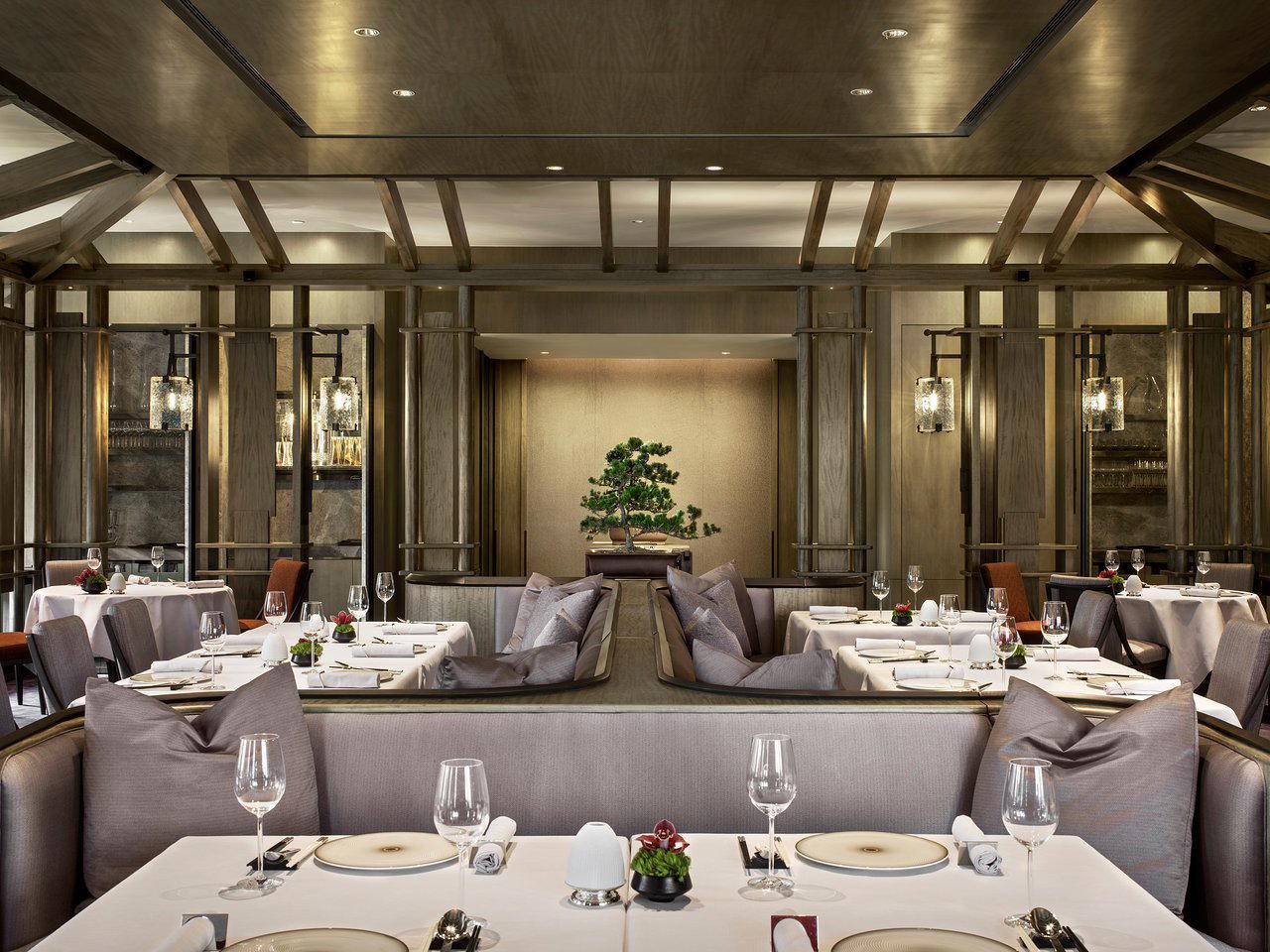
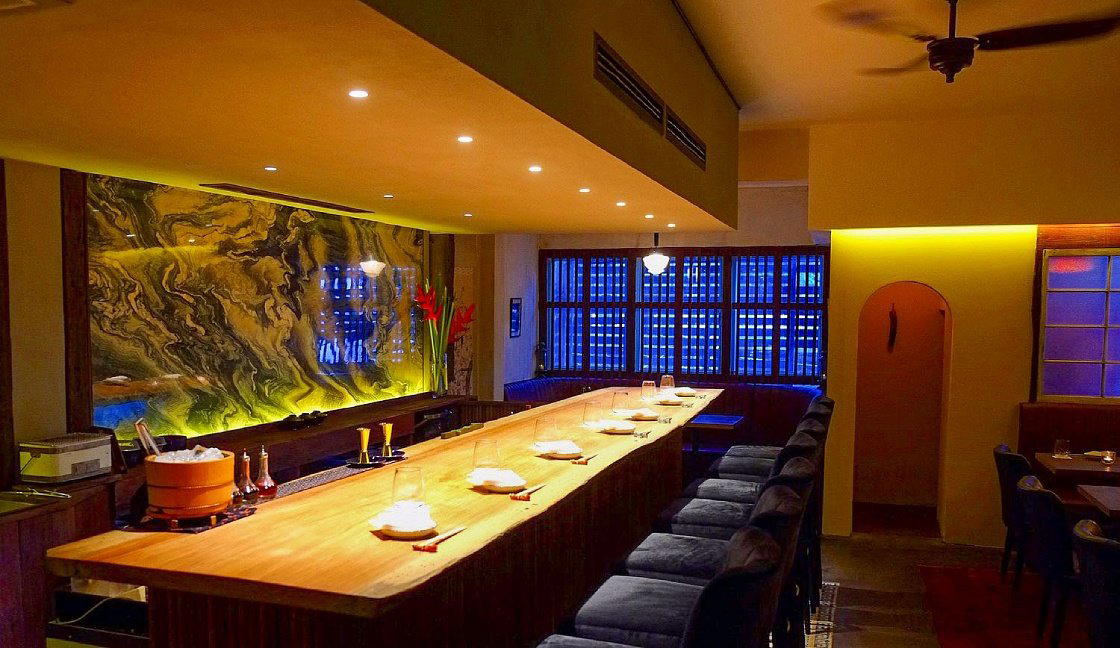
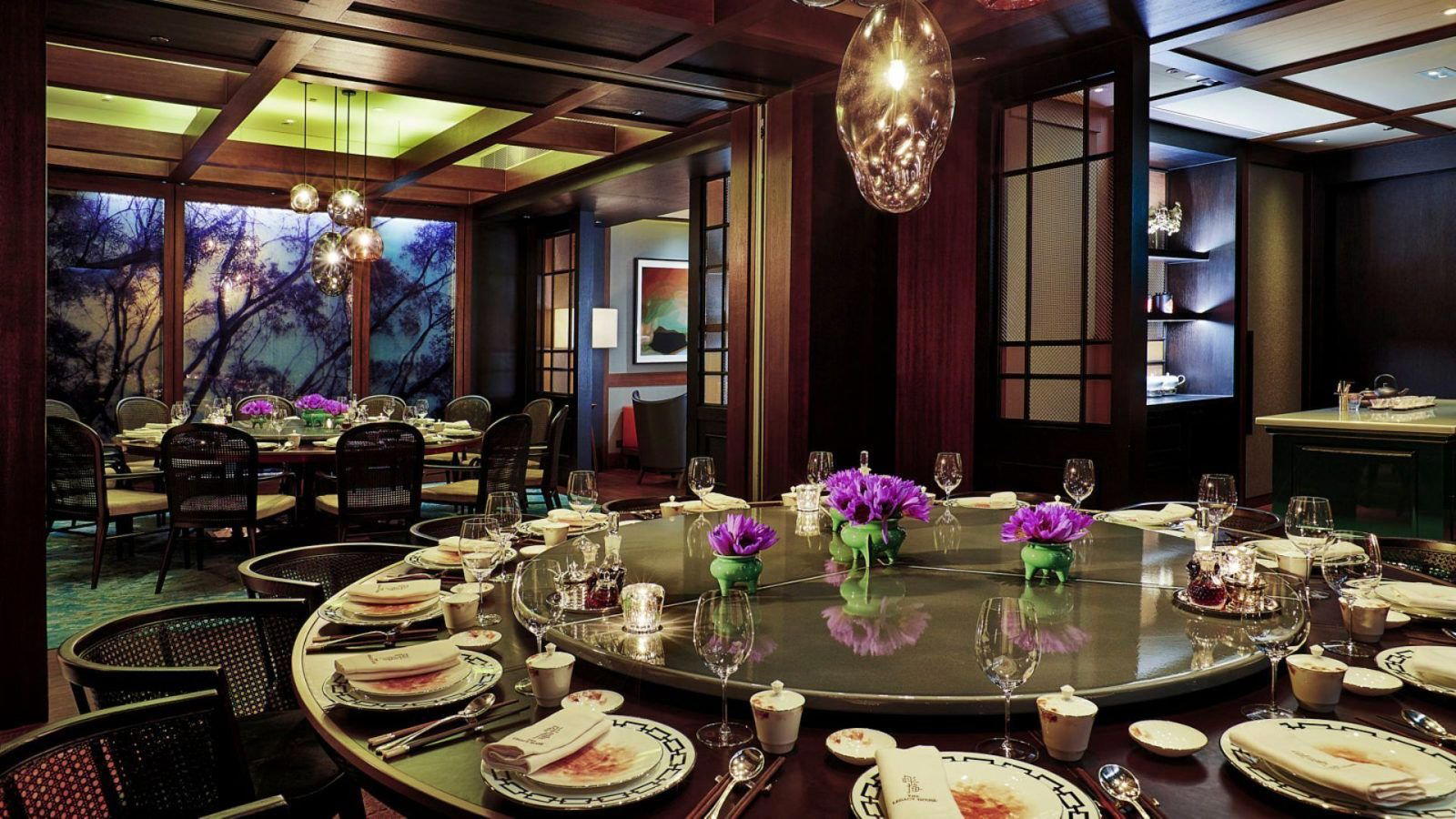
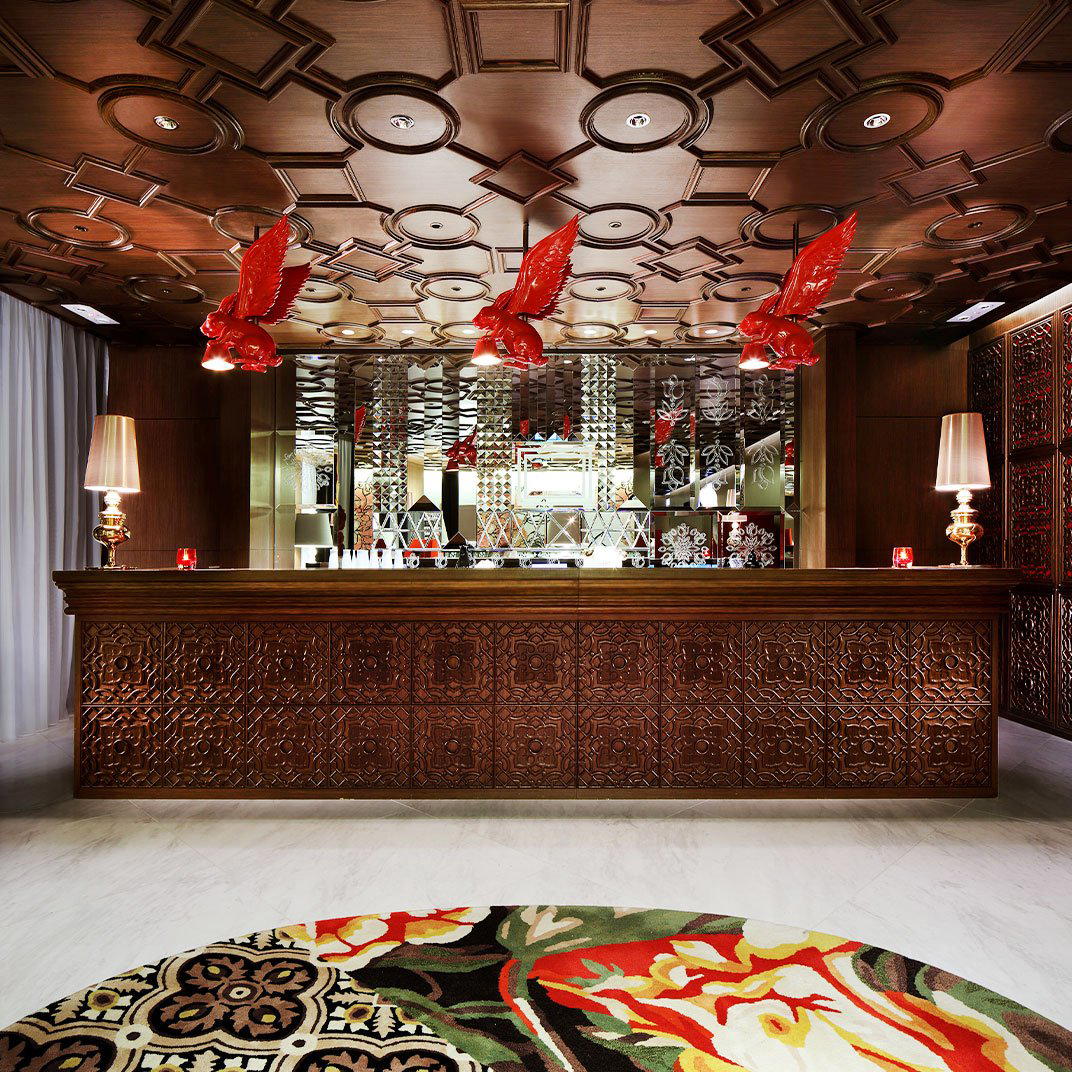
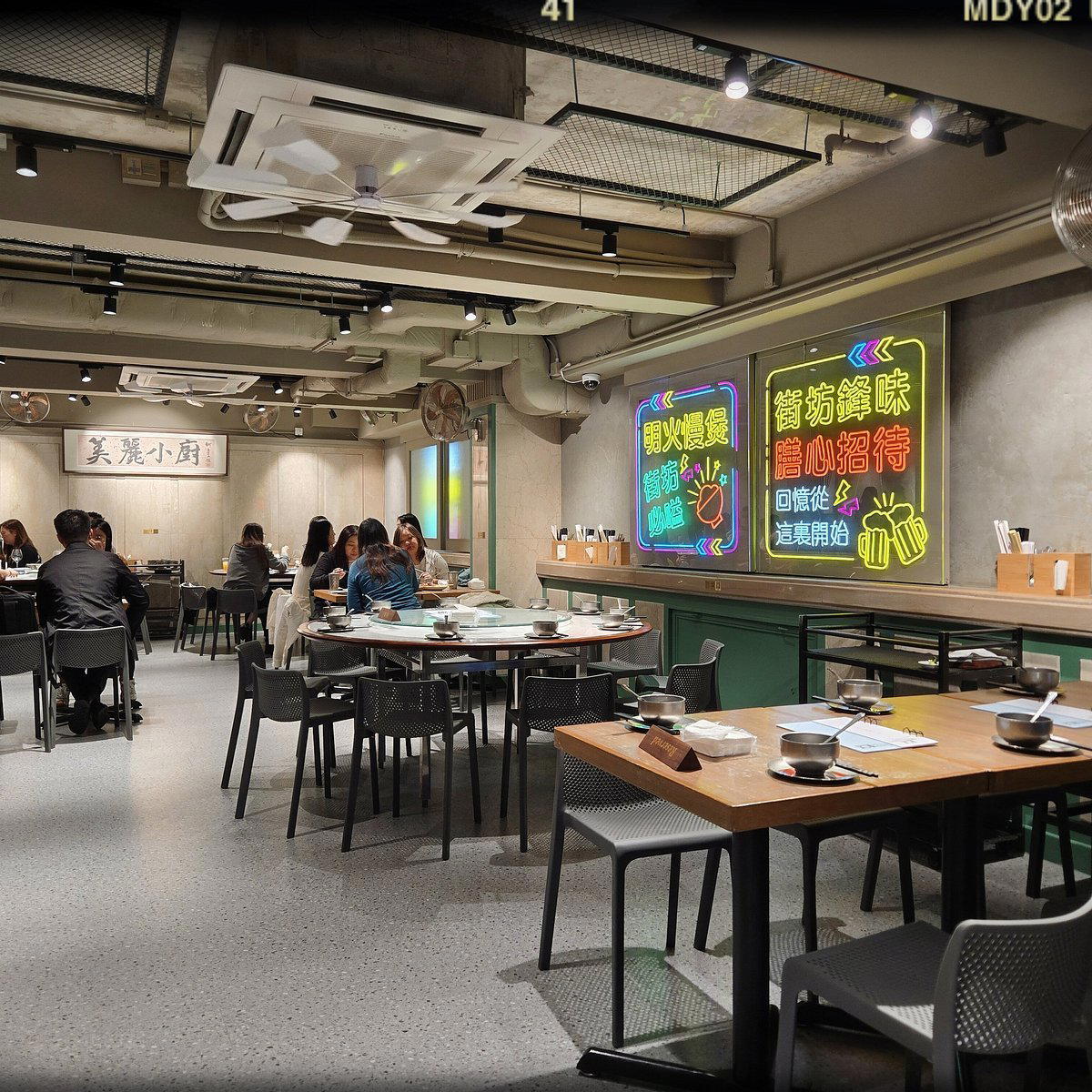
The dai pai dong format, close-set tables, neon signage, and a casual street-food atmosphere, makes Lai's Kitchen a relaxed environment with no dress code pressure. Lunch staples like steamed rice and noodles are straightforward crowd-pleasers. The first-floor walk-up location on Thomson Road is worth noting for families with strollers.
Is Lai's Kitchen better for a quiet night or a lively one?
The room is built around the energy of Hong Kong's dai pai dong tradition: tight tables, neon, and the noise of a working kitchen. This is not the place for a hushed dinner conversation. Come for the atmosphere as much as for the claypot rice.
Has Lai's Kitchen won any awards?
Lai's Kitchen has received recognition including: With neon signs and a street food stall vibe, the room is a tribute to Hong Kong's dai pai dong culture. Lunch revolves around budget-friendly staples like steamed rice and noodles; the more extensive dinner menu covers various Cantonese st….
What's the signature dish at Lai's Kitchen?
Chef Fung's three-treasure claypot rice is the dish most associated with the kitchen, pork sausage, goose liver sausage, and salted pork belly, cooked to order. The tea-scented crispy-skin chicken is the other dish regularly singled out. Both appear on the more extensive dinner menu.
Where is Lai's Kitchen located?
Lai's Kitchen is located at 1F, Harvard Commercial Building, 105-111 Thomson Road, Wan Chai, Hong Kong.
Do they take walk-ins at Lai's Kitchen?
No booking information is listed for Lai's Kitchen, which is consistent with the dai pai dong style the venue deliberately evokes. For a first visit, arriving early for dinner gives you the best chance of a seat, the format is designed for turnover, not lingering reservations.
What's the signature at Lai's Kitchen?
The three-treasure claypot rice, combining pork sausage, goose liver sausage, and salted pork belly, is Chef Fung's calling card and the dish that anchors the dinner menu. Claypot rice at this level is cooked to order, so expect a wait, that's by design, not delay.
Recognition Snapshot
Comparable venues nearby, for context on price, style, and recognition.
| Venue | Cuisine | Price | Awards | Notes |
|---|---|---|---|---|
| Lai's KitchenThis venue (the venue you are viewing) | Cantonese Dai Pai Dong | $20–30 | Michelin Plate | Not listed |
| Man Yuen | Refined Cantonese | Not listed | Michelin Bib Gourmand | Yau Tsim Mong North |
| Yum Cha | Modern Cantonese Dim Sum | Not listed | Not listed | Central |
| Hop Sze | Traditional Cantonese Private Kitchen | $50–100 | Not listed | Wan Chai |
| Yuè (Gold Coast) | Cantonese | $50–100 | Michelin Plate | Tuen Mun East |
| Little Bao | Modern Bao Fusion | $20–30 | Not listed | Central |
Recognition history
Dated appearances from independent guides and award organizations, with the underlying list record or original source where available.
Michelin Plate
Michelin · 2026 Michelin Plate
Full recognition history (2 entries)
Michelin Bib Gourmand
Michelin