Si Versailles
Our verdict
Positioned on Knokke-Heist's Zeedijk promenade in Het Zoute, Si Versailles operates within a Belgian coastal dining scene where local seafood and classic French technique converge. The address places it inside one of Belgium's most affluent seaside quarters, where the dining standard skews formal and the ingredient sourcing leans heavily on the North Sea. A reference point for the intersection of French classical tradition and Belgian coastal produce.

Pearl is the En Primeur Club membership app — saves, bookings, and concierge access live there. Same editors, same standards.
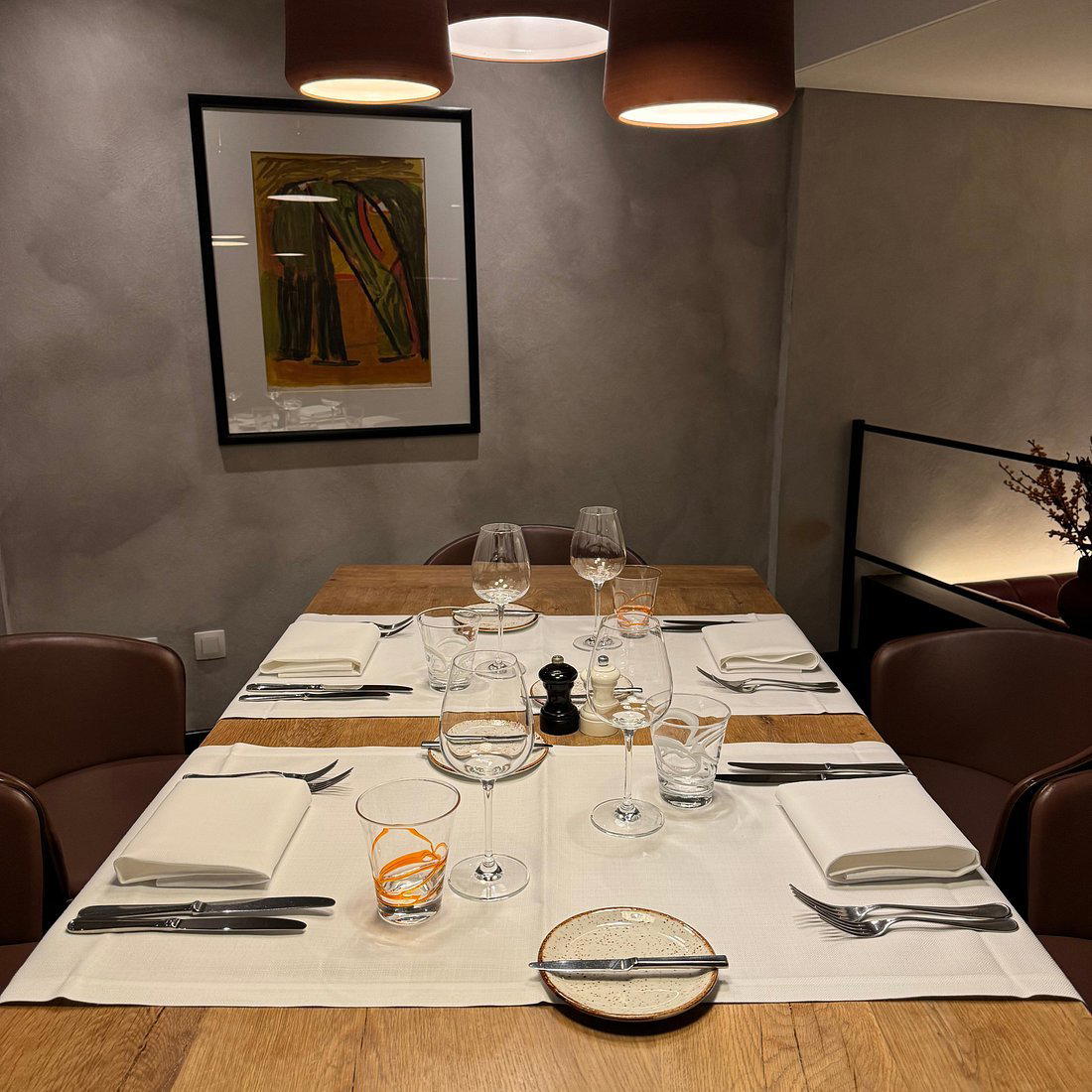
The Zeedijk Setting and What It Signals
Het Zoute is the quieter, more monied end of Knokke-Heist, where the Zeedijk promenade runs along a stretch of coast that draws a different visitor than the broader Belgian seaside resort circuit. Restaurants here do not compete on volume or casual accessibility. They compete on refinement, on the quality of the plate, and on how well they translate the North Sea's raw material into something that justifies the address. Si Versailles, at Zeedijk-Het Zoute 795, sits directly within that competitive register. The name alone sets an expectation: a deliberate nod to French classical grandeur, planted on a Belgian coastline where the raw ingredients are anything but Gallic in origin.
That tension — between the formal European tradition the name invokes and the hyper-local coastal produce that Belgian geography makes available — is the editorial story of a restaurant like this. It belongs to a broader pattern visible across West Flanders dining, where kitchens have learned to treat North Sea shellfish, flatfish, and estuary vegetables with the same structural seriousness that French haute cuisine brought to its own regional terroir. The technique is imported. The ingredients are emphatically local.
Belgian Coastal Dining and the French Classical Inheritance
To understand where Si Versailles sits in the regional hierarchy, it helps to understand how the Belgian coastal dining scene has developed. The North Sea coast from De Panne to Knokke has historically produced technically accomplished kitchens that draw on French classical foundations, a natural inheritance given Belgium's linguistic and cultural proximity to France, while grounding their sourcing in the shallow, cold waters off the Flemish coast. That combination has produced some of Belgium's most respected tables. Bartholomeus in Heist, operating just along the coast, represents one end of that tradition: a kitchen that has built its reputation on rigorous classical technique applied to ingredients pulled almost entirely from local waters.
The inland extension of this tradition is equally instructive. Willem Hiele in Oudenburg has pushed the local-ingredients conversation further, working with fermentation and foraging alongside traditional coastal sourcing. Further into Belgium's fine-dining geography, kitchens like Boury in Roeselare and Hof van Cleve in Kruishoutem have demonstrated what disciplined classical training applied to Belgian produce looks like at the country's highest level. Si Versailles participates in that broader conversation from its position on the Zeedijk, where the promenade audience expects formality and where the supply chain for premium coastal seafood is as short as anywhere in northern Europe.
The Intersection of Method and Material
The editorial angle of local-ingredients-meets-global-technique is not a marketing construct in coastal Flanders, it is a practical reality. The North Sea delivers sole, turbot, langoustines, razor clams, and grey shrimp in a quality and freshness that coastal kitchens elsewhere in Europe struggle to match. What distinguishes the better kitchens along this stretch is not access to those ingredients, which is broadly shared, but the structural intelligence applied to them: classical sauce-making, precision temperature control, and the kind of mise en place discipline that French training instilled across a generation of Belgian chefs.
This is the lens through which a restaurant named Si Versailles should be read. The reference to Versailles is not decorative nostalgia. It signals an orientation toward classical French method as the governing framework, applied to a raw material that is thoroughly Belgian. That positioning places the kitchen in conversation with restaurants like Zilte in Antwerp, which has built its reputation on exactly that intersection, or Bozar Restaurant in Brussels, where technique and local sourcing operate at a comparably formal register. The geography differs; the culinary logic is related.
The Knokke-Heist Dining Scene: Where Si Versailles Fits
Knokke-Heist's restaurant offering is denser and more varied than its resort-town designation might suggest. The town draws a wealthy Belgian and international clientele that spends more per cover than the national average, and the dining scene has calibrated accordingly. Within that local context, Si Versailles occupies the Het Zoute end of the market, the stretch associated with premium addresses and a clientele that arrives with established dining expectations.
The town's other notable tables cover a range of registers. Alexandra and bablut. represent the kind of contemporary Flemish cooking that has become the default language of ambitious Belgian restaurants in the last decade. Café de Paris occupies a more brasserie-adjacent position. Caillou operates at a different scale. Bel-Etage holds its own position in the premium tier. Si Versailles, with its classically inflected name and Zeedijk address, positions itself toward the formal end of that spectrum, where the expectation on arrival is one of considered cooking rather than casual pleasure. For a comprehensive view of where these restaurants sit relative to one another, the full Knokke-Heist restaurants guide maps the scene in detail.
Planning Your Visit
The Zeedijk in Het Zoute is most animated from late spring through early autumn, when the coastal season draws Knokke-Heist's core audience back to the promenade. A summer evening visit places Si Versailles in its natural context: the promenade light, the proximity to the water, and an audience that treats dining here as part of a longer seasonal ritual rather than a destination meal. That seasonal logic shapes when to go. For broader reference on comparable kitchens operating at the formal end of Belgium's dining register, from L'air du temps in Liernu and De Jonkman in Sint-Kruis to Castor in Beveren and d'Eugénie à Emilie in Baudour, the EP Club's Belgian coverage provides the comparative frame. Internationally, the model of coastal fine dining built on classical technique and premium local seafood has clear reference points at Le Bernardin in New York City, where French classical structure governs Atlantic seafood, and in the precision-driven contemporary approach of Atomix in New York City, which demonstrates what happens when imported method meets hyper-specific local sourcing at the highest level of technical ambition.
Frequently asked questions
What's the address for Si Versailles?
Si Versailles is located at Zeedijk-Het Zoute 795, 8300 Knokke-Heist, Belgium, Knokke Heist.
Is Si Versailles a good option for a special occasion dinner in Knokke-Heist?
The Het Zoute address on Zeedijk — Knokke-Heist's most prestigious coastal promenade — sets an appropriate register for occasion dining. The French classical frame that defines the kitchen's approach aligns with what the town's core audience, drawn from wealthy Belgian families and international visitors, tends to seek out for formal meals.
What's the must-try dish at Si Versailles?
Given Si Versailles' position on the Zeedijk in Het Zoute — a stretch of coast where locally sourced seafood anchors most serious menus — preparations built around North Sea fish are the most defensible order of interest. Ask the front-of-house staff directly on the day for what the kitchen is prioritising.
Do they take walk-ins at Si Versailles?
The Knokke-Heist coastal season runs hard from late spring through early autumn, when the town's wealthier visitor base returns and demand across the Zeedijk tightens noticeably. Arriving without a reservation during peak summer weekends carries real risk; contacting the venue directly before visiting is the only way to confirm availability.
What's Si Versailles best at?
Si Versailles occupies a specific niche within the Knokke-Heist dining scene: a classically framed approach to coastal ingredients on the most prominent promenade address in Het Zoute, the quieter and more affluent end of the resort. The Zeedijk location places it in direct comparison with a dense cluster of restaurants drawing a wealthy Belgian and international clientele. Where it separates itself is in the coherence of its reference point — French classical method applied to North Sea material, rather than the broader fusion approaches common elsewhere in the town.
Peers Worth Knowing
Comparable venues nearby, for context on price, style, and recognition.
| Venue | Cuisine | Price | Awards | Notes |
|---|---|---|---|---|
| Si VersaillesThis venue — the venue you are viewing | Traditional French-Belgian Seafood | Not listed | Not listed | Not listed |
| Alexandra | Modern Mediterranean | $50–100 | Not listed | Knokke |
| Pasta & Vino | Italian Pasta & Wine | Not listed | Not listed | Knokke |
| Carcasse | Contemporary Dry-Aged Steakhouse | Not listed | Michelin Plate | Knokke |
| Escabeche | Creative French with Mediterranean & Japanese Influences | Not listed | Michelin Plate · We're Smart World 2 Radishes | Zoute |
| Le P'tit Bedon | French-Belgian Coastal Grill | $50–100 | Not listed | Zeedijk, Knokke-Heist |
Continue exploring
More in Knokke Heist
Restaurants in Knokke Heist
All restaurants in Knokke Heist →
Bars in Knokke Heist
Browse all →
Details
- Elegant
- Sophisticated
- Classic
- Date Night
- Special Occasion
- Business Dinner
- Waterfront
- Terrace
- Waterfront
- A La Carte
Current opening hours
- Monday
- 12–9 PM
- Tuesday
- Closed
- Wednesday
- Closed
- Thursday
- 12–9 PM
- Friday
- 12–9 PM
- Saturday
- 12–9 PM
- Sunday
- 12–9 PM
Hours can change for holidays and private events. Last verified .
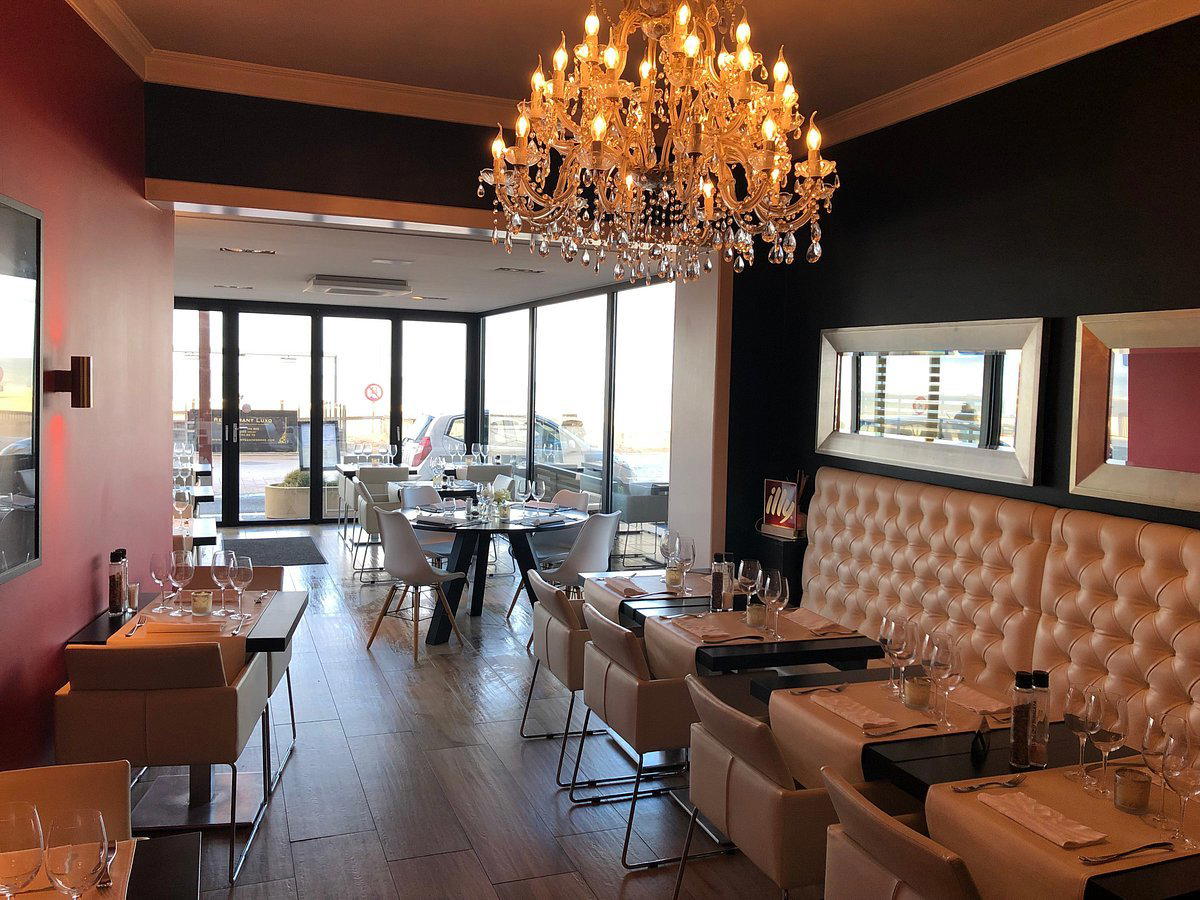
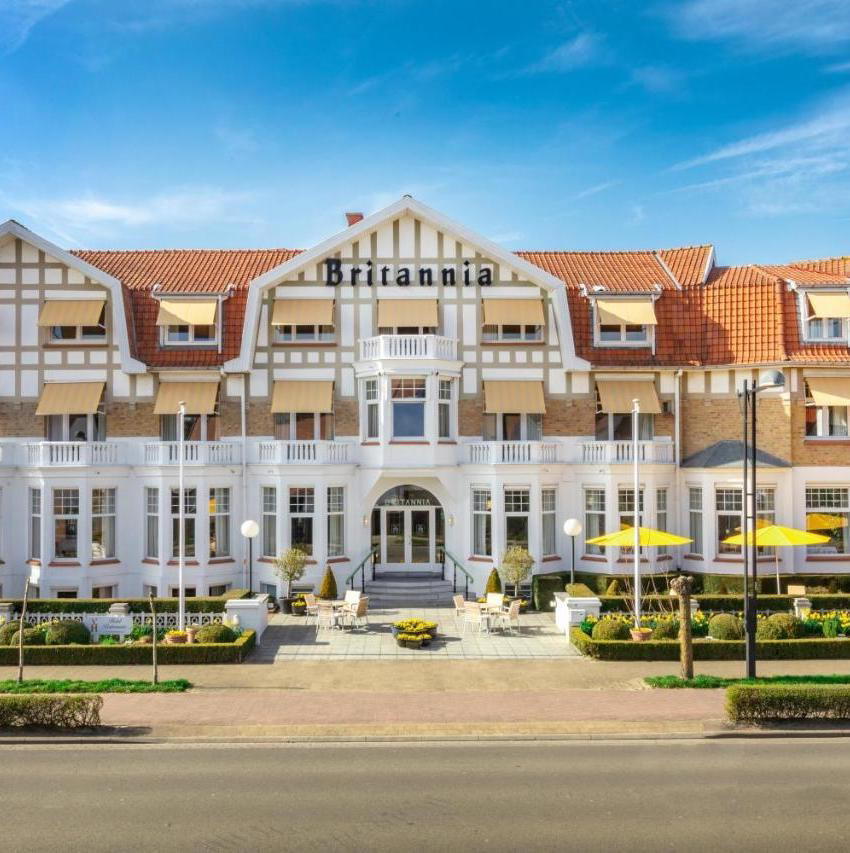
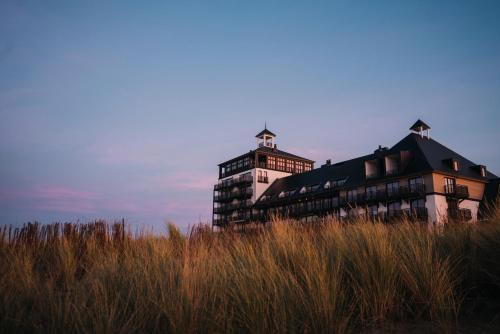
Classic and elegant seaside atmosphere with beautiful sea views from the terrace.