
Tabelog 100 #26
Our verdict
Shokudo New Misa belongs to Joetsu’s practical, ingredient-led diner culture rather than the luxury tasting-menu circuit. Its Tabelog 100 - Diner - 2026 selection, cafeteria-and-ramen identity, 80-seat scale, and low daytime pricing make it a useful read on how regional Japan treats everyday food with serious local loyalty.

Pearl is the En Primeur Club membership app — saves, bookings, and concierge access live there. Same editors, same standards.
- Address
- 367 Nakagoku Inariyama, Joetsu, Niigata 949-2315, Japan
- Phone
- +81 255-74-2096
- Hours
- Mon 9 AM–4 PMTue ClosedWed–Sun 9 AM–4 PM
- Website
- tabelog.com
- Directions
- Get directions
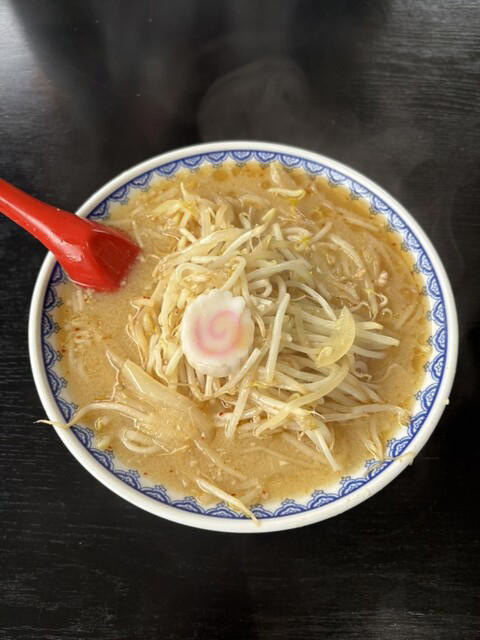
The menu
What to order
- Garlic miso ramen
- Miso ramen and half fried rice set
- Pork soup ramen
A regional Japanese shokudo is rarely theatrical. The signal is plainer: an everyday restaurant setting, a practical room, and menu language close to workday appetite. In Joetsu, that matters. Casual restaurants here can carry a different weight from urban counters built around queues and polish. Shokudo New Misa fits that grammar: cafeteria, ramen, and a dining rhythm best understood through local usefulness rather than destination spectacle.
That does not make it minor. Tabelog’s Hyakumeiten recognition in 2026 places the restaurant in a wider conversation about shokudo cooking, a category often undervalued by travellers chasing sushi counters, kaiseki rooms, or tightly branded ramen bowls. The sharper reading is that a low-cost Joetsu diner can sit beside higher-profile formats because shokudo tradition rewards consistency, value, and familiarity. The room does not perform luxury. It is built for the daily meal: quick enough for routine use, substantial enough for repeat visits, and informal enough for an easy local stop.
Joetsu's shokudo tradition is about local appetite, not tasting-menu theatre
Regional context is this restaurant type’s quiet engine. A shokudo is judged less by novelty than by whether familiar dishes deliver comfort, portion, and value without fuss. That distinction matters for travellers. In larger cities, casual dining often competes through specialization: one ramen style, a defined curry grammar, a tightly edited counter. In Joetsu, the cafeteria tradition leaves more room for the everyday table.
The listed categories, cafeteria and ramen, point to that regional logic. Ramen should be read as part of a diner repertoire, not an isolated cult object; cafeteria signals breadth and accessibility. The overall register is ordinary rather than ceremonial: a casual meal, not sommelier pairing or cocktail theatre. For mapping Joetsu, that is useful. Menya Agosuke sits closer to the dedicated ramen lane, while Gangitei works as a different point of local comparison. Shokudo New Misa occupies the middle of local life: informal, useful, and recognized for diner cooking rather than chef-driven theatre.
The award signal should be read carefully. Tabelog Hyakumeiten lists are not international fine-dining awards, and that is the point. In the diner category, recognition validates different virtues: local frequency, food that travels poorly as hype but works in context, and formats locals can use repeatedly. For a premium traveller, the value is not exclusivity but calibration. A meal here explains what Joetsu considers dependable, affordable, and worth returning to.
A practical room changes the way the meal works
Format shapes atmosphere. A shokudo behaves differently from an eight-seat counter or reservation-only omakase room. The pace is broader, the audience more mixed, and the experience less fragile. That scale of expectation fits a restaurant known through cafeteria and ramen categories rather than a single luxury script. It also resets expectations: not a hushed room where every course is narrated, but a regional diner measured by whether the kitchen can serve familiar food without losing identity.
For Joetsu itineraries, that makes the restaurant more useful than a narrow destination slot. It can anchor a simple food stop, especially for travellers moving through Joetsu and wanting a meal that reads as local rather than staged. The practical character is part of the editorial point. Regional Japanese dining often depends on access, everyday demand, and repeatable habits rather than late-night grazing or ceremony. Those details shape the meal as much as the dish category.
Practical planning should stay flexible. The confirmed budget sits in the JPY 1,000 - JPY 1,999 range, which is central to the appeal: this is not a premium room asking to be judged by fine-dining cues. It is a recognized local diner with a Tabelog score of 3.68, where the strength is the format itself. Treat it accordingly and the experience reads correctly.
How to place it in a Joetsu food day
Joetsu rewards diners who think in categories rather than trophies. Use the restaurant map as contrasts: ramen specialization, shokudo cooking, higher-spend local dining, and simple regional meals. Our full Joetsu restaurants guide is the natural starting point, while our full Joetsu hotels guide, our full Joetsu bars guide, our full Joetsu wineries guide, and our full Joetsu experiences guide frame the rest of a stay.
For broader Japan dining research, keep categories separate rather than forcing false comparisons. Beef-focused rooms, seafood formats, café addresses, curry specialists, contemporary dining rooms, hamburger counters, and Japanese-inspired venues abroad answer different questions. Those comparisons can be useful at the level of category, but they should not blur the point. Joetsu’s shokudo culture is better judged on its own terms: everyday dining, local appetite, and value-led familiarity.
The editorial case for Shokudo New Misa is clear: go for the regional diner lens, not luxury cues. Its recognition, price range, and category tell a precise Joetsu story, where everyday cooking can carry enough local authority to earn national notice without leaving shokudo grammar.
Frequently asked questions
Can I bring kids to Shokudo New Misa?
Shokudo New Misa is a cafeteria and ramen restaurant in Joetsu, so it reads as a casual local meal rather than a formal dining room. The listed price range of JPY 1,000 - JPY 1,999 also keeps it accessible for a simple lunch.
What kind of setting is Shokudo New Misa?
Shokudo New Misa is listed in Joetsu under cafeteria and ramen categories. The Tabelog Hyakumeiten 2026 recognition gives it clear credibility as a regional diner rather than a counter-led fine-dining format.
Is Shokudo New Misa expensive?
Pricing at Shokudo New Misa is listed as JPY 1,000 - JPY 1,999.
What time does Shokudo New Misa open and close?
Specific opening hours are not provided here. Check current hours before travelling to Shokudo New Misa.
How do I find Shokudo New Misa?
Shokudo New Misa is located in Joetsu.
In Context: Similar Options
Comparable venues by cuisine and price in the same metro.
| Venue | Cuisine | Price | Awards | Notes |
|---|---|---|---|---|
| Shokudo New MisaThis venue — the venue you are viewing | Ramen & Japanese cafeteria | $10–20 | Tabelog 100 #26 | Not listed |
| Menya Agosuke | Japanese Ramen | $10–20 | Tabelog 100 #82 | Shimomonzen |
| Gangitei | Traditional Joetsu izakaya with local cuisine and sake | $30–50 | Tabelog 100 #82 | Nakacho |
| 麺屋 あごすけ | Japanese Ramen | $10–20 | Tabelog 100 #82 | 上越市 |
| Gyoza no Fukuho (餃子の福包) | Traditional Japanese Gyoza | $1–10 | Not listed | Shinjuku |
| うらしま | Traditional Wakayama Ramen Shop | $1–10 | Tabelog 100 #75 | 花野 |
Recognition history
Dated appearances from independent guides and award organizations, with the underlying list record or original source where available.
Tabelog 100 #26 · No. 26
Tabelog · Tabelog 100 - Diner - 2026
Continue exploring
More in Joetsu
Restaurants in Joetsu
Browse all →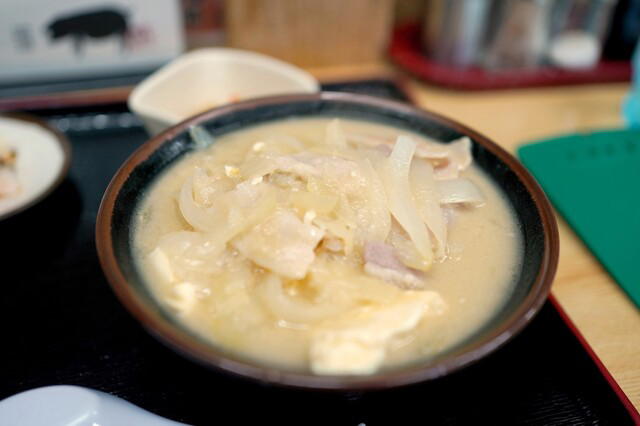
Hotels in Joetsu
Browse all →
Wineries in Joetsu
Browse all →
Details
- Lively
- Rustic
- Classic
- Casual Hangout
- Group Dining
- Family
- Solo
- Standalone
- A La Carte
- Set Menu
- Beer
- Shochu
Current opening hours
- Monday
- 9 AM–4 PM
- Tuesday
- Closed
- Wednesday
- 9 AM–4 PM
- Thursday
- 9 AM–4 PM
- Friday
- 9 AM–4 PM
- Saturday
- 9 AM–4 PM
- Sunday
- 9 AM–4 PM
Hours can change for holidays and private events. Last verified .
Busy, no-frills country cafeteria atmosphere with spacious seating and the feel of a standalone house-restaurant, focused on hearty ramen and set meals rather than decor.