
Tabelog 100 #82
Our verdict
Gangitei belongs to Joetsu’s serious izakaya tier: regional cooking, deep-fried dishes, and Niigata sake rather than spectacle. Its 2025 Tabelog 100 Izakaya EAST selection gives it a clear quality signal in a city where everyday ramen and shokudo culture often dominate the casual dining map.

Pearl is the En Primeur Club membership app — saves, bookings, and concierge access live there. Same editors, same standards.
- Address
- 3 Chome-4-9 Nakamachi, Joetsu, Niigata 943-0831, Japan
- Phone
- +81 25-525-8843
- Hours
- Mon–Sat 5:30–11 PMSun Closed
- Website
- r688400.gorp.jp
- Directions
- Get directions
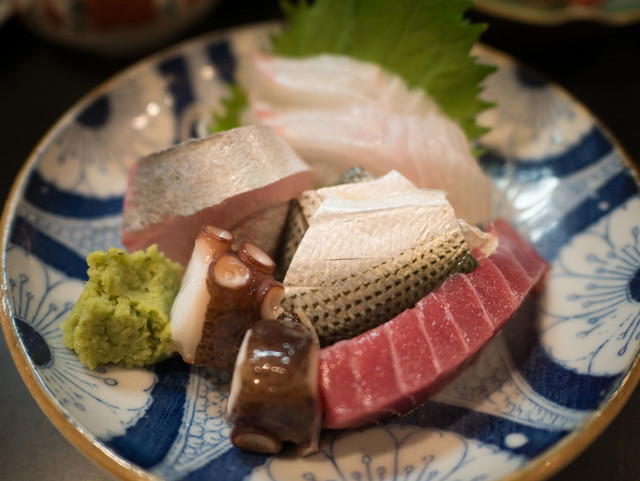
Joetsu after dark has the compact rhythm of a regional drinking city: short walks between counters, practical dining rooms, and meals built for several rounds. In Joetsu, that matters. The city’s food culture is not best read through theatrical tasting menus; it runs on local appetite, regional cooking, and izakaya social grammar. Gangitei sits inside that tradition, where the point is a table that can carry local dishes and drinks without turning either into performance.
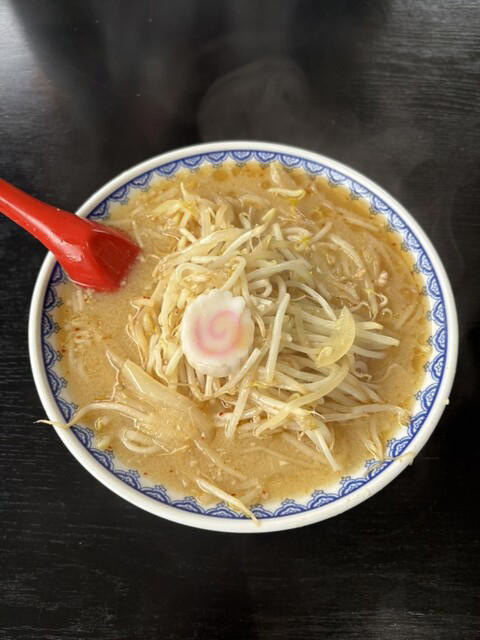
The signal is unusually clear for a regional izakaya. Gangitei was selected for Tabelog 100 Izakaya EAST in 2025, a list that tends to favor restaurants with local traction over international name recognition. That distinction helps because Joetsu’s dining map can mislead from outside. Travelers first encounter accessible staples such as Menya Agosuke and Shokudo New Misa, both in a different rhythm: quick meals, strong local followings, and narrower formats. Gangitei belongs to the evening category, where regional dishes, fried food, and izakaya pacing define the decision.
Joetsu's izakaya culture runs on regional cooking
Gangitei’s listed categories, izakaya, deep-fried foods, and regional cuisine, place it where the food is expected to make sense at the table rather than perform as a concept. The appeal is not a single signature dish or a chef-driven format; it is the practical grammar of an izakaya meal in Joetsu. Regional cuisine, fried dishes, and a tavern setting give the restaurant its clearest frame.
That dining logic separates Joetsu from larger restaurant cities. Big-city izakaya can trade on specialization, design, or subculture; regional rooms are often judged more directly on whether the food fits local drinking habits and group dining. Gangitei’s listed identity puts it in the durable neighborhood category rather than the chef-driven launch cycle. For travelers, that is the editorial reason to pay attention: the format is not rare, but it is exactly where Joetsu’s food identity becomes legible.
Deep-fried dishes also matter. In an izakaya, frying is not minor; it brings texture, heat, and salt into balance with the rest of the order. Regional cooking can sound too soft-edged in abstraction. The fried-food category gives the meal a grounded shape, especially in a city where a full evening meal often benefits from something hearty and direct. Read the room not as “local cuisine” as tourism phrase, but local cuisine as a working drinking-table format.
Where it fits among Joetsu restaurants
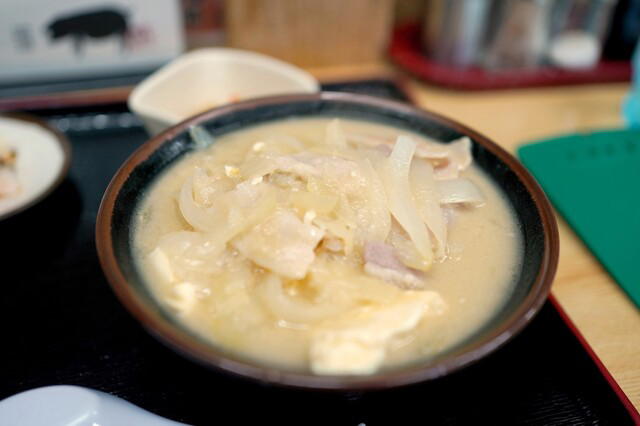
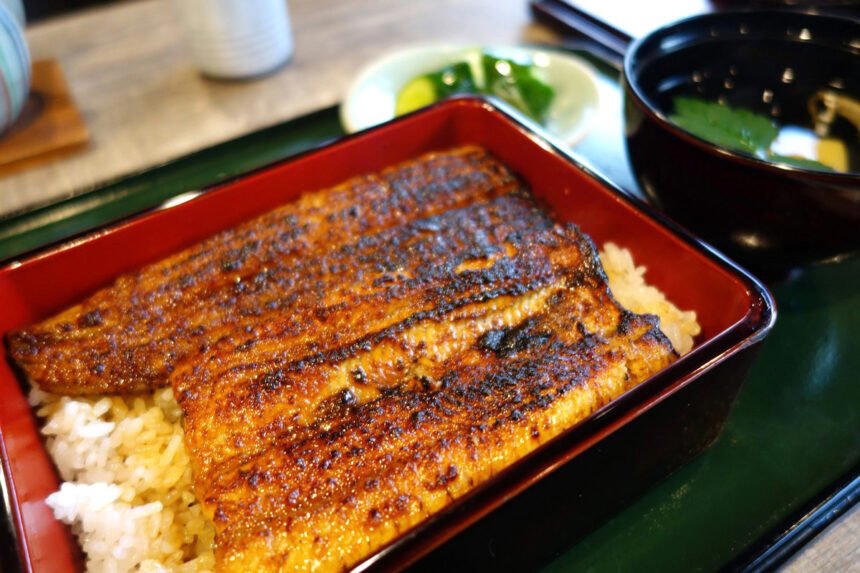
Joetsu rewards category clarity. Ramen, shokudo cooking, tonjiru specialists, unagi houses, and izakaya each answer a different dining problem. Menya Agosuke and Shokudo New Misa sit in the everyday-meal bracket, while comparison points such as Tonjiru Tachibana or Unagi Senmonten Honda show how tightly many regional restaurants organize around one comfort or product. Gangitei is broader: an izakaya with regional cooking at the center, better for a full evening than a fast stop between trains.
The Tabelog 100 Izakaya EAST 2025 selection also places the restaurant in an eastern-Japan conversation, not only a Joetsu one. That does not make it a luxury restaurant, and it should not be read like a metropolitan counter or formal tasting room. Its value is specific: a vetted route into the local izakaya register, especially when the alternative is defaulting to quicker meals because they are easier to decode. For a broader city read, use Our full Joetsu restaurants guide alongside the parallel city guides for Joetsu hotels, Joetsu bars, Joetsu wineries, and Joetsu experiences.
Readers building a Japan itinerary should note the contrast with bigger-city and specialist formats elsewhere. A specialist meal, an urban counter, or a cafe-style stop each expresses a different dining logic. Gangitei’s point is not metropolitan polish; it is how a regional izakaya binds local cooking, fried dishes, and a social evening into one Joetsu dinner.
The right reader decision
This is the Joetsu choice for travelers who want the city after business hours, not a checklist meal. The format suits a group planning to order across categories and let regional cooking carry the conversation. It is less suited to diners seeking a tightly narrated tasting menu or a restaurant whose appeal depends on luxury cues. The useful decision is category-based: choose Gangitei when an izakaya, deep-fried dishes, and regional cuisine are the right frame for the night.
Gangitei is a local-dining anchor, not a destination built from imported luxury cues. Its strength is alignment: Joetsu location, izakaya format, regional cuisine, deep-fried foods, and a 2025 Tabelog 100 Izakaya EAST selection all point the same way. That makes it sharper than a generic dinner search for anyone trying to understand what Joetsu tastes like at night.
For contrast across Japan and beyond, EP Club’s restaurant pages range across large-city, regional, and specialist formats. Those pages can be useful for understanding how different dining categories behave, but Gangitei should be read on its own terms: a Joetsu izakaya recognized in 2025, with a listed dinner budget of JPY 6,000 - JPY 7,999 and a Tabelog score of 3.63.
Frequently asked questions
Is Gangitei okay with children?
Gangitei is an izakaya in Joetsu, so it reads more like an adult dining room than a children-first venue. Families should decide based on whether an izakaya setting fits their evening.
What's the vibe at Gangitei?
The room is a local izakaya, not a polished tasting-menu space. Its listed categories are izakaya, deep-fried foods, and regional cuisine, which makes it best suited to an unhurried Joetsu dinner.
What should I budget for a meal at Gangitei?
Pricing at Gangitei is listed as JPY 6,000 - JPY 7,999 View spending breakdown.
Where is Gangitei?
Joetsu.
In Context: Similar Options
Comparable venues by cuisine and price in the same metro.
| Venue | Cuisine | Price | Awards | Notes |
|---|---|---|---|---|
| GangiteiThis venue — the venue you are viewing | Traditional Joetsu izakaya with local cuisine and sake | $30–50 | Tabelog 100 #82 | Not listed |
| Menya Agosuke | Japanese Ramen | $10–20 | Tabelog 100 #82 | Shimomonzen |
| 麺屋 あごすけ | Japanese Ramen | $10–20 | Tabelog 100 #82 | 上越市 |
| Shokudo New Misa | Ramen & Japanese cafeteria | $10–20 | Tabelog 100 #26 | Nakago-ku |
| 樺太食堂 | Fresh Hokkaido Seafood Bowls | $20–30 | Not listed | Noshappu |
| ウトロ漁協婦人部食堂 | Fresh Seafood Donburi from Fishermen's Wives | Not listed | Not listed | Utoro |
Recognition history
Dated appearances from independent guides and award organizations, with the underlying list record or original source where available.
Tabelog 100 #82 · No. 82
Tabelog · Tabelog 100 - Izakaya - EAST - 2025
Continue exploring
More in Joetsu
Restaurants in Joetsu
Browse all →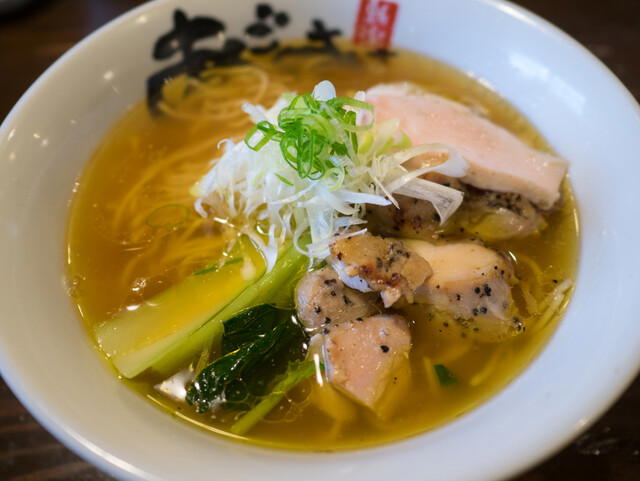
Hotels in Joetsu
Browse all →
Wineries in Joetsu
Browse all →
Details
- Cozy
- After Work
- Group Dining
- Casual Hangout
- Solo
- Standalone
- Sake Program
- Beer Program
- Local Sourcing
- A La Carte
- Small Plates
- Sake
- Beer
Current opening hours
- Monday
- 5:30–11 PM
- Tuesday
- 5:30–11 PM
- Wednesday
- 5:30–11 PM
- Thursday
- 5:30–11 PM
- Friday
- 5:30–11 PM
- Saturday
- 5:30–11 PM
- Sunday
- Closed
Hours can change for holidays and private events. Last verified .
Warm, intimate izakaya atmosphere suited to quietly enjoying local sake and regional dishes after work or in small groups.