Our verdict
On Gasthuisstraat in the Flemish Brabant town of Aarschot, Mistinguett occupies a position that rewards the effort of getting there. The restaurant draws on the produce traditions of the surrounding agricultural region, placing it alongside a broader Belgian dining conversation that prizes ingredient provenance above spectacle. For those tracing serious cooking outside the major Belgian cities, it merits attention.

Pearl is the En Primeur Club membership app — saves, bookings, and concierge access live there. Same editors, same standards.

Aarschot and the Question of Where Food Comes From
Belgium's most discussed restaurants tend to cluster in Ghent, Brussels, and Antwerp, or along the coastline where suppliers like sea-farmers and fishmongers set the tempo of the kitchen calendar. But the Flemish Brabant interior, anchored by market towns like Aarschot, sits inside a different kind of food geography: one shaped by arable farmland, river valleys, and the kind of direct producer relationships that larger urban kitchens have to work harder to maintain. Mistinguett, on Gasthuisstraat in central Aarschot, operates in that context. Its address places it in a town that functions at a human scale, where the distance between a kitchen and its suppliers is often measurable in kilometres rather than logistics chains.
This matters more than it might appear. The ingredient-sourcing conversation in Belgian fine dining has grown considerably more specific over the past decade. Kitchens at the level of Willem Hiele in Oudenburg or Boury in Roeselare have made regional provenance a structural commitment, not a menu footnote. The question worth asking about any serious restaurant in provincial Flanders is the same: does the food reflect the actual land and producers around it, or is it importing an urban kitchen vocabulary onto a regional setting? That distinction tends to determine whether a restaurant earns repeat visits from people willing to travel for it.
The Setting on Gasthuisstraat
Aarschot is a Flemish Brabant town of modest size, roughly equidistant between Leuven and Hasselt, with a medieval street grid that narrows toward the Demer river. Gasthuisstraat runs through the older commercial core, and Mistinguett sits at number 19 on that street. Arriving on foot from the railway station, which connects Aarschot to the national rail network, the neighbourhood reads as lived-in rather than curated: working storefronts, historic building stock, the unhurried pace of a provincial town that has not been repositioned for tourism. For a certain type of diner, that context is precisely the point. The restaurant exists inside a community rather than apart from it, which tends to influence both what a kitchen can source and what it feels appropriate to charge.
Belgium's broader restaurant culture has long supported serious cooking in towns that most international visitors overlook. Hof van Cleve in Kruishoutem and Castor in Beveren are examples of kitchens that have built significant reputations without the gravitational pull of a major city address. The pattern reflects something durable in Flemish dining culture: a willingness to travel for food, and a network of producers concentrated enough that a well-connected provincial kitchen can access ingredients on par with its urban peers. Aarschot fits within that tradition.
Reading the Menu Through Its Sources
White asparagus from the sandy soils of the Limburg border, river fish from the Demer and its tributaries, lamb from the polders further west, game during autumn: these are the ingredients that define the table calendar for kitchens operating honestly in this region. A restaurant at Mistinguett's address, in a town embedded in that agricultural hinterland, is well-positioned to access those supply relationships if it chooses to build them.
The ingredient-sourcing frame matters because it separates restaurants that use locality as a concept from those that use it as a kitchen discipline. In the Belgian context, the best-regarded provincial kitchens, places like De Jonkman in Sint-Kruis or L'air du Temps in Liernu, have made that discipline visible in their menus, their supplier credits, and the seasonal frequency with which their dishes change. For visitors approaching Mistinguett with the same expectations, the operative question is whether the kitchen's relationship to Flemish Brabant's produce landscape is structural or decorative.
Placing Mistinguett in the Belgian Dining Conversation
Belgium punches significantly above its weight in European fine dining, and that performance is distributed across the country rather than concentrated in any single city. Brussels anchors the institutional end, with places like Bozar Restaurant and Le Chalet de la Forêt in Uccle representing the capital's formal register. Antwerp contributes a more contemporary edge, anchored by kitchens like Zilte. But the provinces, particularly Flanders, have consistently produced cooking that competes with or exceeds what the cities offer, at lower price points and with stronger connections to the land that supplies the ingredients.
Within Aarschot itself, the restaurant conversation is small but not without texture. Atelier Delvaux and Shokudo represent different points on the local spectrum, the former rooted in European technique, the latter offering an Asian reference point in a town that rarely features on international food itineraries. Mistinguett occupies its own position within that compact local scene. For a fuller map of where it sits relative to Aarschot's other options, our full Aarschot restaurants guide covers the town's dining range in more detail.
For those building a longer Flanders itinerary around serious cooking, the comparison set widens considerably. Bartholomeus in Heist, La Durée in Izegem, and d'Eugénie à Emilie in Baudour each demonstrate how dispersed and varied the Belgian provincial dining scene has become. Mistinguett belongs to that dispersal, a restaurant in a town that rewards the visitor willing to look past the better-known addresses.
Planning Your Visit
Aarschot is reachable by train from Brussels in under an hour, and from Leuven in approximately twenty minutes, making it a viable day-trip destination for visitors based in either city. The town's compact size means that Gasthuisstraat is walkable from the station in under ten minutes. Given the scale of the local dining scene, Aarschot rewards a visit timed around a specific reservation rather than spontaneous arrival.
Those comparing Belgian provincial options at a broader geographic scale may also find useful reference points in La Table de Maxime in Our, which operates in a similar register of serious cooking outside the main urban centres. The international comparison, for what kitchens at this level of provenance-consciousness can achieve, extends as far as Le Bernardin and Atomix in New York, both of which have made ingredient sourcing and supplier relationships central to their identity at a much larger scale.
Frequently asked questions
How do I find Mistinguett?
Mistinguett is located at b 19, Gasthuisstraat, 3200 Aarschot, Belgium, Aarschot.
How does Mistinguett fit into the dining scene around Leuven and Flemish Brabant?
Aarschot is one of several Flemish Brabant towns that sit in the productive corridor between Leuven and Hasselt, an area with strong agricultural supply and a food culture that predates the current Belgian restaurant boom. Mistinguett on Gasthuisstraat occupies a position in that regional conversation distinct from the university-city restaurant density of Leuven itself. For diners based in Brussels or Leuven, it represents the kind of address that rewards local knowledge over algorithmic discovery.
Is Mistinguett reservation-only?
Restaurants of this profile in smaller Belgian towns — Aarschot has a population under 30,000 — often operate with limited covers, which makes advance contact advisable before any visit. Reaching out directly to the venue on Gasthuisstraat is the most reliable approach.
What makes Mistinguett worth seeking out?
Aarschot sits roughly twenty minutes by train from Leuven and under an hour from Brussels, placing Mistinguett within reach of both cities without the competition for tables that defines the Ghent or Antwerp dining scenes. Belgium's serious restaurant culture is genuinely distributed across the country, and smaller Flemish Brabant towns have produced tables that earn critical attention without the profile of the major cities. That combination of access and relative obscurity is the case for making the trip.
Fast Comparison
Comparable venues nearby, for context on price, style, and recognition.
| Venue | Cuisine | Price | Awards | Notes |
|---|---|---|---|---|
| MistinguettThis venue — the venue you are viewing | French-Belgian Bistro | $50–100 | Not listed | Not listed |
| Shokudo | Premium Japanese Sushi | $30–50 | Not listed | Aarschot |
| Atelier Delvaux | Belgian Chocolatier | Not listed | Not listed | centrum |
| 65 degrés | Modern French Gastronomic | $50–100 | Not listed | Ixelles |
| SILO | Modern Belgian Brasserie | Not listed | Not listed | Wijnegem |
| La Plage d'Amée | Modern French Gastronomic | $50–100 | Michelin Plate | Jambes |
Continue exploring
More in Aarschot
Restaurants in Aarschot
All restaurants in Aarschot →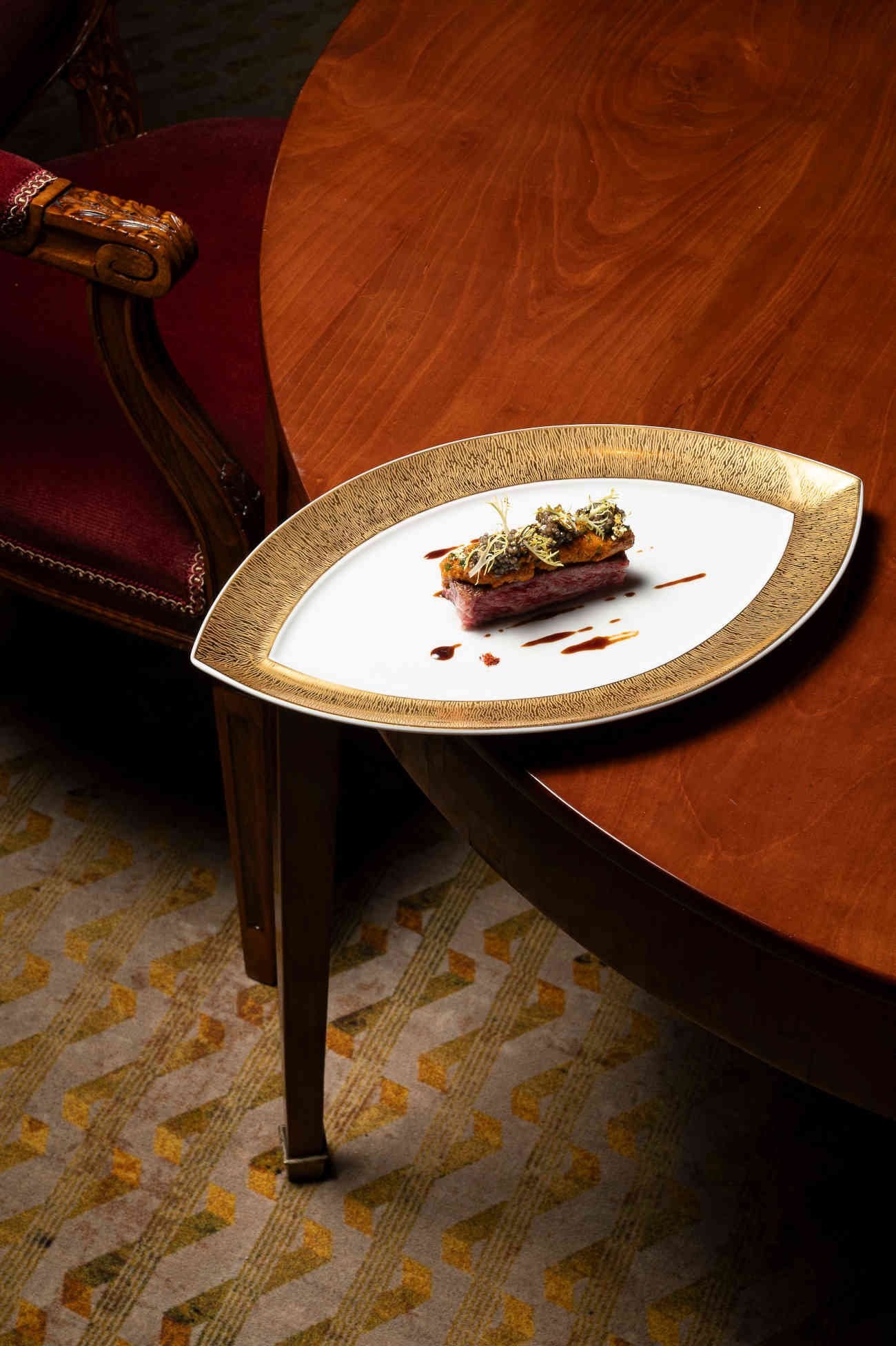
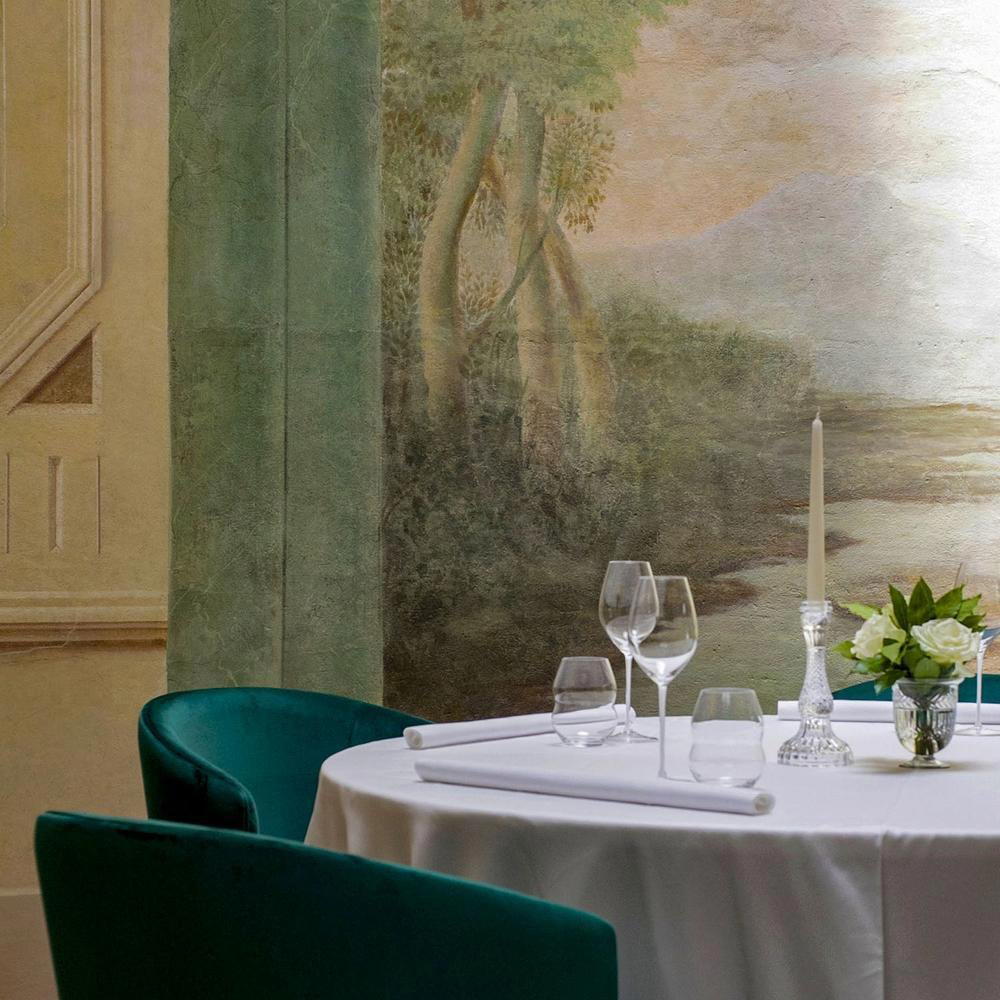
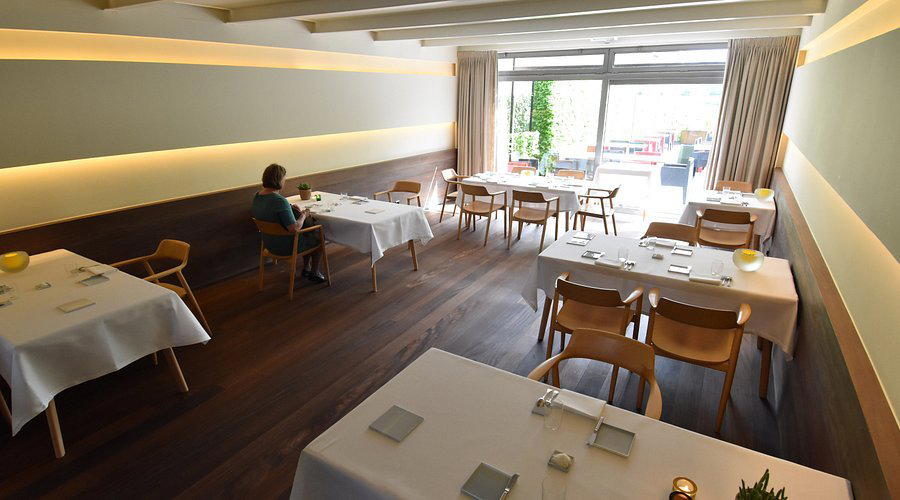
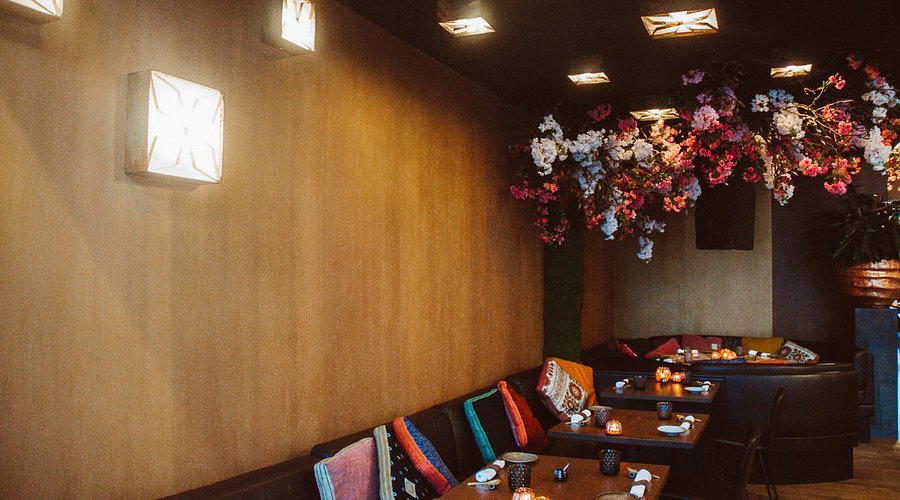
Bars in Aarschot
Browse all →
Hotels in Aarschot
Browse all →
Wineries in Aarschot
Browse all →
Details
- Cozy
- Elegant
- Intimate
- Date Night
- Special Occasion
- Standalone
- A La Carte
Current opening hours
- Monday
- Closed
- Tuesday
- 12–2 PM, 6–9 PM
- Wednesday
- 12–2 PM, 6–9 PM
- Thursday
- Closed
- Friday
- 12–2 PM, 6–9 PM
- Saturday
- 6–9 PM
- Sunday
- Closed
Hours can change for holidays and private events. Last verified .
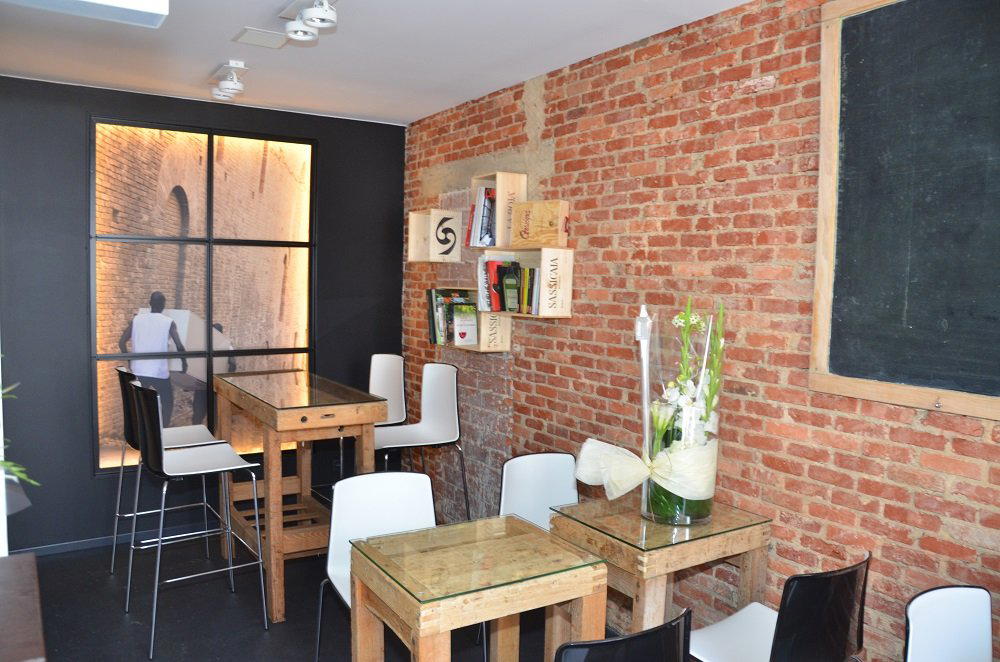
Cozy and pleasant atmosphere with a gemoedelijke (homely) feel as described in guest reviews.