
Tabelog 100 #71
Our verdict
Shoan sits in Arakicho’s grown-up soba-and-drinks lane, where buckwheat noodles share the table with Japanese dishes, fish, sake, shochu, and wine rather than functioning as a quick station meal. Its selection for Tabelog 100 Soba EAST in 2024 and 2025 places it in a serious Tokyo category: small, reservation-led rooms where planning matters.

Pearl is the En Primeur Club membership app, where members save venues, book tables and use the concierge.
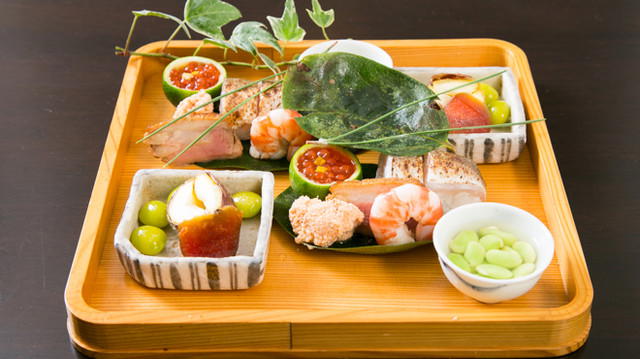
Tokyo changes character after dark. Away from the city’s loudest dining corridors, the best focused meals often work by low-key signs, careful reservations, and formats that reward diners who know why a soba dinner can stretch into an evening. In that setting, Shoan belongs to the city’s adult soba tradition: buckwheat noodles framed by Japanese cuisine, not the quick lunch-counter version of the form.
Tokyo soba is often misunderstood by visitors because the category covers two separate habits. One is speed: standing counters, commuter bowls, and efficient nourishment. The other is slower and more expensive: soba as the closing point of a meal built around Japanese cooking. Shoan sits firmly in the second camp, with a dinner budget listed at JPY 10,000 to JPY 14,999. That pricing puts it closer to a compact, planned evening than to casual noodle tourism.
Tokyo's soba rooms ask for planning, not impulse
The booking experience matters here because category focus is part of the appeal and the constraint. Shoan is better treated as a deliberate dinner slot rather than a late-night fallback after other Tokyo plans collapse. It makes particular sense for travelers trying to compare the city’s smaller Japanese formats rather than chasing only the most internationally familiar categories.
The Tabelog Hyakumeiten recognition in 2025 gives the room a useful trust signal. Tabelog’s Hyakumeiten lists are category-specific, which matters in Japan: they do not flatten every restaurant into the same prestige hierarchy. A soba recognition places Shoan inside a peer conversation about buckwheat craft, closing noodles, and the supporting dishes that make a soba-ya worth a full evening. The listed score of 3.72 is also meaningful in the local context, where incremental differences on Tabelog often carry more weight than they would on broader review platforms.
Tokyo gives that format a sympathetic backdrop. The city has long suited restaurants that work outside major commercial dining avenues, and its dining identity includes repeat-visitor rooms, careful pacing, and menus that make more sense when diners are comfortable eating across categories. For contrast within Tokyo’s broader restaurant range, other dining rooms show how varied a night in the city can become, from compact specialist counters to small-format Japanese meals built around a single craft.
Soba as the final act, with pacing doing real work
A serious soba dinner in Tokyo rarely begins and ends with noodles alone. The appeal is in the progression: Japanese dishes first, then soba as the clean structural close. Shoan’s category listing includes soba and Japanese cuisine. That combination speaks to a familiar Tokyo pattern: the noodle course remains central, but the meal is built for pacing rather than speed.
This is where the restaurant’s competitive set becomes more interesting than a simple “soba place” label. In the same city, a diner might choose Kitchen Taka, Ubuka, Noyashichi, Sharikimon Chawambu, or Sharikimon Onozawa 車力門おの澤 for very different reasons. Shoan asks a different question: whether a restrained buckwheat-led dinner, supported by Japanese cooking, is the sharper move for the evening. For travelers already eating across Tokyo, that distinction is useful. The point is not maximal variety in one sitting; it is the confidence of a narrow tradition handled at dinner length.
There is also a practical cultural note in the format. Soba rooms at this level are often quieter than very casual noodle shops and less theatrical than some high-end counter formats. They suit diners who want Tokyo’s craft without needing a heavily choreographed performance. The pleasure is compact and direct, with the room’s rhythm shaped by the precision of the category rather than by spectacle.
How to fit Shoan into a Tokyo dining plan
Shoan makes the most sense as a planned dinner in a larger Tokyo itinerary, not as a one-stop proof of the city’s food culture. Pair it intellectually with other narrow-format restaurants and the city starts to read more clearly: yakitori, soba, curry, sushi, kaiseki, kissaten, and bars each operate by their own rules. Cross-city comparisons help calibrate expectations, while lighter daytime detours and casual meals show how quickly Tokyo changes register between one table and the next.
For a broader Tokyo plan, use Our full Tokyo restaurants guide alongside Our full Tokyo hotels guide, Our full Tokyo bars guide, Our full Tokyo wineries guide, and Our full Tokyo experiences guide. Beyond Shoan, the same planning logic applies to specialist formats across Japan and abroad: understand the category first, then decide whether the room suits the meal you want that day. That approach is more useful than collecting famous names without knowing what each format is trying to do.
The editorial read is simple: choose Shoan when the goal is a grown-up soba dinner with recognized category credibility and a focused rhythm. Choose elsewhere if the night calls for spectacle, late improvisation, or a broad menu built for indecision. Tokyo rewards specificity, and soba rewards diners who understand that the quietest meal can be the one that teaches the category most clearly.
Frequently asked questions
Where do I go for Shoan?
Shoan is located in Tokyo.
How much does it cost to eat at Shoan?
Pricing at Shoan is listed as JPY 10,000 - JPY 14,999.
What is Shoan known for?
Shoan is known for soba and Japanese cuisine in Tokyo, and for its 2025 selection in Tabelog’s soba category. Its listed Tabelog score is 3.72.
What if I have allergies at Shoan?
Shoan is a soba restaurant in Tokyo, so buckwheat is the key ingredient to flag first, along with any other dietary restrictions. The safest approach is to state allergies clearly when arranging a visit. Check the venue's official channels for the latest details.
Local
Comparable venues for cuisine and category context.
| Venue | Cuisine | Price | Awards | Notes |
|---|---|---|---|---|
| ShoanThis venue (the venue you are viewing) | Traditional Japanese Soba | $50–100 | Tabelog 100 #71 | Not listed |
| Kitchen Taka | Japanese yoshoku (Western-style comfort food) counter | $10–20 | Tabelog 100 #19 | JPY 1,000 - JPY 1,999 JPY 1,000 - JPY 1,999 |
| Sharikimon Chawambu | Tonkatsu | Not listed | Michelin Bib Gourmand · Tabelog 100 #95 | Not listed |
| Ubuka | Crustacean Kaiseki Omakase | $150–200 | 1 Michelin Star · Tabelog 100 #99 | Spanish, Crab Specialities |
| Noyashichi | Chinese-Japanese Fusion Omakase | $200–300 | Michelin Plate · Tabelog 100 #13 | Chinese |
| Sharikimon Onozawa 車力門おの澤 | Modern Japanese Omakase with Soba | $200–300 | 1 Michelin Star · Tabelog Bronze #338 | Kaiseki, Japanese |
Recognition history
Dated appearances from independent guides and award organizations, with the underlying list record or original source where available.
Tabelog 100 #71 · No. 71
Tabelog · Tabelog 100 - Soba - EAST - 2025
Continue exploring
More in Tokyo
Restaurants in Tokyo
All restaurants in Tokyo →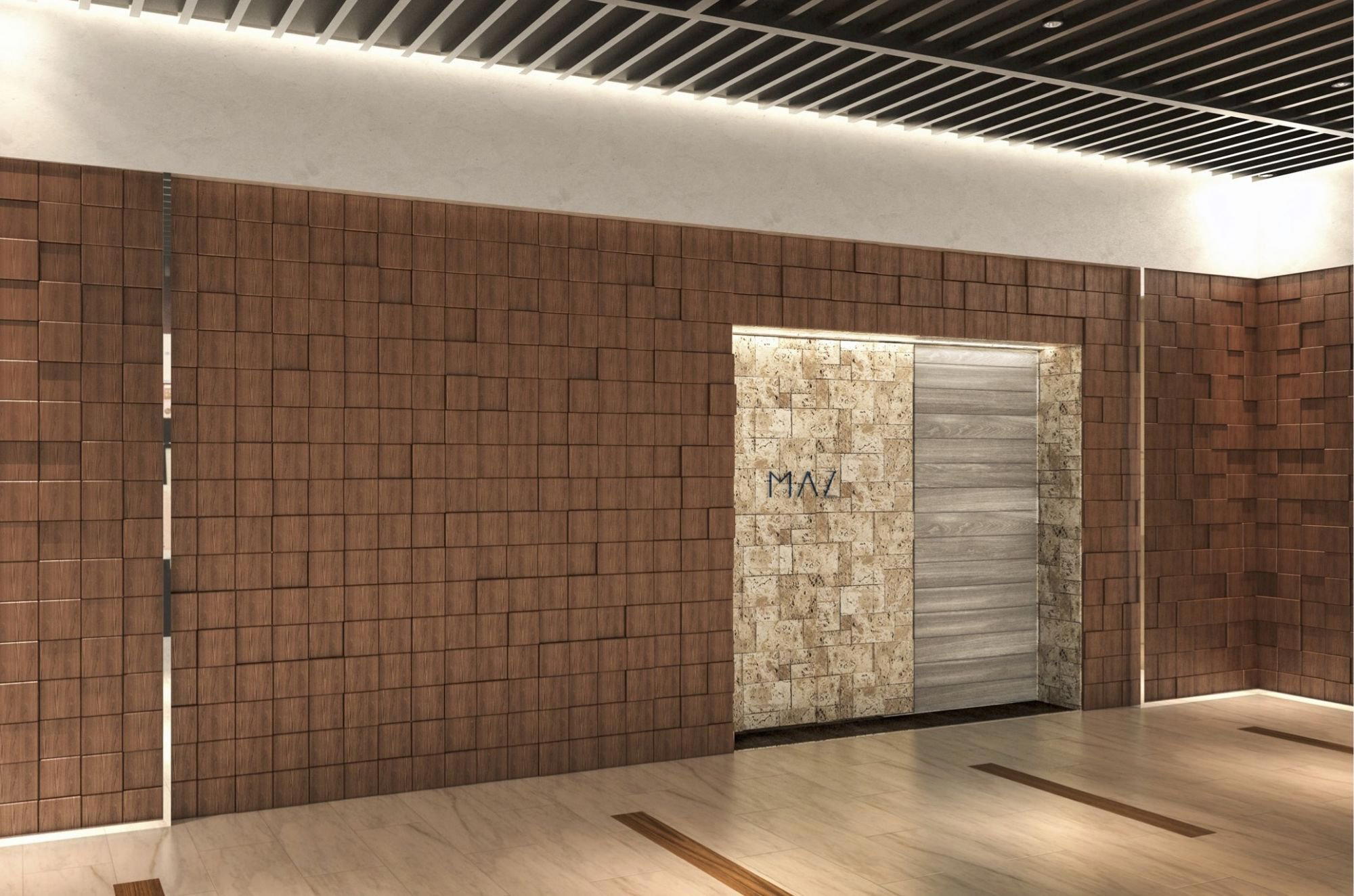




Bars in Tokyo
All bars in Tokyo →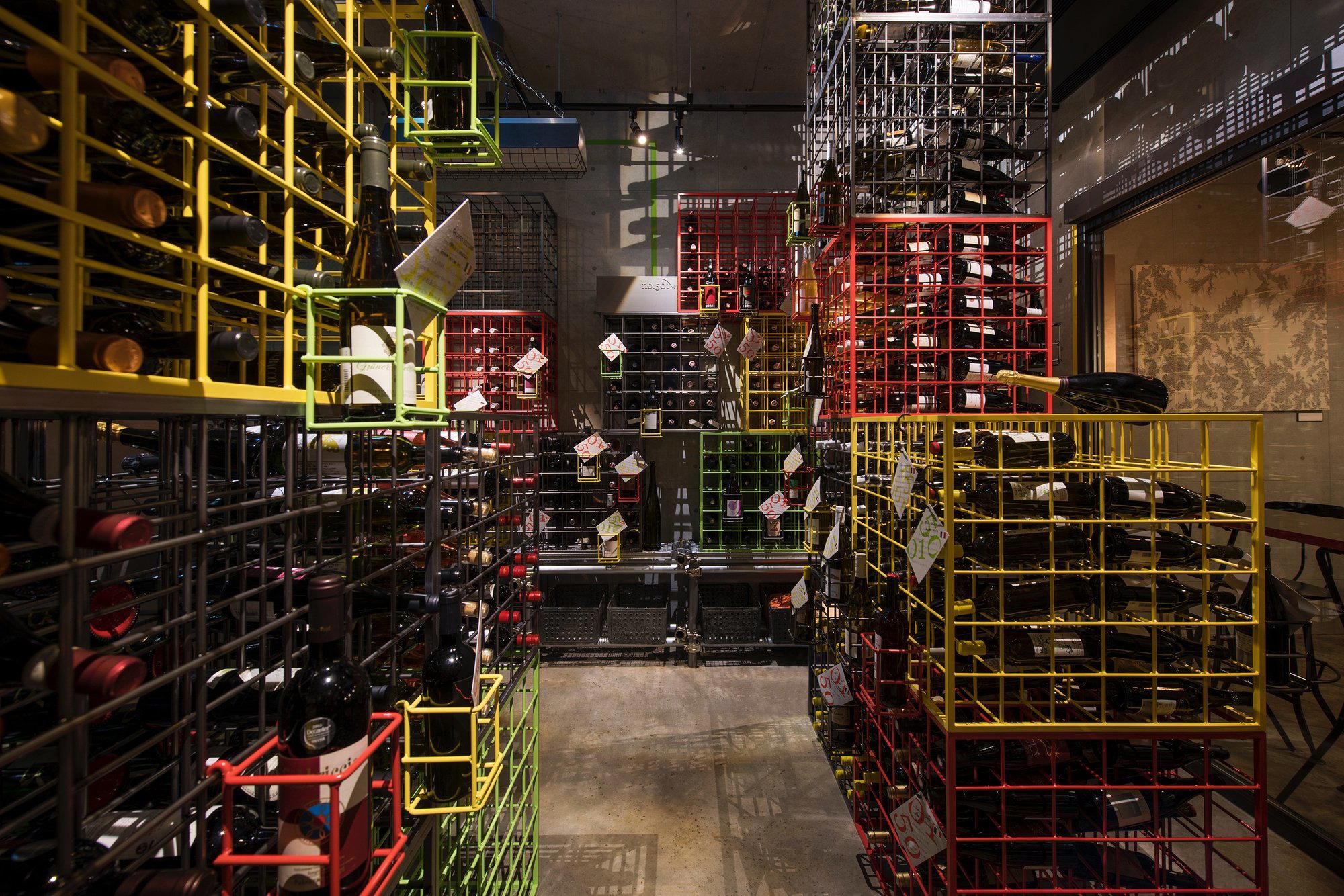


Details
- Quiet
- Classic
- Cozy
- Intimate
- Solo
- Casual Hangout
- Business Dinner
- Standalone
- A La Carte
- Counter Dining
- Vegetarian Friendly
Current opening hours
- Monday
- 6 PM–1 AM
- Tuesday
- 6 PM–1 AM
- Wednesday
- 6 PM–1 AM
- Thursday
- 6 PM–1 AM
- Friday
- 6 PM–1 AM
- Saturday
- 6 PM–1 AM
- Sunday
- Closed
Hours can change for holidays and private events. Hours as of .
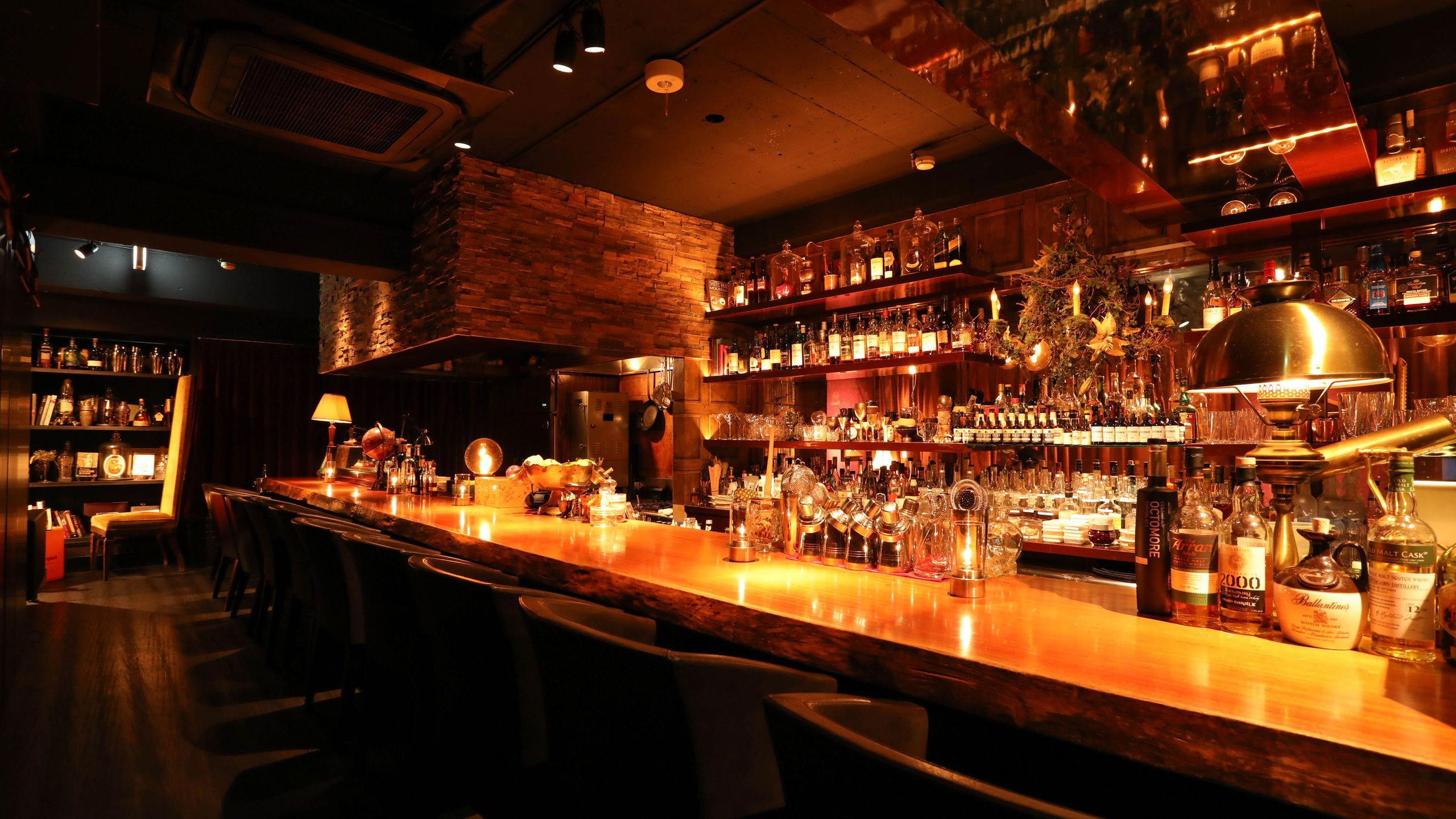
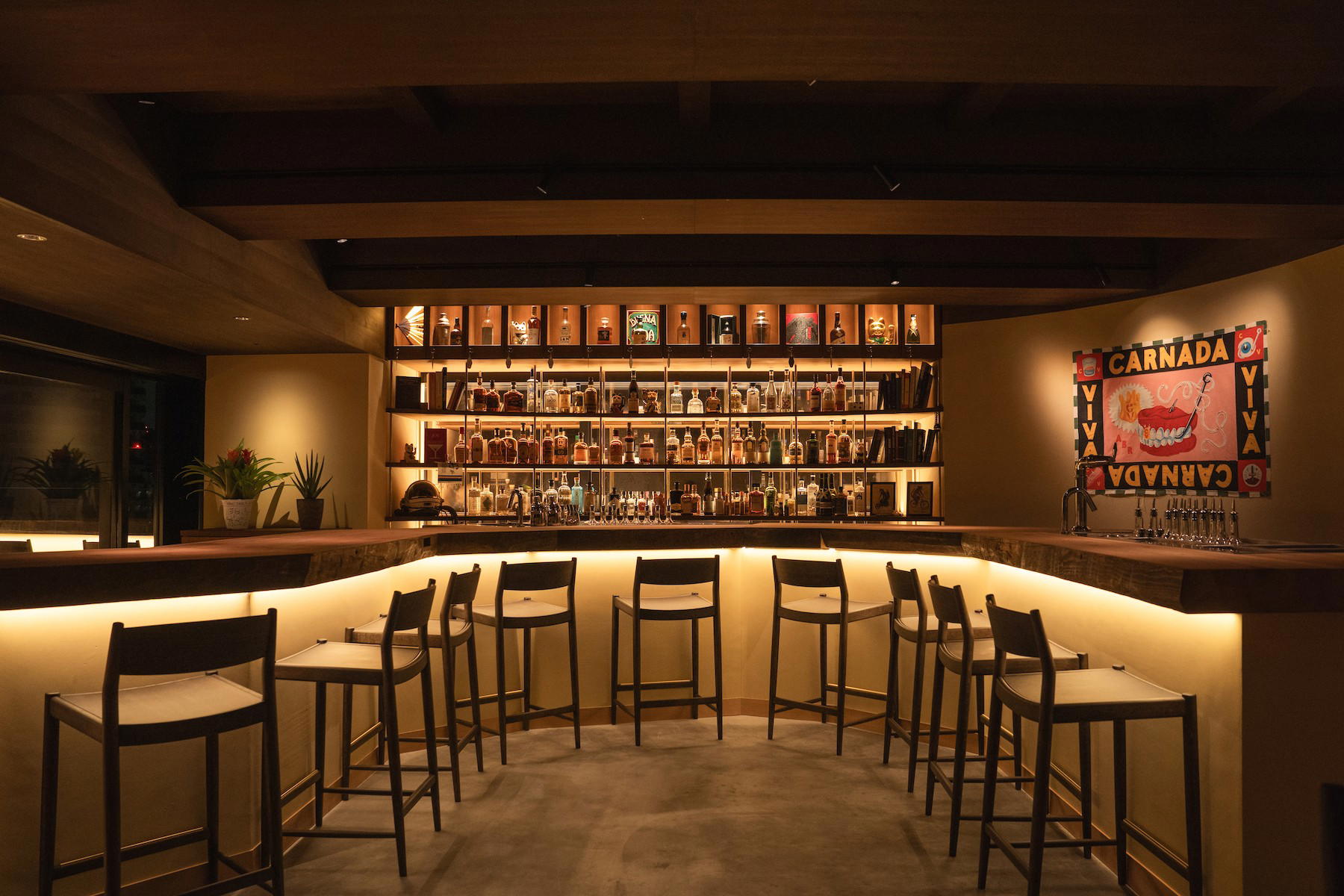
Stylish, tucked-away, and intimate, with a calm hidden-gem feel that appeals to adults seeking a quiet soba meal.