
Tabelog 100 #19
Our verdict
Kitchen Taka places yoshoku in its compact, workaday Tokyo form rather than its hotel-dining version: counter seats, familiar Western-derived dishes, and a price tier built for repeat local use. Its Tabelog 100 Yoshoku EAST 2025 selection, with prior Yoshoku selections in 2020 and 2022, gives this small Arakicho counter a clear signal inside a category often overlooked by visitors chasing sushi and ramen.

Pearl is the En Primeur Club membership app, where members save venues, book tables and use the concierge.
The menu
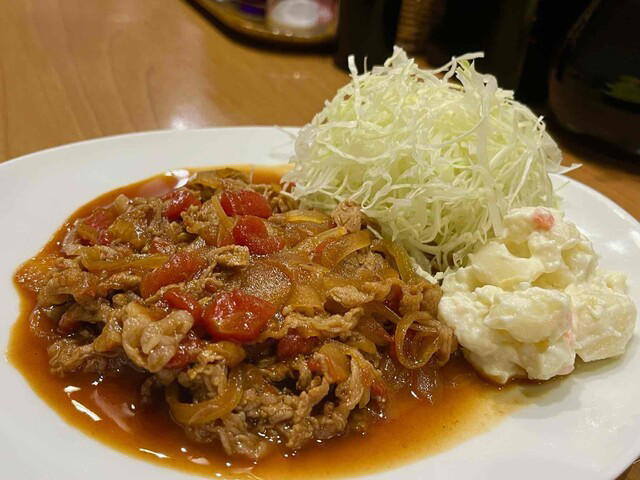
What to order
- Hamburg steak
- Omelette rice (omurice)
Kitchen Taka is not Tokyo’s chandeliered dining rooms or theatrical tasting rooms. In Tokyo, everyday restaurants can carry a city’s dining habits as clearly as formal destinations. Here, yoshoku fits: Western-derived Japanese cooking built on repetition, heat, sauce, rice, and the comfort of a plate assembled for lunch as much as dinner. Kitchen Taka belongs to that Tokyo grammar, where familiar dishes can carry more authority than a meal designed around spectacle.
Yoshoku is adaptation, not imitation. Omurice, hamburger steak, sautéed dishes, cutlets, curry rice, and gratin entered Japan through Western contact, then became local food through rice, demiglace, miso soup, cabbage, and everyday-restaurant cadence. The category has shifted: larger dining rooms and family restaurants made it familiar, while focused restaurants preserved the sharper, cooked-to-order version. Kitchen Taka’s recognition in Tabelog Hyakumeiten 2025 matters because the award is not chasing novelty. It rewards consistency.
Yoshoku in Tokyo, measured by discipline rather than ceremony
Tokyo’s luxury dining reputation is often read through sushi, kaiseki, tempura, and French-influenced tasting menus. Yoshoku sits elsewhere: Japanese urban food with Western vocabulary, judged by timing, browning, sauce work, rice compatibility, and whether a dish feels complete rather than merely nostalgic. The straightforward restaurant format is therefore central to the appeal. Limited distraction, little margin for drift, and service focused on the plate rather than ceremony all suit the genre’s directness.
The listed categories, yoshoku, hamburger steak, and omurice, place the restaurant in a recognizable Tokyo lineage. These are not rare dishes, which is the point. At this level, the difference is execution inside a familiar frame. A Tabelog score of 3.66 in this category, paired with Hyakumeiten selection, signals local confidence rather than tourist heat. For readers using Our full Tokyo restaurants guide, the useful comparison is not high-end omakase counters; it is places where Tokyo turns inherited Western forms into everyday food with exacting habits.
Tokyo shapes the reading. The city’s dining identity is small-scale and layered: bars, Japanese rooms, casual specialists, and focused restaurants across the city. Nearby comparison venues such as Noyashichi, Ubuka, Shoan, Sharikimon Chawambu, and Arakicho Kintsugi show how Tokyo supports narrow formats over broad menus. Kitchen Taka sits in the lower-price, yoshoku-specific lane of that mix, making it a different decision from higher-spend Japanese, Chinese, crab, or tonkatsu options elsewhere in the city.
The evolution is restraint: everyday Western-Japanese cooking treated as a specialist craft
Kitchen Taka is best read through Tokyo’s recent casual-specialist movement. Reservation-led restaurants became more expensive and internationalized, while focused everyday rooms gained stronger recognition through platforms such as Tabelog’s Hyakumeiten lists. Kitchen Taka reflects the second movement: familiar food, practical pricing, and a format tight enough to read as craft rather than convenience.
Yoshoku no longer needs to explain its Western origins; Tokyo diners know the codes. What matters is which restaurants keep the genre from becoming generic. Hamburger steak and omurice can flatten into family-restaurant comfort, but they can also test heat control, sauce balance, and speed. A direct, plate-led meal makes those tests the whole experience. There is no long preamble, chef biography, or tasting-menu architecture to create importance. The plate must justify the attention.
The recognition sharpens that point. Selection for Tabelog Hyakumeiten 2025 places Kitchen Taka among restaurants valued for category-specific reliability. In Tokyo, that signal is especially useful because yoshoku is broad, stretching from old-school dining rooms to lunch counters and family-friendly neighborhood restaurants. The listing narrows the field for travelers who want the form at a serious level without turning lunch into a formal production.
Its practical character shapes the verdict. The price band is JPY 1,000 to JPY 1,999 for both lunch and dinner, keeping the restaurant in an accessible everyday range. These details do not make it difficult in the luxury-restaurant sense; they make it Tokyo-local in the ordinary sense. Treat it as a focused meal, not a lingering evening plan. Casual specialist dining rewards flexibility and timing more than ceremony.
How to place it in a Tokyo itinerary without misreading the format
Kitchen Taka corrects an itinerary overloaded with ceremony. Pair it with sushi, tempura, or kaiseki for a clearer view of Tokyo than premium tasting rooms alone. It shows another rigor: familiar categories, lunch-friendly pricing, and dishes shaped by urban appetite as much as Western technique. For a broader Tokyo route, it can sit beside other specialist casual addresses, each representing a different strain of the city’s everyday precision.
Travelers building a fuller Tokyo stay should separate this meal from hotel, bar, and experience planning rather than forcing everything into one luxury category. Use Tokyo hotel planning for where to sleep, Tokyo bar planning for the drinking map, wine-related planning for relevant addresses, and cultural planning for experiences. Within restaurants, the better editorial link is Japan’s specialist casual spectrum, from Tokyo restaurants to casual dining rooms in other Japanese cities.
The international comparison is instructive. Japanese comfort formats abroad often become concept dining in many different registers. In Tokyo, the same impulse can remain quieter and more functional. Kitchen Taka’s appeal is not scale or theatricality; it is how a Tokyo restaurant shows yoshoku’s current direction, with familiar dishes treated seriously enough to earn category recognition while staying close to daily urban eating.
Frequently asked questions
What are Kitchen Taka's hours?
Current hours for Kitchen Taka should be confirmed directly before visiting.
What part of town is Kitchen Taka in?
Tokyo.
What does dinner at Kitchen Taka typically cost?
Pricing at Kitchen Taka is listed as JPY 1,000 - JPY 1,999.
What is Kitchen Taka known for?
Kitchen Taka is known for yoshoku, including hamburger steak and omurice, in Tokyo.
Comparison Snapshot
Comparable venues at similar price and category levels.
| Venue | Cuisine | Price | Awards | Notes |
|---|---|---|---|---|
| Kitchen TakaThis venue (the venue you are viewing) | Japanese yoshoku (Western-style comfort food) counter | $10–20 | Tabelog 100 #19 | Not listed |
| Hagakure | Udon and curry udon izakaya | $10–20 | Tabelog 100 #26 | Minato |
| Isuzu | Traditional Japanese Wagashi Shop | Not listed | Tabelog 100 #62 | Shinjuku |
| Cha no Ikedaya | Japanese tea shop & matcha soft serve | $1–10 | Tabelog 100 #82 | Shinjuku |
| Kinmochi | Casual Japanese curry counter | $10–20 | Tabelog 100 #10 | Shinjuku |
| Kaeru Shokudo | Japanese Curry Counter | $10–20 | Tabelog 100 #5 | Toshima |
Recognition history
Dated appearances from independent guides and award organizations, with the underlying list record or original source where available.
Tabelog 100 #19 · No. 19
Tabelog · Tabelog 100 - Yoshoku - EAST - 2025
Continue exploring
More in Tokyo
Restaurants in Tokyo
All restaurants in Tokyo →


Bars in Tokyo
All bars in Tokyo →







Details
- Cozy
- Classic
- Quiet
- Solo
- Casual Hangout
- Standalone
- A La Carte
- Counter Dining
Current opening hours
- Monday
- 11 AM–4:30 PM
- Tuesday
- 11 AM–4:30 PM
- Wednesday
- 11 AM–4:30 PM
- Thursday
- 11 AM–4:30 PM
- Friday
- 11 AM–4:30 PM
- Saturday
- 11 AM–3 PM
- Sunday
- Closed
Hours can change for holidays and private events. Hours as of .
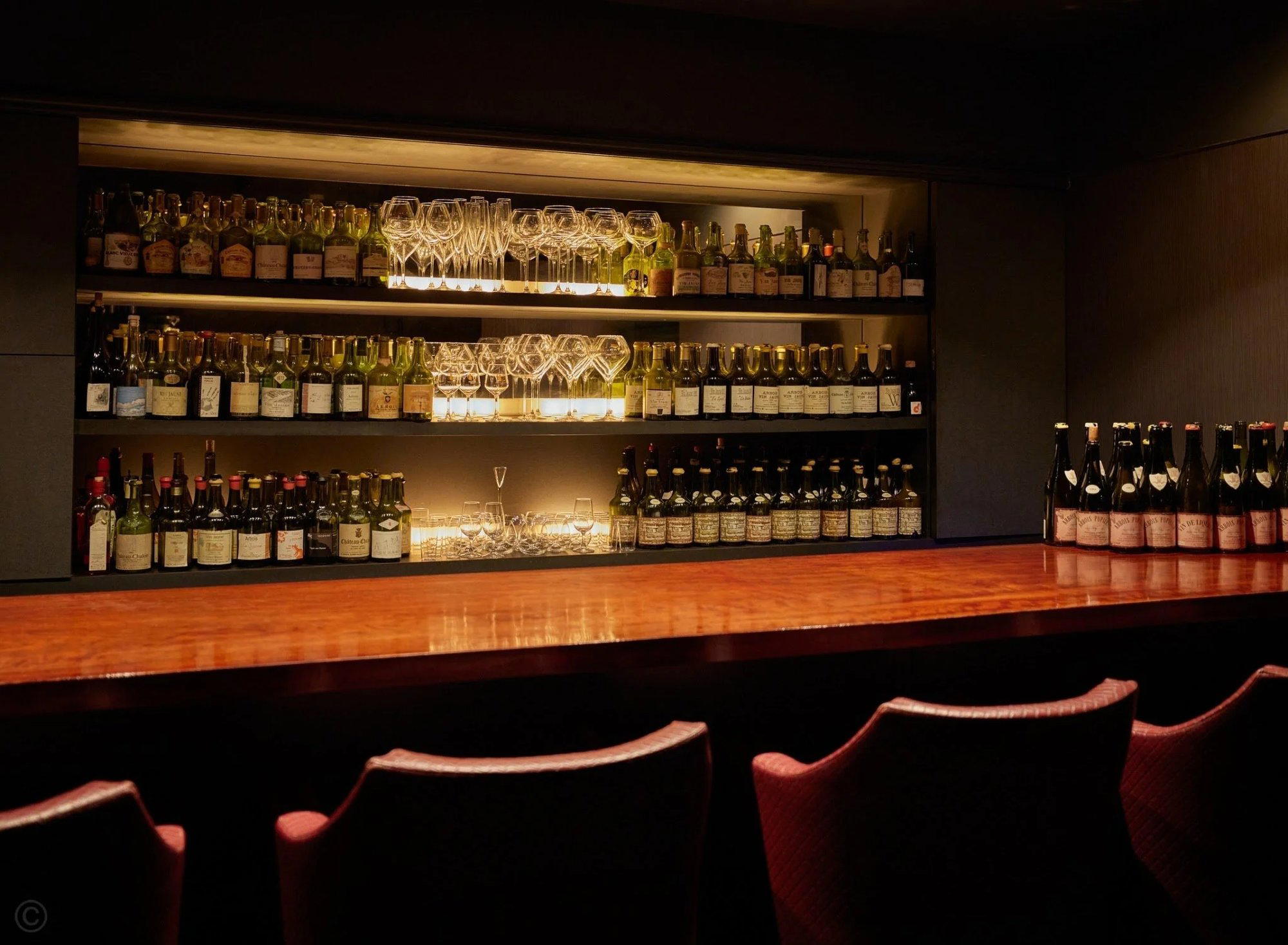
A no-frills, 6-seat counter tucked in a quiet Araki neighborhood side street, with a simple home-style setup that feels more like a compact neighborhood kitchen than a formal restaurant.