
A southern French kitchen in the heart of Nihonbashi, Le Jardin de Kamo has held a Michelin Plate in both 2024 and 2025 for its Mediterranean-inflected cooking rooted in the traditions of Montpellier. Chef Kamoda pairs Seto Inland Sea seafood with citrus, herbs, and spices in a stucco-walled room that reads as genuinely Provençal rather than decoratively so.
Pearl is the En Primeur Club membership app — saves, bookings, and concierge access live there. Same editors, same standards.
- Address
- Japan, 〒103-0015 Tokyo, Chuo City, Nihonbashihakozakicho, 8−6 ルミネ日本橋第二
- Directions
- Get directions
 Saves & bookings on Pearl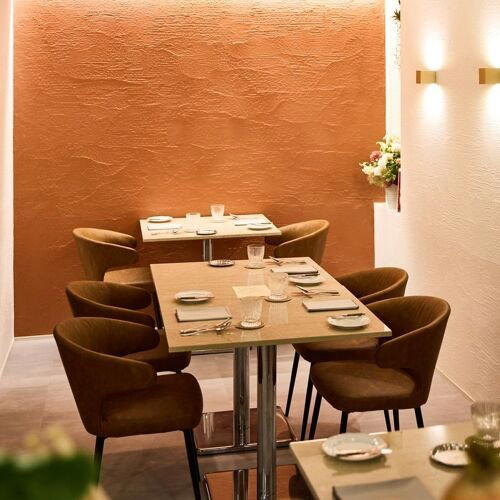
Nihonbashi and the Logic of Southern France in Central Tokyo
Le Jardin de Kamo is a Tokyo restaurant serving Modern Southern French cuisine, with a price of about $150 per person. At the leading, multi-starred rooms like Sézanne and L'Effervescence operate on long tasting menus at ¥¥¥¥ price points, drawing on classical French technique refracted through Japanese ingredients. Below that tier sits a smaller, less discussed cohort: restaurants that commit seriously to a specific French regional tradition rather than a generalized haute idiom. Le Jardin de Kamo belongs to this second group. The name itself came from the executive chef of Le Jardin des Sens, the celebrated Montpellier restaurant, and that Languedoc connection is not decorative. It shapes everything from ingredient sourcing to the philosophy of pairing.
Nihonbashi, the district where Le Jardin de Kamo operates, has its own logic as a location for this kind of cooking. The neighbourhood sits within Chuo City, one of Tokyo's oldest commercial zones, and carries a different register from the conspicuous luxury of Minami-Aoyama or the international footfall of Shinjuku. Nihonbashi attracts a clientele that is largely local and professional, comfortable with precision and heritage without needing either to be announced loudly. For a restaurant built around the quiet conviction of southern French regionalism rather than the spectacle of innovation, the address makes sense.
The Mediterranean on Japanese Terms
The editorial question with any regional French restaurant outside France is whether the regional identity is stylistic or substantive. At the restaurant, the answer leans toward the latter. Chef Kamoda's approach centres on the flavour grammar of the Mediterranean south: seafood treated with citrus, herbs, and spice rather than with cream and reduction. The sourcing anchor is the Seto Inland Sea, which produces shellfish and fish whose flavour profiles align with those of the Gulf of Lion in a way that cold northern Japanese waters would not. The pairing logic follows the teaching of his mentors in Montpellier, which means the technique is transmitted rather than invented.
This matters as a distinction. Tokyo has many restaurants doing French cooking that incorporates Japanese ingredients as a gesture toward localism, a technique common across ESqUISSE, Florilège, and others in the broader innovative French category. The restaurant moves in the opposite direction: it uses Japanese ingredients to stay true to a French regional tradition, not to depart from it. The Seto Inland Sea is deployed in service of Languedoc flavour, not as a statement about Japanese terroir.
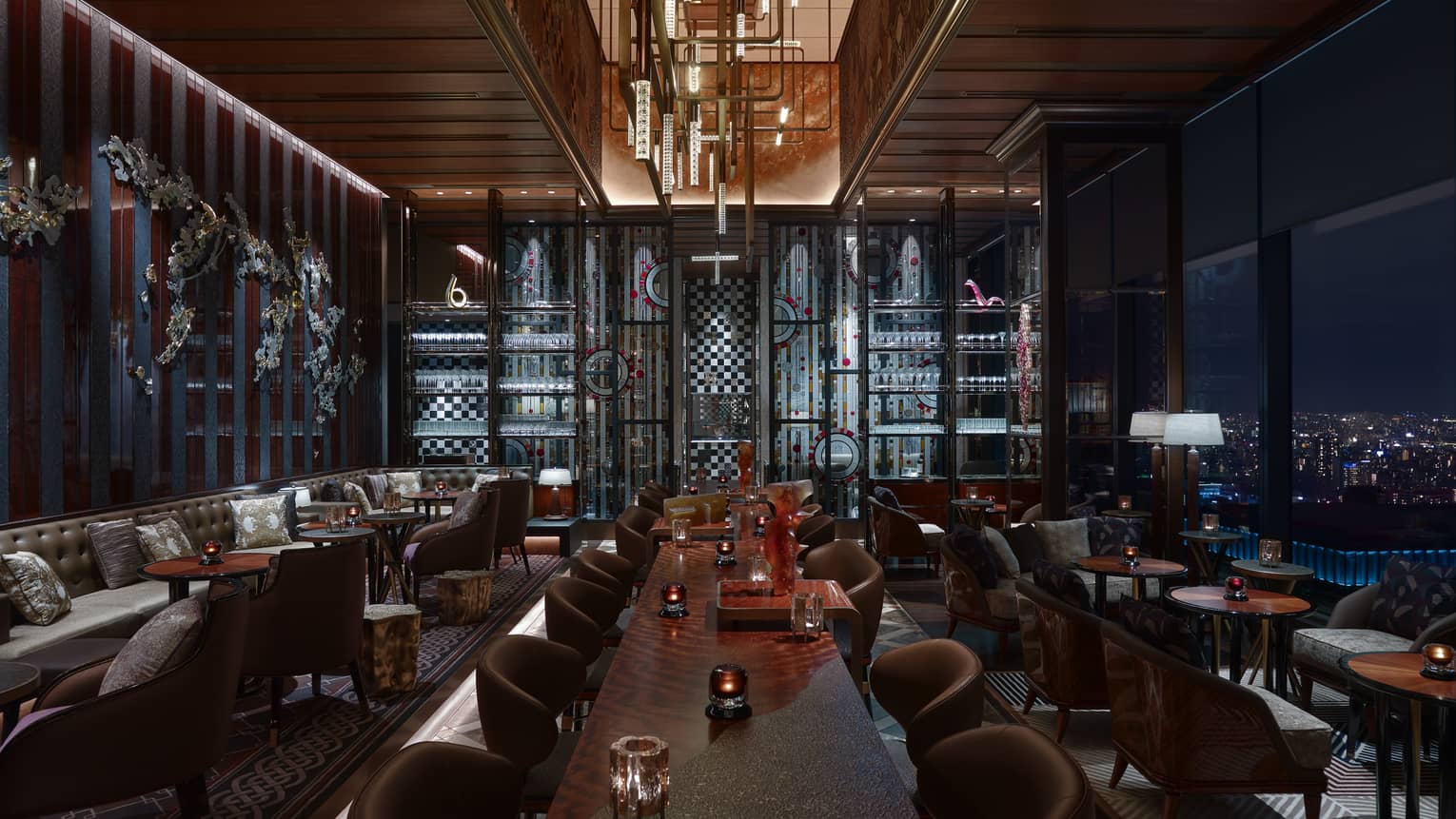
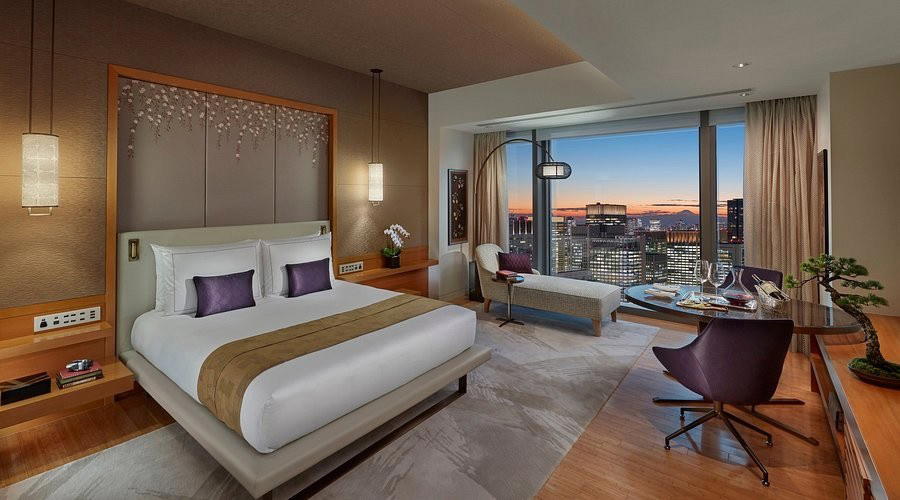
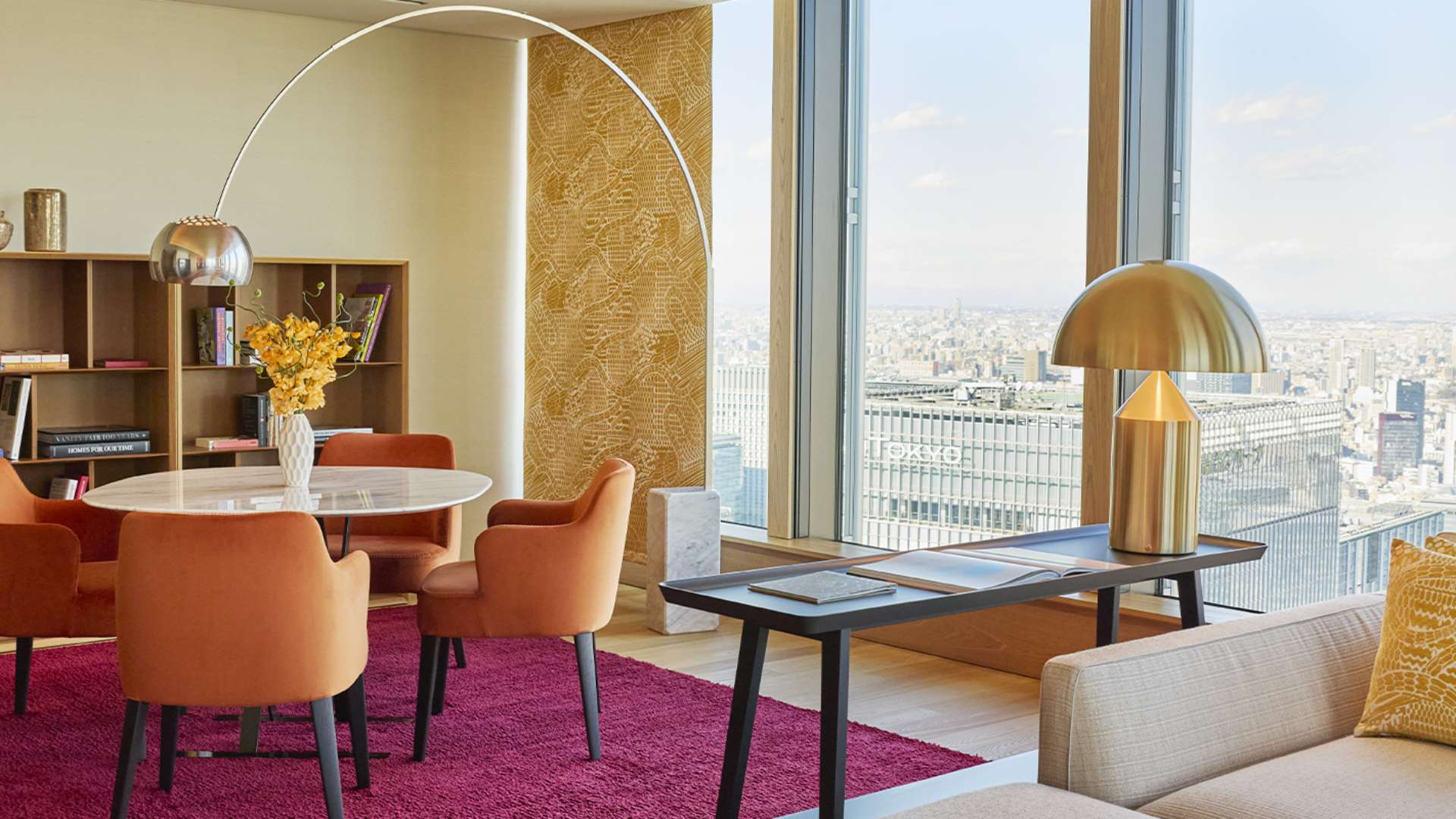
The room reinforces the culinary position. Stucco walls and warm service carry what the restaurant describes as the spirit of the south of France, and by most accounts the interior succeeds where others in this format fail. A restaurant that commits to a geographical identity in both the kitchen and the dining room creates a more coherent proposition than one that compartmentalises the two, and the combination here reads as deliberate rather than themed.
Where It Sits in the Tokyo French Tier
The restaurant holds no Michelin stars, and its quality sits in a different bracket from rooms like Château Restaurant Joël Robuchon. The ¥¥¥ pricing situates it one bracket below the ¥¥¥¥ rooms that dominate the serious French category in Tokyo, which means it operates in a space where the competitive comparable set is less dense. French restaurants at ¥¥¥ in Tokyo often trade in approximation or nostalgia; the Michelin Plate distinction marks the restaurant as operating at a higher standard of execution within that price range.
For context on where southern French cooking sits in the broader Japanese fine dining environment, the comparison is instructive. Kaiseki at ¥¥¥¥ restaurants like RyuGin represents the dominant serious-dining mode in Japan. French tasting-menu rooms at the equivalent price level, from L'Effervescence in Tokyo to HAJIME in Osaka, occupy a smaller but well-defined niche. A regionalist French kitchen at ¥¥¥ is a still narrower position, one that requires genuine culinary conviction to hold. The Montpellier lineage provides the credibility that purely domestic training might not.
The contrast between the restaurant's regionalist approach and the multi-regional haute cuisine of Les Amis in Singapore or the Burgundian rigour of Hotel de Ville Crissier in Crissier illustrates how differently French regional identity translates across kitchens outside France.
Planning a Visit
The restaurant is located in Nihonbashihakozakicho, Chuo City, inside the Lumine Nihonbashi No. 2 building at 8-6. The Nihonbashi area is accessible from multiple Tokyo Metro lines, making it direct from most central neighbourhoods. Given the price point and strong reviews, booking in advance is advisable. The restaurant does not publish hours or a website in standard directories, so one reliable method of reservation is to call or visit the Lumine Nihonbashi complex directly for current scheduling.
Comparison Snapshot
Comparable venues nearby, for context on price, style, and recognition.
| Venue | Cuisine | Price | Awards | Notes |
|---|---|---|---|---|
| Le Jardin de KamoThis venue — the venue you are viewing | Modern Southern French | $$$$ | Michelin Plate | Not listed |
| AMOUR | Japanese French Kaiseki | $$$$ | Michelin Plate | Shibuya |
| UNE PINCÉE | Seasonal French Bistro | $$$$ | Michelin Plate | Minato |
| Bouquet de France | Classic French Pork Cuisine | $$$ | Michelin Plate | Minato |
| ÉTAPE | Modern French-Japanese Fusion | $$$ | Michelin Plate | Sumida |
| KOTARO Hasegawa DOWNTOWN CUISINE | French Fine Dining | $$$ | Michelin Plate | Taitō |
Recognition history
Dated appearances from independent guides and award organizations, with the underlying list record or original source where available.
Michelin Plate
Michelin
Michelin Plate
Michelin
Michelin Plate
Michelin









At a Glance
- Elegant
- Cozy
- Sophisticated
- Intimate
- Date Night
- Special Occasion
- Private Dining
- Extensive Wine List
- Local Sourcing
Current opening hours
- Monday
- 6–10 PM
- Tuesday
- 6–10 PM
- Wednesday
- Closed
- Thursday
- 6–10 PM
- Friday
- 11:30 AM–3 PM, 6–10 PM
- Saturday
- 11:30 AM–3 PM, 6–10 PM
- Sunday
- 6–10 PM
Hours can change for holidays and private events. Last verified .
Warm, sun-washed stucco walls with softened light create a serene, Mediterranean villa-like atmosphere, complemented by poised and hospitable service.