Black Ship Little Katana
Black Ship Little Katana occupies a compact address at 555 S Lamar Street in downtown Dallas, positioning itself within a city that has developed a serious appetite for Japanese-influenced dining. With sparse publicly available detail, the restaurant invites discovery on its own terms, a quality that, in the current Dallas dining scene, can itself be a signal worth reading.
 Discover on Pearl
Pearl is the En Primeur Club membership app — saves, bookings, and concierge access live there. Same editors, same standards.
- Address
- 555 S Lamar St #130, Dallas, TX 75202
- Phone
- +12147607200
- Website
- omnihotels.com
A Downtown Corner Worth Reading Carefully
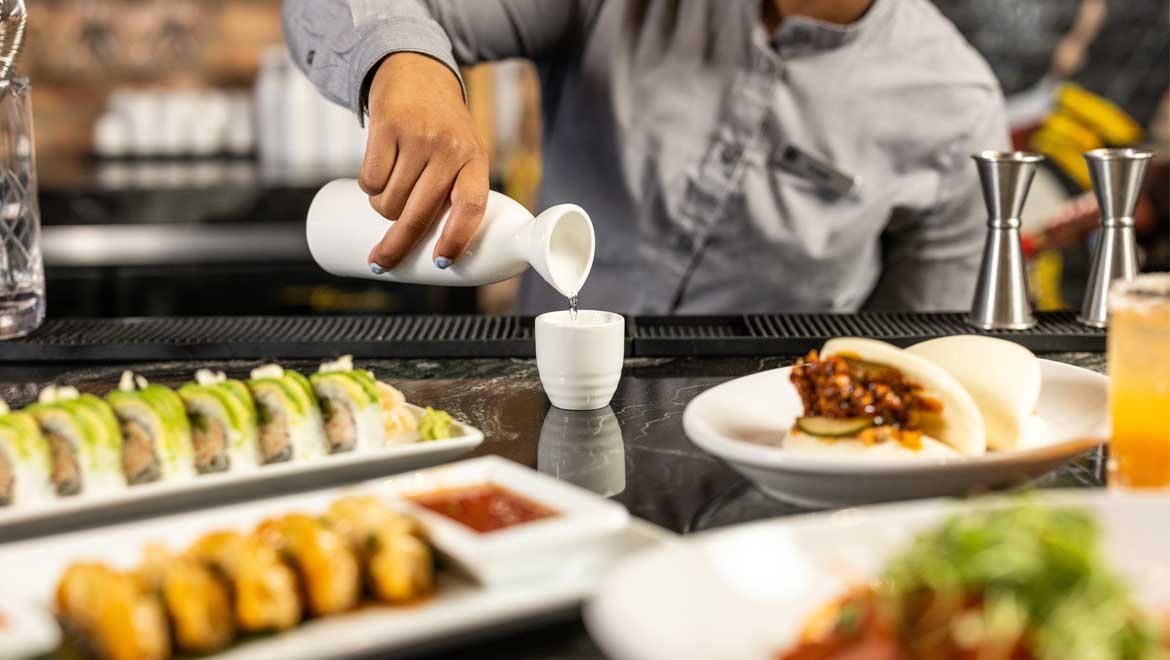
The stretch of South Lamar Street that runs through downtown Dallas has changed shape quietly over the past decade. What was once peripheral to the city's dining conversation has gradually filled with addresses that reward attention rather than announce themselves. Black Ship Little Katana, at 555 S Lamar Street, is a restaurant serving contemporary Asian fusion with Japanese sushi. That restraint is itself a positioning choice, and it places the restaurant in a specific tier of the city's dining ecosystem, one where the room does less work and the plate does more.
Dallas has matured significantly as a Japanese dining destination. Tei-An long established that serious soba and izakaya discipline could find an audience in the city; Tatsu Dallas has since pushed Japanese formats further upmarket. Black Ship Little Katana's address and naming convention, the "Little" qualifier doing deliberate work, suggests a counter-programming instinct: smaller format, tighter focus, less ceremony around the room and more around the food itself.
The Ethics of a Compact Kitchen
Among the most consequential shifts in American dining over the past several years has been the move toward kitchens that treat sourcing as a structural decision rather than a marketing afterthought. The restaurants operating most credibly in this space, Blue Hill at Stone Barns in Tarrytown, Single Thread Farm in Healdsburg, and Smyth in Chicago, have built their menus backward from provenance: what is available, what is in season, what generates minimal waste. The editorial claim these kitchens make is that constraint produces better cooking, not worse.
Compact formats like the one Black Ship Little Katana appears to occupy are structurally better placed to operate this way. A smaller kitchen buying in smaller quantities can shift suppliers week to week, respond to glut pricing at market, and eliminate the ordering patterns that force larger operations to accept whatever a distributor has warehoused. Japanese culinary tradition reinforces this tendency: the kaiseki model, which governs much of serious Japanese cooking, treats seasonal availability as the menu's starting point rather than its obstacle. Waste is not incidental in that tradition; it is considered a failure of planning.
Providence in Los Angeles has built a reputation around responsible sourcing in a seafood context. Addison in San Diego approaches ingredient integrity with comparable seriousness. In Europe, Atelier Moessmer Norbert Niederkofler in Brunico has built an entire Michelin-recognized identity around mountain-sourced, zero-waste cooking. The common thread is not cuisine type but attitude toward the supply chain.
Where Black Ship Little Katana Sits in Dallas's Japanese Tier
Dallas's Japanese dining tier has stratified considerably. At the top of the price bracket, omakase-format counters and high-touch izakaya operations like Tei-An command prices that rival New York's mid-tier Japanese rooms. Below that sits a range of casual and mid-formal operations where format variety is wide and quality is uneven. The interesting movement is happening in the space between: venues with a defined culinary identity and a deliberate pricing strategy.
That middle register is where restaurants like Mamani and 3Eleven Kitchen and Cocktails have found their footing in Dallas, each with a distinct identity and a clear comparable set. Black Ship Little Katana's address, suite 130 in a South Lamar block, places it physically in a neighborhood where this mid-formal tier is growing. Whether the food and format live up to the neighborhood's trajectory is the operative question.
The name itself carries weight. "Black Ship" in Japanese cultural context refers to the Western vessels that forcibly opened Japan to trade in the nineteenth century, a loaded reference that speaks to cross-cultural collision and transformation. "Little Katana" layers a martial refinement onto that. Together, the name signals a kitchen thinking about the tension between Japanese tradition and its American context, rather than simply executing familiar formats for a Dallas crowd more accustomed to 12 Cuts Brazilian Steakhouse or 360 Brunch House.
Reading the comparable set
To understand what Black Ship Little Katana is attempting, it helps to look at what the most credible Japanese-influenced kitchens in America are doing with sourcing and sustainability as a through-line. Atomix in New York City has built its two-Michelin-star Korean-Japanese program around seasonal produce sourced from named farms, with a tasting menu structure that changes with the growing calendar. Le Bernardin in New York City has embedded sustainable seafood sourcing into its procurement process for years, working with suppliers who can speak to fishing method and origin. The French Laundry in Napa maintains an on-site garden that directly feeds the kitchen's daily output.
These are reference points, not comparisons. But they establish the field in which a restaurant naming itself with the precision and cultural weight that Black Ship Little Katana does must eventually position itself. The credibility signals that matter in this tier are sourcing transparency, menu seasonality, and evidence that the kitchen is making decisions based on something other than cost and convenience.
Dallas is not short of ambition in this area. Lucia has spent years building an Italian program grounded in responsible sourcing. Fearing's has operated a serious Southwestern kitchen with regional ingredient commitments for over a decade. The city's diners have demonstrated appetite for this kind of cooking at multiple price points. For a venue at 555 S Lamar to find its footing in that context, it needs a clear answer to what it is sourcing, why, and what that produces on the plate.
Know Before You Go
Know Before You Go
- Address: 555 S Lamar St, Suite 130, Dallas, TX 75202
- Cuisine: Contemporary Asian Fusion with Japanese Sushi
- Price range: About $45 per person
- Reservations: Recommended
- Hours: Tue-Sat 4-10 PM; Mon and Sun closed
- Parking: South Lamar Street has street and structured parking options nearby; Dallas's downtown grid makes rideshare practical
In Context: Similar Options
Comparable venues nearby, for context on price, style, and recognition.
| Venue | Cuisine | Price | Awards | Notes |
|---|---|---|---|---|
| Black Ship Little KatanaThis venue — the venue you are viewing | Contemporary Asian Fusion with Japanese Sushi | $$$ | , | |
| 4525 Cole Ave | Asian-Fusion Sushi & Steakhouse | $$$ | , | Oak Lawn |
| Musume | Modern Japanese Sushi and Fusion | $$$ | , | Arts District |
| T Room | American Casual | $$$ | , | Knox/Henderson |
| CBD Provisions | Modern Texas Brasserie | $$$ | , | Downtown |
| Zodiac | Contemporary American Fine Dining | $$$ | , | Downtown |
Continue exploring
More in Dallas
Restaurants in Dallas
Browse all →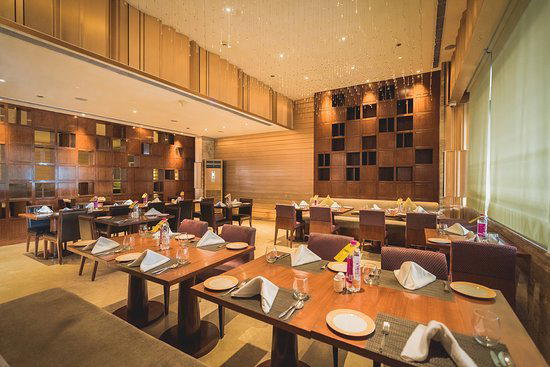
Bars in Dallas
Browse all →
Hotels in Dallas
Browse all →



At a Glance
- Elegant
- Modern
- Sophisticated
- Date Night
- Business Dinner
- Group Dining
- Celebration
- Private Event
- Private Dining
- Hotel Restaurant
- Open Kitchen
- Craft Cocktails
- Sake Program
- Beer Program
- Sustainable Seafood
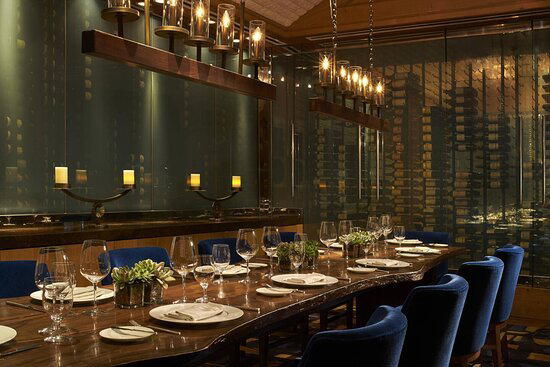
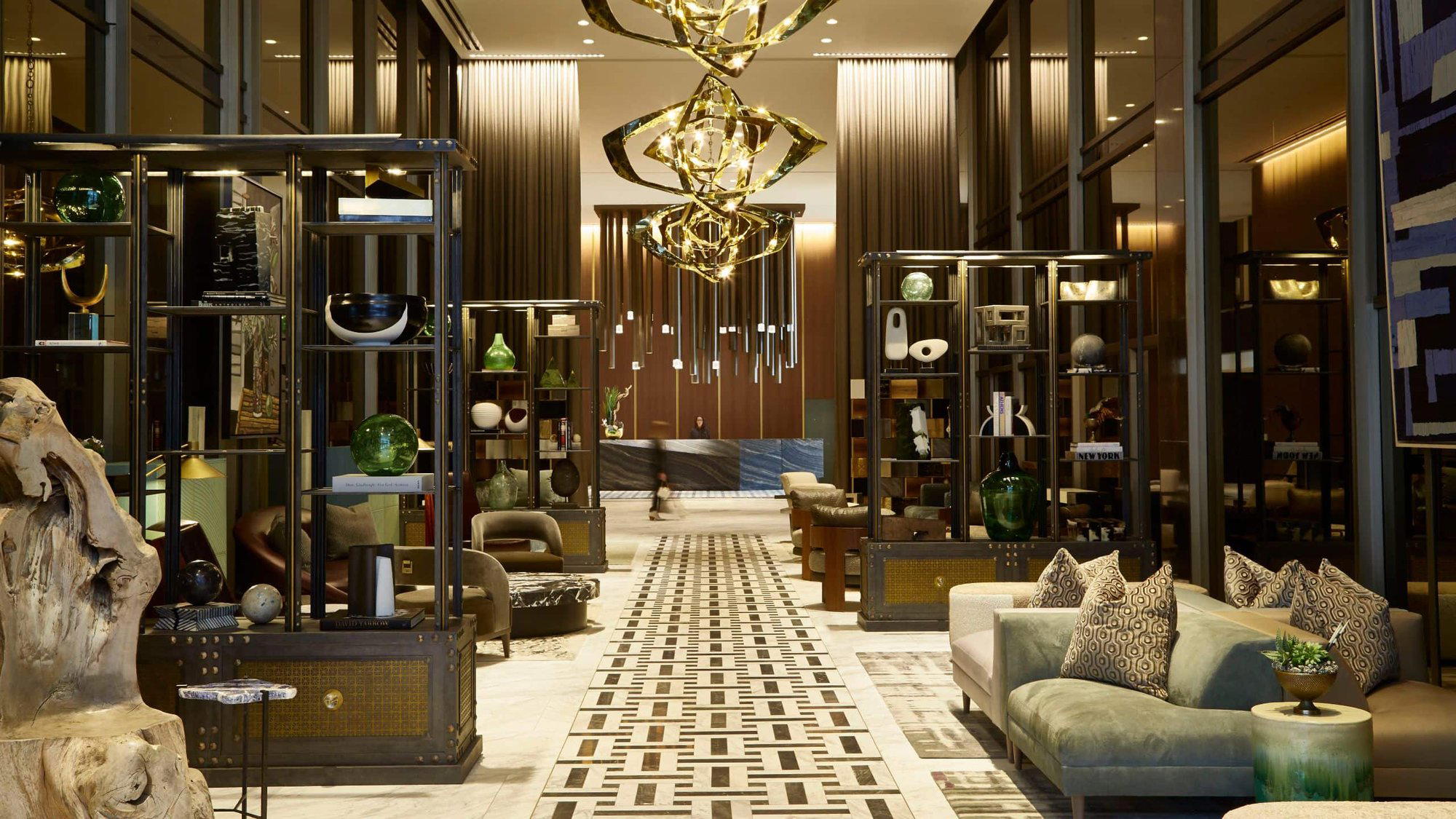
Dark and rich decor with nautical elements including lanterns and reclaimed wood panels; sophisticated yet approachable atmosphere.