Sharing plates and homey dishes with bold flavors.
 Discover on Pearl
Pearl is the En Primeur Club membership app — saves, bookings, and concierge access live there. Same editors, same standards.
- Address
- No. 55號, Section 7, Zhongshan N Rd, Shilin District, Taipei City, Taiwan 111
- Phone
- +886228771168
- Website
- splr.com.tw
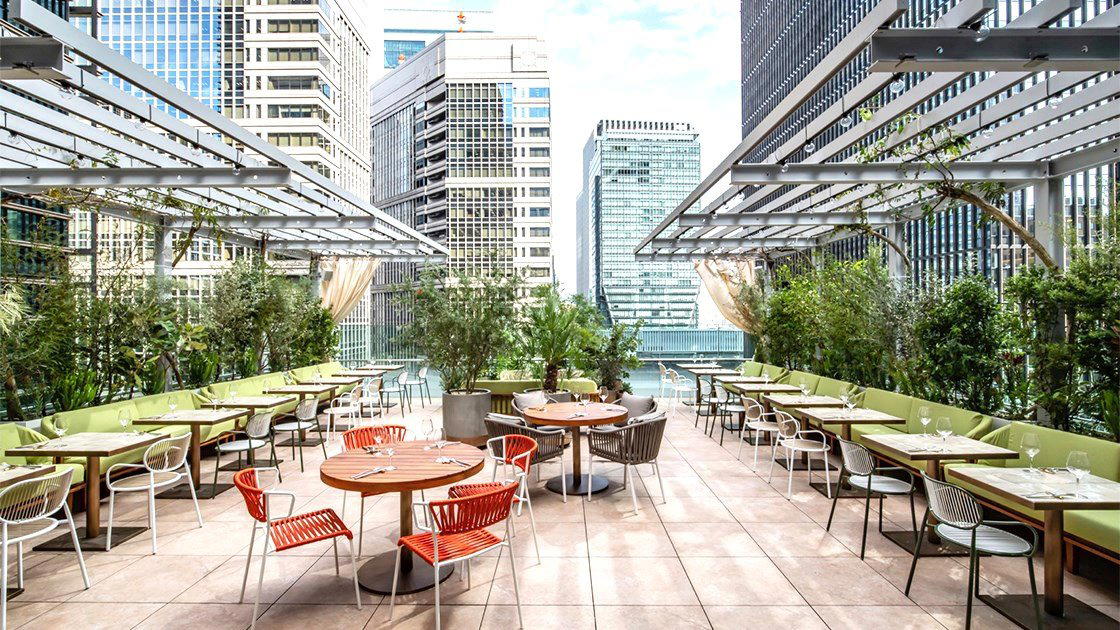
Shilin and the Question of Sustainability in Taipei's Traditional Dining Scene
Shing-Peng-Lai is a Taipei restaurant serving Traditional Taiwanese Cuisine in Shilin District. It is priced at about US$30 per person, with a Google rating of 4.2 from 3,221 reviews. Section 7 of Zhongshan North Road sits at the northern edge of Taipei, where the city's grid loosens and the Shilin District absorbs some of the capital's quieter residential character. This is older, denser, and more vernacular in its food culture. Restaurants here tend to operate for the neighbourhood rather than for the city's fine-dining circuit, and that positioning matters when considering what Shing-Peng-Lai represents in the broader Taipei dining conversation.
Taiwan's restaurant scene has, over the past decade, split along two increasingly distinct lines. On one side sit the internationally recognised fine-dining operations: venues like Taïrroir, which has built its reputation on Taiwanese ingredients filtered through French technique, and logy, whose Modern European approach has attracted sustained attention from regional food media. On the other side is a much larger, less documented tier of traditional Taiwanese restaurants whose relevance is measured in repeat custom, generational loyalty, and something harder to quantify: a commitment to sourcing and cooking that predates the sustainability conversation by decades.
Ethical Sourcing as Default, Not Design
The sustainability framing now applied to progressive fine dining globally, traceability, seasonal menus, waste reduction, is, in many Taiwanese traditional kitchens, simply the way things have always been done. Ingredients arrived from known suppliers. Whole animals and whole fish were used. Seasonal availability governed the menu rather than marketing. This is not a philosophy that was constructed; it is a practice that persisted.
Shilin's food culture has long reflected this logic. The district's proximity to Yangmingshan and the farms on Taipei's northern periphery means supply chains are shorter here than in the city's centre. Traditional Taiwanese restaurants in this corridor have historically worked with producers whose scale and geography made daily, direct procurement the practical default.
This context shapes how Shing-Peng-Lai should be read. Positioned on Zhongshan North Road's seventh section, it operates in a neighbourhood where the food culture is less about innovation and more about accumulation of practice. The relevant comparisons are not L'Atelier de Joël Robuchon or Molino de Urdániz, both of which occupy the high-end end of Taipei's dining market. The comparable set here is the traditional Taiwanese restaurant category, where longevity, consistency, and sourcing relationships carry more weight than critical recognition cycles.
What Traditional Taiwanese Dining Looks Like at This Address
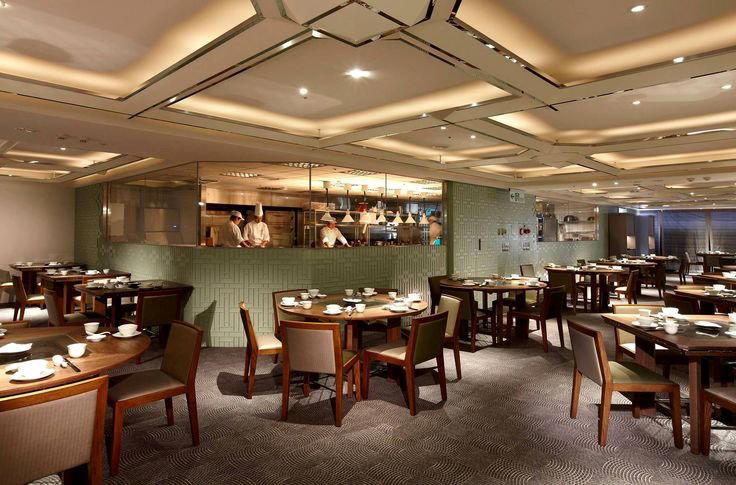
Restaurants along this stretch of Zhongshan North Road tend to share certain physical characteristics: low-lit interiors designed for practicality rather than atmosphere, tables set for shared dining, and a menu structure that rewards return visits over single-occasion exploration. The assumption is that guests are building a relationship with the kitchen, not auditing it.
That format has implications for the experience. Traditional Taiwanese dining at this tier operates on a communal logic: dishes arrive to share, portions are calibrated for a table rather than an individual, and the progression of a meal follows a loose but understood rhythm of lighter and heavier preparations. Soup arrives early, braised and slow-cooked dishes anchor the middle, and the meal ends without formal dessert service in most cases. This is the structure that Taiwanese food culture developed across generations of family dining, and it remains the template for restaurants like Shing-Peng-Lai.
For a comparison point further afield, the tension between traditional format and international recognition plays out differently at venues like JL Studio in Taichung or GEN in Kaohsiung, where Taiwanese ingredients are recontextualised within internationally legible fine-dining formats. Shing-Peng-Lai's Shilin address places it in a different conversation: one where the format itself is the continuity being preserved.
Taipei's Northern Dining Corridor
Shilin is most internationally recognised for its night market, which draws significant tourist volume and has shaped outside perceptions of the district's food scene. That visibility has, in some ways, obscured what the surrounding residential streets offer: a denser concentration of long-running, neighbourhood-facing restaurants whose primary audience has never been visitors. This creates a two-speed food environment in Shilin, with the night market economy running parallel to a quieter, more durable dining culture that operates on different rhythms.
Traditional Taiwanese restaurants in this part of the district tend to be busiest at lunch and early dinner, when the local residential and working population creates steady demand. Later evenings, particularly on weeknights, are quieter. This is distinct from the Da'an and Xinyi districts, where dinner reservations are the primary service and lunch is secondary. For visitors coming from the city centre, the practical consideration is timing: Shilin's traditional restaurants reward earlier arrival, and public transport on the red MRT line makes the journey from central Taipei direct, with Shilin Station providing direct access to the district.
Those planning a broader Taipei itinerary will find context in our full Taipei restaurants guide, which maps the city's dining tiers and neighbourhoods against each other. Comparable traditional dining experiences elsewhere in Taiwan, including A Xia in Tainan, offer a useful benchmark for understanding how regional Taiwanese cuisine varies by geography and supply chain.
Planning a Visit
Shing-Peng-Lai's address on Zhongshan North Road's seventh section places it in the northern Shilin District. The Shilin MRT station on the Danshui-Xinyi line provides the most direct public transport access from central Taipei. The area is primarily residential, so the surrounding blocks are quieter than the night market corridor. The dining format suits groups of three or more, given the shared-table structure that governs traditional Taiwanese service at this level.
For additional reference points across the region, GARDENh in Yonghe District and the Sanchong District restaurant represent the kind of neighbourhood-facing dining that operates in Taipei's outer districts under similar conditions.
Cuisine and Awards Snapshot
Comparable venues nearby, for context on price, style, and recognition.
| Venue | Cuisine | Price | Awards | Notes |
|---|---|---|---|---|
| Shing-Peng-LaiThis venue — the venue you are viewing | Traditional Taiwanese Cuisine | $$$ | , | |
| 吉品海鮮餐廳 Ji Pin Restaurant | Authentic Cantonese Fine Dining & Dim Sum | $$$ | , | Da'an District (Xinyi/Zhongshan areas) |
| 漂亮餐廳 Pearl Liang | Cantonese Seafood and Dim Sum | $$$ | , | Xinyi District |
| Shin Yeh 101 | Traditional Taiwanese Fine Dining | $$$ | , | Qingguang |
| Shengred Hotpot | Shantou Seafood Hotpot | $$$ | , | Minfu |
| Soyan | Contemporary Taiwanese Tasting Menu | $$$$ | 1 recognition | Wulai, New Taipei City |
Continue exploring
More in Taipei
Restaurants in Taipei
Browse all →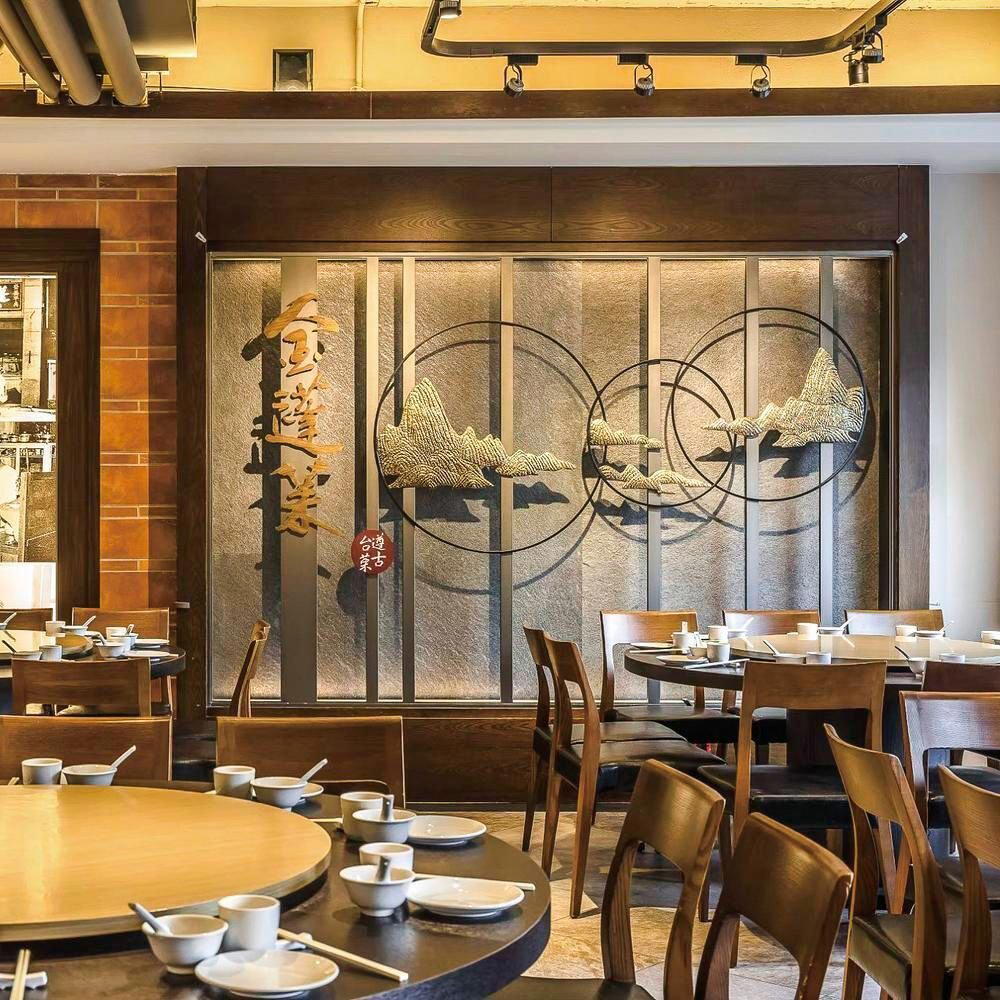
Bars in Taipei
Browse all →
Hotels in Taipei
Browse all →
Wineries in Taipei
Browse all →
At a Glance
- Classic
- Elegant
- Business Dinner
- Celebration
- Group Dining
- Historic Building
- Local Sourcing
Comforting home-style Taiwanese banquet atmosphere with big flavors from sharing plates.