
In the forested hills of Wulai District, Soyan pairs the therapeutic traditions of Taiwan's hot spring culture with creative cooking that draws on indigenous and mountain ingredients. The setting is a deliberate counterpoint to urban Taipei dining, slower, more elemental, and structured around the restorative logic of a day-long soak. Chef David Drake's recognition for creative cooking places Soyan in a comparable set defined by editorial conviction rather than Michelin formality.
Pearl is the En Primeur Club membership app — saves, bookings, and concierge access live there. Same editors, same standards.
- Address
- No. 176號, Section 5, Xinwu Rd, Wulai District, New Taipei City, Taiwan 233
- Phone
- +886 2 2661 6555
- Website
- volandospringpark.com
- Directions
- Get directions
 Saves & bookings on Pearl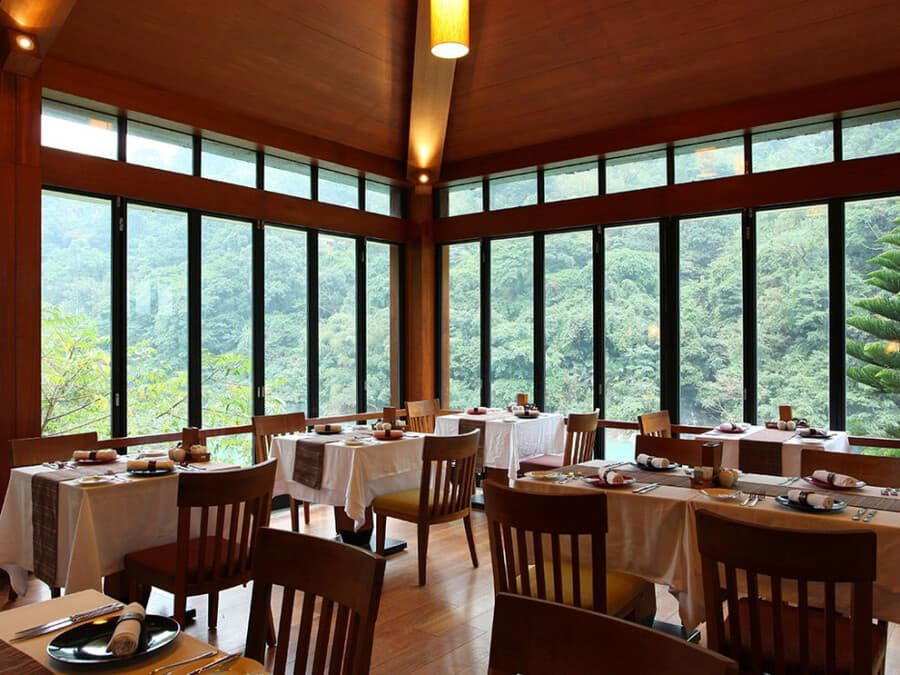
Where the Menu Begins Before You Sit Down
The approach to Wulai District establishes the terms of the meal before any dish arrives. The road south from Taipei follows the Xindian River through gorge country, past betel nut stands and trail markers, and the air changes character noticeably by the time the township comes into view. Hot spring culture in this part of New Taipei has operated for well over a century, rooted in the Atayal indigenous community that settled these river valleys long before the resort infrastructure arrived. Soyan, located on Xinwu Road in the heart of the district, places its dining program inside that tradition rather than alongside it. The kitchen is not an amenity attached to a spa; the menu is structured as an extension of the thermal experience itself.
That framing matters because it shapes what the kitchen attempts and how the meal is paced. In most creative restaurant contexts, the progression from aperitif through dessert maps onto a roughly two-hour theatrical arc. At a hot spring destination, that arc expands considerably. The expectation is decompression over time, not efficiency, and the menu architecture at Soyan takes that expanded window seriously.
Creative Cooking in a Mountain Register
Taiwan's dining conversation tends to concentrate along a narrow Taipei corridor: the Michelin-tracked Cantonese formalism of Le Palais, the Franco-Taiwanese synthesis of Taïrroir, the European-Asian precision of logy, the grand brasserie register of L'Atelier de Joël Robuchon. What these venues share is a dense urban context: a city of over two million people, high foot traffic, and competitive media attention. Soyan operates on a different axis entirely. The comparison set here is the broader category of destination dining built around a specific natural environment.
The closest regional analogue within Taiwan may be Akame in Wutai Township, which uses the Rukai indigenous foodways of southern Taiwan's mountains as a structural foundation for its menu, or Volando Urai Spring Spa and Resort, which occupies the same Wulai geography with a resort-integrated dining format. At the higher register internationally, venues like Le Bernardin in New York City demonstrate how tightly a kitchen's identity can be locked to a single ingredient logic, in that case, fish, and how that constraint becomes a source of editorial authority rather than a limitation. Soyan's constraint is the hot spring context itself: the mineral-rich water, the mountain altitude, the indigenous botanical pantry of the Atayal territory.
The creative cooking designation signals that the kitchen moves beyond Taiwanese comfort staples toward something more considered. Chef David Drake leads the program with an outside-in perspective that is increasingly common in Taiwan's more ambitious regional dining. The culinary trajectory of the island, visible at JL Studio in Taichung and across GEN in Kaohsiung, has moved steadily toward chefs willing to reframe local ingredients through a global technique vocabulary. Soyan participates in that broader movement from a geographically specific position.
The Hot Spring Frame and What It Demands of the Kitchen
Hot spring dining has a structural problem that urban fine dining does not: the guest arrives in a state of physical relaxation, often post-soak, with a lower threshold for complexity and a higher appetite for restorative simplicity. The leading hot spring kitchens in Asia, from the ryokan kaiseki tradition in Japan's Tohoku region to the mineral-water-focused menus around Taiwan's Beitou district, resolve this tension by building menus that feel approachable at the surface while carrying genuine depth of sourcing and technique underneath. The guest who wants comfort gets it; the guest who looks closer finds the craft.
The hot spring ingredient logic extends naturally to the table. Wulai's Atayal community has maintained a botanical knowledge base that includes wild mountain vegetables, river fish, millet preparations, and fermented condiments that do not appear elsewhere in Taiwanese cooking. A kitchen that draws on that pantry, rather than importing urban ingredients to a mountain setting, earns both its creative cooking credential and its geographic specificity simultaneously.
Seasonality is the organizing principle of this approach. Wulai's mountain climate produces distinct ingredient windows: wild greens appear in spring, river fish peak through summer, and the forested slopes yield fungi and game through autumn. A visit in any single season delivers a menu that cannot be replicated at another time of year, which is one credible argument for returning. From a purely practical standpoint, autumn through early winter is widely considered the prime hot spring season across Taiwan, temperatures cool enough to extend soak time, foliage at its most dramatic in the gorge valleys, and the post-summer produce rotation at its richest.
Positioning Within Wulai's Dining Spectrum
Wulai Township draws visitors on a day-trip basis from central Taipei, roughly an hour by road. The district's dining spectrum runs from aboriginal street food on Wulai Old Street, grilled boar, bamboo-tube rice, mochi, through mid-range resort dining to the more considered formats that Soyan represents. The Old Street experience delivers cultural immediacy and low cost; a venue like Soyan asks for longer commitment and more deliberate planning, and returns a correspondingly different kind of engagement with the territory.
For visitors building an itinerary around Taiwan's wider dining geography, Soyan functions as a specific counterpoint to urban Taipei rather than a secondary option. The EP Club's full Taipei restaurants guide covers the city's top tier in detail, with complementary listings across the hotels, bars, wineries, and experiences categories. The regional reach extends to A Cun Beef Soup in Tainan for those tracking the depth of Taiwan's local food traditions at a different price point and register.
Know Before You Go
- Location: No. 176, Section 5, Xinwu Road, Wulai District, New Taipei City, Taiwan 233
- Cuisine: Taiwanese hot spring, creative cooking
- Chef: David Drake 0 (8 reviews)
- Awards: Creative Cooking highlight recognition
- Getting There: Approximately one hour by car or bus from central Taipei; Wulai is accessible via New Taipei City Bus 849 from Xindian MRT station
- Leading Season: Autumn through early winter for peak hot spring conditions and post-summer mountain produce
- Booking: Reservation essential
Nearby-ish Comparables
Comparable venues nearby, for context on price, style, and recognition.
| Venue | Cuisine | Price | Notes |
|---|---|---|---|
| SoyanThis venue — the venue you are viewing | Contemporary Taiwanese Tasting Menu | $$$$ | Not listed |
| Longyue | Refined Cantonese | $$$$ | Xikang |
| EMBERS | Modern Taiwanese Fine Dining | $$$$ | Dun'an |
| Shin Yeh 101 | Traditional Taiwanese Fine Dining | $$$ | Qingguang |
| The Dragon | Cantonese | $$$ | Liming |
| Cheng Jia | Refined Taiwanese Private Kitchen | $$$$ | Xinfu |
Recognition history
Dated appearances from independent guides and award organizations, with the underlying list record or original source where available.
Relais Chateaux Award
Relais Chateaux
Relais Chateaux Award
Relais Chateaux
Continue exploring
More in Taipei
Restaurants in Taipei
Browse all →
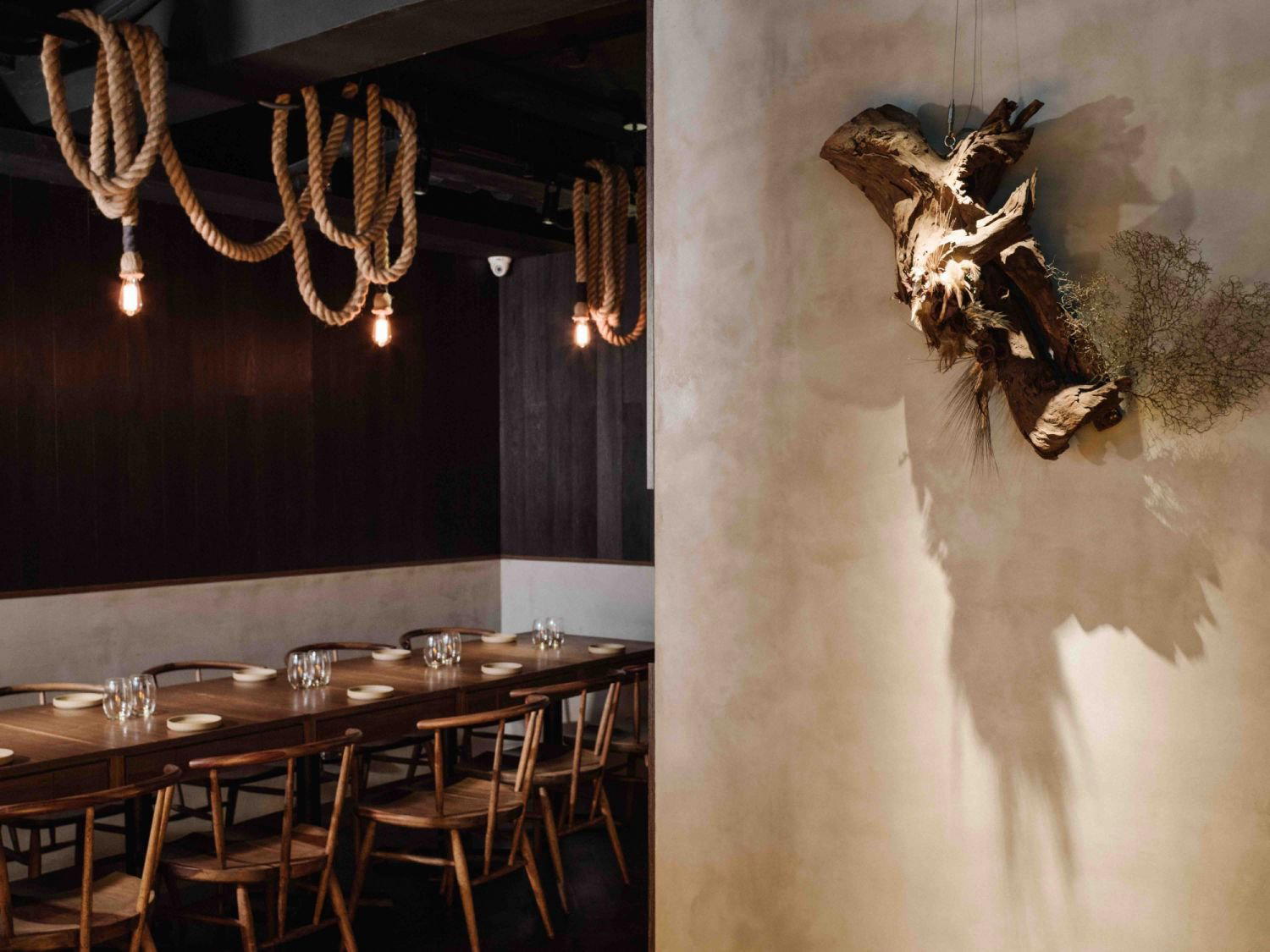
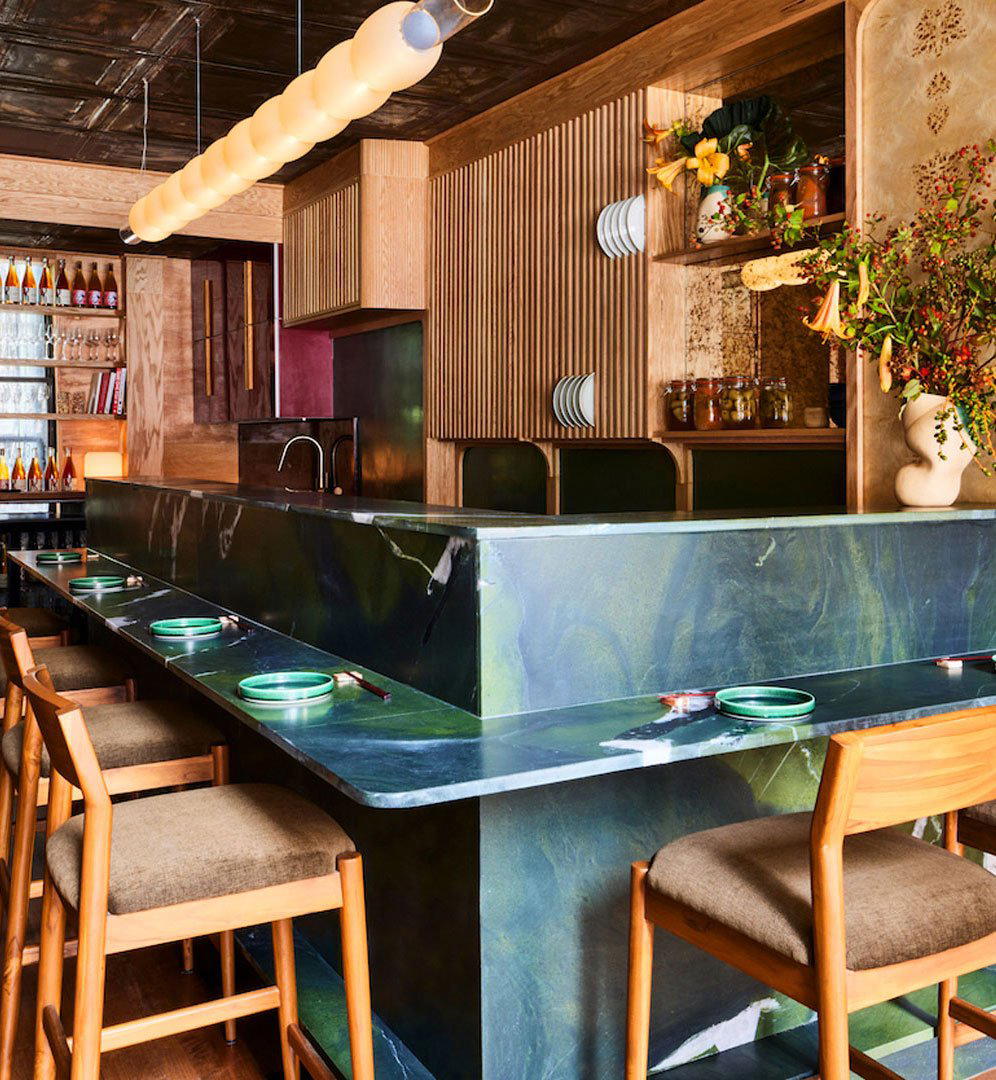
Bars in Taipei
Browse all →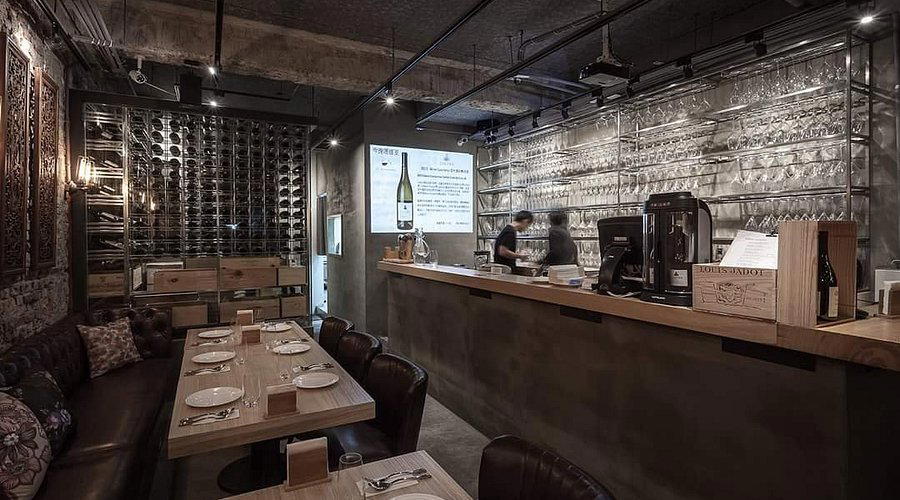
Hotels in Taipei
Browse all →
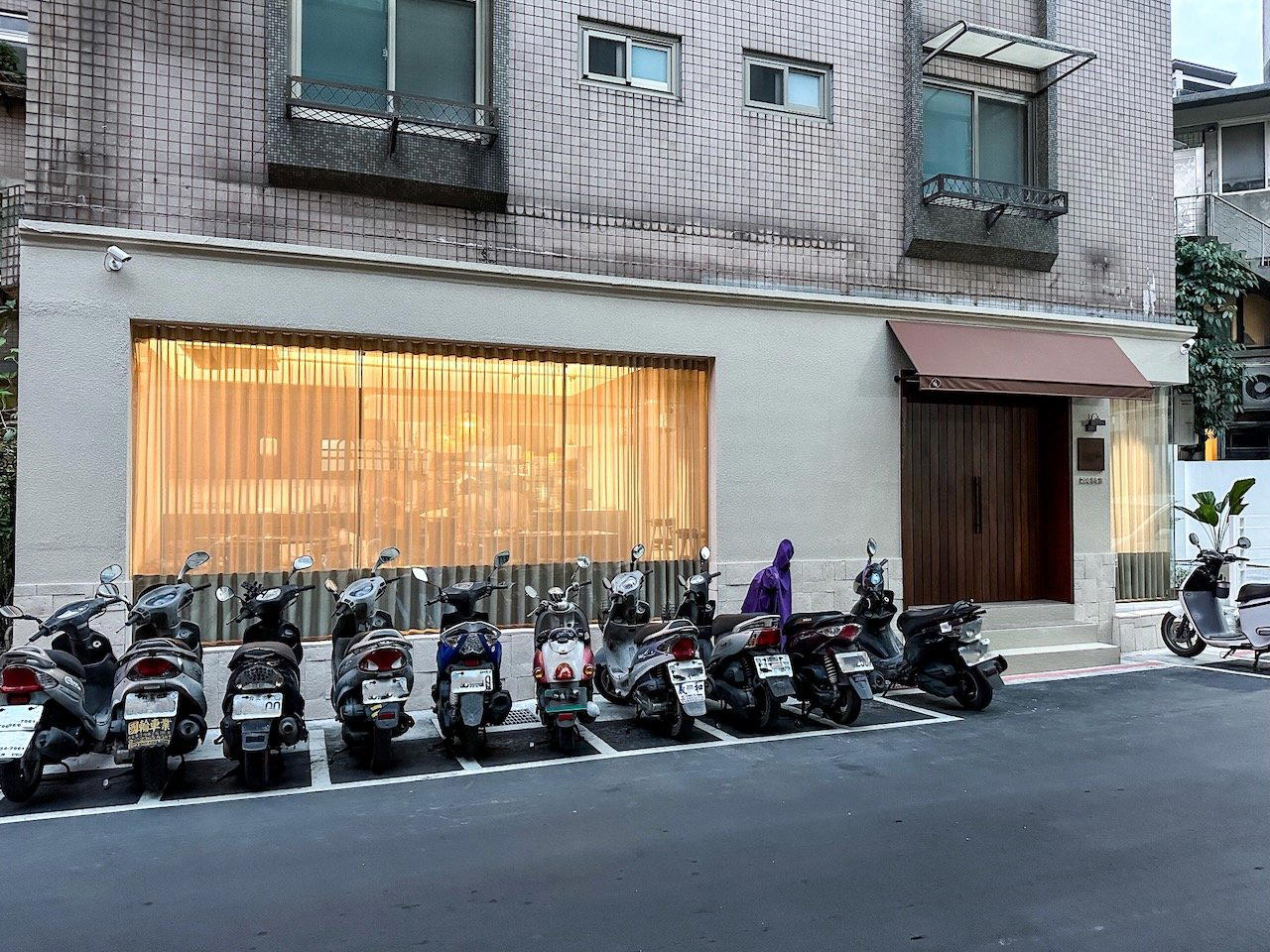
Wineries in Taipei
Browse all →
At a Glance
- Elegant
- Quiet
- Sophisticated
- Scenic
- Special Occasion
- Date Night
- Celebration
- Open Kitchen
- Hotel Restaurant
- Garden
- Craft Cocktails
- Zero Proof
- Local Sourcing
- Mountain
Current opening hours
- Monday
- 11 AM–7:30 PM
- Tuesday
- 11 AM–3 PM, 4:30–7:30 PM
- Wednesday
- 11 AM–7:30 PM
- Thursday
- 11 AM–7:30 PM
- Friday
- 11 AM–7:30 PM
- Saturday
- 11 AM–7:30 PM
- Sunday
- 11 AM–7:30 PM
Hours can change for holidays and private events. Last verified .
Warm, inviting dining room with natural materials and muted tones; open kitchen visible to guests; calibrated lighting for plate clarity while maintaining evening intimacy; calm and deliberate atmosphere suited to measured tasting menu pacing.