
Shina Soba Wanwan Ken Honten puts Itano-gun into Japan’s serious ramen conversation through a low-price, high-throughput format rather than luxury signals. The draw is Tokushima-style shina soba culture: regional ramen built for regular use, with counter seats, tables, tatami seating, take-out, and Tabelog Ramen WEST 100 recognition in 2025, 2024, 2023, and 2020.
Pearl is the En Primeur Club membership app — saves, bookings, and concierge access live there. Same editors, same standards.
- Address
- 徳島県板野郡藍住町徳命字牛ノ瀬446-15
- Phone
- +81886930393
- Website
- wanwanken.com
- Directions
- Get directions
 Saves & bookings on Pearl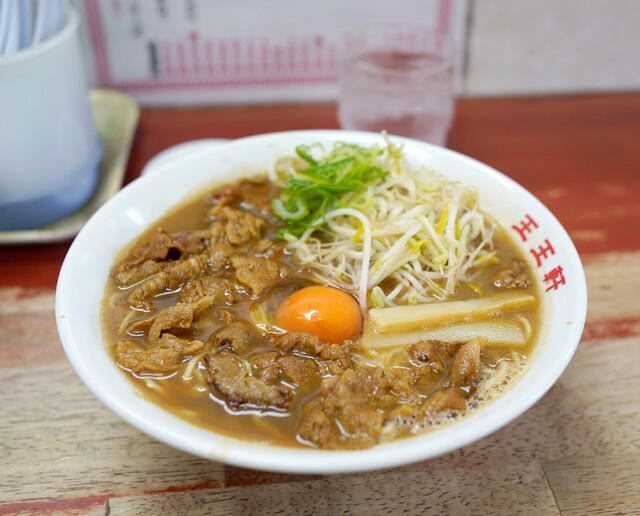
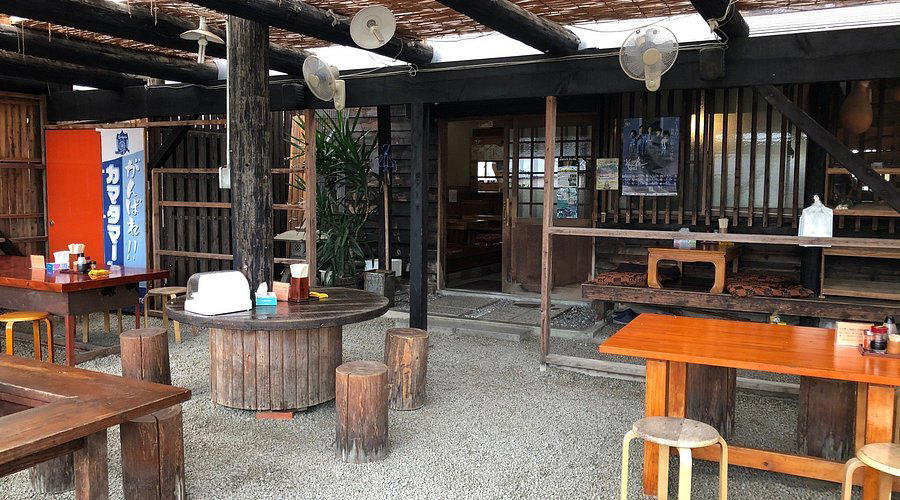
The approach is suburban Tokushima rather than station-front theatre: a house-style ramen shop in Aizumi, with counter seating for solo bowls, tables for small groups, and tatami space that keeps the room anchored in local family dining. That matters in Itano-gun, where the strongest noodle addresses are not built around long tasting-menu suspense. They run on repetition, speed, price discipline, and a broth culture tied to everyday appetite.
Tokushima ramen has always sat slightly apart from the national ramen conversation. Tokyo often rewards technical minimalism, Sapporo is shorthand for miso weight, and Hakata trades on pork-bone velocity. Tokushima’s shina soba tradition is more domestic in tone: rice-friendly bowls, soy-led richness, and a working-meal logic shaped by the prefecture’s agricultural and industrial routines. Shina Soba Wanwan Ken Honten belongs to that regional current, and its repeated selection for Tabelog Ramen WEST 100 in 2025, 2024, 2023, and 2020 gives the shop a measurable place within western Japan’s ramen field.
Tokushima ramen judged by local usefulness, not ceremony
The useful way to read this address is through sourcing and structure rather than chef mythology. Regional ramen shops succeed when their base ingredients, stock rhythm, noodle handling, and tare remain consistent across a high number of daily bowls. In Tokushima, the point is not rarity for its own sake; it is whether a bowl can carry local expectations at lunch, after errands, or with children in tow. The price band under JPY 999 reinforces that position. This is not premium ramen staged as a special-occasion object. It is an inexpensive, category-specific shop that has earned outside recognition without leaving the everyday bracket.
That price signal also changes the comparison. In Itano-gun, Maruike Seimenjo sits in a similarly accessible noodle economy, though udon and ramen answer different cravings. Maruike points toward Kagawa-style wheat culture and self-service practicality; Wanwan Ken points toward Tokushima’s shina soba identity. For travellers building a noodle day around the area, the pairing says more about eastern Shikoku than a single luxury reservation would: two low-cost formats, both dependent on turnover, local repeat customers, and ingredient consistency rather than ceremony.
The Tabelog score of 3.70 is useful context in Japan, where review scores tend to compress and a high-three rating can indicate serious local traction. The 36-seat layout, including 20 counter seats, tells the rest of the story. This is a room designed to absorb individual diners and families at the same time, not a counter-only specialist built around hushed concentration. That mix suits ramen’s role in Tokushima: quick enough for routine, specific enough to justify a detour.
Ingredient logic in a low-price ramen shop
Ingredient sourcing is often discussed through luxury language, but ramen makes the question more practical. At this tier, value depends on whether the shop can keep broth, noodles, seasoning, and portioning aligned while staying within a daily price most locals can repeat. A sub-JPY 999 bracket leaves little room for ornamental excess. It rewards kitchens that put money where diners notice it first: the bowl’s core architecture, service speed, and reliability over time.
Wanwan Ken’s format supports that reading. A meal-ticket system reduces ordering friction, take-out extends the kitchen beyond seated service, and the absence of card, electronic-money, and QR payments keeps the operation in a cash-led local mode. None of those details are glamorous, but they explain why a regional ramen shop can remain useful while drawing national ramen attention. The award recognition is not a fine-dining halo; it is evidence that a highly ordinary format is being taken seriously by a national restaurant culture that knows how demanding ordinary ramen can be.
The room’s family-friendly setup matters for travellers, too. Counter seats handle quick solo eating, while tables and tatami seating make the place less rigid than many urban ramen counters. Non-smoking status, parking for 20 cars, and a location tied to Aizumi’s car routes place it in the everyday geography of Tokushima rather than the walkable dining circuits of larger Japanese cities. For visitors staying in or moving through Itano-gun, that is the point: this is a local noodle stop with enough recognition to justify planning around it, but not a venue that asks the evening to orbit around formality.
How to place it in an Itano-gun food day
The strongest itinerary around Itano-gun is not built by chasing luxury categories. It works by reading the area through practical food traditions: udon for wheat culture, ramen for Tokushima’s shina soba line, and regional casual dining where price remains part of the appeal. Start with our full Itano-gun restaurants guide for the local dining map, then use our full Itano-gun hotels guide, our full Itano-gun bars guide, our full Itano-gun wineries guide, and our full Itano-gun experiences guide to decide whether the stop belongs to a noodle-focused day or a wider Tokushima route.
For readers comparing across Japan rather than only Shikoku, the contrast is instructive. Beef sukiyaki in Kamakura, casual Tokyo charcoal cooking, Osaka cafe culture, Kumamoto dining rooms, Kawasaki Vietnamese cooking, Sapporo curry, Kyoto small-format dining, Nara beef, Kanazawa burgers, and Yokohama casual counters all express different versions of Japan’s everyday restaurant economy. Use those wider references sparingly: -Grilled beef Sukiyaki- KAMAKURA TANUKIAN 鎌倉 たぬき庵 in Kamakura, . 鮪と炭火焼き うお炭 秋葉原店 in Tokyo, .cafe in Osaka.know in Kumamoto, (Shoku) Vietnam in Kawasaki, [Curry Senmon Ten] Maruyama Kyoju. in Sapporo, [ki:] in Kyoto, #肉といえば松田 奈良本店 in Kashihara, 1/3 HAMBURGER FACTORY in Kanazawa, and 1000 in Yokohama show how regional casual formats resist a single national template.
Outside Japan, the comparison shifts again. Jōdo Saké Bar in Los Angeles and Onigiri Time in Pasadena speak to Japanese food as export and adaptation. Shina soba in Tokushima is the opposite problem: a local form that makes full sense only when price, setting, ingredients, and routine remain connected. That is why this Itano-gun ramen stop is more interesting than its modest format suggests. It shows how regional Japanese food can earn national attention without becoming detached from everyday use.
A Quick Peer Check
Comparable venues by cuisine and price in the same metro.
| Venue | Cuisine | Price | Notes |
|---|---|---|---|
| Shina Soba Wanwan Ken Honten | Tokushima-style ramen (shina soba) | $ | Aizumi, Itano-gun |
| Maruike Seimenjo | Traditional Sanuki Udon Shop | $ | Itano-cho |
| 麺dining 月乃家 | Japanese Ramen | $ | 有田川町 |
| Umaiya Takoyaki | Traditional Osaka Takoyaki | $ | Tenma |
| Ishikawa Shoten | Yakitori & chicken dishes | $ | Tokushima |
| Muguruma | Traditional Sanuki Udon | $ | Higashikagawa |
Recognition history
Dated appearances from independent guides and award organizations, with the underlying list record or original source where available.
Tabelog 100 #98 · No. 98
Tabelog · Tabelog 100 - Ramen - WEST - 2025
Continue exploring
More in Itano-gun
Restaurants in Itano-gun
Browse all →
Bars in Itano-gun
Browse all →
At a Glance
- Lively
- Classic
- Solo
- Casual Hangout
- Family
- Group Dining
- Standalone
Casual, no-frills ramen house with counter seats and small tatami areas, focused on efficient dining and a bustling atmosphere during peak hours.