
Tabelog 100 #82
Our verdict
Tokushima ramen is a regional style built on pork-and-soy depth, local routine, and quick counter dining rather than tasting-menu ceremony. Inotani Honten gives that tradition a disciplined, low-cost expression, with counter seating, a meal-ticket format, and repeated Tabelog Ramen WEST 100 selections placing it firmly inside western Japan’s ramen conversation.

Pearl is the En Primeur Club membership app — saves, bookings, and concierge access live there. Same editors, same standards.
The menu
What to order
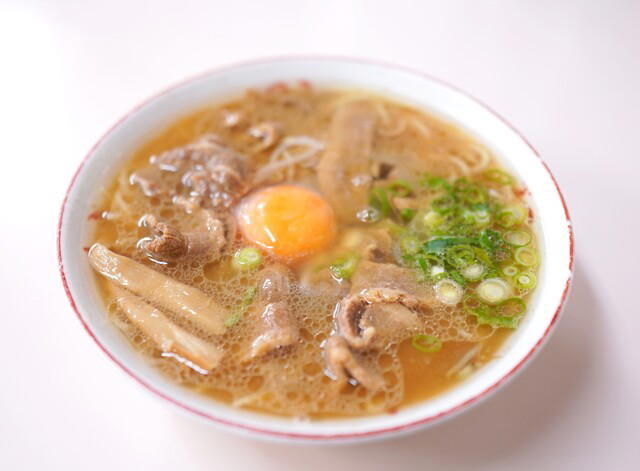
- Chuka Soba (Tokushima ramen) with pork belly and raw egg
- Tokushima-style pork bone soy sauce ramen
The room reads as ramen before a bowl arrives: a quick, focused format and the clipped rhythm of a shop designed around broth, regulars, and direct eating rather than lingering courses. In Tokushima, that matters. The city has a clear place in Japan’s ramen map for many travelers, and Inotani Honten is best approached as part of that everyday local eating culture rather than as a formal restaurant experience.
Inotani Honten sits in that tradition with unusual clarity. Its 2025 recognition in Tabelog’s Hyakumeiten listings, with a listed score of 3.69 and a budget shown at - JPY 999 - JPY 999, gives the shop a verifiable place in the ramen conversation. The more useful reading is cultural: this is a focused Tokushima ramen stop at a price point that remains closer to daily eating than destination dining. In a city where dinner can move into other formats at Ishikawa Shoten, other local dining rooms, Ponzu, or Shokurakuen, this kind of ramen shop occupies a different lane: fast, focused, and tied to ramen rather than a night out.
Tokushima ramen, read through a focused bowl
Regional ramen in Japan is often discussed through noodles, broth, and toppings, but the more useful point here is format. The category is not simply a generic noodle meal; it carries the practical appetite of a working lunch, the comfort of a repeatable bowl, and the familiarity of a shop where the food itself is the point.
At Inotani Honten, the important verified frame is straightforward: this is a ramen shop in Tokushima recognized in a 2025 Tabelog Hyakumeiten context. Those details matter because they separate the visit from a generic restaurant stop and place it inside a regional food setting. The bowl’s appeal is direct rather than elaborate, closer to a compact meal than a long-form tasting experience. For travelers accustomed to the precision of major-city ramen counters or broader comfort-food ranges elsewhere in Japan, Tokushima’s appeal is less about spectacle and more about a local ramen grammar that remains easy to understand.
The shop’s format reinforces that reading. The meal is best understood as a focused ramen stop, not as a place built around drawn-out service or elaborate sequencing. That is not romantic, and it should not be. Ramen culture at this level rewards systems: a kitchen organized around repetition, a room that turns attention back to the bowl, and a pace that lets the food remain central without asking the guest to treat it like a formal occasion.
A counter shop in a city that eats across registers
Tokushima’s dining map is more varied than outsiders often assume. A traveler can move from ramen into tavern cooking, casual drinking rooms, and more polished Japanese formats within the same trip. NAMAIKI speaks to the city’s broader restaurant register, while the local listings in Our full Tokushima restaurants guide show how ramen sits beside izakaya and specialty counters rather than replacing them. That contrast is useful: Inotani Honten is not where to stretch an evening, it is where to understand why a recognized ramen shop can anchor a specific stop in the city.
The award signal is also worth reading carefully. Tabelog’s 2025 Hyakumeiten recognition places the shop within a notable ramen context, a field where local identity and consistency both matter. That differs from a luxury award framework. The point is not linen, wine service, or chef theatrics; it is whether a bowl can hold its place in a crowded category. Inotani Honten’s listed score of 3.69 and low published budget support the same reading: this is an accessible ramen address with meaningful recognition, not a high-spend destination room.
For comparison inside Tokushima, price and format separate the ramen stop from evening venues. Ponzu, Ishikawa Shoten, and Shokurakuen occupy different dining lanes. Those comparisons do not make one category superior; they clarify use. Ramen here functions as a daytime anchor or a focused meal, not a substitute for the city’s broader dinner circuit.
How to place it in a Tokushima itinerary
The practical decision is simple: treat this as a specific regional stop rather than a flexible restaurant booking. The category is ramen, the city is Tokushima, and the published budget is - JPY 999 - JPY 999 for both lunch and dinner. That makes it easy to position as a quick, focused meal within a wider day rather than as the main event of an evening.
Its Tokushima location makes it easy to fold into a city-focused plan without overbuilding the itinerary around a single meal. The better approach is to keep the visit narrow: arrive for ramen, let the bowl define the stop, then move on to other parts of the city. For travelers building a wider plan, pair the ramen stop with the city guides for Tokushima hotels, Tokushima bars, Tokushima wineries, and Tokushima experiences.
The broader Japan context helps frame expectations. Ramen shops such as this belong to a national culture of specialized, affordable eating, a different universe from destination beef, seafood, café, sake, or curry formats found elsewhere in Japan and abroad. In Tokushima, the version here remains rooted in place: a local ramen stop, a quick rhythm, and a restaurant identity built for repetition rather than ceremony.
Frequently asked questions
Is Inotani Honten child-friendly?
The provided listing identifies Inotani Honten as a ramen shop in Tokushima, but it does not provide a verified child-friendly policy. Treat it as a quick ramen stop rather than a long, formal meal.
What is the atmosphere like at Inotani Honten?
Expect a focused ramen shop in Tokushima. The verified category is ramen, and the listed budget keeps it in an accessible everyday range rather than a luxury dining format.
How much does it cost to eat at Inotani Honten?
Pricing at Inotani Honten is listed as - JPY 999 - JPY 999, with the budget shown as Dinner: - JPY 999; Lunch: - JPY 999.
What are the operating hours at Inotani Honten?
Specific operating hours are not included in the provided verified data for Inotani Honten. Check current hours directly before visiting.
Quick Comparison
Comparable venues by cuisine and price in the same metro.
| Venue | Cuisine | Price | Awards | Notes |
|---|---|---|---|---|
| Inotani HontenThis venue (the venue you are viewing) | Tokushima-style ramen | $1–10 | Tabelog 100 #82 | Not listed |
| 食士わたなべ | Traditional Japanese Kaiseki | $50–100 | Not listed | 籠屋町 |
| NAMAIKI | Meat Kappo Bar | $30–50 | Not listed | Ginza |
| Izakaya Harubo | Seafood-focused Japanese Izakaya | $30–50 | Tabelog 100 #21 | Akitamachi / Chuodori, Tokushima |
| Shokurakuen | Japanese Yakiniku / BBQ | Not listed | Tabelog 100 #24 | Minami-Nakano-cho |
| Sumibiyaki Steak Tajima | Kuroge Wagyu Steak, Yakiniku, Shabu-shabu & Sukiyaki | $20–30 | Tabelog 100 #89 | Yachimanchō, Tokushima |
Recognition history
Dated appearances from independent guides and award organizations, with the underlying list record or original source where available.
Tabelog 100 #82 · No. 82
Tabelog · Tabelog 100 - Ramen - WEST - 2025
Continue exploring
More in Tokushima
Restaurants in Tokushima
All restaurants in Tokushima →
Hotels in Tokushima
Browse all →
Details
- Classic
- Cozy
- Well Known
- Lively
- Solo
- Casual Hangout
- Family
- Late Night
- Standalone
- Historic Building
- A La Carte
- Counter Dining
Current opening hours
- Monday
- Closed
- Tuesday
- 10:30 AM–5 PM
- Wednesday
- 10:30 AM–5 PM
- Thursday
- 10:30 AM–5 PM
- Friday
- 10:30 AM–5 PM
- Saturday
- 10:30 AM–5 PM
- Sunday
- 10:30 AM–5 PM
Hours can change for holidays and private events. Last verified .
A compact, counter-only, homey ramen shop with a no-frills, old-school feel; bright and bustling at peak times, focused on fast service and the nostalgic atmosphere of a long-established local favorite.