
Tabelog 100 #98
Our verdict
Chinese Suiyo gives Naruto’s resort dining scene a serious Chinese-cuisine address rather than a token hotel option. Its Tabelog Chinese WEST 100 selection in 2026, 54-seat format, private rooms, ocean-view setting, and drinks spanning sake, shochu, and wine place it in a more formal bracket than the city’s casual seafood and noodle counters.

Pearl is the En Primeur Club membership app, where members save venues, book tables and use the concierge.
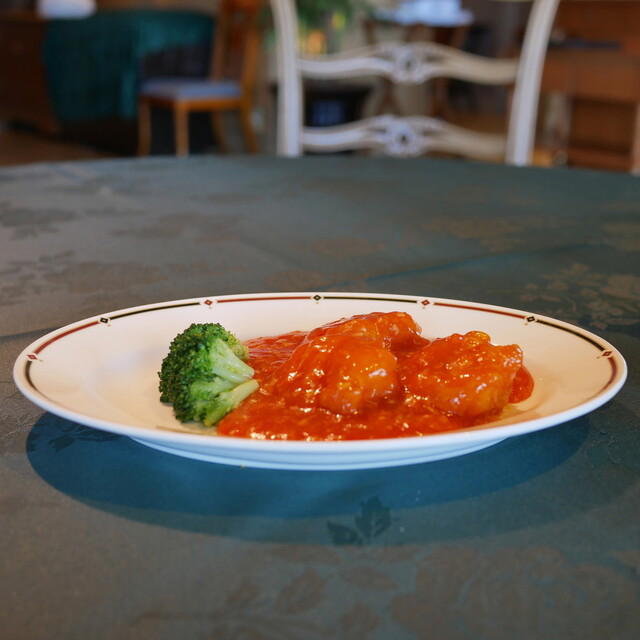
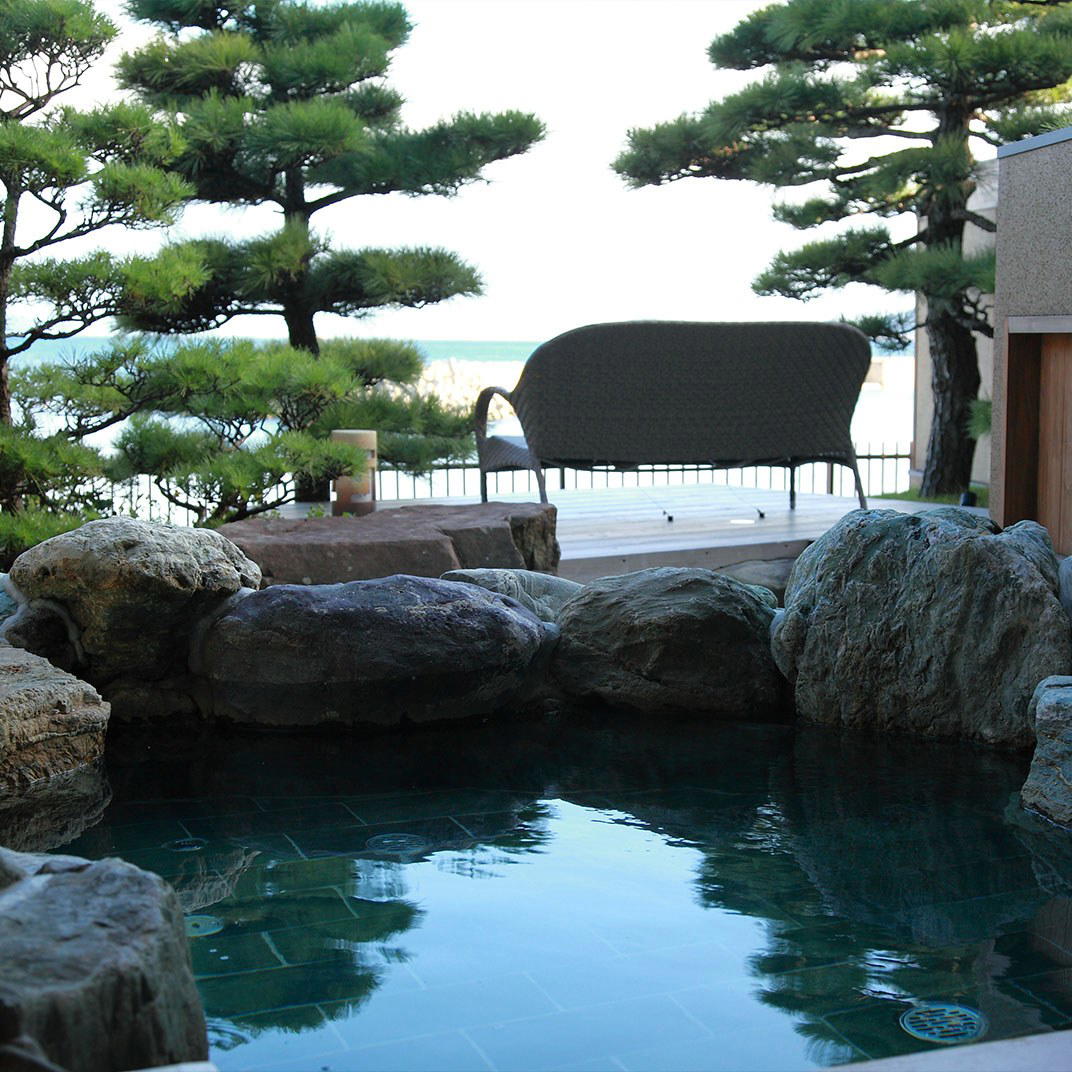
The approach to Naruto’s northern coast changes the appetite before a menu appears. This is a city better known to many travellers for tidal whirlpools, Seto Inland Sea crossings, and the directness of local seafood restaurants than for formal Chinese dining. Inside the resort setting, the mood shifts from roadside lunch stop to composed dining room: ocean-facing, hotel-paced, and built for meals that run longer than a quick bowl or grilled fish set.
That contrast matters. Naruto’s restaurant culture is strongest when it lets geography speak plainly, with fish, noodles, and casual local rooms doing much of the work. Chinese Suiyo occupies a different lane: Chinese cooking filtered through a resort dining format, with the supply logic of Tokushima and the Seto Inland Sea sitting behind the experience rather than being shouted as a theme. The result is not a Chinatown model and not a metropolitan tasting-counter model. It is a regional hotel restaurant with enough recognition to make the category worth taking seriously.
Chinese cooking on a coast better known for seafood and udon
Chinese cuisine in western Japan has long adapted itself to local produce, hotel service, and banquet culture. In a place such as Naruto, that adaptation is especially legible. The city’s dining baseline skews casual and coastal; places such as Katsugyo Ryori Binbiya frame the area through fish and high-turnover local eating, while Itsushou points toward the low-cost, everyday side of the local table. Against that backdrop, a formal Chinese restaurant reads less as an isolated luxury gesture and more as a reminder that resort Japan often preserves a dining style that city-centre guides can overlook.
Ingredient sourcing is the useful lens here. Chinese kitchens in Japan can move in two directions: imported prestige ingredients and technique-led banquet cooking on one side, regional seafood and vegetables translated through Chinese sauces, stocks, steaming, frying, and wok work on the other. Naruto gives the second approach strong material. The surrounding waters and Tokushima produce belt create a natural case for Chinese cooking that does not need to imitate Tokyo or Osaka. Even without a public dish-by-dish map, the setting explains why a Chinese room here has a different purpose from one in a dense urban hotel.
The Tabelog Chinese WEST 100 selection in 2026 gives that purpose external weight. The list covers western Japan rather than only Tokushima, so inclusion places the restaurant in a broader regional conversation. Its 3.68 Tabelog score is not a Michelin-style verdict, but in Japan’s user-review culture it signals a room with sustained attention beyond in-house hotel guests. Earlier selections in 2021, 2023, and 2024 also suggest that this is not a single-year anomaly.
A resort dining room with private-room logic
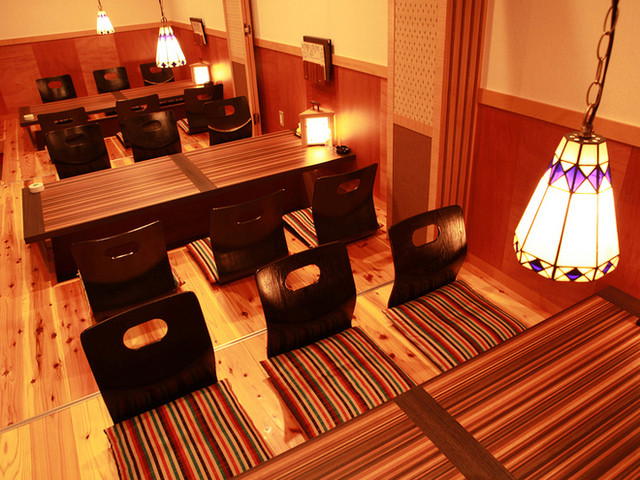
The format is part of the story. A 54-seat Chinese restaurant with private rooms for 10 to 20 people belongs to a genre that Japan does particularly well: formal but not stiff, useful for family meals, business dinners, and multi-generational travel. That differs sharply from the compact counter culture that dominates much of Japan’s premium dining imagination. Here, privacy, table spacing, and hotel service structure matter as much as the kitchen’s technique.
Drinks list also reflects the local translation of Chinese dining in Japan. Sake, shochu, and wine sit alongside the cuisine, which tells the reader more than a decorative beverage note would. It places the restaurant inside Japanese hospitality rather than a strictly imported Chinese template. For travellers moving through Naruto, that makes the meal a useful study in how Chinese food has been absorbed into regional Japanese resort culture: less about theatrical authenticity, more about compatibility with local produce, group dining, and a slower evening rhythm.
There is a practical editorial distinction to make. Naruto has plenty of reasons to eat simply, and for many visitors the city’s casual seafood rooms will be the first instinct. Chinese Suiyo is for a different decision: a composed meal when the group wants comfort, table service, and a room built for conversation. It is also one of the clearer choices in Naruto for travellers who want dinner to feel connected to place without defaulting to a fish-market format.
Where it sits in a Naruto itinerary
For readers building a wider food plan, the useful comparison is not between cuisines but between meal functions. Sushi Katsu and local seafood addresses answer the question of what the coast tastes like in direct form. A resort Chinese dining room answers a different question: how regional ingredients behave when they pass through a more formal service language. That makes it a stronger evening choice than a midday refuelling stop, especially when travelling with children, colleagues, or a mixed-generation party.
The restaurant’s non-smoking policy, wheelchair access, private-room availability, and hotel parking all point to a room designed around ease as much as ceremony. Children are welcome, which broadens its usefulness in a city where many premium meals can feel adult-coded by default. A 10 percent service charge belongs to the hotel-restaurant model, so the value calculation should be made against the full experience rather than the plate alone.
Use it as the formal anchor in a Naruto stay, then let the rest of the itinerary move looser: seafood, noodles, coastal drives, and the whirlpool-viewing rhythm that defines the city’s visitor calendar. For broader planning, see Our full Naruto restaurants guide, Our full Naruto hotels guide, Our full Naruto bars guide, Our full Naruto wineries guide, and Our full Naruto experiences guide.
Readers comparing Japanese dining styles beyond Naruto can place this kind of resort Chinese meal beside different city formats: -Grilled beef Sukiyaki- KAMAKURA TANUKIAN 鎌倉 たぬき庵 in Kamakura. 鮪と炭火焼き うお炭 秋葉原店 in Tokyo.cafe in Osaka.know in Kumamoto, (Shoku) Vietnam in Kawasaki, [Curry Senmon Ten] Maruyama Kyoju. in Sapporo, [ki:] in Kyoto, #肉といえば松田 奈良本店 in Kashihara, Jōdo Saké Bar in Los Angeles, and Onigiri Time in Pasadena. The comparison clarifies the point: Naruto’s dining identity is not singular, and its more formal rooms are strongest when read against the city’s coastal everyday food.
Frequently asked questions
Is Chinese Suiyo suitable for children?
Yes. The venue is marked children welcome, and the 54-seat dining room also offers private rooms for 10 to 20 people, which makes family meals easier to manage. It is a hotel restaurant in Naruto, inside Xive Naruto.
How would you describe the vibe at Chinese Suiyo?
Expect a hotel dining room with a formal bent rather than a casual street-side room. the public record notes a stylish space, wheelchair access, ocean and night views, plus private rooms and a non-smoking setup. That combination fits family dinners, business meals, and larger group bookings. Check the venue's official channels for the latest details.
What price level is Chinese Suiyo?
Pricing at Chinese Suiyo is listed as JPY 10,000 - JPY 14,999 JPY 5,000 - JPY 5,999 View spending breakdown.
What is Chinese Suiyo known for?
Chinese Suiyo is primarily known for its core concept and execution in Naruto.
How It Stacks Up
Comparable venues by cuisine and price in the same metro.
| Venue | Cuisine | Price | Awards | Notes |
|---|---|---|---|---|
| Chinese SuiyoThis venue (the venue you are viewing) | Upscale Chinese restaurant in a Naruto resort hotel | $50–100 | Tabelog 100 #98 | Not listed |
| Sushi Katsu | Traditional Sushi Counter (Omakase-Focused) | $100–150 | Tabelog 100 #37 | Naruto, Tokushima |
| Katsugyo Ryori Binbiya | Traditional Naruto seafood diner | $20–30 | Tabelog 100 #9 | Kitanadacho, Naruto |
| Itsushou | Traditional Udon Shop | $1–10 | Tabelog 100 #60 | Otsu-cho, Naruto |
| 桃仙閣 東京 | Modern Chinese Fine Dining | $100–150 | Tabelog 100 #7 | Roppongi |
| Canton Ryori Chinese Shuka Toa rodo ten | Traditional Cantonese (Kobe) | $30–50 | Tabelog 100 #53 | Chūō |
Recognition history
Dated appearances from independent guides and award organizations, with the underlying list record or original source where available.
Tabelog 100 #98 · No. 98
Tabelog · Tabelog 100 - Chinese cuisine - WEST - 2026
Continue exploring
More in Naruto
Restaurants in Naruto
All restaurants in Naruto →
Wineries in Naruto
Browse all →
Details
- Elegant
- Modern
- Quiet
- Scenic
- Business Dinner
- Group Dining
- Family
- Special Occasion
- Date Night
- Hotel Restaurant
- Private Dining
- Waterfront
- Waterfront
- A La Carte
- Set Menu
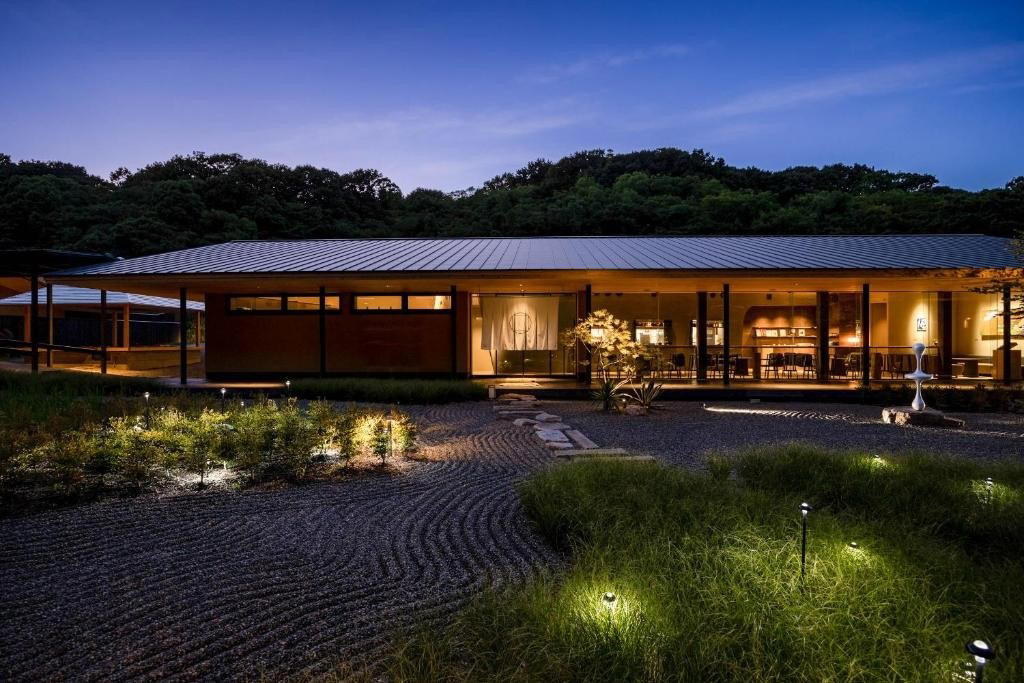
Hotel-resort Chinese restaurant with a calm, refined dining room, soft lighting, white tablecloths and large windows looking out toward the Naruto Strait, creating a quiet, upscale atmosphere suited to relaxed meals and special occasions.