
Forbes Recommended
Our verdict
Occupying the fourth floor of the Forbes Travel Guide Five-Star Four Seasons Hotel Hong Kong, Shikigiku positions itself at the serious end of the city's Japanese fine dining tier. Reservations are strongly advised.

Pearl is the En Primeur Club membership app, where members save venues, book tables and use the concierge.
A Long Corridor, Then Calm
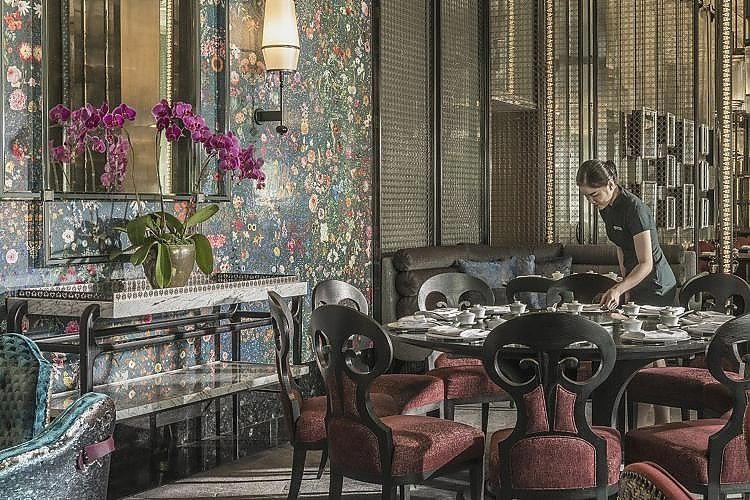
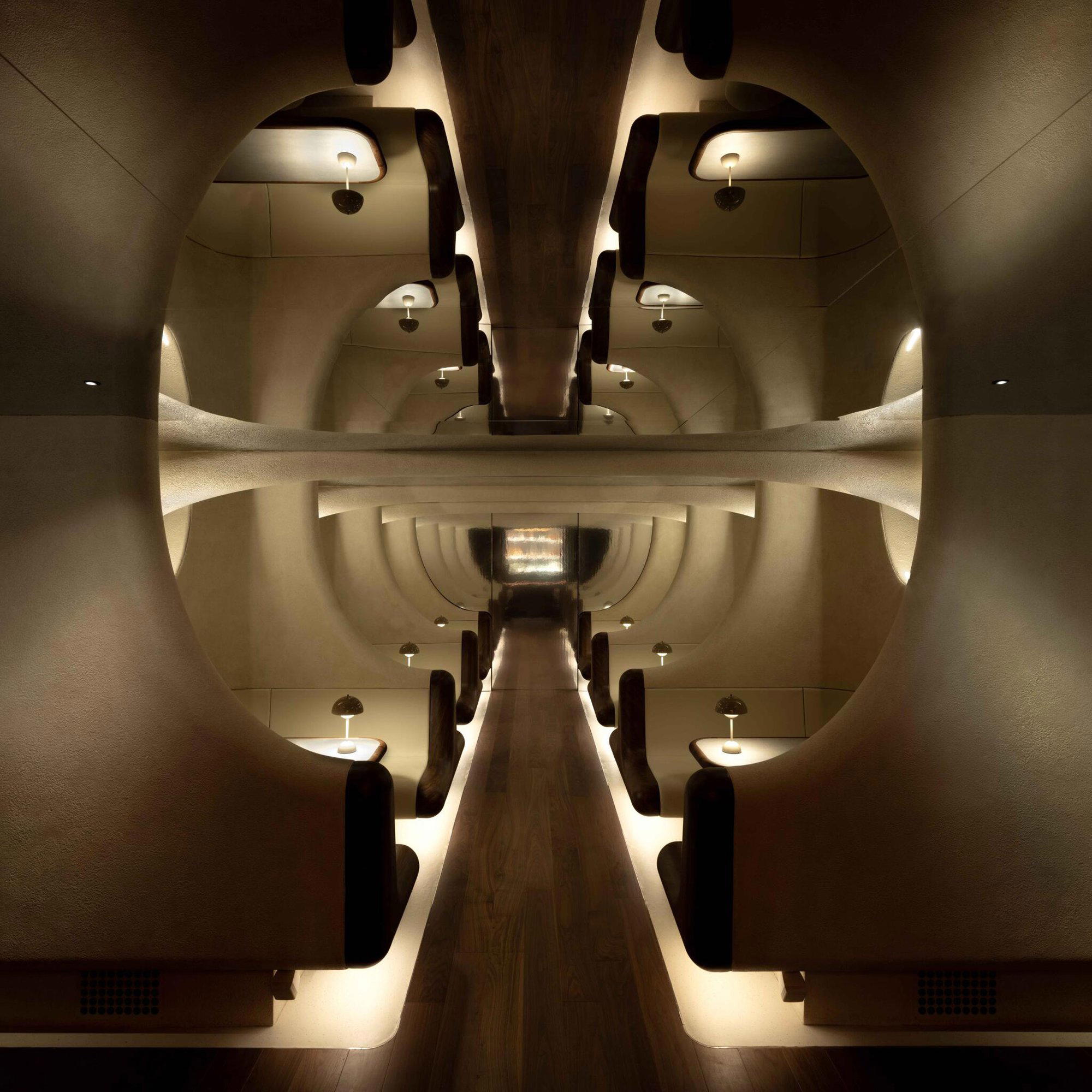
The approach to Shikigiku sets the register before a dish arrives. A long, dark wooden hallway strips away the noise of IFC Mall and the Financial District outside, functioning as a deliberate decompression before the main dining room opens around you. The room itself is intimate in scale, with Edo-style detailing, contemporary sculpture, and natural materials that position this as a considered transplant of a Japanese aesthetic rather than a generic interpretation of one. For a city where Japanese restaurants range from ramen counters to Ginza-style omakase, the tonal difference here is immediate.
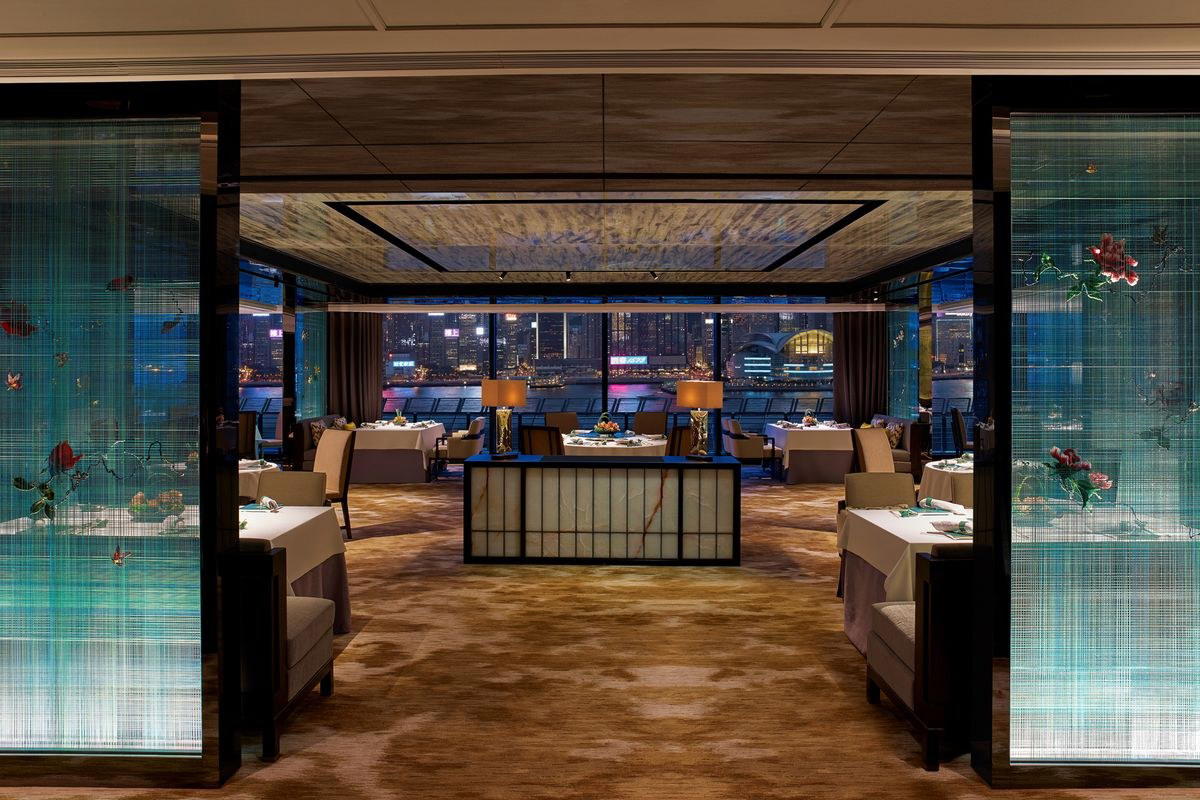
The floor-to-ceiling windows along one wall offer a direct sightline to Victoria Harbour, with the ICC tower anchoring the left side of the frame and the Star Ferry crossing below. At sunset, the harbour light changes quickly enough that the view reads differently across the course of a meal. Window seats are allocated, not guaranteed, which makes early reservations worth the effort.
Where Shikigiku Sits in Hong Kong's Japanese Fine Dining Tier
Hong Kong's Japanese restaurant scene divides into broadly two categories: casual izakaya and ramen formats on one end, and formal multi-course operations on the other. The formal tier has expanded sharply over the past decade, with several omakase counters, high-end sushi bars, and kaiseki-style restaurants now occupying Central and Wan Chai. Shikigiku operates within this upper bracket but takes a different structural approach from the minimal, counter-only omakase format that has proliferated in recent years.
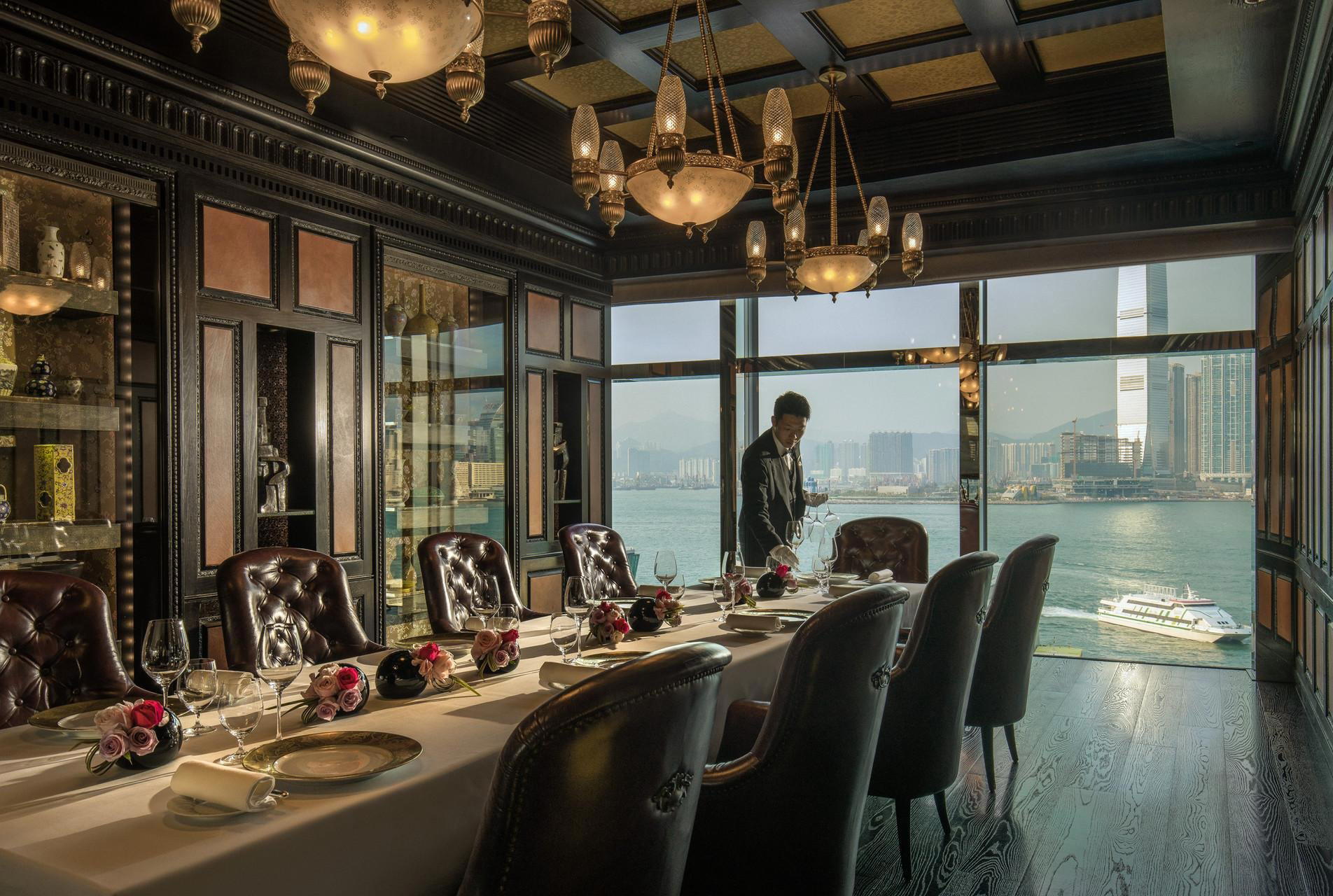
Rather than a single format, the restaurant runs three distinct counters, tempura, teppanyaki, and sushi, alongside conventional table seating and four private dining rooms, each with its own teppanyaki counter. This multi-format structure is more characteristic of the larger, established Japanese restaurant model than the tight specialist counter that defines many newer high-end entrants.
For cross-cuisine comparison, the Central fine dining corridor also includes 8 1/2 Otto e Mezzo Bombana and Ta Vie, both operating at the $$$$ price tier. Shikigiku's price range is not publicly listed, but its address, hotel affiliation, and format place it in that same general bracket.
Kaiseki Through a Kanto Lens
The editorial angle here matters. Kaiseki as a format originates in Kyoto, rooted in the Kansai tradition of multi-course seasonal cooking where restraint, subtlety, and the logic of the season govern everything. The Kyoto kaiseki canon, represented internationally by restaurants like Gion Kawaguchi, Higashiyama Ogata, and Mitsuyasu, emphasises dashi clarity, locally foraged vegetables, and an almost architectural progression of small courses. Kanto cooking, the tradition of Tokyo and the eastern regions, takes a bolder position on seasoning, is more comfortable with grilled proteins and richer broths, and has historically been less deferential to the seasonal purity logic that defines Kansai haute cuisine.
Shikigiku's menu integrates kaiseki set courses with teppanyaki and tempura as equal pillars, which places it closer to the Kanto-influenced, hotel-Japanese tradition than to the restrained Kansai kaiseki model. The teppanyaki counter, including Saga wagyu beef, is a Kanto-aligned offering, where direct heat and premium protein take precedence over the dashi-led restraint of the Kyoto school. The tempura counter extends that logic: tempura's Edo-period Tokyo origins make it a Kanto contribution to Japanese cuisine, even if it has since spread nationally.
This is not a criticism. It is a distinction that helps place the restaurant accurately. Diners seeking the strict seasonal progression and Kansai vegetable-forward approach of a Kyoto kaiseki house will find a different emphasis here. Diners who want the full register of Japanese formal cooking, soup courses, sashimi, grilled and fried elements, wagyu, will find that range in one room. For reference on what the strict Kansai kaiseki tradition looks like in a non-Japanese city, the approach at Cocoro in Auckland offers a useful comparison point.
What the Menu Covers
Kaiseki set courses at Shikigiku move through the expected structural logic of the format: soup courses, sashimi, simmered dishes, grilled proteins, and rice. The recorded menu includes eel soup, striped jack sashimi, simmered pumpkin dumplings, and Saga wagyu beef teppanyaki as representative course elements. Hot pot with congee, udon, and kama steamed rice rounds out the more warming end of the menu.
Tempura is a signature offering. The kitchen uses premium sesame oil to keep the batter light and a sprinkle of sea salt before serving; accompaniments include assorted green tea salts and a sesame oil-based dipping component. The battered items span white fish, shrimp, taro, carrots, and corn. The sushi counter rounds out the operation. The hotel-facing position of this restaurant draws comparisons with high-volume Japanese hotel dining elsewhere in Asia, venues like Japanese Cuisine Komatsu in Sapporo and Beppu Hirokado in Oita, but the multi-counter format here gives it more structural flexibility than a single-format hotel restaurant.
The private dining rooms, each equipped with a teppanyaki counter, address a specific Hong Kong demand: the formal business dinner requiring privacy, a live cooking element, and a hotel-quality service standard. Forum operates a comparable private dining logic on the Cantonese side of the city's fine dining register. Both reflect Hong Kong's persistent appetite for the contained, semi-theatrical dining room. For further context on the Tokyo kaiseki tradition as a counterpoint, Jigen Do in Tokyo represents the metropolitan Kanto approach. Dogo Kaishu in Matsuyama extends the regional range further into Shikoku kaiseki traditions.
Planning Your Visit
| Detail | Shikigiku | Amber | Ta Vie |
|---|---|---|---|
| Cuisine | Japanese (kaiseki, teppanyaki, tempura, sushi) | French Contemporary | Japanese-French Innovative |
| Setting | Four Seasons Hotel HK, Level 4 | Landmark Mandarin Oriental | Standalone, Central |
| Format | Multi-counter + private rooms | Single dining room | Single dining room |
| Price tier | Not publicly listed (hotel fine dining bracket) | $$$$ | $$$$ |
| Reservations | Strongly advised; call +852 2805 0600 | Online and phone | Online and phone |
| Service hours | Lunch 11:30am–3pm; Dinner 6–11pm, seven days | Varies | Varies |
The restaurant is located on Level 4 of the Four Seasons Hotel Hong Kong at 8 Finance Street, Central. It is adjacent to IFC Mall and directly accessible from the Hong Kong MTR (Hong Kong Station, Exit F). Reservations are taken by phone. Window seats and private rooms should be requested at the time of booking rather than on arrival. Lunch service covers the tempura and teppanyaki counters from 11:30am; dinner runs to 11pm.
For broader Hong Kong dining, hotel, bar, and experience planning, see our full Hong Kong restaurants guide, our full Hong Kong hotels guide, our full Hong Kong bars guide, our full Hong Kong wineries guide, and our full Hong Kong experiences guide.
Frequently asked questions
What do people recommend at Shikigiku Japanese Restaurant at IFC Mall?
The kaiseki set courses are the structural core of the menu, covering soup, sashimi, simmered and grilled courses through to rice. Tempura is specifically noted as a signature, prepared with premium sesame oil and served with green tea salts. Saga wagyu beef teppanyaki appears as a notable protein course. The sushi counter and personal hot pot with congee, udon, and kama steamed rice round out the range. Executive Chef Masayuki Goto oversees the kitchen, and the restaurant operates under the standards of its Forbes Travel Guide Five-Star host property.
Fast Comparison
A quick peer reference to anchor this venue in its category.
| Venue | Cuisine | Price | Awards | Notes |
|---|---|---|---|---|
| Shikigiku Japanese Restaurant at IFC MallThis venue (the venue you are viewing) | Japanese Fine Dining | Not listed | Forbes Recommended | Not listed |
| 8 1/2 Otto e Mezzo Bombana (Hong Kong) | 3 Michelin-Star Italian Fine Dining | $200–300 | 3 Michelin Stars · World's 50 Best #94 | Italian |
| Ta Vie | Modern French-Japanese Fine Dining | $300–500 | 3 Michelin Stars · World's 50 Best #68 | Japanese - French, Innovative |
| Caprice | Contemporary French Fine Dining | $200–300 | 3 Michelin Stars · World's 50 Best #35 | French, French Contemporary |
| Feuille | Modern Vegetable-Forward French | $200–300 | 1 Michelin Star · World's 50 Best #93 | French Contemporary |
| Neighborhood | Modern French with Asian Influences | $50–100 | 1 Michelin Star · World's 50 Best #24 | International, European Contemporary |
Recognition history
Dated appearances from independent guides and award organizations, with the underlying list record or original source where available.
Forbes Recommended
Forbes
Full recognition history (2 entries)
Forbes Recommended
Forbes
Continue exploring
More in Hong Kong
Restaurants in Hong Kong
All restaurants in Hong Kong →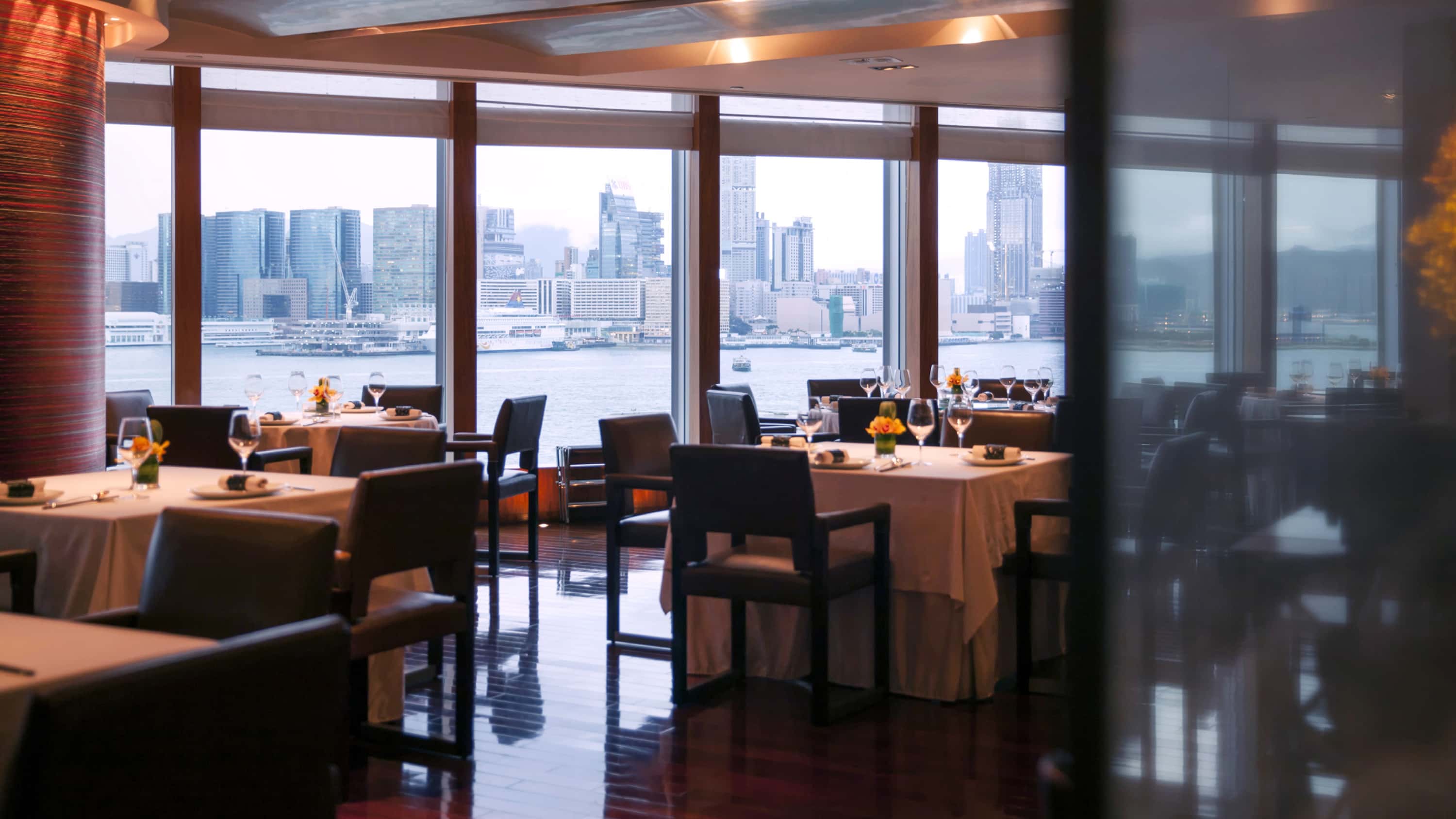
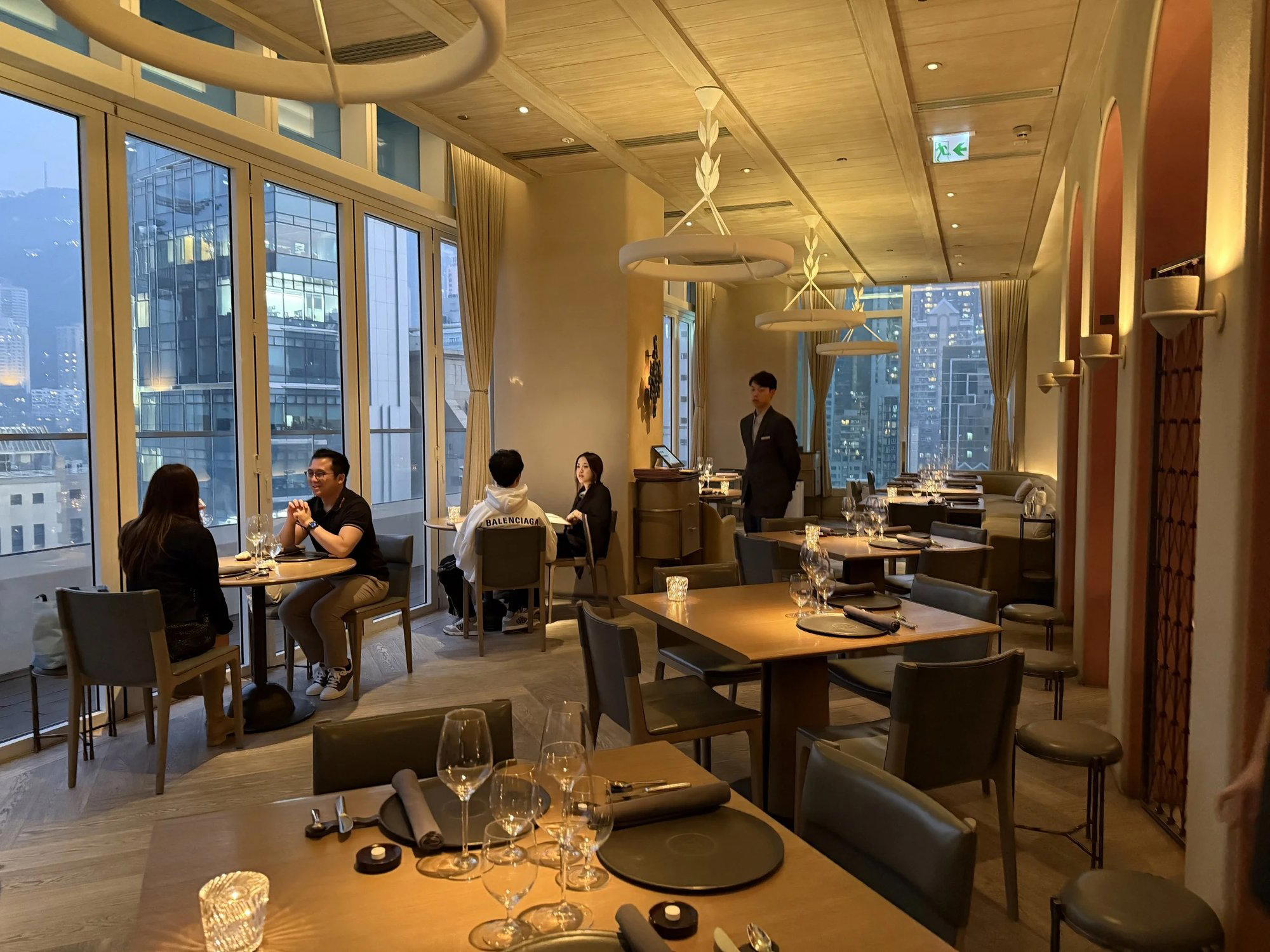
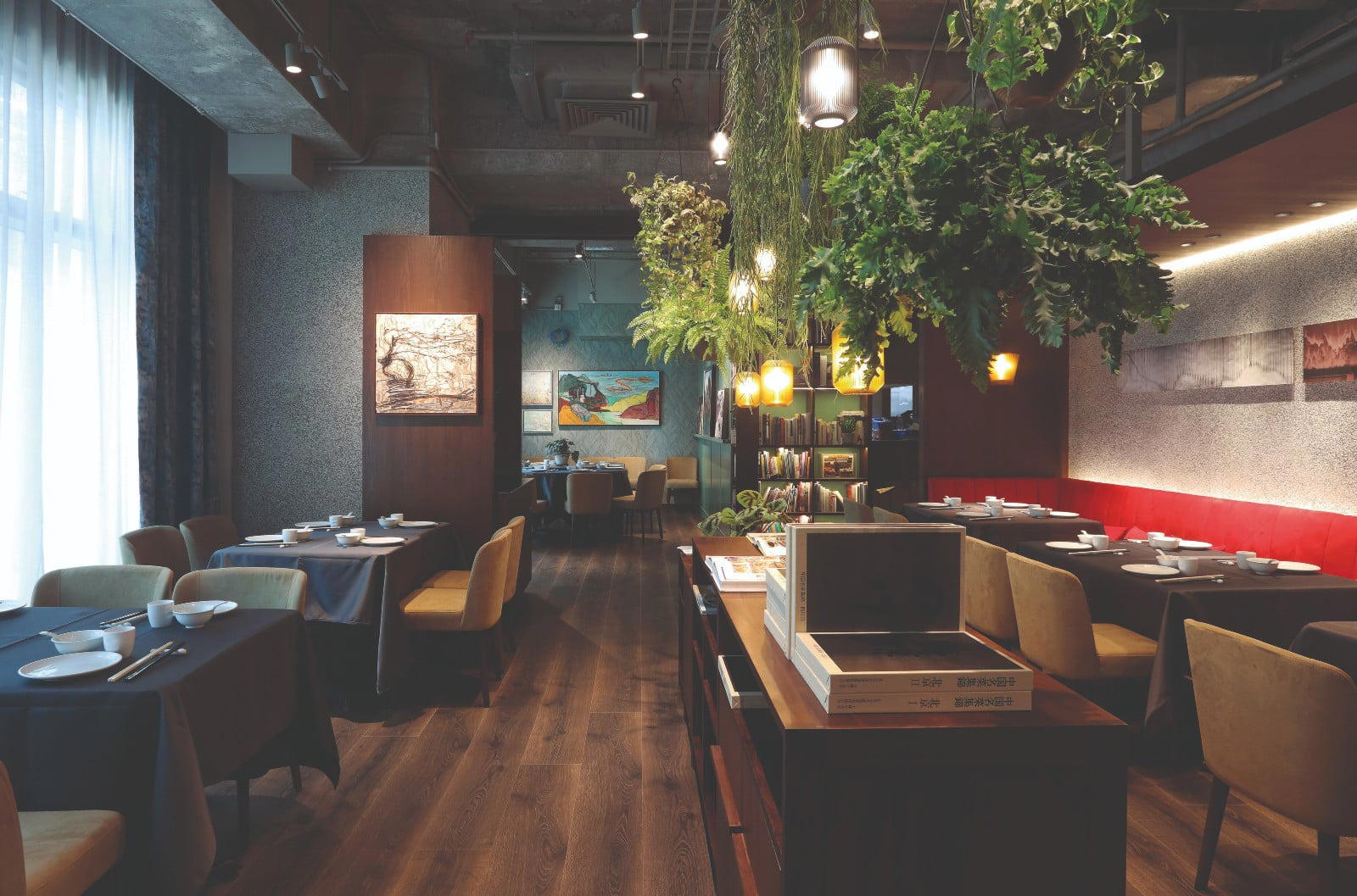
Bars in Hong Kong
All bars in Hong Kong →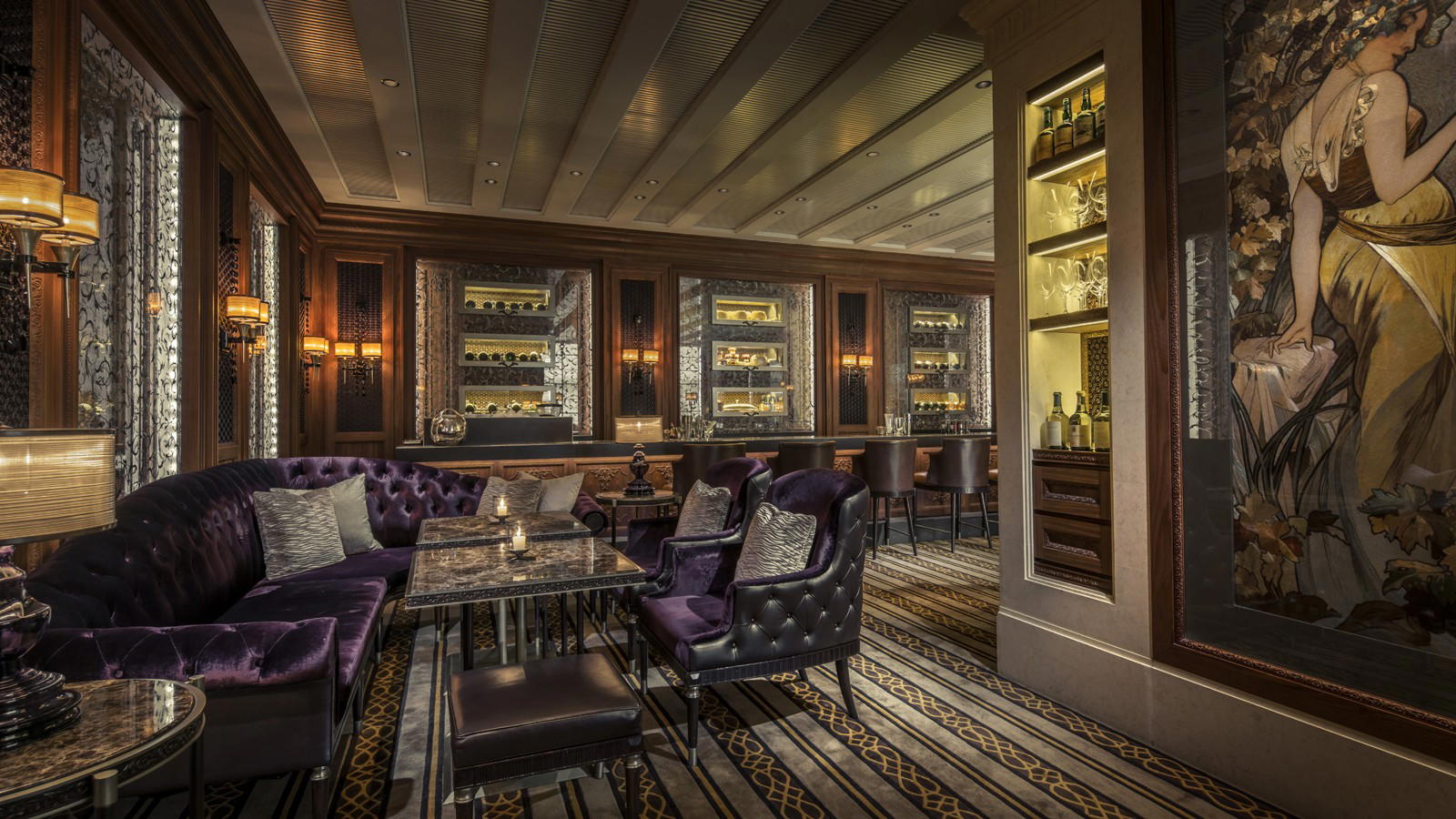
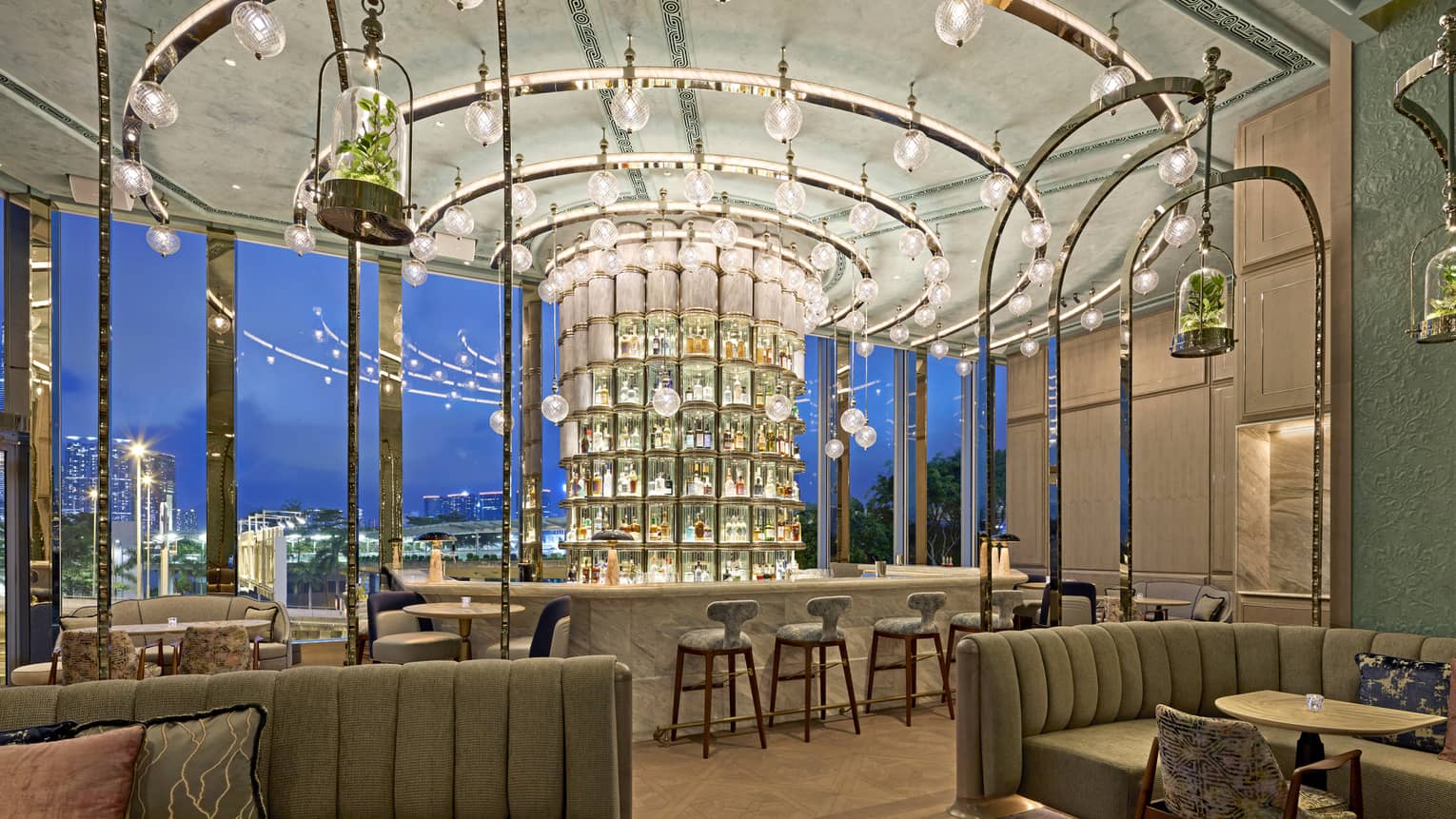
Hotels in Hong Kong
All hotels in Hong Kong →
Wineries in Hong Kong
All wineries in Hong Kong →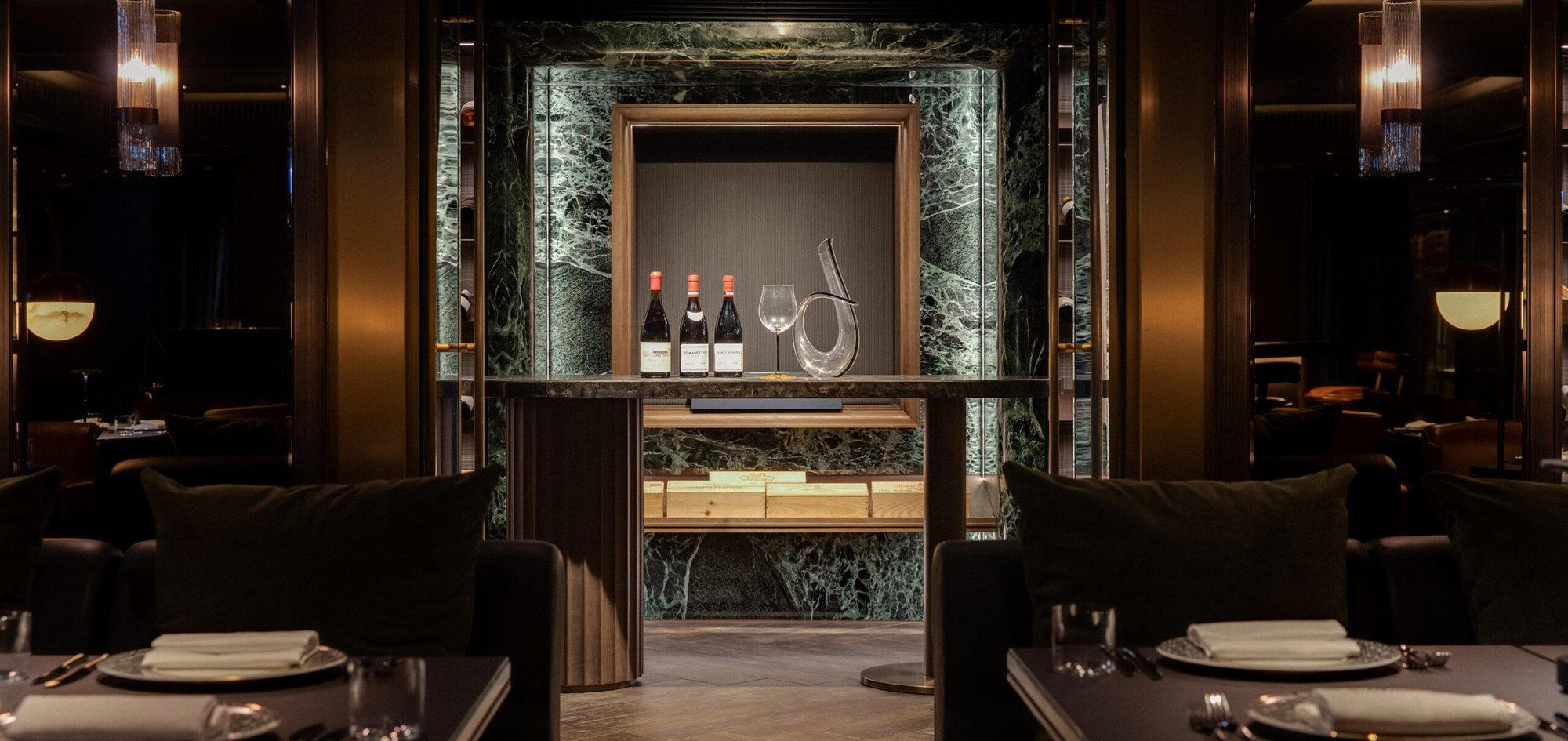
Details
- Elegant
- Sophisticated
- Classic
- Quiet
- Business Dinner
- Special Occasion
- Date Night
- Group Dining
- Hotel Restaurant
- Craft Cocktails
- Sake Program
- Waterfront
- A La Carte
- Set Menu
- Sake
- Cocktails
Current opening hours
- Monday
- 11:30 AM–2:30 PM, 6–10 PM
- Tuesday
- 11:30 AM–2:30 PM, 6–10 PM
- Wednesday
- 11:30 AM–2:30 PM, 6–10 PM
- Thursday
- 11:30 AM–2:30 PM, 6–10 PM
- Friday
- 11:30 AM–2:30 PM, 6–10 PM
- Saturday
- 11:30 AM–2:30 PM, 6–10 PM
- Sunday
- 11:30 AM–2:30 PM, 6–10 PM
Hours can change for holidays and private events. Hours as of .
Stylish and tranquil, with simple natural wood tones and a timeless Japanese feel.