
Tabelog 100 #64
Our verdict
Shien belongs to Aichi’s serious ramen conversation rather than the quick-stop noodle category. The draw is ingredient-led shoyu and shio ramen, with local Chita Peninsula tamari noted in the shop’s own description, plus a small-room format that suits solo diners, friends, and families without turning ramen into ceremony.

Pearl is the En Primeur Club membership app, where members save venues, book tables and use the concierge.
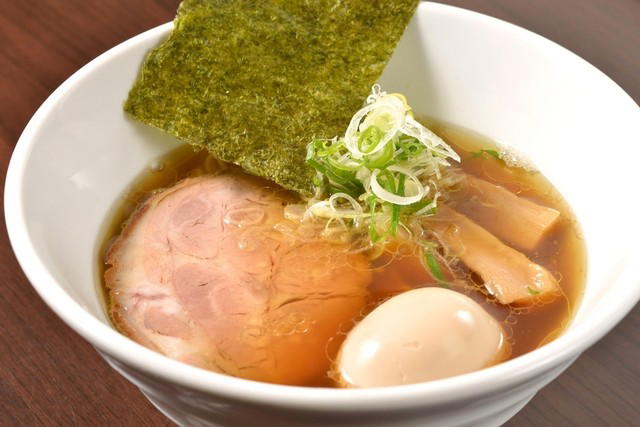
Approaching Shien in Tokai changes the meal’s rhythm before the bowl arrives because the premise is direct rather than elaborate. The available listing information places it in the ramen and dumpling categories, with a price band that keeps the meal in everyday territory. The promise is focused: a Tokai ramen stop where category, value, and local recognition do more of the work than luxury signals.
Aichi ramen has a different centre of gravity from Tokyo’s hyper-specialised counter culture. The prefecture’s noodle scene often rewards balance, accessibility, and regional preference over theatrical minimalism. Shien fits that register. Its place in the Tabelog 100 Ramen AICHI 2025 list puts it among the prefecture’s notable ramen addresses, and its listed Tabelog score of 3.58 gives diners a concrete signal to read alongside price and category.
Tokai ramen gives the bowl its regional argument
The key detail is the local ramen context. Shien is presented through the familiar language of a ramen shop, but its interest comes from how a Tokai address can carry regional identity without needing the trappings of formal dining. In ramen terms, that matters. A bowl can feel rooted through category, price point, and local reception, not only through rare ingredients or a dramatic counter format.
That angle explains why Shien reads differently from a generic low-cost stop. The listed categories are ramen and dumpling, but the editorial interest lies in how a Tokai shop uses familiar formats to express everyday Aichi dining. The appeal is not built on luxury cues. For diners comparing ramen across Japan, the point is to notice how a local listing, recognition, and accessible budget combine into a clear regional proposition.
The Aichi comparison is useful. RAMEN Burosu, Men Tamayura Kariya ten, and Menya Sakura sit in the broader ramen conversation, showing a competitive field where recognition is not simply a matter of high spend. The question is not whether a bowl costs like fine dining; it is whether a modest ticket feels specific. Shien’s Tokai setting gives it that specificity. Nearby non-ramen comparators such as Konasu and Nigiri Zushi 150 operate in different dining categories, underscoring how ramen in Aichi remains one of the region’s most democratic quality formats.
A compact Tokai room built for everyday seriousness
Format matters because ramen is as much a dining category as it is a cuisine label. Shien belongs to the kind of local choice where the listing itself is straightforward: ramen, dumpling, Tokai, and an accessible budget. That mix matters because it frames the meal as something practical as well as notable, serving diners who want a recognised shop without committing to a formal restaurant plan.
There is a distinction between recognition and exclusivity. Shien is not best read through luxury language. Its recognition in the 2025 Tabelog 100 Ramen AICHI list gives it a quality signal, but the listed budget still reads as everyday ramen rather than destination theatre. In a category where reputation can be built bowl by bowl, that combination of local address and public recognition is often more useful to diners than hype.
The approachable positioning also separates it from dining categories that depend on ceremony, long course formats, or premium cues. Here, the point is simpler: a Tokai ramen stop with enough recognition to reward attention, while still remaining within the casual grammar that makes ramen one of Japan’s great everyday foods.
How to place Shien within a Tokai dining day
Tokai does not ask every visitor to build a full culinary itinerary around one meal. Its dining value is quieter: regional specialisation, everyday restaurants with local memory, and proximity to broader Aichi food culture. Shien works as the ramen anchor in that kind of day, especially for travellers interested in how local preferences appear in casual food, not only formal restaurants.
For broader planning, Our full Tokai restaurants guide is the natural companion. Travellers staying nearby can pair it with Our full Tokai hotels guide, while drink-focused readers should use Our full Tokai bars guide for the evening side of the city. The wider region also rewards slower routing through Our full Tokai wineries guide and Our full Tokai experiences guide, especially for visitors using food to read local production rather than simply fill a schedule.
Japan’s casual dining map is broad enough that ramen benefits from contrast. Other dining rooms across Japan sit in different traditions and service styles, from formal meals to grill counters and café formats. That spread clarifies what Tokai ramen offers: speed, affordability, and a direct line from local appetite to bowl.
The wider EP Club restaurant map shows how ingredient identity changes by city. Unnamed restaurants elsewhere may express their cities through café culture, curry, grilled meat, sushi, or casual Japanese formats, while overseas Japanese-inspired venues show how these ideas travel. Shien is the counterpoint, a regional Japanese shop whose value comes from staying close to home.
The editorial case is clear: this is Aichi ramen with a local everyday argument, not a luxury detour or chef-driven mythology. The useful diner notices the categories, the Tabelog 100 Ramen AICHI 2025 recognition, the 3.58 listed score, and the accessible budget. In Tokai, that is enough to make a modest bowl carry more weight than its price category suggests.
Frequently asked questions
Is Shien good for families?
Shien is best understood as a casual ramen and dumpling shop in Tokai. Its Tabelog 100 Ramen Aichi 2025 selection adds a quality signal without turning it into a formal dining format.
What should I expect atmosphere-wise at Shien?
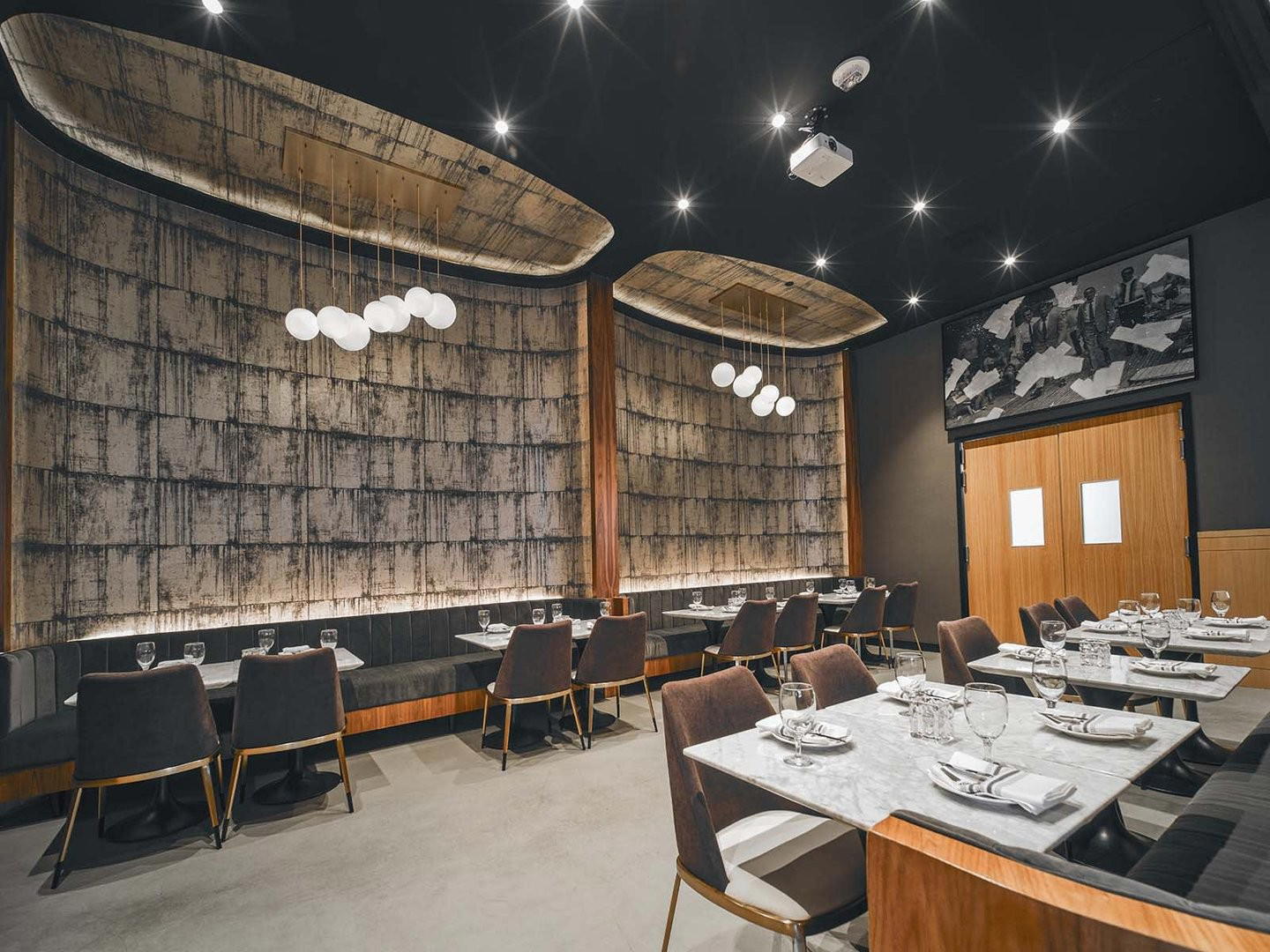
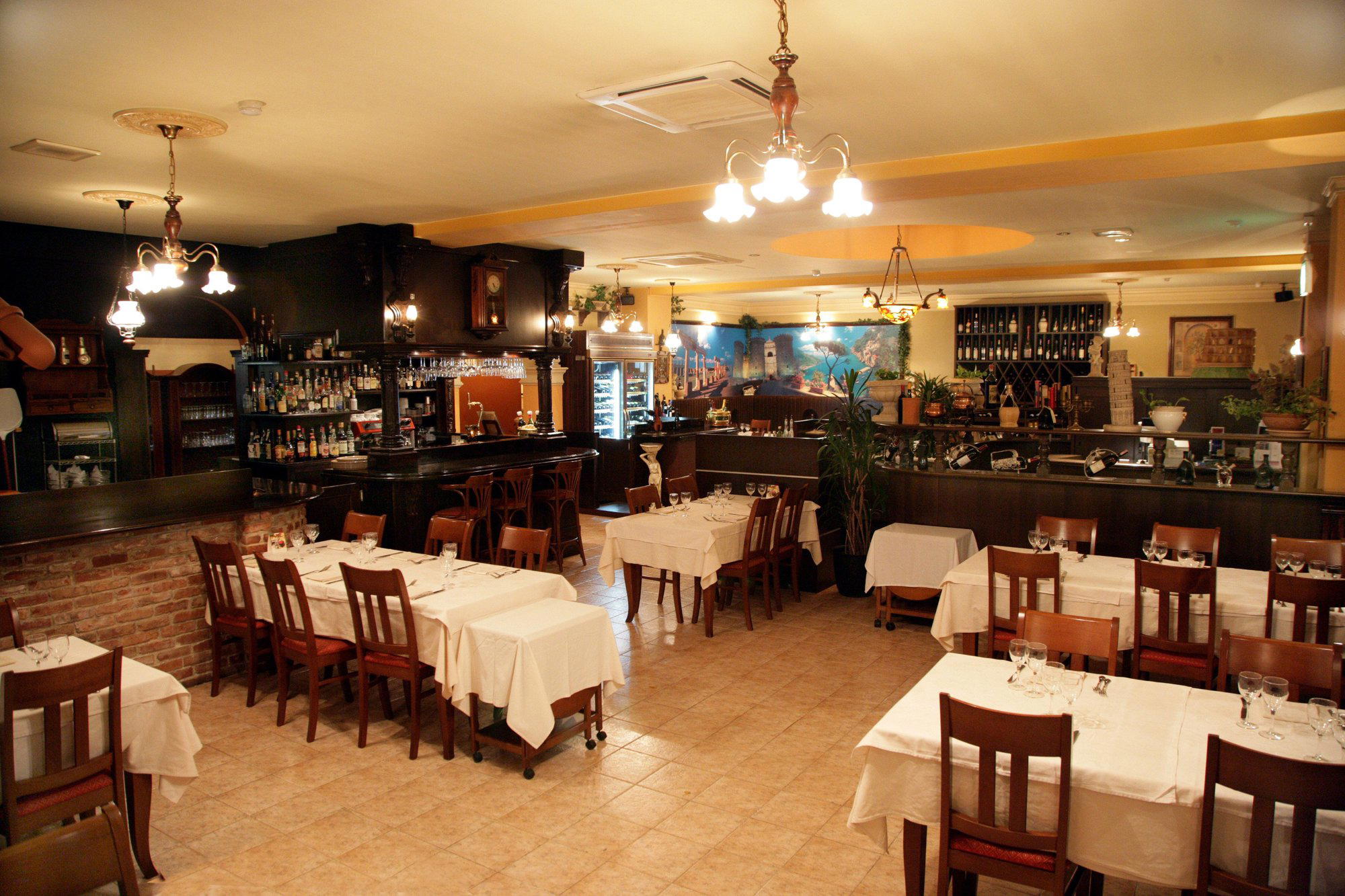
Expect a Tokai ramen and dumpling shop rather than a formal dining room. The available listing frames Shien around an everyday price range and a focused casual meal.
What's the price range at Shien?
Pricing at Shien is listed as Dinner: JPY 1,000 - JPY 1,999; Lunch: - JPY 999.
Where do I go for Shien?
Tokai.
A Quick Peer Check
Comparable venues by cuisine and price in the same metro.
| Venue | Cuisine | Price | Awards | Notes |
|---|---|---|---|---|
| ShienThis venue (the venue you are viewing) | Ramen & Dumplings | $10–20 | Tabelog 100 #64 | Not listed |
| Arry 8Bites | Japanese Small Bites | Not listed | Not listed | Tokyo |
| Umemura | Japanese Soul Food | Not listed | Tabelog 100 #44 | Koto |
| 中華そば 速水 | 和歌山ラーメン | Not listed | Not listed | 緑ヶ丘 |
| Yakiimo Maru Jun | Roasted sweet potato & Japanese sweets shop | $1–10 | Tabelog 100 #29 | Tsurumicho |
| Hana Ichi | Traditional Chinese Soba & Ramen Shop | Not listed | Tabelog 100 #30 | Toyoake |
Recognition history
Dated appearances from independent guides and award organizations, with the underlying list record or original source where available.
Tabelog 100 #64 · No. 64
Tabelog · Tabelog 100 - Ramen - AICHI - 2025
Continue exploring
More in Tokai





Details
- Cozy
- Casual
- Casual Hangout
- Family
- Solo
- After Work
- Group Dining
- Standalone
- A La Carte