
Tabelog 100 #71
Our verdict
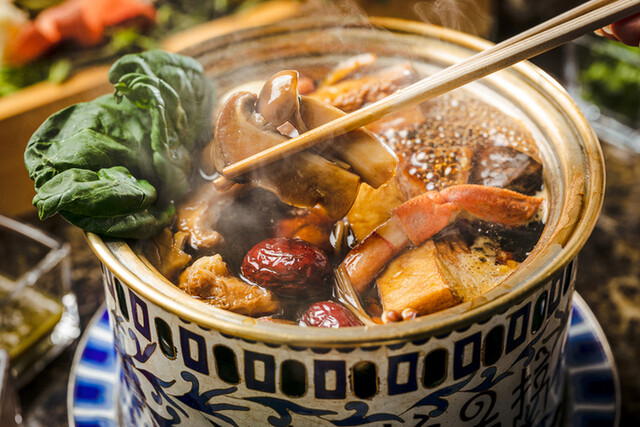
Roppongi’s hot-pot scene often tilts toward beef, late-night comfort, and expense-account dining; this room works a narrower lane around individual mushroom hot pots, vegetable-led courses, and medicinal nabe language. Selection for Tabelog 100 Hot Pot 2024 gives it a clear credential in a category where repeat diners tend to value format discipline over spectacle.

Pearl is the En Primeur Club membership app, where members save venues, book tables and use the concierge.
The menu
What to order
- Yunnan wild mushroom hot pot (black soup)
- Truffle Tamago Kake Gohan
- Beauty mushroom course hot pot
Tokyo changes character quickly from one dining room to the next. The usual city signals, neon, traffic, late dinners after work, can give way to a quieter hot-pot rhythm. In Tokyo, nabe is not one tradition but a broad family of formats, from winter home cooking to higher-spend shabu-shabu rooms. Shangri-La's secret ROPPONGI belongs to that specialist conversation, where the draw is not theatrical scarcity but a focused identity around shabu-shabu, nabe, and medicinal cooking.
Hot pot in a city that often shares the flame
Tokyo hot pot dining often assumes a shared centre: broth, vegetables, timing, and a table negotiating pace together. A focused hot-pot restaurant changes the social contract by giving the meal a clear structure. It suits business meals, mixed preferences, and diners who want a calmer rhythm without turning dinner into a committee decision. That explains why this style can feel useful in Tokyo, where meals often sit between work, friends, and late evening plans.
The kitchen’s public category signals matter here: shabu-shabu, nabe, and medicinal cooking. That gives the room a different utility from many beef-first sukiyaki and shabu-shabu specialists. It is not trying to compete with steakhouse luxury in the way BENJAMIN STEAK HOUSE Roppongi does, nor with the fast, single-bowl logic of IRUCA TOKYO. It sits closer to the part of Tokyo dining where comfort, routine, and a controlled format carry the meal.
The external credential is useful because hot pot rarely receives the same international attention as sushi, tempura, or kaiseki. Recognition through Tabelog Hyakumeiten in 2024 places the restaurant inside a local Japanese evaluation culture that takes everyday genres seriously. A 3.55 Tabelog score is less important than the category placement: this is a specialist field, and the recognition points to attention among shabu-shabu, nabe, and related venues rather than a general fine-dining race.
Why regulars care about the unwritten rhythm
Regulars at this kind of restaurant are not usually chasing novelty. They return because the format removes friction. A clear hot-pot category gives the meal’s spine, and the emphasis on shabu-shabu, nabe, and medicinal cooking helps set expectations before anyone sits down. The room reads as practical Tokyo hospitality rather than ceremonial luxury, shaped less by spectacle than by a meal structure that is easy to understand.
The price frame also helps explain the restaurant’s place in a Tokyo itinerary. Published guidance lists dinner at JPY 10,000 - JPY 14,999 and lunch at JPY 6,000 - JPY 7,999, which positions it as a considered booking rather than an everyday casual stop. For many diners, that makes the decision less about chasing a trophy table and more about choosing a specific hot-pot mood.
Family use, group use, and dietary planning are best treated with the same caution that applies to any specialist restaurant in Tokyo. The public categories say shabu-shabu, nabe, and medicinal; beyond that, diners with particular needs should confirm directly with the restaurant. That is the practical reading: the appeal is clear, but the best experience comes from matching expectations to the venue’s own published information.
Tokyo context, and how to place it in a Tokyo itinerary
Tokyo is not a single dining identity. It contains international expense-account rooms, late-night bars, casual noodles, art-district meals, and destination Japanese cooking within the same broader city conversation. That makes hot pot especially useful: it can absorb a mixed group without forcing everyone into raw fish, wagyu, or a tasting-menu schedule. Honmura-An, Kanjo, and Rian occupy different corners of the same Tokyo conversation, while Shangri-La's secret ROPPONGI works the nabe lane with a medicinal category profile.
For travellers building a broader Tokyo food week, the restaurant makes sense as a reset meal between heavier bookings. Pair it with yakitori, curry, ramen, and seafood rather than treating it as a solitary trophy reservation. For nearby alternatives and different moods, EP Club’s Tokyo restaurant map includes other Tokyo dining rooms across casual and specialist registers. Wider planning sits in Our full Tokyo restaurants guide, with companion guides for Our full Tokyo hotels guide, Our full Tokyo bars guide, Our full Tokyo wineries guide, and Our full Tokyo experiences guide.
The wider Japan and overseas index shows how category expectations shift by city: sukiyaki, cafe dining, regional cooking, curry specialization, and contemporary Japanese formats all change their meaning depending on local context. Across the Pacific, Japanese formats can shift again when translated abroad. Those comparisons are useful because Shangri-La's secret ROPPONGI is not only a single Tokyo restaurant to book; it is also part of a broader conversation about how Japanese dining categories travel, specialize, and become legible to different audiences.
The editorial case is clear: this is the Tokyo choice for diners who want hot pot as a controlled, medicinal-category routine rather than a beef spectacle or a ramen stop. The Tabelog Hyakumeiten 2024 recognition supplies credibility, but the more persuasive reason is functional. Shabu-shabu, nabe, medicinal cooking, and a clear published price range make the restaurant useful for repeat Tokyo dining, not just a single night on a checklist.
Quick Comparison
Comparable venues at the same tier.
| Venue | Cuisine | Price | Awards | Notes |
|---|---|---|---|---|
| Shangri-La's secret ROPPONGIThis venue (the venue you are viewing) | Yunnan Mushroom Hot Pot | $50–100 | Tabelog 100 #71 | Not listed |
| Chugoku Ikkyosai Bai En | Authentic Chinese course restaurant | $50–100 | Tabelog 100 #23 | Taitō |
| Chinese Hanten Mita ten | Tokyo Ramen | $20–30 | Tabelog 100 #78 | Minato |
| Sichuan Ryori Kae | Sichuan Hot Pot and Chinese Cuisine | $50–100 | Tabelog 100 #12 | Toshima |
| Sifon Choi Yoshida | Traditional Cantonese à la carte | $50–100 | Tabelog 100 #71 | Minato |
| Chinese Raika Shikunshiso | Seasonal Nouvelle Chinese with Shanghai crab and shark fin specialties | $50–100 | Tabelog 100 #17 | Chiyoda |
Recognition history
Dated appearances from independent guides and award organizations, with the underlying list record or original source where available.
Tabelog 100 #71 · No. 71
Tabelog · Tabelog 100 - Hot Pot - 2024
Continue exploring
More in Tokyo
Restaurants in Tokyo
All restaurants in Tokyo →
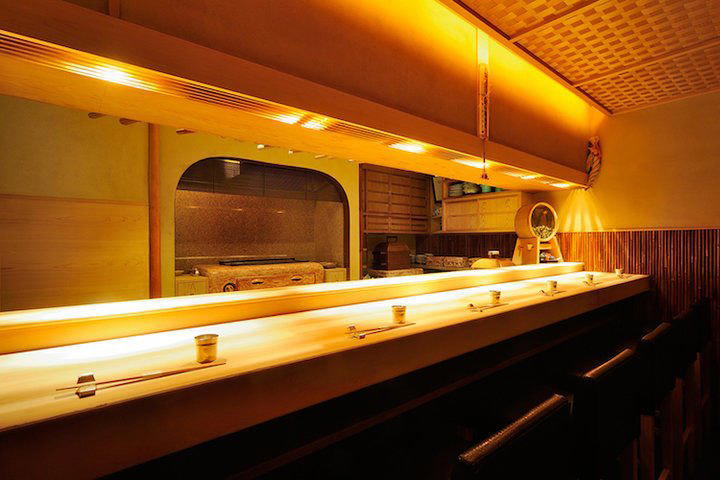
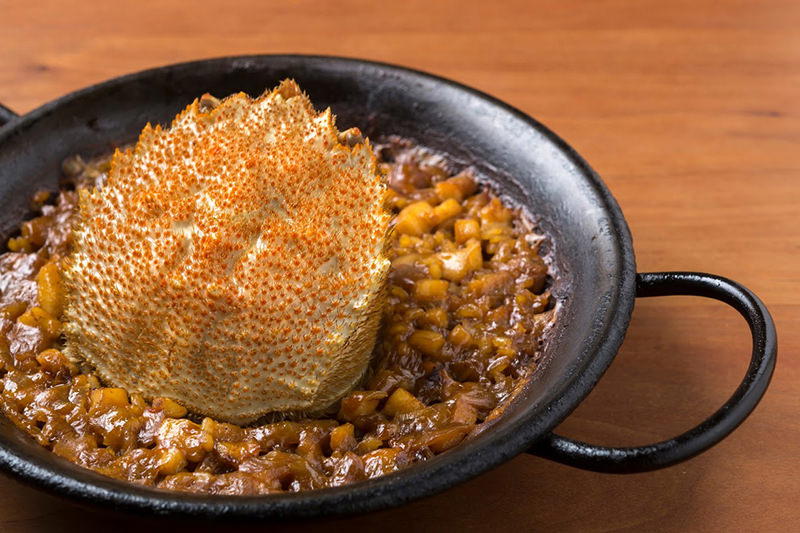
Bars in Tokyo
All bars in Tokyo →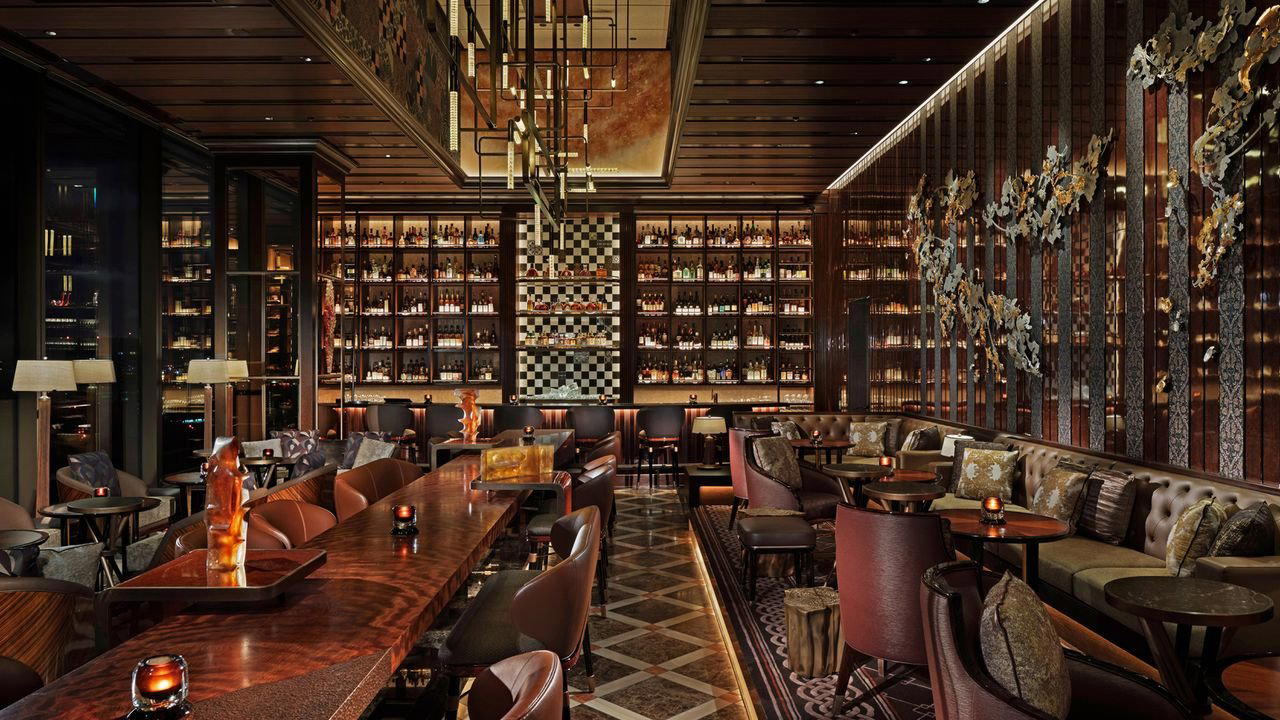



Details
- Cozy
- Elegant
- Romantic
- Sophisticated
- Date Night
- Business Dinner
- Group Dining
- Special Occasion
- After Work
- Standalone
- Design Destination
- Private Dining
- Sake Program
- Craft Cocktails
- Local Sourcing
- Set Menu
- A La Carte
- Sake
- Cocktails
- Pescatarian Friendly
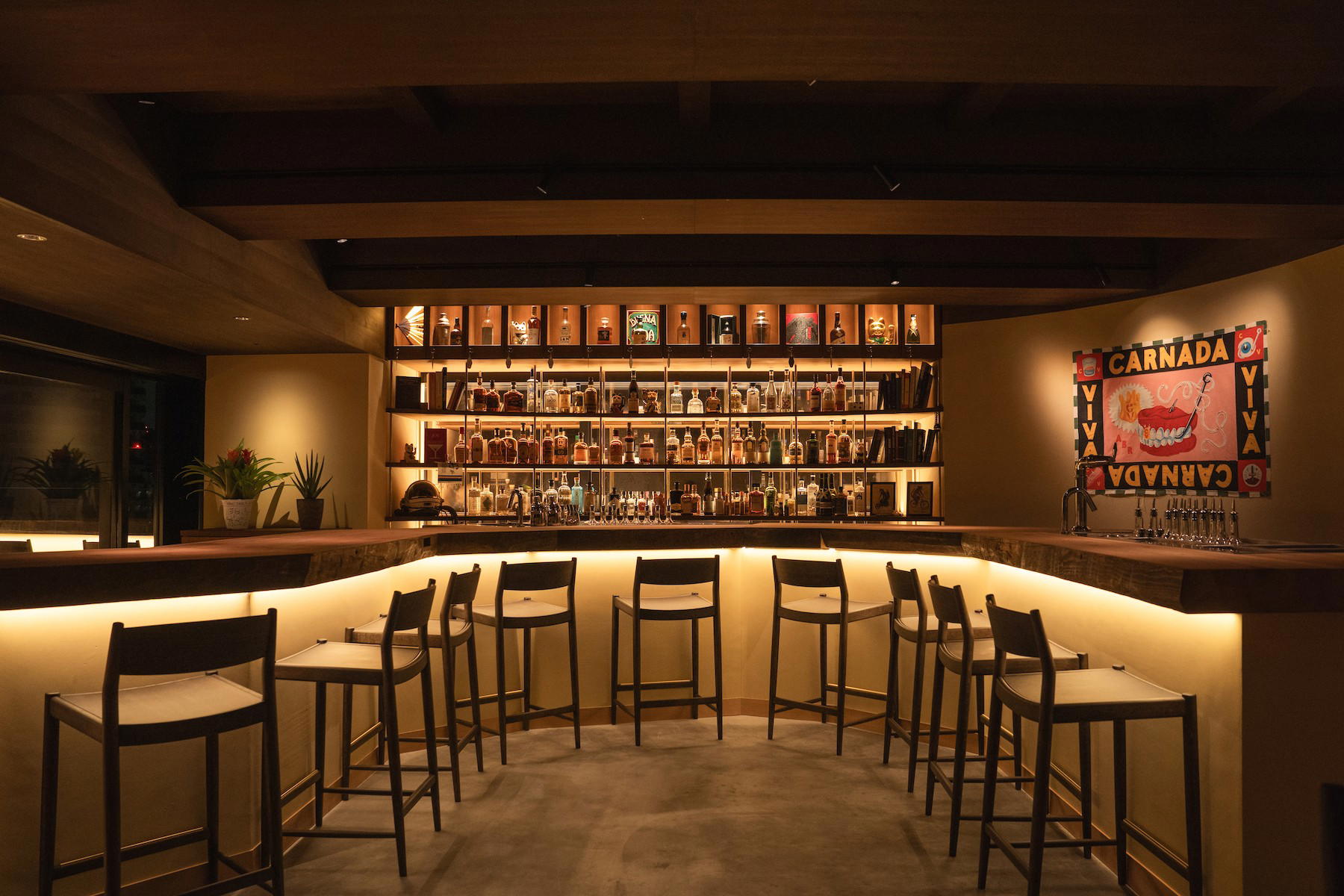
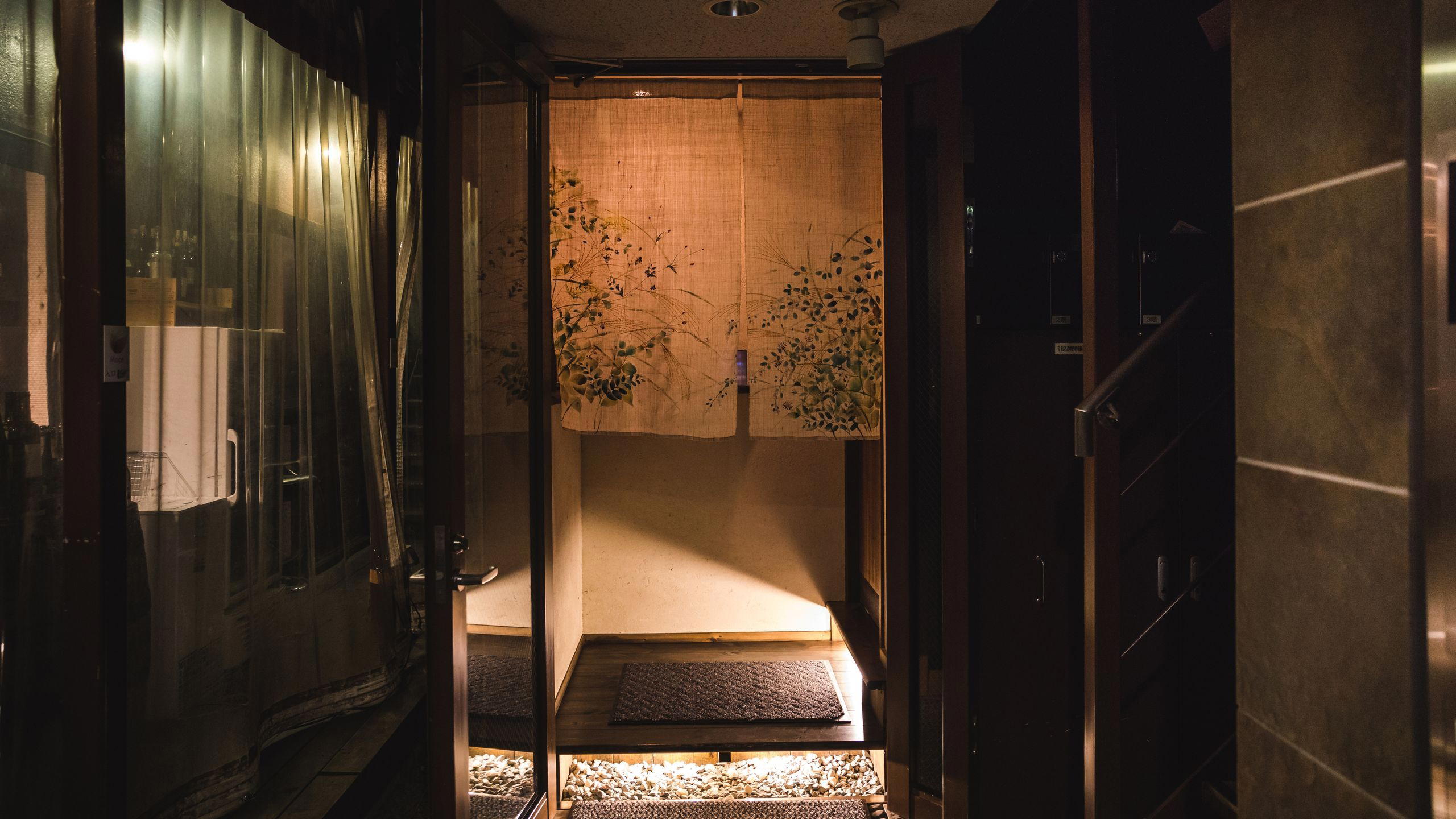
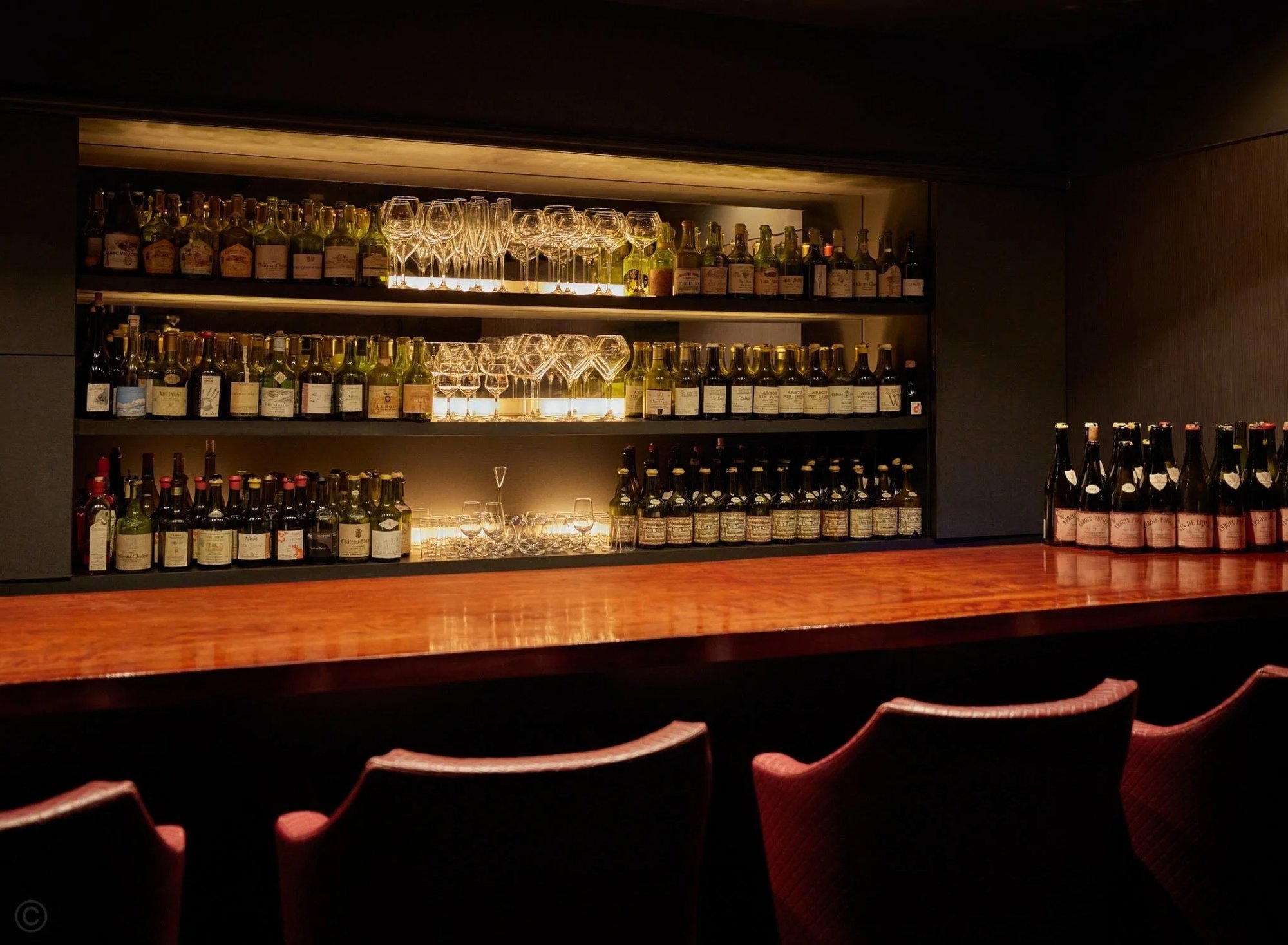
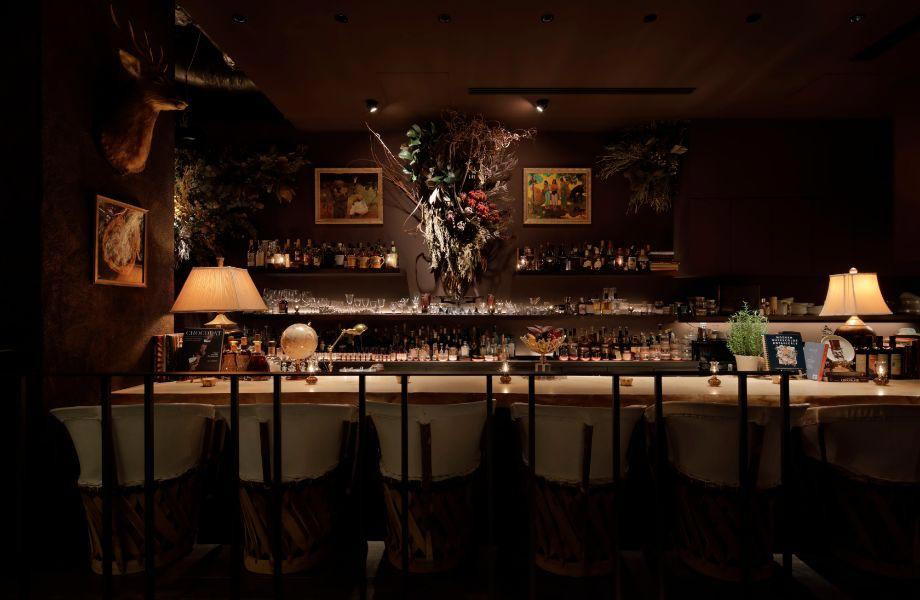
Intimate, dimly lit hot-pot dining room with a hidden-entry feel, refined but relaxed service, and a focus on slow, wellness-oriented mushroom dining rather than a noisy, boisterous nabe house.