Our verdict
Shaki shaki sits in Nasu, Tochigi Prefecture, a highland resort area known as much for its pastoral produce as for its onsen culture. The restaurant's address places it deep in the Takakuotsu district, away from the town's more trafficked corridors. For travellers already oriented toward Nasu's quieter, ingredient-led dining scene, it warrants attention alongside the wider regional offer.

Pearl is the En Primeur Club membership app, where members save venues, book tables and use the concierge.
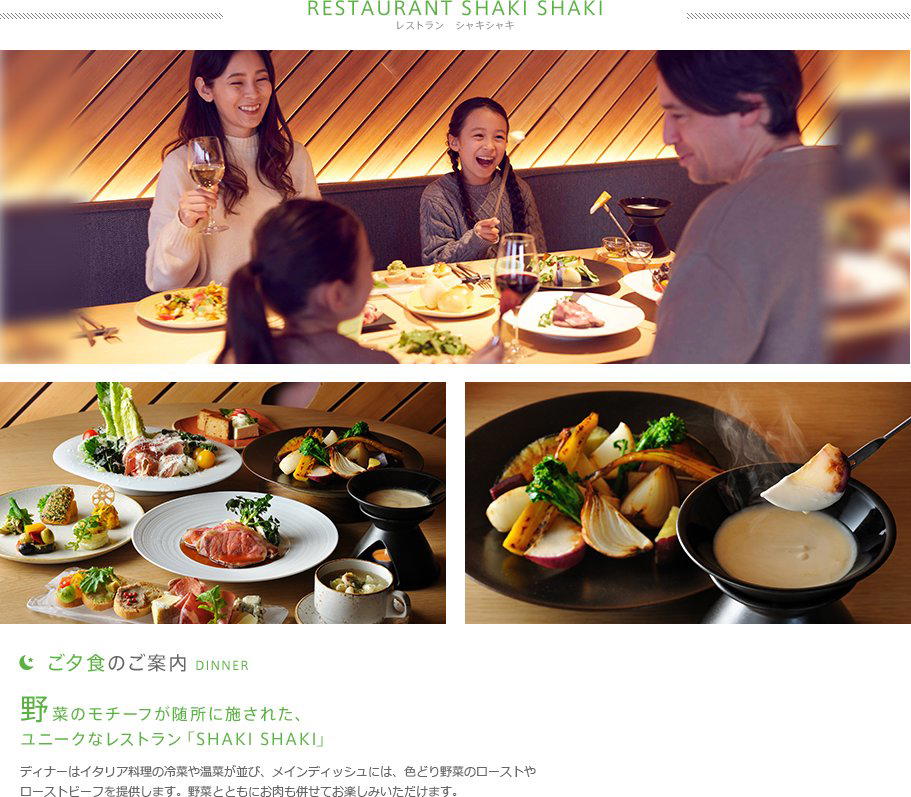
Nasu's Quietly Serious Food Scene
Tochigi Prefecture rarely enters the conversation when Japan's serious dining prefectures are listed. The discussion tends to orbit Tokyo, Kyoto, and Osaka, with occasional detours to Fukuoka or Sapporo. That bias is partly geographic habit: Nasu sits roughly two and a half hours north of Tokyo by road, far enough to feel removed from the capital's media circuit, close enough to draw a consistent flow of weekend visitors. The result is a dining environment that operates on local terms rather than for external validation. Venues here don't typically chase Michelin recognition or cultivate foreign press coverage. They build repeat custom from a clientele that returns for the mountain air, the hot springs, and increasingly, the food.
What defines Nasu's better tables is proximity to source. The Nasuno plateau produces dairy that supplies some of Japan's finest butter and milk, and the surrounding agricultural belt yields vegetables, mushrooms, and game that rarely travel far before appearing on a plate. In a country where ingredient provenance has become one of the primary axes on which serious restaurants compete, that geographic position matters. Chefs working in this part of Tochigi have access to materials that their counterparts in dense urban centres pay significant logistics premiums to source. That structural advantage shapes what Nasu's food culture can be, even if the broader dining press hasn't fully registered it.
Shaki shaki is located at 2302 Takakuotsu in Nasu District, which places it in the more rural stretch of the area rather than the resort-facing commercial strip. That address signals something about orientation: this is a venue for people who have already committed to being in Nasu, not a walk-in stop on a tourist circuit. You arrive by intention. For context on how Nasu fits into Japan's broader dining geography, see our full Nasu restaurants guide.
Where the Ingredients Come From, and Why It Matters
The broader argument for regional sourcing in Japanese cuisine has been made most forcefully by the country's kaiseki tradition, where the seasonal calendar governs the menu as a structural principle rather than a marketing angle. At celebrated urban counters like Gion Sasaki in Kyoto or in the precise French-inflected tasting formats found at HAJIME in Osaka, ingredient sourcing is already a given, baked into price point and reputation alike. The more interesting question is what happens when that sourcing ethos operates in a rural setting, where the supply chain is shorter but the institutional infrastructure is smaller.
Nasu's agricultural identity gives local restaurants a particular kind of authority over their larder. The Nasuno tableland's cool climate produces root vegetables and leafy greens with a density that warmer lowland growing conditions don't replicate. Local dairy, including milk from Nasu's well-documented farming operations, provides a fat richness that chefs in the region have historically worked into both savory preparations and desserts. Wild ingredients from the surrounding highlands, including foraged mushrooms and mountain herbs, complete a picture of a local food environment that rewards cooks who engage with it directly rather than relying on centralized distribution networks.
Shaki shaki's position in Takakuotsu puts it within that agricultural context. What the address and setting imply is that the venue operates inside a food culture where ingredient sourcing is an ambient expectation rather than a differentiating marketing claim. For travellers comparing this kind of rural Japanese dining against reference points from other regions, the grain-fed beef programs of Blue Ocean Steak in Nakagami District or the coastal-larder focus visible at a restaurant in Nanao offer instructive parallels of how Japanese regional dining anchors identity in local supply.
The Setting and What It Implies
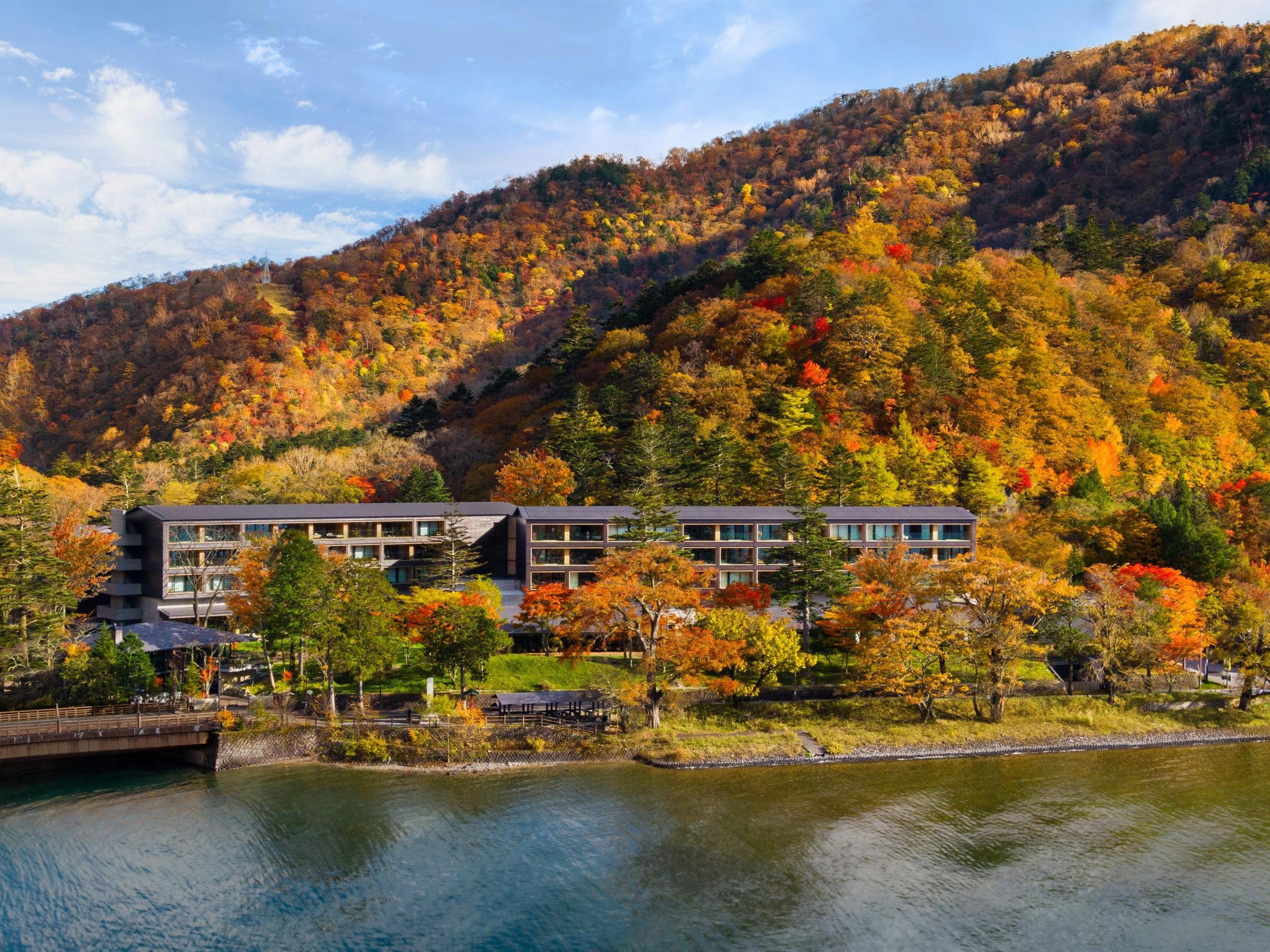
Arriving in Takakuotsu is a different experience from arriving at a venue in central Kyoto or a Tokyo neighbourhood like Ginza. There's no street-level density of competing restaurants, no visual queue of diners spilling onto a pavement. The physical approach is quieter, more rural, and the absence of urban competitive context is itself a signal: the venue exists in a setting where the natural environment does more framing than any interior design brief could.
Japanese dining culture has a well-established category for exactly this kind of experience. The ryotei tradition long held that the finest food should be encountered in settings removed from everyday urban noise. While that tradition is most documented in Kyoto's machiya corridors or the tatami rooms of kaiseki houses, the underlying logic, that environment and food should create a coherent sensory whole, applies equally to mountain resort dining. Nasu's appeal to Tokyo's upper-middle class weekend traveller is partly built on exactly this premise. You come for the onsen, the highland air, and increasingly, tables that reflect the local larder. Comparable regional formats in other parts of Japan, from the mountain dining of Takashima to the forest-adjacent settings documented in Nishikawa Machi, follow the same logic.
Planning a Visit
EP Club's verified data for shaki shaki is limited to the physical address at 2302 Takakuotsu, Nasu District, Tochigi. For a venue in a rural district of this type, the practical advice is to pursue contact through local tourism channels or accommodation concierges in Nasu, who typically maintain current operational information for area restaurants. Visiting Nasu on a weekend is common for Tokyo-based travellers; arriving mid-week generally means lighter competition for reservations across the district's dining options. Renting a car is the most practical approach for reaching addresses in Takakuotsu, as public transport connectivity in this part of Nasu District is limited.
Travellers using Nasu as a base for a broader Japan food itinerary can extend the regional logic southward: the capital's leading sushi counters, including Harutaka in Tokyo, represent the urban end of Japan's ingredient-precision spectrum. Further afield, the Kansai circuit through akordu in Nara or Goh in Fukuoka offers comparison points for how regional sourcing translates into tasting formats at the award-recognised tier. The contrast with international reference points, say the produce-discipline of Le Bernardin in New York City or the Korean-rooted precision of Atomix in the same city, is also instructive for calibrating what Japan's regional dining culture does differently.
Frequently asked questions
Can I bring kids to shaki shaki?
Given the venue's location at 2302 Takakuotsu in Nasu's rural Tochigi setting, driving is the practical way to arrive, so logistics for families with children are manageable. check the venue's official channels before visiting to confirm.
How would you describe the vibe at shaki shaki?
The address in Takakuotsu, a quiet area of Nasu District with no street-level foot traffic, sets the tone before you arrive. Expect something low-key and grounded in the surrounding landscape rather than the polished theatrics of a city counter. This is Tochigi, not Ginza.
Is shaki shaki in Nasu accessible without a car?
The venue sits at 2302 Takakuotsu in Nasu District, a rural address in Tochigi Prefecture with no walkable urban context nearby. Public transport connections to this part of Nasu are limited, and most visitors to the area travel by car. Planning your own transport is strongly advisable.
What do regulars order at shaki shaki?
Nasu's broader food culture draws on Tochigi's agricultural output, including dairy, vegetables, and river fish, so seasonal produce-led dishes are a reasonable expectation in the area.
How do I find shaki shaki?
shaki shaki is located at 2302 Takakuotsu, Nasu, Nasu District, Tochigi 325-0303, Japan, Nasu.
How hard is it to get a table at shaki shaki?
No booking data, phone number, or website is currently verified for shaki shaki at 2302 Takakuotsu, which itself suggests a small, locally known operation rather than one with a wide public booking infrastructure. Arriving without a reservation in a rural Nasu setting carries real risk, sourcing contact details locally before your visit is the practical approach.
What makes shaki shaki worth seeking out?
Tochigi Prefecture rarely features in serious dining discussions that tend to cluster around Tokyo and Kyoto, which means shaki shaki operates in a food scene that rewards those who look past established circuits. Its location in Takakuotsu, deep in Nasu District, positions it within a region with genuine agricultural depth and limited outside attention.
How It Stacks Up
Comparable venues nearby, for context on price, style, and recognition.
| Venue | Cuisine | Price | Awards | Notes |
|---|---|---|---|---|
| shaki shakiThis venue (the venue you are viewing) | Vegetable-Focused Japanese-Western Buffet | $50–100 | Not listed | Not listed |
| Medicinal Food Café Cien Gallery | Medicinal Japanese Café | Not listed | Not listed | Kanazawa |
| Rakuichi | Traditional Hokkaido Soba Kaiseki | $50–100 | Not listed | Niseko Annupuri |
| Shokusai Shubo Matsumoto | Agu pork shabu-shabu & Okinawan izakaya | $50–100 | Tabelog 100 #19 | Matsuyama |
| Grill & Dining G | Grill & Dining with Local Japanese Seafood and Meats | Not listed | Not listed | 白浜町 |
| Matsugen (松玄 恵比寿) | Handmade Japanese Soba | $30–50 | Not listed | Ebisu |
Continue exploring
More in Nasu
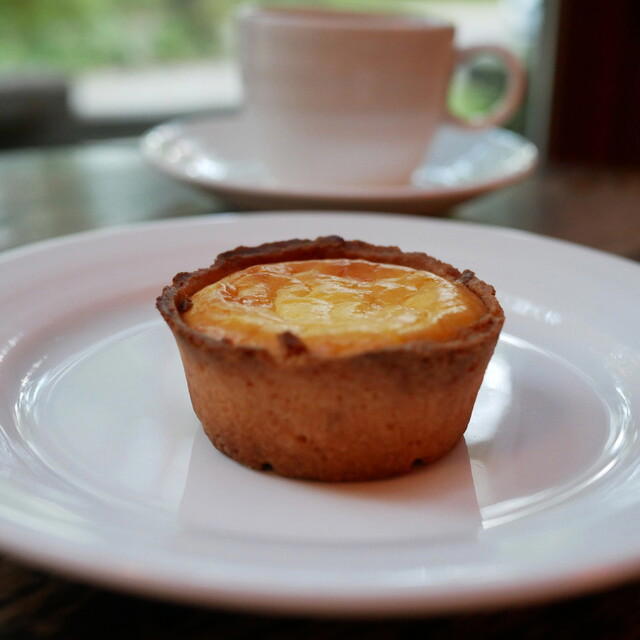
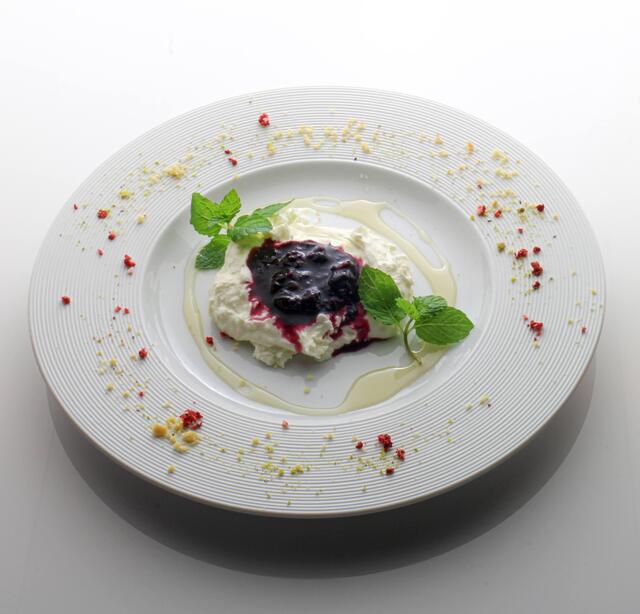
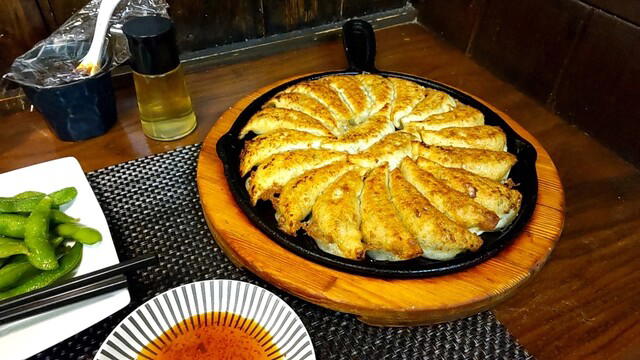

Details
- Cozy
- Rustic
- Family
- Casual Hangout
- Hotel Restaurant
- Local Sourcing
- Mountain
- Garden
- Buffet
Current opening hours
- Monday
- 5:30–9:30 PM
- Tuesday
- 5:30–9:30 PM
- Wednesday
- 5:30–9:30 PM
- Thursday
- 5:30–9:30 PM
- Friday
- 5:30–9:30 PM
- Saturday
- 5:30–9:30 PM
- Sunday
- 5:30–9:30 PM
Hours can change for holidays and private events. Hours as of .
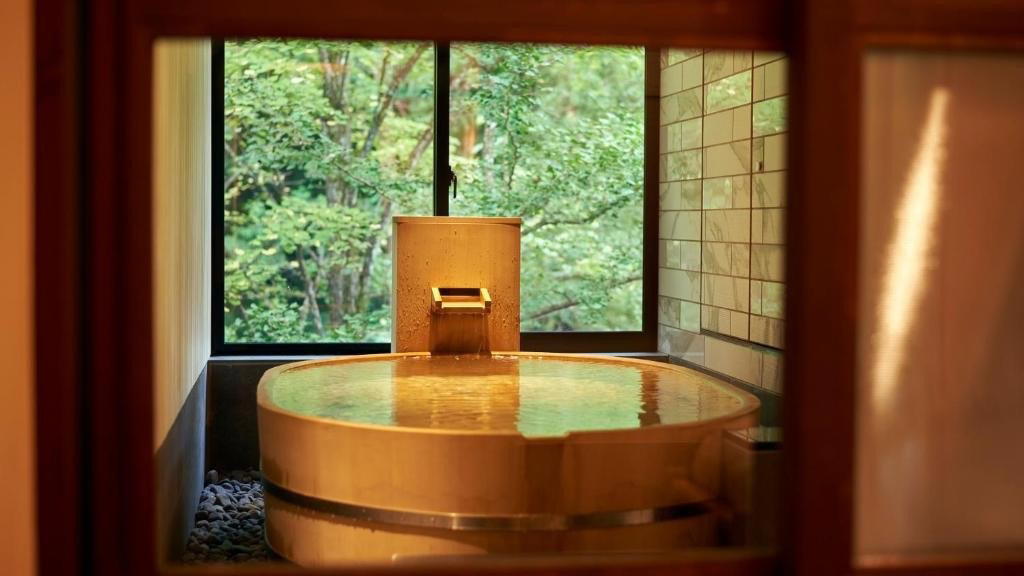
Relaxed and family-friendly atmosphere with vegetable-themed decor, light-filled sunroom-like setting, and focus on fresh seasonal ingredients.