Kurumi Tei

Tabelog 100 #69
Our verdict
Kurumi Tei gives Nasushiobara’s soba scene a producer-led argument: whole buckwheat, primarily from Tochigi, stone-milled under temperature control and served in a compact, no-smoking room. Its Tabelog 100 Soba EAST 2025 selection places it in the region’s serious soba conversation, while the tempura and sake-shochu list keep the meal grounded rather than ceremonial.

Pearl is the En Primeur Club membership app — saves, bookings, and concierge access live there. Same editors, same standards.
- Address
- 131-18 Ikkucho, Nasushiobara, Tochigi 329-2732, Japan
- Phone
- +81 287-37-7575
- Hours
- Mon–Wed 11:30 AM–2:30 PM, 5:30–7 PMThu ClosedFri–Sun 11:30 AM–2:30 PM, 5:30–7 PM
- Website
- tochinavi.net
- Directions
- Get directions
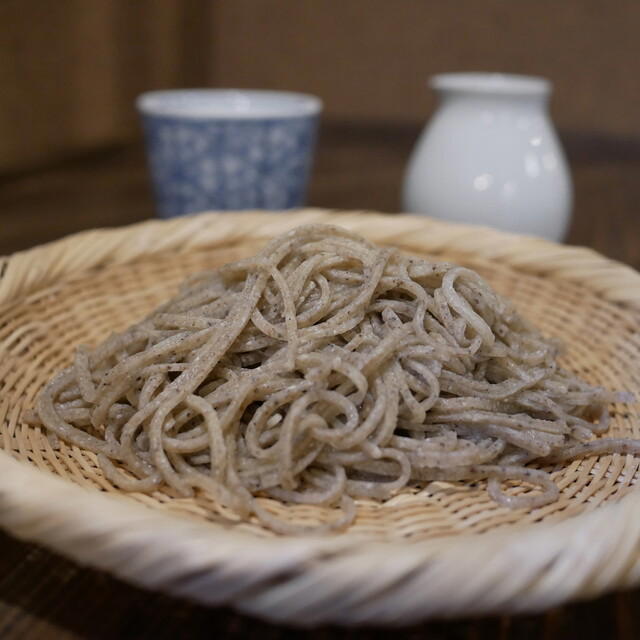
The menu
What to order
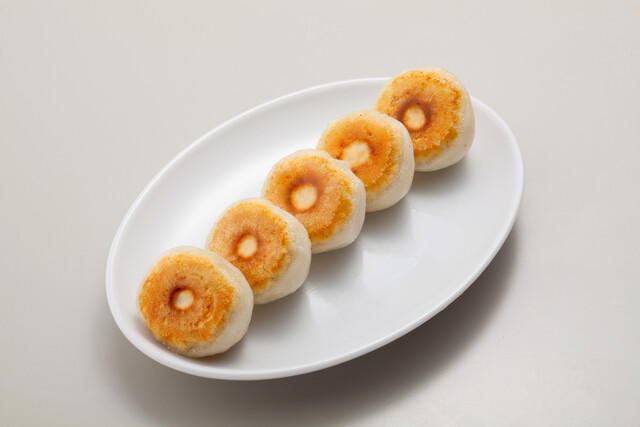
- 蕎麦懐石(蕎麦寿司・蕎麦がき・出汁巻き玉子・蕎麦田楽・天麩羅・ざる蕎麦・水菓子)
- 鴨南ばん蕎麦
- かけ蕎麦
- 天ざる蕎麦
- 粗挽き十割蕎麦
Approaching a soba house in Nasushiobara is not the same proposition as sliding into a counter in central Tokyo. The pace is regional, the expectation is ingredient-led, and the room matters less than the grain. Kurumi Tei fits that rhythm: a focused soba and tempura address where the point is not spectacle but the steady clarity of a category-specific meal.
The city sits in a part of Japan where agricultural proximity still shapes how restaurants speak. Soba rewards that proximity more than many cuisines because the noodle’s character depends on grain condition, milling, water, and timing rather than garnish. At Kurumi Tei, the appeal is best understood through that lens: not as a broad luxury restaurant, but as a specialist stop for buckwheat noodles, with tempura giving the meal its familiar supporting structure.
Buckwheat noodles, tempura, and the discipline of focused soba
Serious soba leaves little margin for imprecision. The format asks more from the noodle work, and it tends to expose weak execution quickly. In a regional dining context, that makes the category itself more than a simple menu note. It tells the reader what kind of restaurant this is: one betting on soba clarity and craft rather than a long menu designed to distract.
Kurumi Tei’s Tabelog Hyakumeiten 2025 recognition is the trust signal that matters here. Tabelog’s Hyakumeiten lists are not the same as Michelin stars, but in Japan they carry weight for category-specific restaurants, especially genres such as soba where local repeat custom and specialist scrutiny matter. Its listed Tabelog score is 3.71, placing the restaurant in a clearly recognized lane for travelers comparing soba addresses.
That recognition separates the restaurant from casual noodle stops built only for convenience. The presence of tempura gives the meal a familiar soba-house structure, while the broader value is the way the restaurant stays within a defined category rather than trying to be many things at once. The useful comparison is not with high-gloss kaiseki or urban omakase, but with serious regional specialists where focus is the point.
Nasushiobara’s restaurant map rewards that distinction. Bread and casual dining appear in the local mix at NAOZO, while handmade noodle culture has another local marker in Teuchi Homura. L'Atelier Monsieur points to a different dining register. Taken together, the scene is less about one dominant luxury strip than a dispersed set of specialists, each asking for a deliberate detour.
A small-room soba meal, not a long-form tasting performance
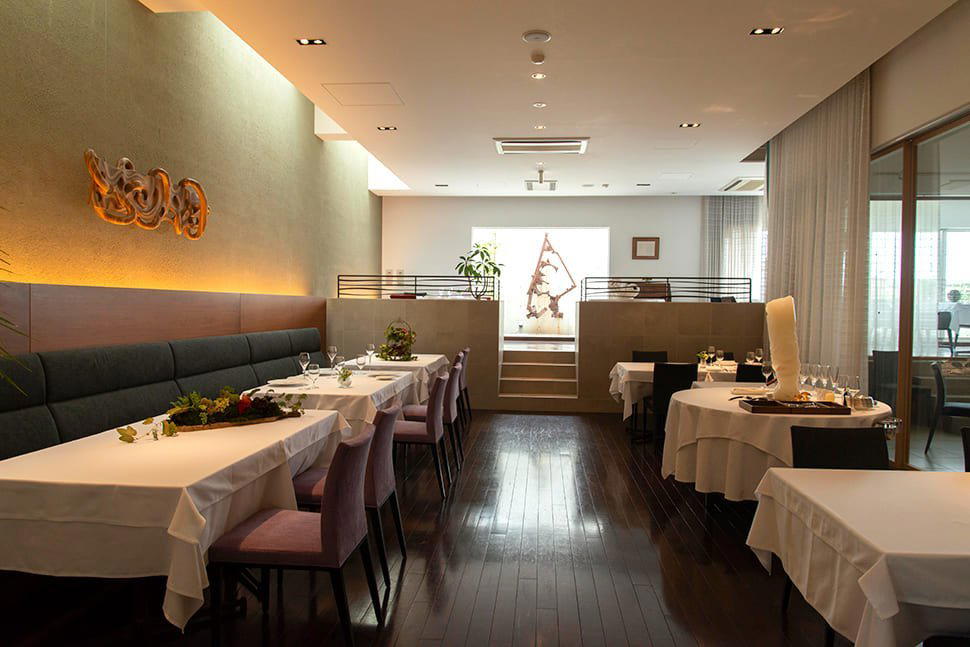
The experience should be approached as a focused soba meal rather than a long-form tasting performance. That shapes expectations from the start. This is not a place to turn a noodle lunch into a grand celebratory production; it is better understood as a restaurant for diners who care about soba, tempura, and the pace of a regional address.
The practical character is part of its appeal. Kurumi Tei does not need to announce itself through elaborate luxury signals to be worth a detour; its strength is the clarity of the category and the confidence of a restaurant recognized in a specialist soba list. For travelers comparing traditional restaurants in Japan, that kind of focus is often more useful than broad claims about atmosphere or occasion.
There is a useful critical point here. Many destination soba restaurants lean on rusticity as a substitute for precision. Kurumi Tei’s appeal is different because the public recognition points back to the basics: soba, tempura, and consistency within a demanding genre. Those are meaningful signals, not just mood words. For a traveler building a food day in Nasushiobara, that is the reason to prioritize it over a generic noodle lunch.
It also sits within a broader Japanese dining pattern that premium travelers often miss. Not every serious meal in Japan announces itself through counter theater, chef biography, or an elaborate tasting sequence. Some of the country’s more revealing meals are category-specific: soba, tempura, unagi, tonkatsu, curry, onigiri. EP Club’s wider Japan coverage shows the range through other regional and urban dining rooms, from highly focused specialists to casual formats. The same logic extends beyond Japan as well: narrow focus often tells the sharper story.
Where it fits in a Nasushiobara food itinerary
For travelers, the argument for this meal is strongest when Nasushiobara is treated as more than a transit point. The area’s dining value lies in local products, restrained formats, and addresses that do not always behave like metropolitan restaurants. Kurumi Tei belongs in that itinerary as the soba stop with category recognition, not as an all-purpose restaurant for every occasion.
The decision is simple. Choose it when the meal’s purpose is soba, buckwheat noodles, tempura, and the quiet seriousness of a regional room. Choose elsewhere when the brief is café time, bread, Western-leaning cooking, or a looser meal format. For broader planning, use Our full Nasushiobara restaurants guide alongside Our full Nasushiobara hotels guide, Our full Nasushiobara bars guide, Our full Nasushiobara wineries guide, and Our full Nasushiobara experiences guide. In a city where the stronger meals are often specific rather than showy, the smart itinerary gives soba its own slot.
Frequently asked questions
Can I bring kids to Kurumi Tei?
Kurumi Tei is a soba and tempura restaurant in Nasushiobara.
How would you describe the vibe at Kurumi Tei?
Kurumi Tei is best understood as a focused soba and tempura stop in Nasushiobara. It suits diners looking for a category-specific regional meal rather than a long dining session.
Is Kurumi Tei more mid-range or high-end?
Kurumi Tei is listed with a dinner budget of JPY 2,000 - JPY 2,999 and a lunch budget of JPY 1,000 - JPY 1,999.
Is Kurumi Tei open every day?
Current opening hours are not provided here. Contact Kurumi Tei directly at +81-287-37-7575 before visiting.
In Context: Similar Options
Comparable venues by cuisine and price in the same metro.
| Venue | Cuisine | Price | Awards | Notes |
|---|---|---|---|---|
| Kurumi TeiThis venue — the venue you are viewing | Traditional soba (juwari) & sake | $20–30 | Tabelog 100 #69 | Not listed |
| Teuchi Homura | Award‑winning hand‑made ramen | $1–10 | Tabelog 100 #37 | Kuroiso |
| NAOZO | Stone-oven bakery & café | $10–20 | Tabelog 100 #66 | Nasu, Kuroiso / Nasu Shiobara |
| L'Atelier Monsieur | Modern French Fine Dining with Local Japanese Influences | $100–150 | Not listed | Nasushiobara |
| Kawakami-an (軽井沢 川上庵) | Japanese Soba | $20–30 | Tabelog 100 #11 | Karuizawa |
| 蕎麦処 そばの実 | Togakushi Soba | $20–30 | Tabelog 100 #53 | Togakushi |
Recognition history
Dated appearances from independent guides and award organizations, with the underlying list record or original source where available.
Tabelog 100 #69 · No. 69
Tabelog · Tabelog 100 - Soba - EAST - 2025
Continue exploring
More in Nasushiobara
Restaurants in Nasushiobara
Browse all →
Bars in Nasushiobara
Browse all →
Details
- Quiet
- Cozy
- Classic
- Date Night
- Business Dinner
- Group Dining
- Solo
- Casual Hangout
- Standalone
- Sake Program
- A La Carte
- Set Menu
- Sake
Current opening hours
- Monday
- 11:30 AM–2:30 PM, 5:30–7 PM
- Tuesday
- 11:30 AM–2:30 PM, 5:30–7 PM
- Wednesday
- 11:30 AM–2:30 PM, 5:30–7 PM
- Thursday
- Closed
- Friday
- 11:30 AM–2:30 PM, 5:30–7 PM
- Saturday
- 11:30 AM–2:30 PM, 5:30–7 PM
- Sunday
- 11:30 AM–2:30 PM, 5:30–7 PM
Hours can change for holidays and private events. Last verified .
A small, quietly classic soba house with around 28 seats and tatami seating, where the focus is on savoring the aroma and texture of handmade juwari soba in a calm, unpretentious setting suited to couples and small groups.