
Tabelog 100 #19
Our verdict
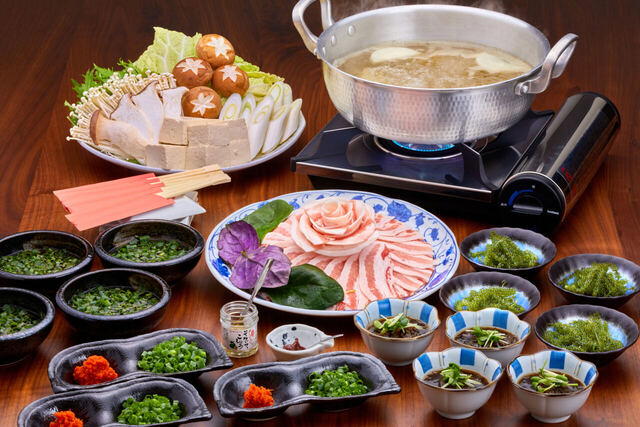
Agu pork shabu-shabu gives Shokusai Shubo Matsumoto its reason for being: Okinawan ingredient identity expressed through hot pot rather than resort-dining gloss. Its Tabelog 100 Hot Pot 2024 selection places it among Japan’s more closely watched sukiyaki and shabu-shabu rooms, with an izakaya-adjacent drinks range that keeps the experience grounded rather than ceremonial.

Pearl is the En Primeur Club membership app, where members save venues, book tables and use the concierge.
The menu
What to order
- Agu shabu-shabu set
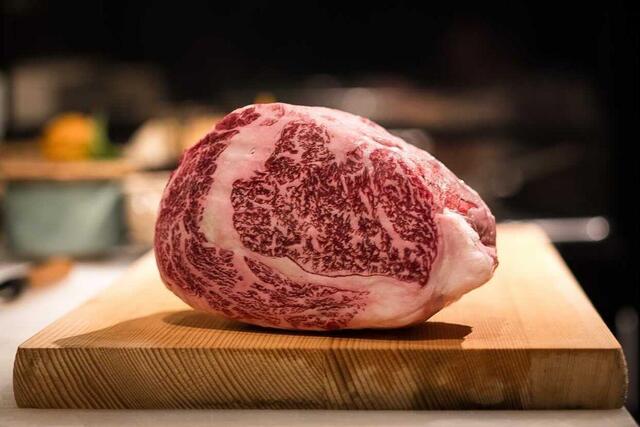
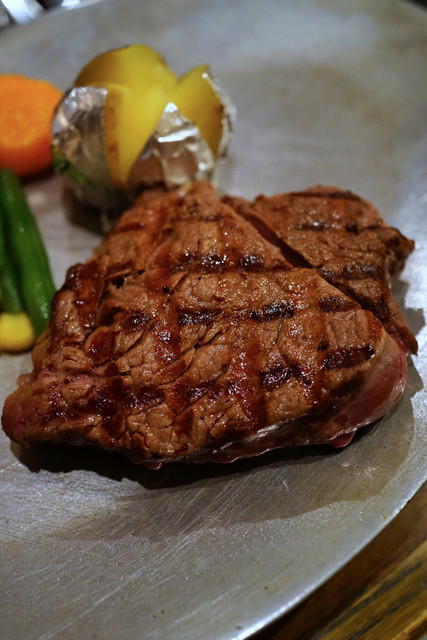
- Thick-cut Yamashiro beef sirloin
- Yanbaru herb chicken skewers
- Ie-jima island shallots with Agu pork
- Shimakuru Aguu pork seiro-mushi
Matsuyama’s dining streets are not quiet in the evening, and the approach to a pork shabu-shabu specialist belongs to that more social side of Japanese dining: steam, conversation, shared pots, and the rhythm of a room built for groups rather than hushed counter worship. In this category, the ingredient and the format do the heavy lifting. Pork shabu-shabu carries a different charge from generic evening dining; at Shokusai Shubo Matsumoto, it is tied to Okinawa cuisine and to a tavern-like style shaped by sharing, simmering, and drinking at the table.
That matters because shabu-shabu can become anonymous when the cooking is weak. Thinly sliced meat, a pot of broth, dipping sauce, vegetables: the format is simple enough to expose mediocrity. Shokusai Shubo Matsumoto is useful because it sits at the point where a focused hot-pot format and Okinawa cuisine meet. The Tabelog Hyakumeiten 2024 recognition is the trust signal here, not as decoration but as a sign that a pork-focused Okinawan room has earned notice in a category where technique, consistency, and clarity matter.
Pork shabu-shabu makes this a regional hot-pot argument, not just dinner in a pot
Pork shabu-shabu is broader than a single restaurant mood. The format places pork at the center, with simmering, dipping, and shared preparations carrying as much weight as individual plates. Shabu-shabu narrows that idea into a cleaner structure: meat briefly cooked, sauce doing less disguise work, texture kept in focus. A restaurant built around pork shabu-shabu therefore asks a precise question: can a focused style hold attention in a dining format that gives it almost nowhere to hide?
The answer depends on restraint. Pork shabu-shabu works when the kitchen resists overcomplication and lets the meat read clearly against broth and condiments. That is also why the izakaya-adjacent frame makes sense in this setting. The category remains hot pot rather than bar dining, but the mood is still sociable. Compared with beef-led rooms such as Miyazaki Beef Specialty Restaurant Naha Miyachiku or meat specialists like Niku no Hentai Shudan Shippu Horumon Kumoji honten, the emphasis here is less about steakhouse theatre and more about pork shabu-shabu, Okinawa cuisine, and a Japanese tavern rhythm.
For a wider read on how this style fits the city’s dining map, Our full Matsuyama restaurants guide is the natural starting point. The contrast is useful: other Matsuyama dining rooms may point toward more classical Japanese-cuisine registers, noodle precision, or everyday local habits. Read together, they show why a hot-pot room built around pork occupies a different lane from the familiar sushi, kaiseki, ramen, and izakaya categories visitors often default to.
The room favors shared pace over counter minimalism
Japanese destination dining often gets reduced to small counters, silent concentration, and chef-led pacing. Hot pot follows another logic. It is communal, warmer in volume, and more forgiving of mixed groups. The presence of an izakaya-style category keeps the experience away from preciousness, while the shared-pot format helps explain why the room reads as a practical dinner choice rather than a ceremonial tasting-menu stop.
The better expectation is a shared dining rhythm rather than secluded entertaining. Pork shabu-shabu is designed for conversation because the cooking action sits at the table and the meal progresses collectively. That makes Shokusai Shubo Matsumoto especially useful for diners who want structure without stiffness: enough focus to justify the booking, enough informality to suit a social evening in Matsuyama.
This is where the Tabelog Hyakumeiten 2024 recognition has editorial value. Awards often pull attention toward rarity, but in hot pot the more interesting marker is consistency in a format many diners understand before they sit down. A pork shabu-shabu restaurant selected for that recognition tells a different story from a tiny counter: not only intimacy, but a repeatable format with enough discipline to survive scrutiny. In that sense, Shokusai Shubo Matsumoto belongs in a conversation with specialist formats. The common thread is not cuisine type; it is the narrowing of identity around a format diners can understand before they sit down.
How to place it in a Matsuyama itinerary
The strongest case for this booking is not ceremony. It is a regionally specific dinner with enough structure for serious diners and enough ease for a group. Aso sits in a different dining lane, while BAR Owl and O’s House serve different evening needs entirely; those comparisons underline the decision. Choose pork shabu-shabu when the night calls for a table-centered meal rather than bar-hopping, steak, or a compact counter experience.
For travelers building more than one night, the smart move is variety. Pair this style with other Matsuyama dining if the aim is to test different expressions of Japanese eating rather than repeat the same mood. Broader planning belongs in the city guides: the full Matsuyama hotels guide for where to base, the full Matsuyama bars guide for after-dinner drinking, the full Matsuyama wineries guide for wine-led detours, and the full Matsuyama experiences guide for cultural pacing around dinner.
Beyond Matsuyama, the page sits inside a larger EP Club map of focused Japanese and Japanese-adjacent dining. The useful comparison is specificity: the stronger venues in this orbit know exactly what they are built to serve. Here, that answer is pork shabu-shabu, Okinawa cuisine, and an izakaya frame kept in balance.
Frequently asked questions
Is Shokusai Shubo Matsumoto good for families?
Its pork shabu-shabu format suits shared dining rather than a formal counter meal, so it is best understood as a sociable table-centered choice.
Is Shokusai Shubo Matsumoto formal or casual?
It reads as casual rather than formal, even with Tabelog Hyakumeiten 2024 recognition. The restaurant is categorized around pork shabu shabu, Okinawa cuisine, and izakaya-style dining, with pricing at JPY 6,000–JPY 7,999.
What should I budget for a meal at Shokusai Shubo Matsumoto?
Pricing at Shokusai Shubo Matsumoto is listed as JPY 6,000 - JPY 7,999 for dinner.
Where do I go for Shokusai Shubo Matsumoto?
Matsuyama.
Do I need a reservation for Shokusai Shubo Matsumoto?
Reservations are the safer move here. The restaurant has Tabelog Hyakumeiten 2024 recognition and a focused pork shabu-shabu format, so planning ahead is sensible.
How It Stacks Up
Comparable venues by cuisine and price in the same metro.
| Venue | Cuisine | Price | Awards | Notes |
|---|---|---|---|---|
| Shokusai Shubo MatsumotoThis venue (the venue you are viewing) | Agu pork shabu-shabu & Okinawan izakaya | $50–100 | Tabelog 100 #19 | Not listed |
| Shimabuta Ishiyaki San | Okinawan Pork & Japanese BBQ | $20–30 | Tabelog 100 #28 | Matsuyama |
| Oborozukiyo (別邸 朧月夜) | Traditional Japanese Kaiseki Ryokan Dining | Not listed | Not listed | Dogo |
| Bettei Oborozukiyo | Traditional Japanese Kaiseki Ryokan Dining | Not listed | Not listed | Dogo Onsen |
| Sushi Kawanaka | Edomae Sushi Omakase | $100–150 | Tabelog 100 #44 | Okaido |
| ベトナムフード | Traditional Vietnamese | Not listed | Not listed | Katsuyama |
Recognition history
Dated appearances from independent guides and award organizations, with the underlying list record or original source where available.
Tabelog 100 #19 · No. 19
Tabelog · Tabelog 100 - Hot Pot - 2024
Continue exploring
More in Naha
Restaurants in Naha
All restaurants in Naha →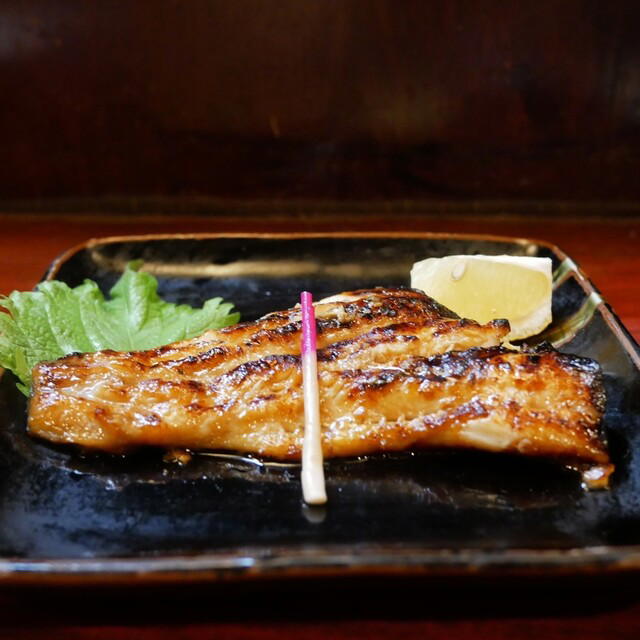

Details
- Cozy
- Intimate
- Lively
- Date Night
- Group Dining
- Family
- Celebration
- After Work
- Late Night
- Chefs Counter
- Standalone
- Beer Program
- Local Sourcing
- Set Menu
- A La Carte
- Counter Dining
- Awamori
- Beer
Relaxed, cozy izakaya-style space in Naha’s nightlife district, where guests linger over leisurely shabu-shabu while staff cook and chat tableside, paired with Awamori and local beer.