Sha Wynwood
Sha Wynwood occupies a stretch of NW 25th Street where Miami's art district has gradually pulled serious dining northward from Brickell and the Beach. The address places it squarely inside Wynwood's evolving restaurant tier, where sourcing credentials and format discipline matter more than square footage or celebrity attachment.
Pearl is the En Primeur Club membership app — saves, bookings, and concierge access live there. Same editors, same standards.
- Address
- 97 NW 25th St, Miami, FL 33127
- Phone
- +13052040694
- Website
- shawynwood.com
- Directions
- Get directions
 Saves & bookings on Pearl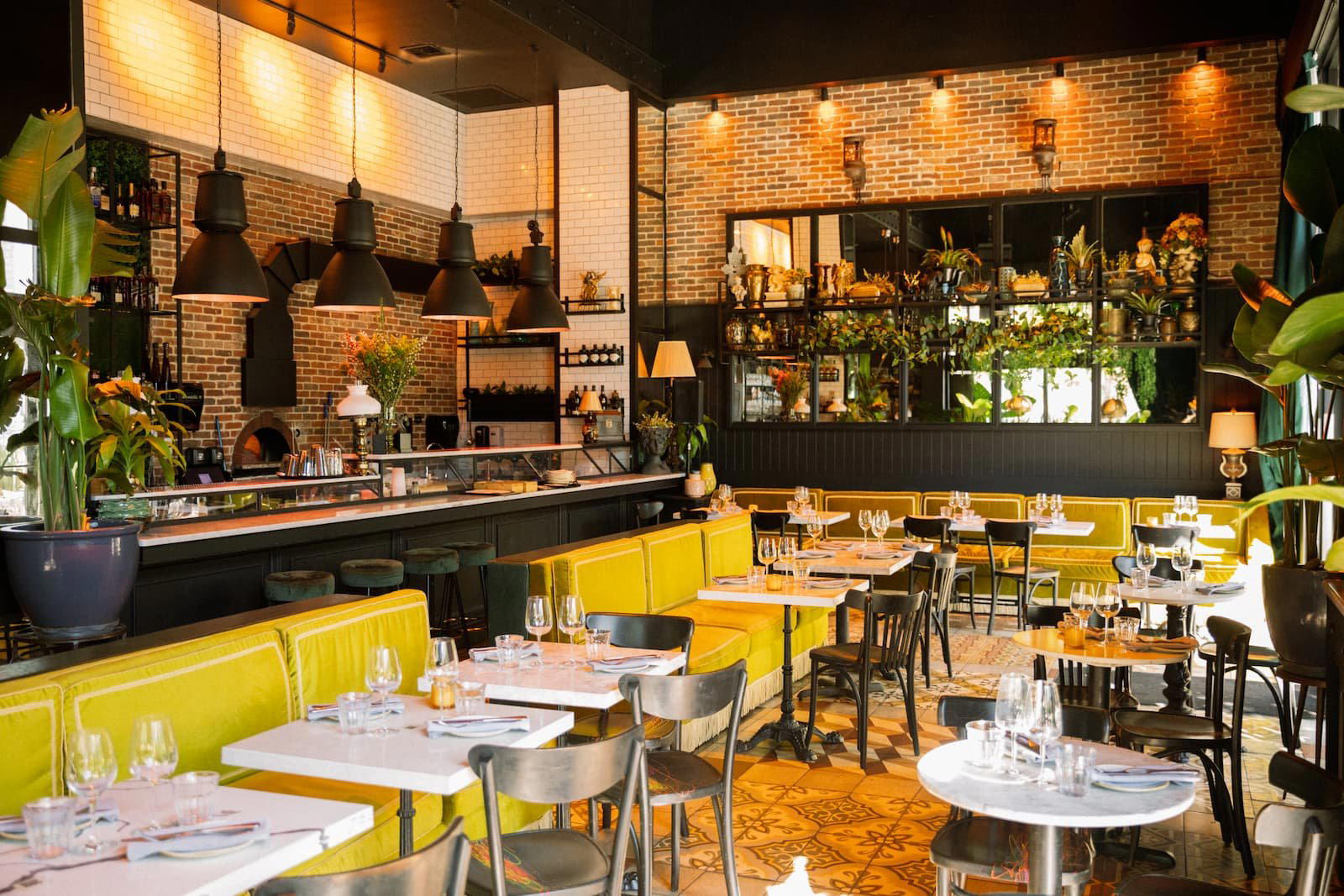
Where Wynwood's Restaurant Scene Has Arrived
The neighborhood around NW 25th Street has shifted faster than most Miami precincts. A decade ago, Wynwood's food offer was largely secondary to its gallery calendar: tacos, pizza, things that kept visitors moving between murals. The restaurants arriving now operate on a different logic. They come with sourcing programs, defined formats, and a seriousness about provenance that places them in conversation with dining rooms in Coconut Grove and the Design District, not just with the block's foot traffic. Sha Wynwood sits inside that shift, at 97 NW 25th St, and its address is a kind of editorial statement about where the neighborhood's dining ambition currently points.
The Ingredient Question in South Florida
Sourcing in Miami has always been complicated by geography. The city is surrounded by productive water and a subtropical agricultural belt, yet its premium dining scene has historically imported heavily, relying on overnight freight from the Carolinas, the Pacific Northwest, or Latin American farms with established export pipelines. The more recent pressure from chefs and operators in neighborhoods like Wynwood has been to close that loop: shorter supply chains, Florida growers, Caribbean producers who don't appear on a national distribution manifest.
This shift mirrors what properties like Blue Hill at Stone Barns in Tarrytown and Single Thread Farm in Healdsburg demonstrated at a higher price bracket: that the distance between farm and plate is itself an argument, not merely a marketing note. Miami's version of that argument is necessarily different, shaped by tropical seasonality, hurricane disruption cycles, and a food culture that threads Cuban, Haitian, Colombian, and Brazilian influence into what the region actually grows and eats. Sha Wynwood operates in this context, in a neighborhood where the conversation about local identity in food has moved from aspiration to expectation.
Wynwood's Competitive Position
Miami's restaurant geography has several distinct clusters, each with its own pricing pressure and clientele assumptions. Brickell pulls corporate expense-account traffic and supports high-ticket steakhouses and imported European formats. The Design District carries the city's Michelin-facing prestige addresses. South Beach runs on volume and visibility. Wynwood has carved out a different role: younger in feel, more format-experimental, and increasingly home to the kind of mid-to-upper-tier independent that positions on specificity rather than scale.
Within that cluster, the relevant peer group for a venue at Sha Wynwood's address includes spots like Boia De, the Italian contemporary room that made Wynwood-adjacent dining a credible destination for serious eaters, and Ariete in Coconut Grove, which demonstrated that Miami's independent dining scene could sustain a long-run creative program without leaning on resort or hotel infrastructure. ITAMAE reinforced that Peruvian-Japanese technique has genuine depth in this market, while Cote Miami proved that Korean steakhouse formats could succeed outside New York. The thread running through Miami's independent success stories is a clear sourcing and format commitment, something the market now reads as baseline credibility rather than a differentiator.
Format and Atmosphere on NW 25th
The physical approach to NW 25th Street gives you Wynwood in transition: parking lots that double as weekend market space, murals on industrial facades, and newer restaurant fit-outs sitting between legacy warehouses. The density of the area rewards walking between venues in a way that downtown Miami blocks do not. The restaurant's position on this strip places it within an evening circuit that has developed organically as the neighborhood's dinner traffic has grown.
In cities where sourcing-forward programs have taken hold at this kind of address, the format tends toward open kitchens, counter service elements, or explicitly casual plating that signals the food is the point rather than the tablecloth. That emphasis on material over theater connects Miami's emerging independents to what operators at properties like Lazy Bear in San Francisco and Ariete have demonstrated: that credibility accrues to execution, not to room design spend.
How Sha Wynwood Sits in the National Picture
Miami does not yet operate at the same density of critically recognized restaurants as New York, Chicago, or San Francisco. Venues like Le Bernardin in New York City, Alinea in Chicago, and The French Laundry in Napa operate inside deep institutional infrastructures of press attention, trained front-of-house pipelines, and multi-decade reputations that Miami's restaurant scene is still building. What the city does have is genuine culinary plurality: the range of Latin American, Caribbean, and Southeast Asian influence available to Miami chefs is not replicated in those other markets at the same proximity and authenticity of source.
That resource is the argument for Miami's next generation of ingredient-driven restaurants. The question is less whether the raw material exists and more whether the operational discipline required to convert it into a sustained program has arrived. The venues that have answered that question affirmatively, including L'Atelier de Joël Robuchon Miami at the high end of the formality spectrum, have done so by treating sourcing as structure rather than marketing. The restaurant operates in the same city frame, at a Wynwood address that increasingly attracts operators with that same orientation.
Comparable sourcing-serious programs at other price tiers and geographies include Providence in Los Angeles for its seafood traceability program, Addison in San Diego for its regional California emphasis, and The Inn at Little Washington for its decades-long farm relationship model. Atomix in New York City and 8 1/2 Otto e Mezzo Bombana in Hong Kong represent the international register of that same discipline applied across different culinary traditions. Emeril's in New Orleans is an earlier precedent for how a city with strong regional ingredient identity can build a serious dining identity around that asset.
Know Before You Go
Price and Recognition
Comparable venues nearby, for context on price, style, and recognition.
| Venue | Cuisine | Price | Notes |
|---|---|---|---|
| Sha WynwoodThis venue — the venue you are viewing | Edgewater, Mediterranean-Asian Fusion | $$ | Not listed |
| Astra | Not listed | $$$ | Midtown, Modern Greek Mediterranean Rooftop |
| Amavi - Miami | Not listed | $$$ | Design District, Modern Mediterranean (Turkish & Greek) |
| Boulud Sud Miami | Not listed | $$$ | Miami Jewelry District, Coastal Mediterranean |
| ZURI Restaurant | Edgewater, Mediterranean-Moroccan Fusion | $$$ | Not listed |
| Coyo Taco | Not listed | $$ | Miami Fashion District, Fresh Mexican Street Tacos |
Continue exploring
More in Miami
Restaurants in Miami
Browse all →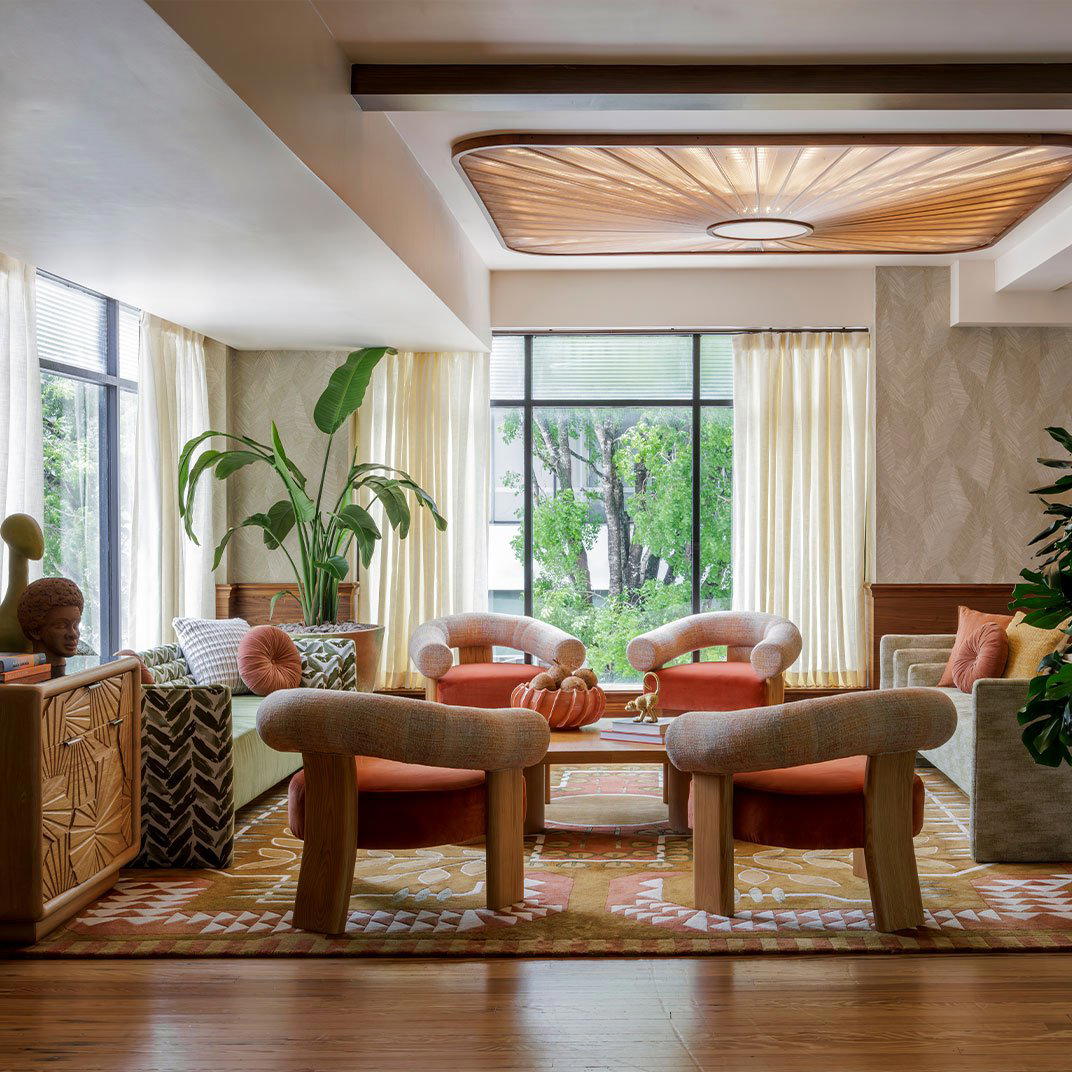

At a Glance
- Lively
- Trendy
- Elegant
- Energetic
- Date Night
- Group Dining
- Celebration
- Late Night
- Live Music
- Open Kitchen
- Craft Cocktails
- Organic
- Local Sourcing
- Sustainable
Current opening hours
- Monday
- 4 PM–1 AM
- Tuesday
- 4 PM–12 AM
- Wednesday
- 4 PM–1 AM
- Thursday
- 4 PM–3 AM
- Friday
- 4 PM–3 AM
- Saturday
- 12 PM–12 AM
- Sunday
- 12–11 PM
Hours can change for holidays and private events. Last verified .
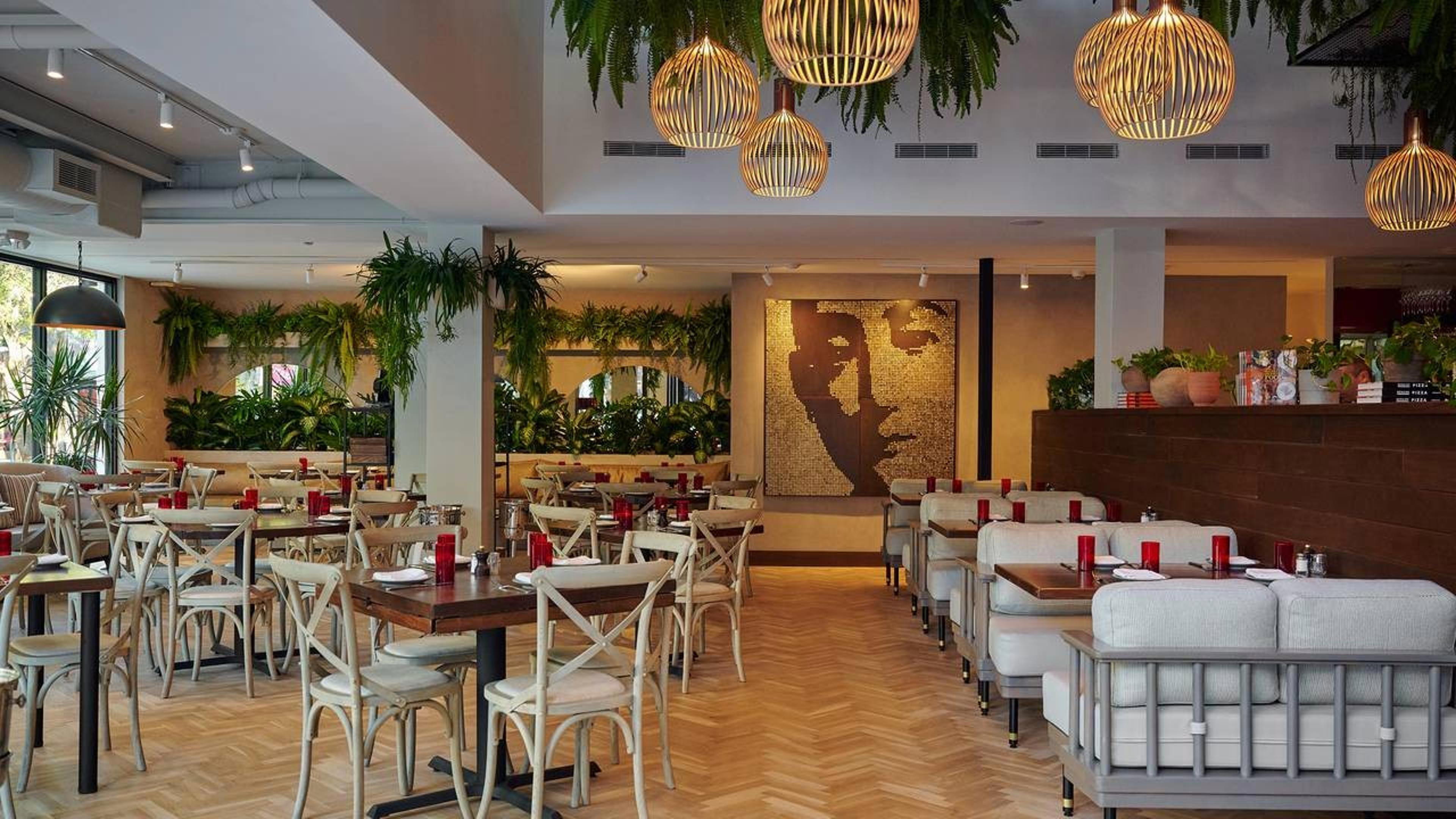
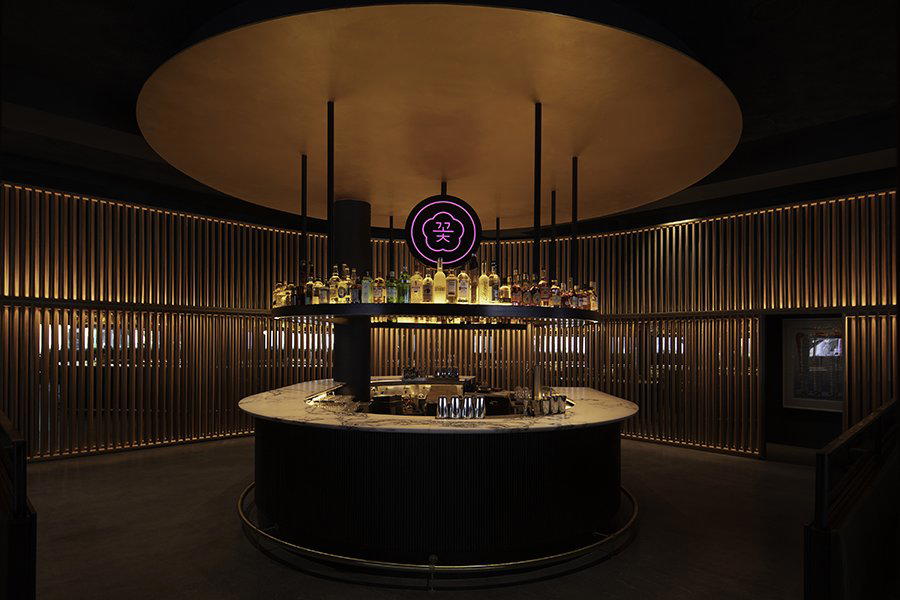
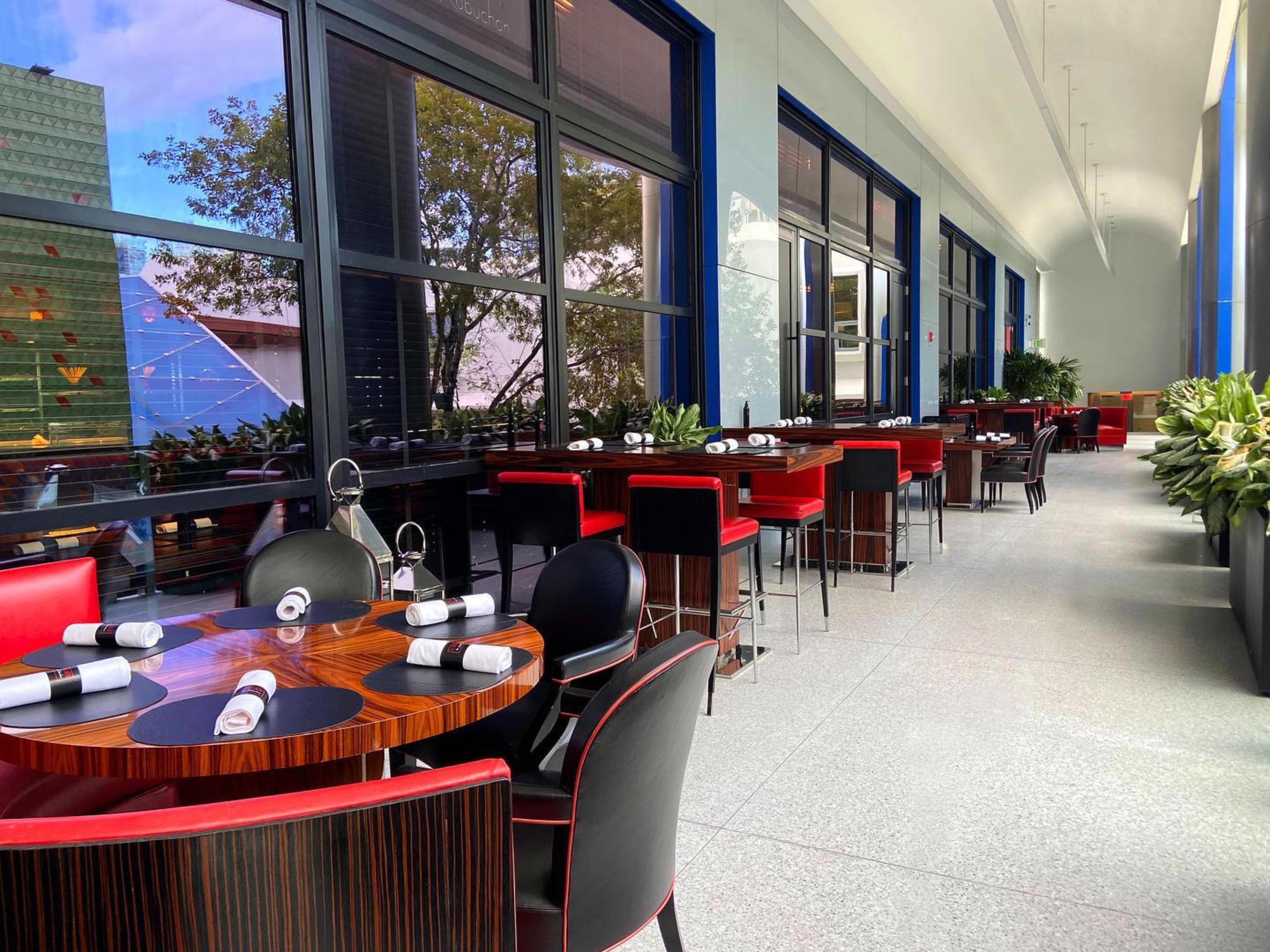
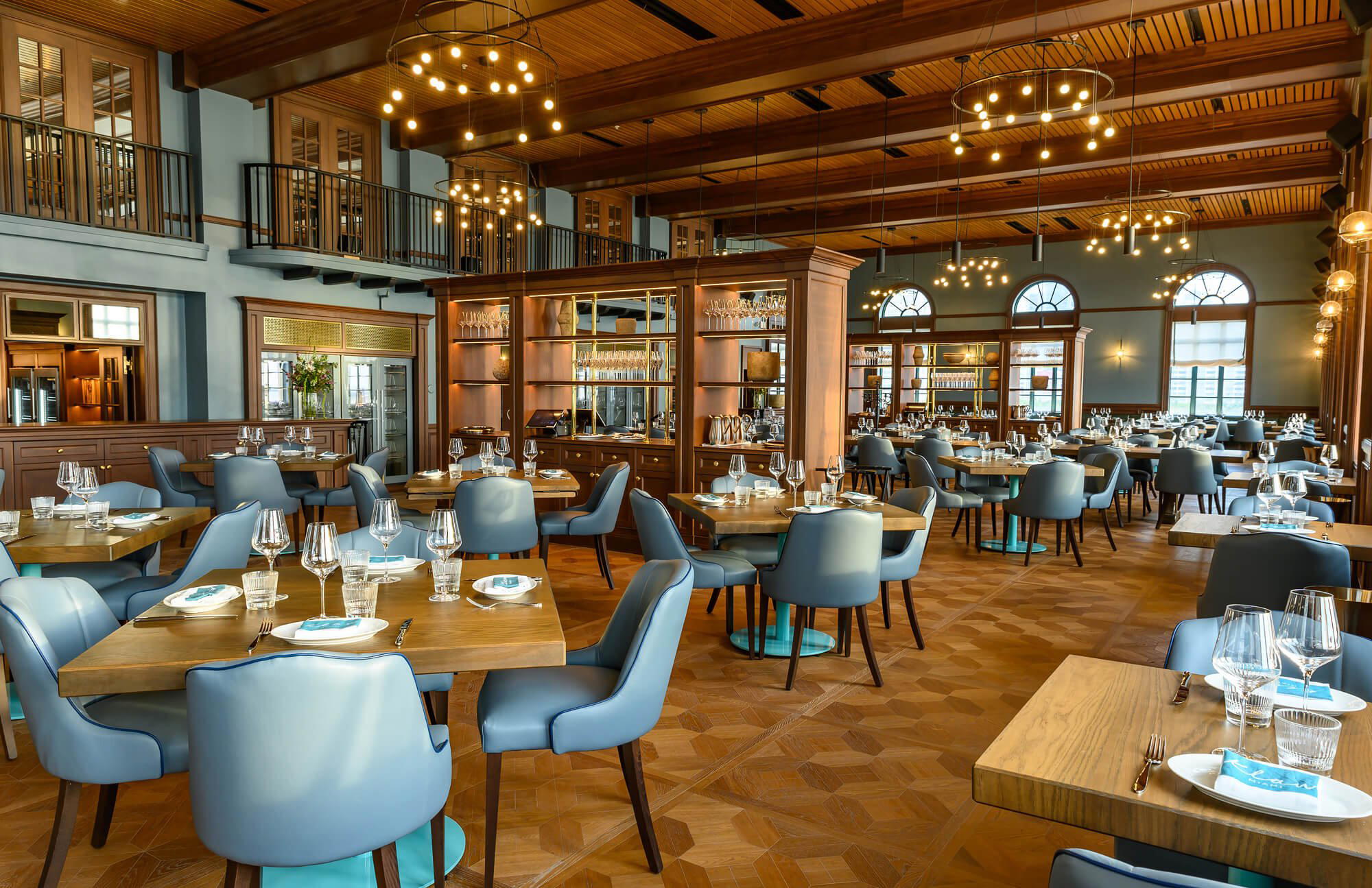
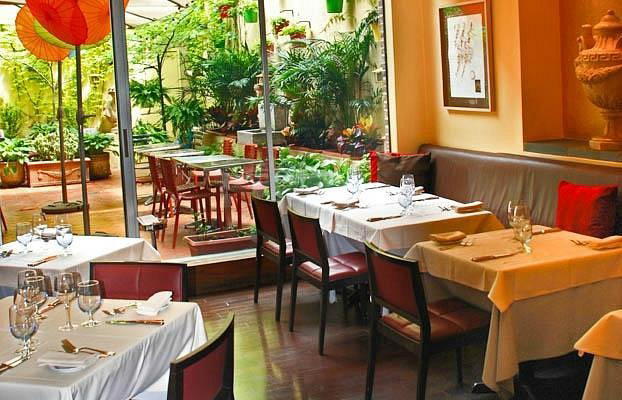
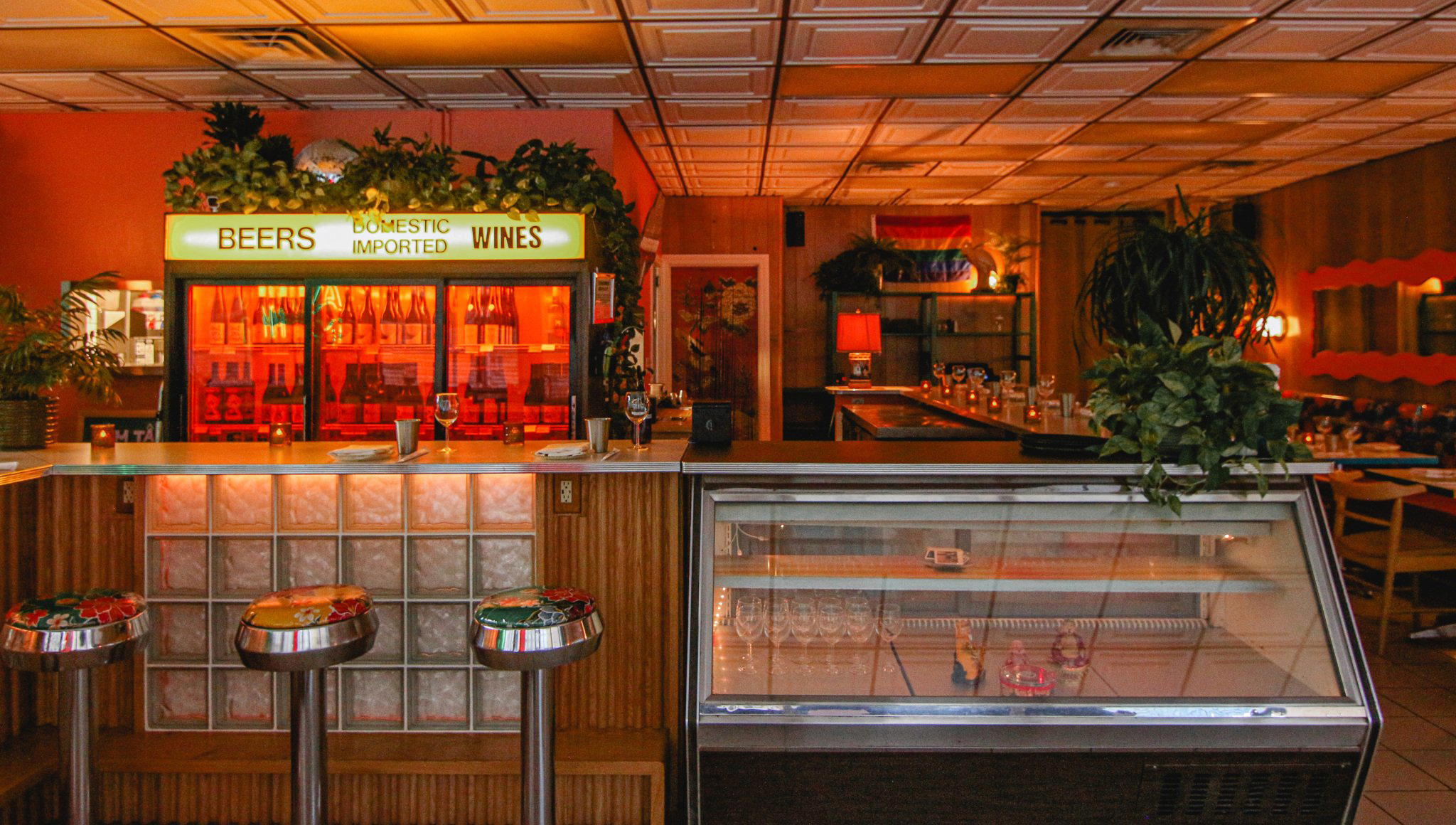
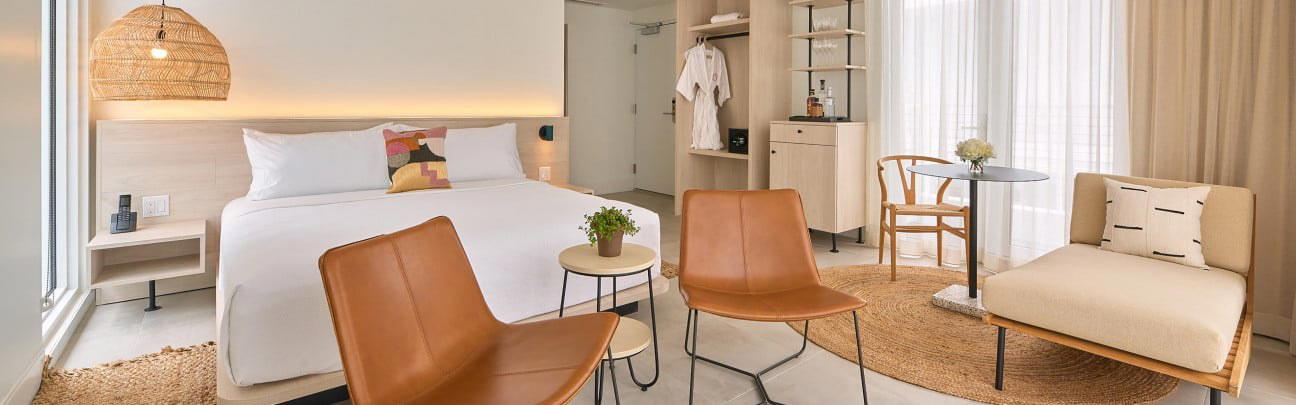
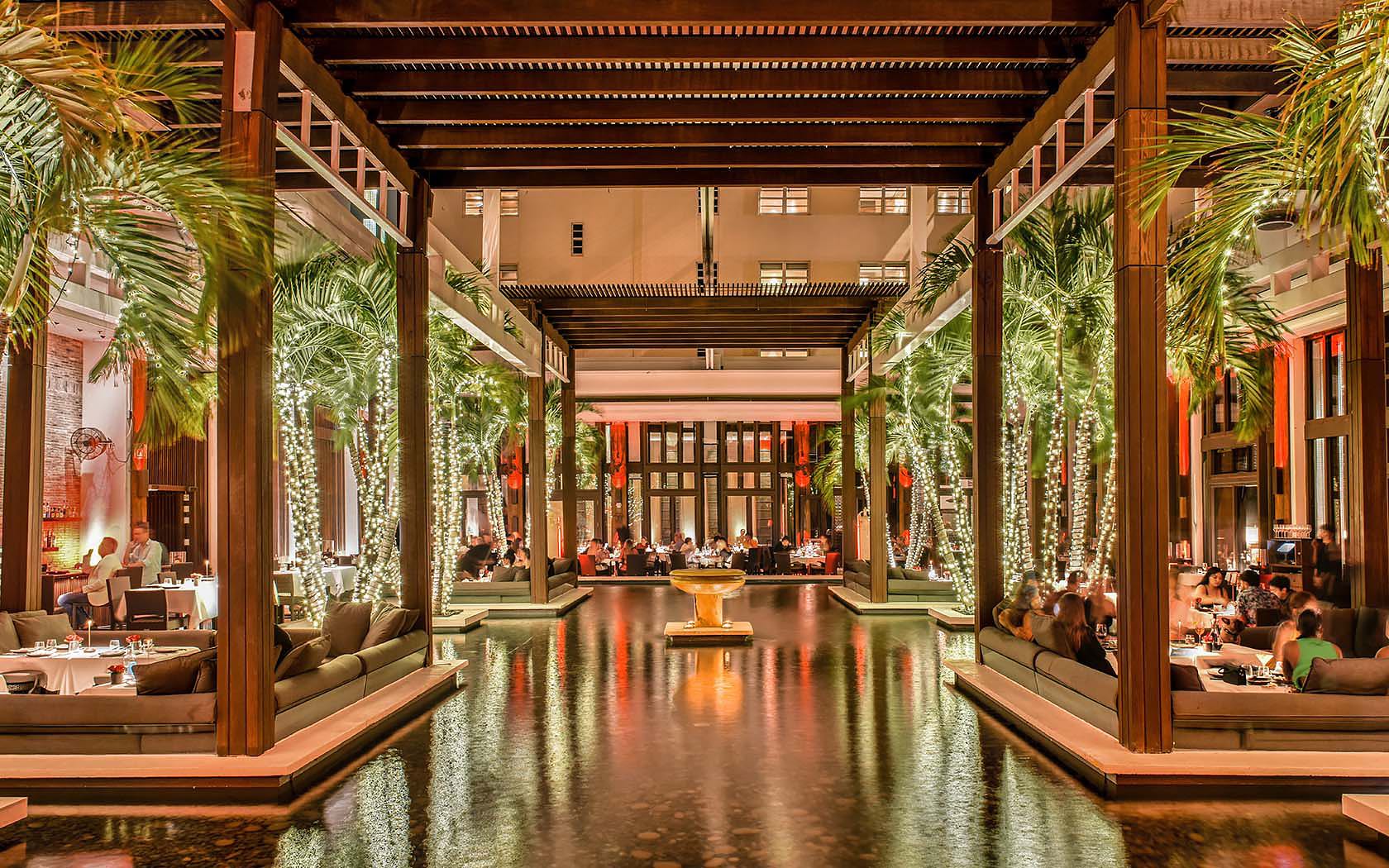
Golden tones, mirrors, palm details with elegant yet fun luxury film-like decor, energetic atmosphere that shifts to high-energy nightlife.