Amavi - Miami
Our verdict
Amavi occupies a ground-floor suite in Midtown Miami's NE 1st Avenue corridor, a stretch that has quietly absorbed some of the city's more considered dining openings in recent years. The address places it between the Design District's expense-account flagships and Wynwood's louder creative scene, a positioning that shapes both who comes and when. What the room offers across lunch and dinner is worth understanding before you book.

Pearl is the En Primeur Club membership app — saves, bookings, and concierge access live there. Same editors, same standards.
- Address
- 3252 NE 1st Ave Suite 109, Miami, FL 33137
- Phone
- (305) 728-0516
- Hours
- Mon–Thu 12–11 PMFri 12 PM–12 AMSat 11:30 AM–12 AMSun 11:30 AM–11 PM
- Website
- amavirestaurants.com
- Directions
- Get directions
- Booking
- Book on OpenTable
The menu
What to order
- Lamb Chops
- Whole Branzino
- Lamb Kofta
- Moussaka
Midtown Miami's Dining Middle Ground
Miami's restaurant geography has a way of sorting itself into legible tiers. The Design District consolidates the expense-account circuit, where destinations like L'Atelier de Joël Robuchon Miami anchor the city's most formal end of fine dining. Wynwood pulls the younger, louder crowd. Midtown, specifically the NE 1st Avenue corridor around the 3200 block, occupies a more ambiguous band — close enough to the Design District to inherit some of its foot traffic, but with rents and a street-level character that still attract operators who want an audience rather than a postcode. Amavi sits at Suite 109 of 3252 NE 1st Ave, which positions it squarely in this contested middle zone. That address is not incidental; it signals something about the kind of dining experience the room is built around.
Miami's mid-tier has grown more competitive in the past three years. Boia De, with its Italian-contemporary format in a compact East Little Havana space, demonstrated that a small, well-executed room with a focused menu could outperform larger venues with broader ambitions. Ariete in Coconut Grove made a similar argument from the modern American side. Amavi enters this conversation at the Midtown address, where the benchmark for what the neighborhood expects has been steadily rising. For a full orientation to where different openings sit across the city, the EP Club Miami restaurants guide maps the current terrain in detail.
How the Day Divides the Room
The lunch-versus-dinner divide is one of the more reliable indicators of what a restaurant actually is, as opposed to what it aspires to be. Daytime service tends to strip away the theatrical elements — the pacing, the mood lighting, the prix-fixe pressure, and reveal the kitchen's fundamentals. Evening service, by contrast, is where a room asserts its identity most deliberately: the staffing ratios shift, the menu often expands or consolidates, and the ambient tone is managed with more intention.
In Midtown Miami specifically, the lunch crowd skews toward the design and creative industries that populate the surrounding blocks. These are not leisurely diners; they move on a working timetable, which means lunch service in this part of the city functions more as an efficient transaction than a sustained experience. A restaurant that reads its neighborhood correctly adjusts portion format, pacing, and menu structure accordingly, lighter plates, faster turnover, a beverage program that tilts toward non-alcoholic options or a short wine list rather than a full cocktail build.
Evening service in this corridor attracts a different profile: residents from the surrounding Midtown and Edgewater apartments, pre-theater spillover from venues nearby, and the dinner-destination seekers who are willing to travel from South Beach or Brickell for something that feels less produced. The distinction matters for planning. If Amavi operates across both services, the choice of timing will shape the version of the room you encounter substantially more than the menu alone.
The Midtown Dining Context in National Terms
Miami rarely enters the national conversation about serious American dining with the same frequency as the coasts or Chicago, but the argument for its current moment is legitimate. The city now holds outposts of programs that have earned recognition in their home markets, ITAMAE, with its Peruvian-Japanese approach, represents the kind of chef-led, ingredient-specific format that has driven critical attention in recent seasons. Against that backdrop, the corridor where Amavi operates is not a culinary backwater; it is part of a city-wide expansion of the dining map beyond its historical tourist anchors.
Smyth in Chicago, Providence in Los Angeles, and Addison in San Diego each represent a version of this: the serious restaurant that earns its standing in a specific neighborhood rather than borrowing it from a global brand. Nationally, the benchmark for what ingredient-led, format-conscious dining can achieve includes rooms like Blue Hill at Stone Barns, Single Thread Farm, and Lazy Bear, all of which succeeded by being irreducibly specific to their place and moment. The same logic applies to how Miami's better mid-tier restaurants differentiate themselves from the city's louder, brand-led competition.
Internationally, the model of the intimate atelier-format restaurant, focused, geographically rooted, technique-led, appears in venues like Atelier Moessmer Norbert Niederkofler in Brunico, which demonstrates what deliberate restraint in format and sourcing produces at the highest level. Closer to the American experience, The French Laundry and The Inn at Little Washington set the ceiling for what American fine dining can sustain over decades. Atomix in New York and Le Bernardin show what sustained critical recognition looks like when a kitchen maintains its standard across service styles. Emeril's in New Orleans illustrates how a restaurant becomes embedded in its city's identity over time. These references are not claims about where Amavi sits; they are markers for understanding what the category can achieve and what Miami diners increasingly expect.
Planning Your Visit
Amavi is located at 3252 NE 1st Ave, Suite 109, Miami, FL 33137, in the Midtown district between the Design District to the north and Wynwood to the south. The suite format suggests a ground-floor commercial space within a larger mixed-use building, which is characteristic of how Midtown Miami has absorbed new restaurant tenants over the past several years. Street parking along NE 1st Ave is available but limited during evening peak hours; the surrounding blocks have structured parking that serves the Design District and tends to be more reliable after 7pm. Miami's dining season peaks between November and April, when the influx of seasonal residents and visitors increases demand across the mid-tier considerably, this is when booking ahead pays off most clearly at rooms this size.
Frequently asked questions
What's the must-try dish at Amavi - Miami?
Rather than speculate, the most reliable approach is to check the venue's current menu directly, Miami kitchens in this category often rotate their offerings seasonally, and what defines the menu in one month may shift substantially by the next. Peer venues in the Midtown-to-Design District corridor, such as Boia De and Cote Miami, have built followings around specific anchoring dishes; whether Amavi operates on a similar logic is worth confirming with the kitchen.
Is Amavi - Miami reservation-only?
In Miami's mid-tier, whether a room is walk-in friendly or reservation-dependent often tracks with its price point and seat count, smaller rooms in the $$$ to $$$$ range typically require advance booking, particularly during the November-to-April high season when demand across the city's considered dining options runs ahead of supply. If the venue does operate a reservation system, the Design District and Midtown corridor generally books tighter on weekends.
What do critics highlight about Amavi - Miami?
Miami's critical conversation in recent seasons has focused on a cluster of venues that combine a clear point of view with neighborhood-level commitment, with Ariete and ITAMAE receiving sustained editorial attention for exactly those qualities. Where Amavi sits in that conversation will become clearer as the venue accumulates its own review record.
How does Amavi's Midtown location compare to other Miami dining neighborhoods for a dinner reservation?
Midtown Miami sits between two more heavily trafficked dining corridors, the Design District's formal flagships and Wynwood's higher-volume casual scene, which means it typically offers a calmer arrival experience than either of those neighbors on a busy Saturday evening. The NE 1st Ave stretch is walkable from Edgewater and accessible from Brickell in under 20 minutes by car outside peak traffic hours. For diners comparing options across the city, the EP Club Miami guide covers neighborhood-by-neighborhood distinctions in practical terms.
A Quick Peer Check
Comparable options at a glance, pulled from our tracked venues.
| Venue | Cuisine | Price | Awards | Notes |
|---|---|---|---|---|
| Amavi - MiamiThis venue — the venue you are viewing | Modern Mediterranean (Turkish & Greek) | $30–50 | Not listed | Not listed |
| Cote Miami | Modern Korean Steakhouse with Table-Side BBQ | $150–200 | 1 Michelin Star · La Liste Top Restaurants | Korean Steakhouse, Korean |
| Ariete | Modern Cuban-American Fine Dining | $150–200 | 1 Michelin Star · Star Wine List | Modern American, Contemporary |
| Boia De | Modern Italian-Inspired | $50–100 | 1 Michelin Star · Star Wine List | Italian, Contemporary |
| Stubborn Seed | Modern American Fine Dining | $200–300 | 1 Michelin Star | Progressive American, Contemporary |
| Los Fuegos by Francis Mallmann | Argentinian Open-Fire Asado Steakhouse | $200–300 | Michelin Plate · Forbes 4-Star | Argentinian |
Continue exploring
More in Miami
Restaurants in Miami
Browse all →
Details
- Elegant
- Trendy
- Sophisticated
- Lively
- Date Night
- Special Occasion
- Group Dining
- Open Kitchen
- Terrace
- Private Dining
- Craft Cocktails
- A La Carte
- Small Plates
- Craft Cocktails
- Vegetarian Friendly
- Gluten Free Options
Current opening hours
- Monday
- 12–11 PM
- Tuesday
- 12–11 PM
- Wednesday
- 12–11 PM
- Thursday
- 12–11 PM
- Friday
- 12 PM–12 AM
- Saturday
- 11:30 AM–12 AM
- Sunday
- 11:30 AM–11 PM
Hours can change for holidays and private events. Last verified .
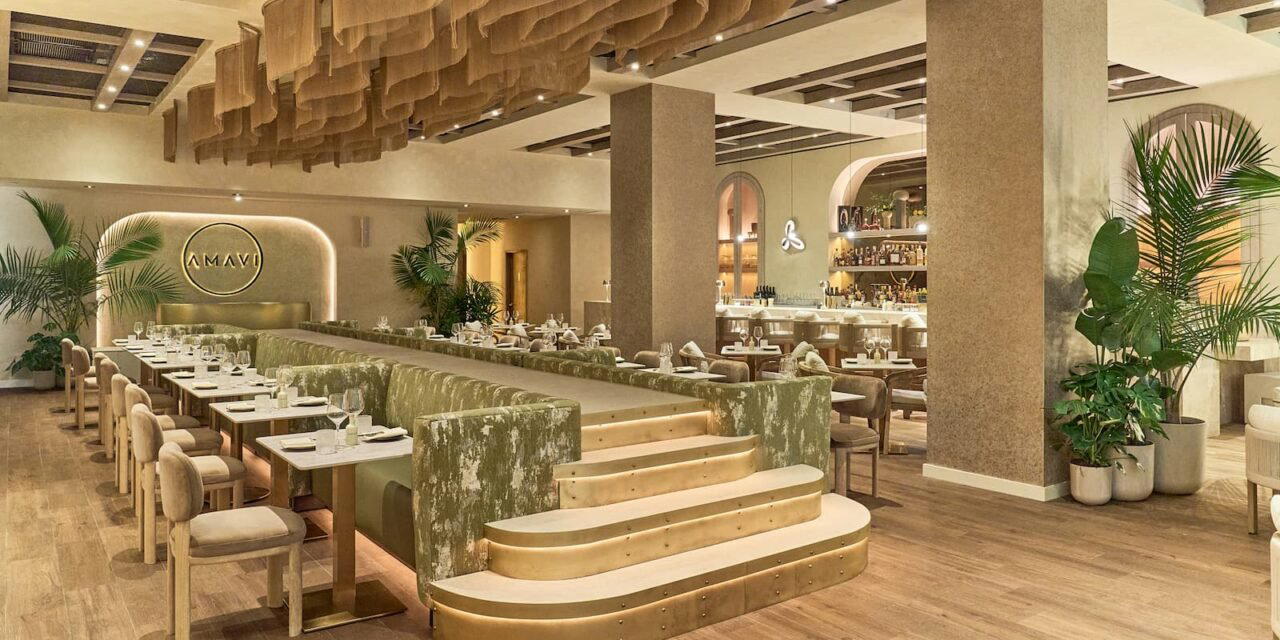
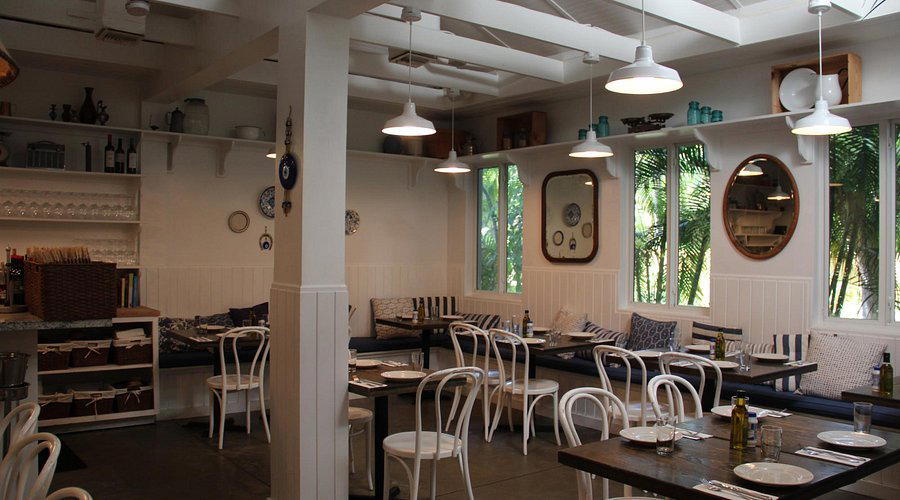
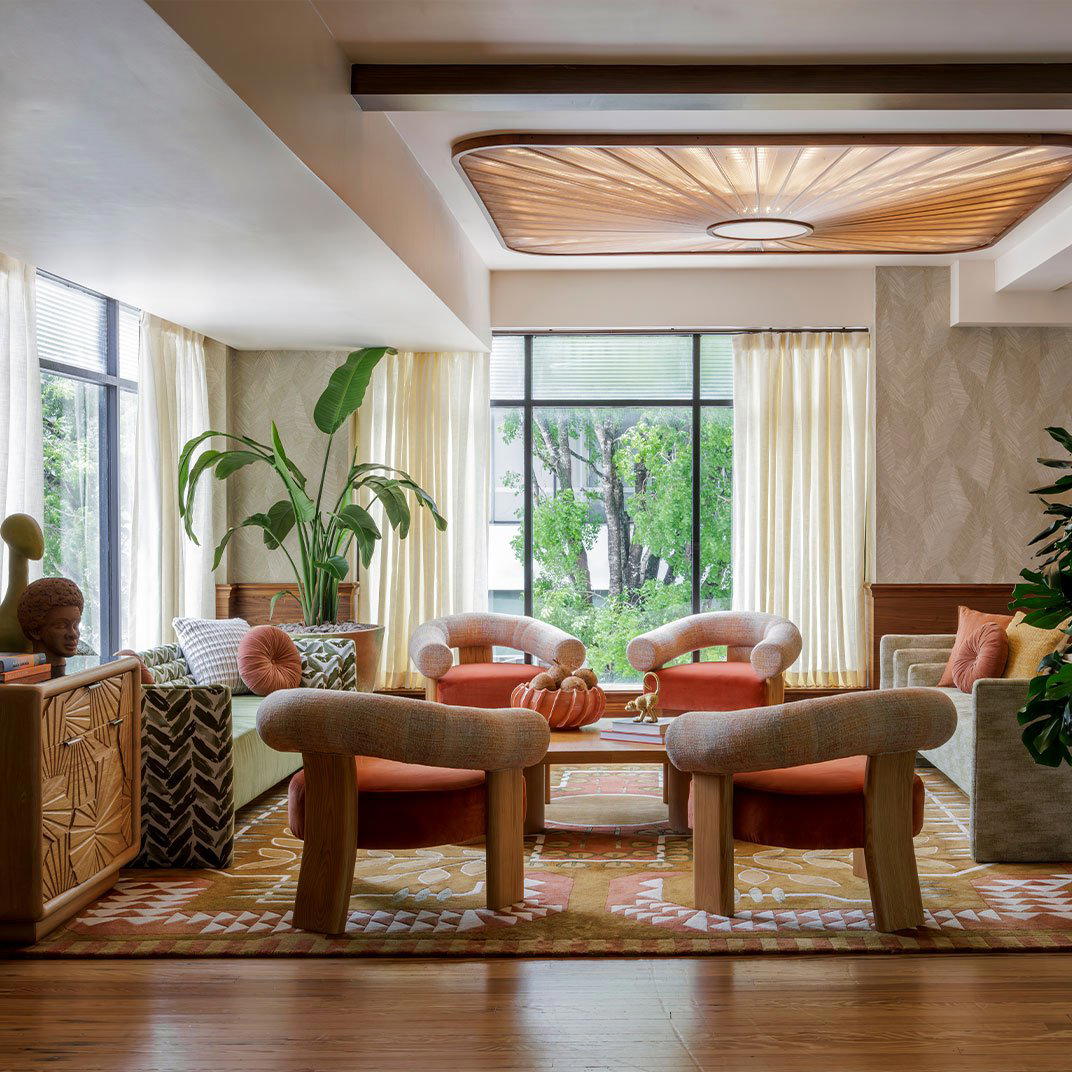
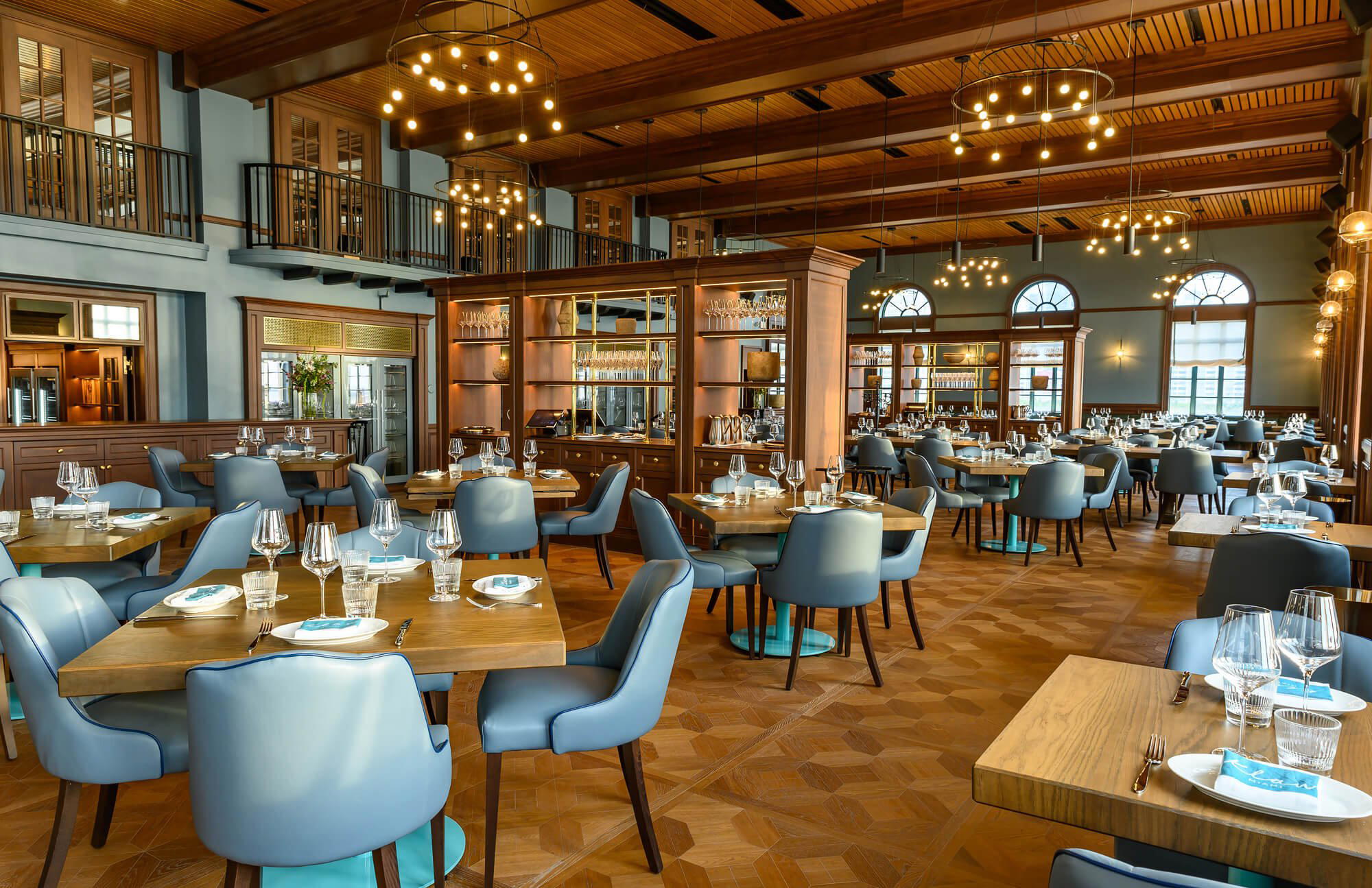
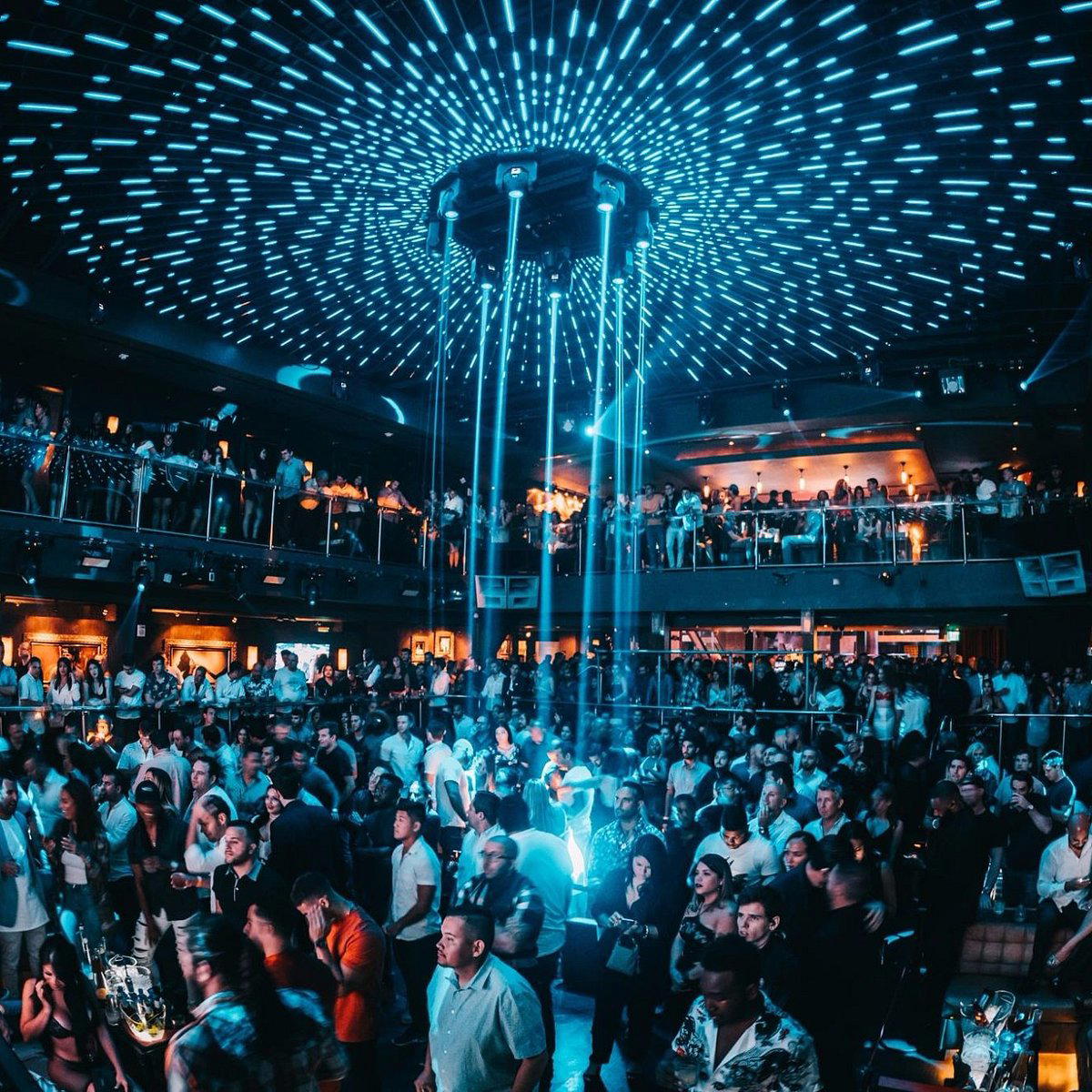
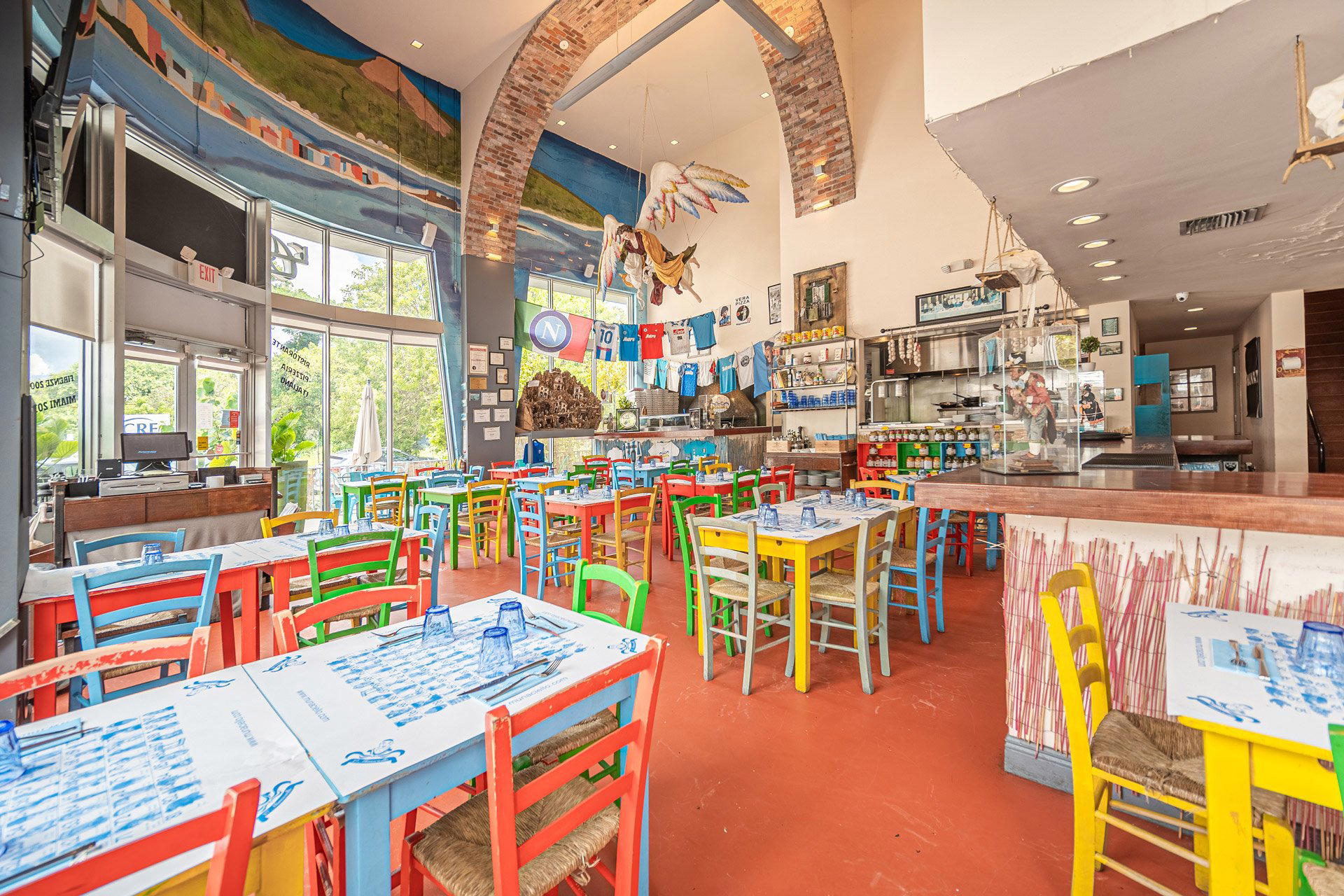
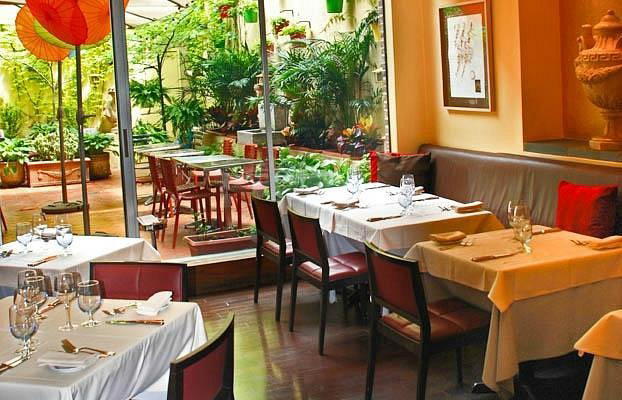
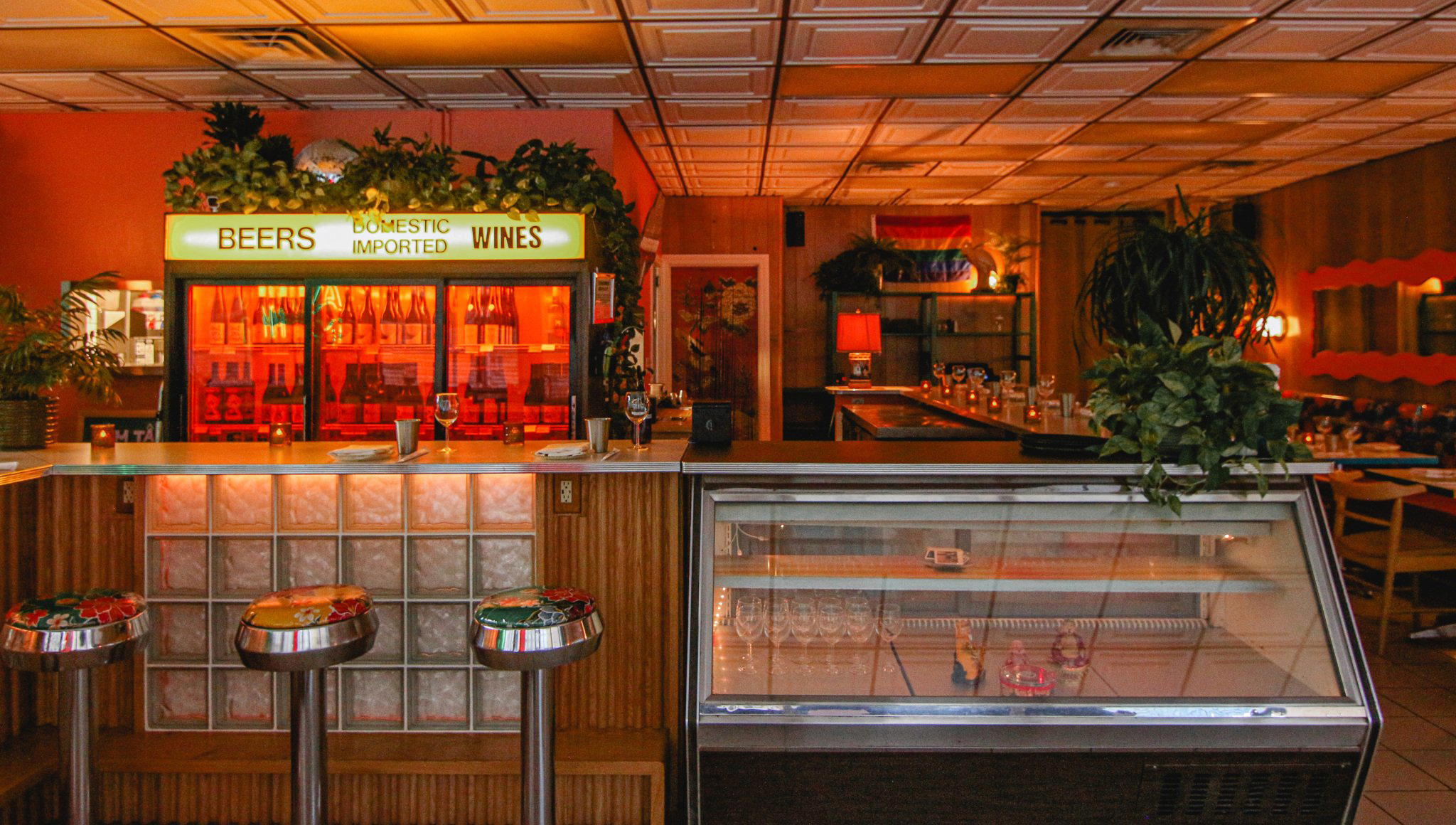
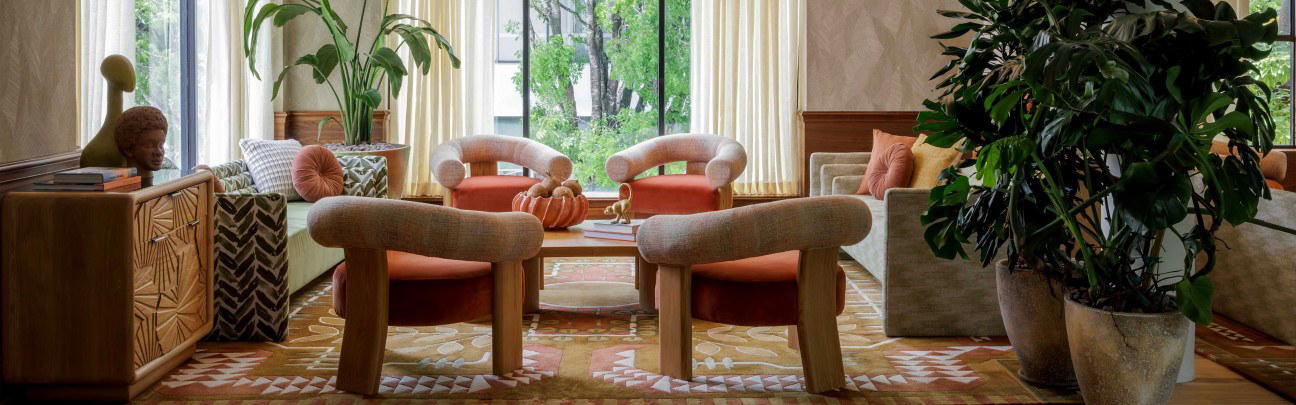
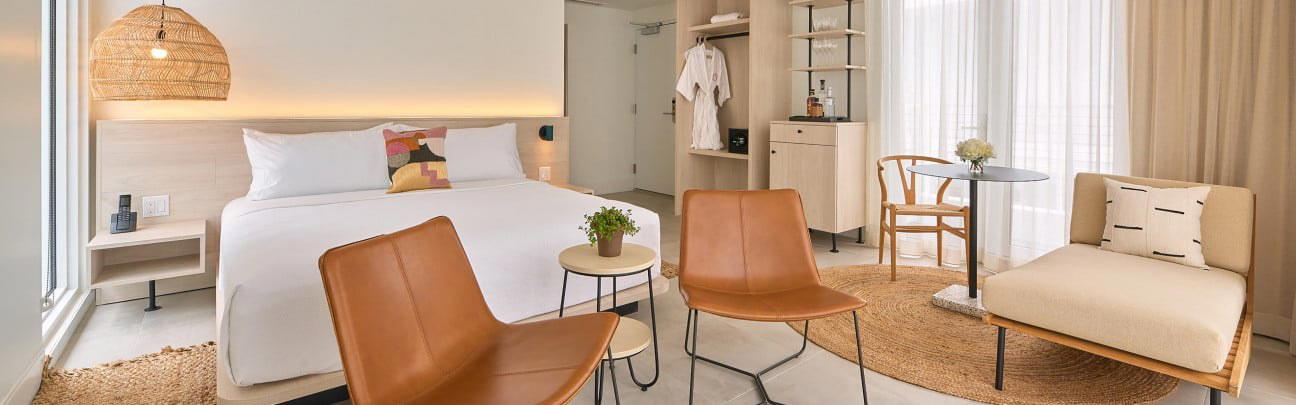
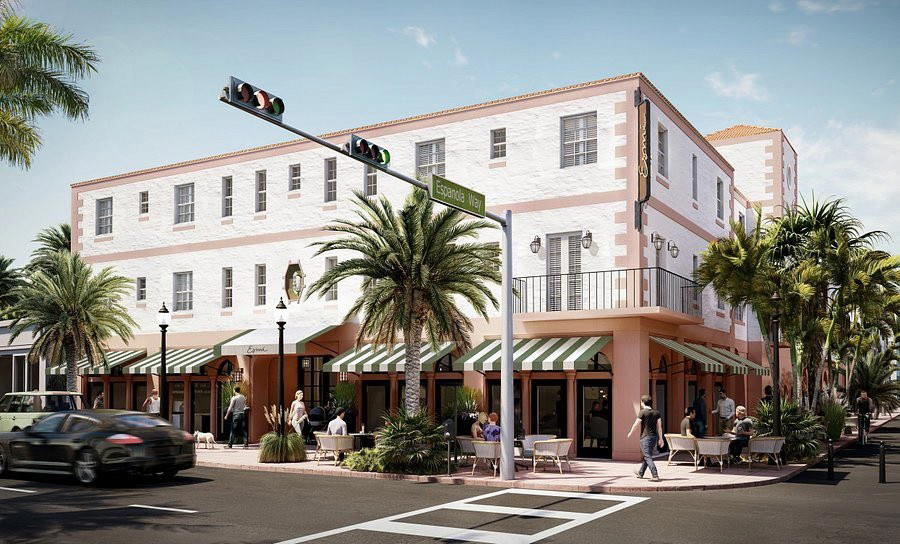
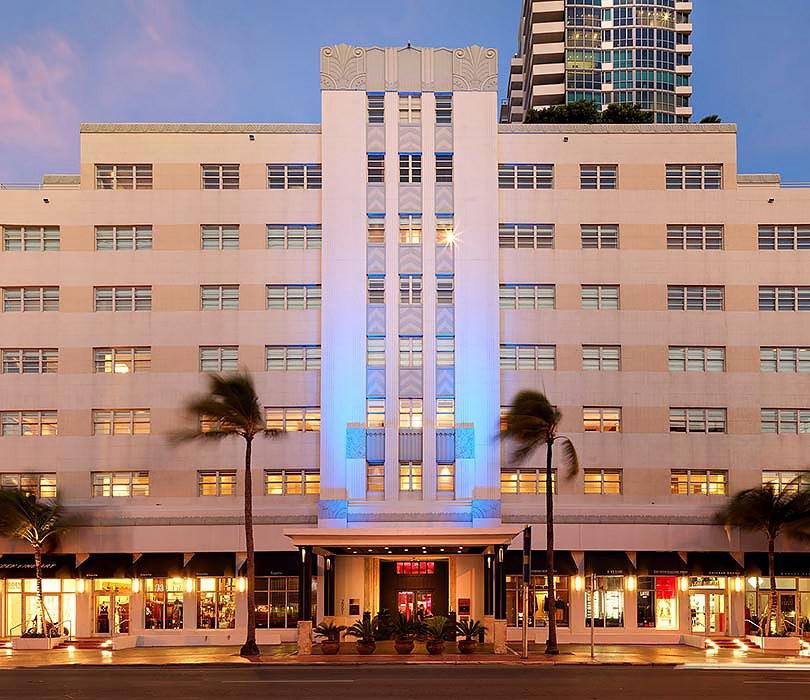
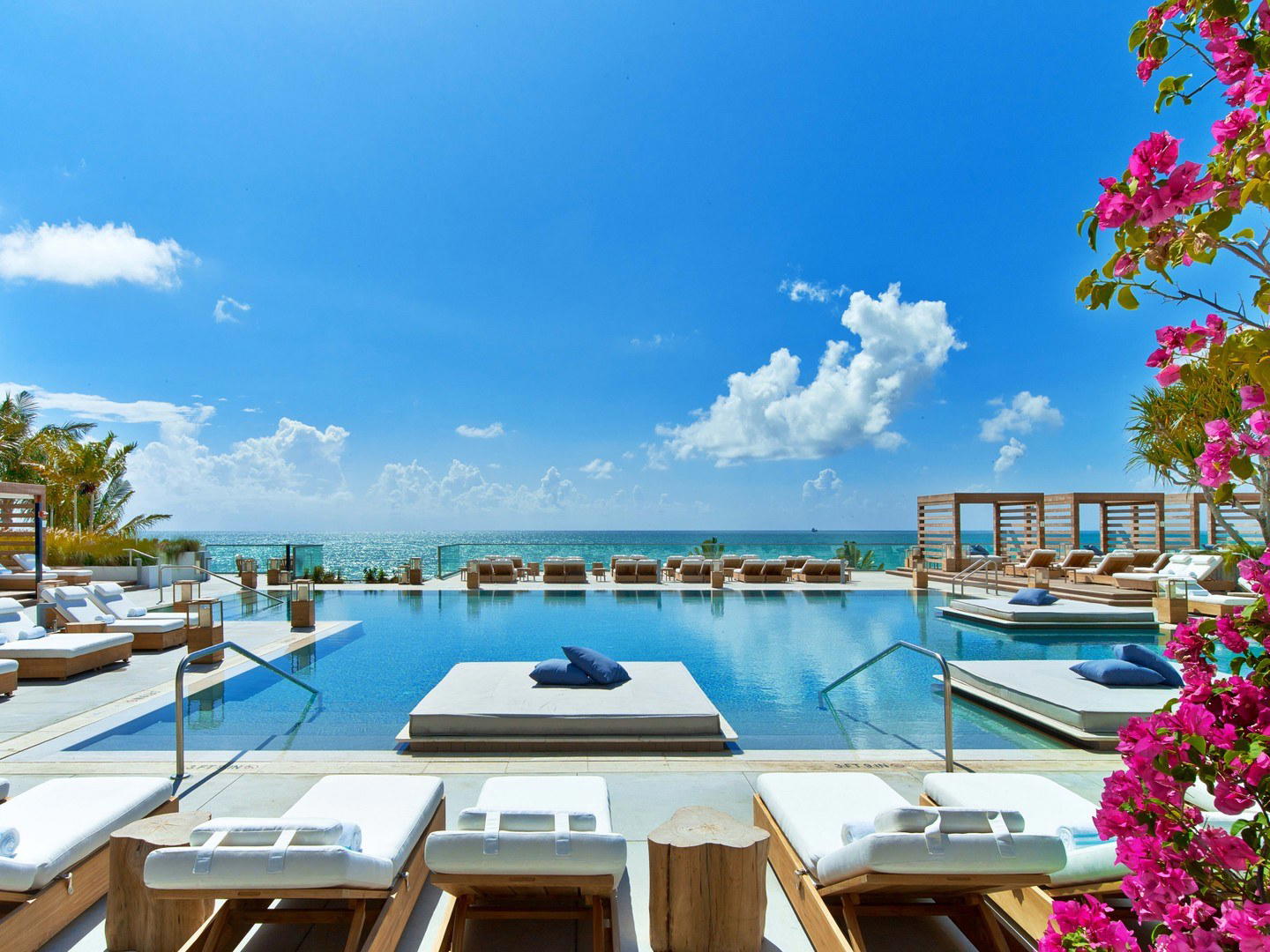
Glamorous backdrop with warm contemporary aesthetics, lush greenery, seamless indoor-outdoor flow, and moody lighting that transitions from dinner to lively nightlife.