Boulud Sud Miami
Our verdict
Boulud Sud Miami brings Daniel Boulud's Mediterranean-inflected kitchen to Brickell, working a format built around the crosscurrents of Southern European and North African cooking applied to South Florida's own supply chain. The Biscayne Boulevard address puts it squarely in Miami's densest concentration of high-stakes dining, where imported technique and local product are expected to coexist on the same plate.

Pearl is the En Primeur Club membership app — saves, bookings, and concierge access live there. Same editors, same standards.
- Address
- 255 Biscayne Blvd Way, Miami, FL 33131
- Phone
- (305) 421-8800
- Hours
- Mon–Thu 12–10:30 PMFri 12–11 PMSat 11 AM–11 PMSun 11 AM–10:30 PM
- Website
- bouludsud.com
- Directions
- Get directions
- Booking
- Book on Resy
The menu
What to order
- Mediterranean Mezze
- Chicken Tagine
- Octopus a la Plancha
Where the Mediterranean Meets the Subtropics
Miami's fine dining corridor along Brickell and the Biscayne waterfront has spent the past decade sorting itself into tiers. At the upper end, you find kitchens importing serious culinary frameworks — French, Japanese, Korean — and pressure-testing them against South Florida's subtropical pantry. Boulud Sud Miami operates precisely at that intersection. The restaurant extends Daniel Boulud's Mediterranean-facing concept, first established in New York, to a city whose climate, coastline, and agricultural calendar make the pairing more than thematic. Here, the warm-water fish, Caribbean-inflected produce, and year-round growing season of South Florida supply raw material that the kitchen filters through Southern European and North African cooking logic.
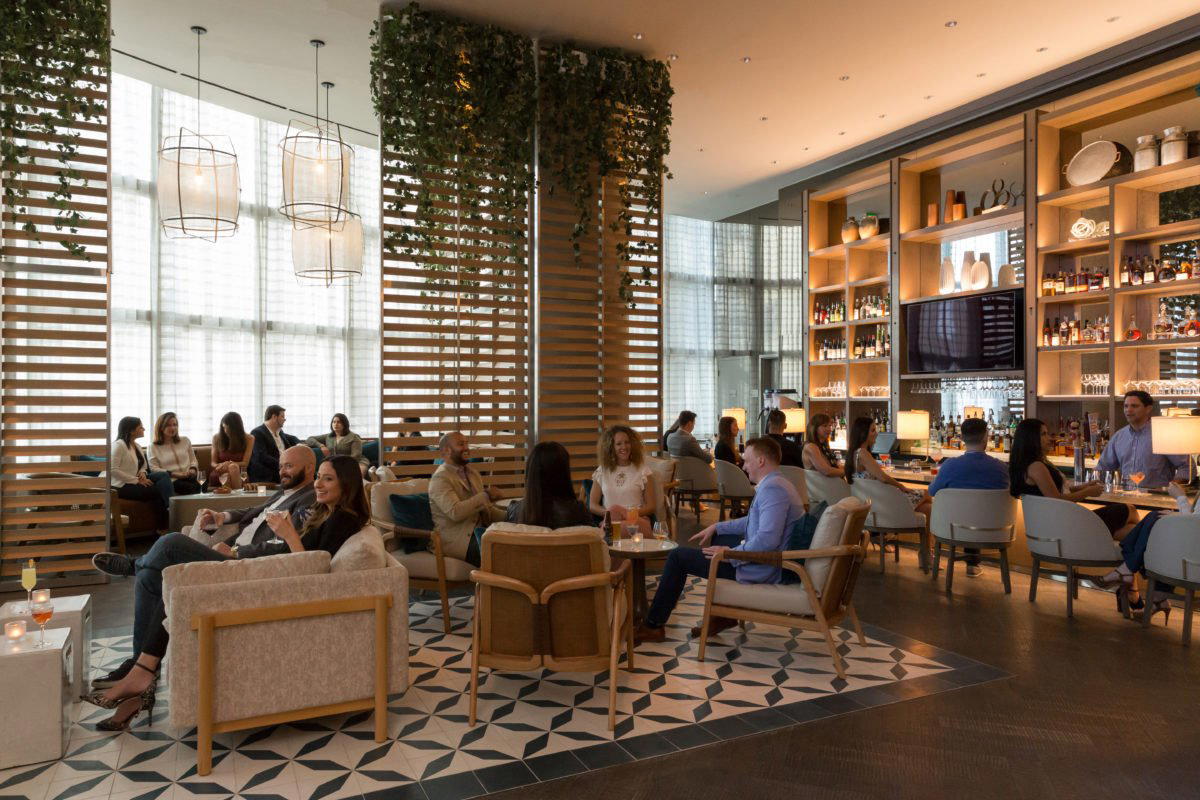
The setting along 255 Biscayne Blvd Way places the restaurant in a part of Miami where the physical environment does real work. Water is visible, the light changes quickly toward evening, and the room's orientation toward the bay gives dinner a rhythm that is harder to manufacture in landlocked dining rooms. That geography is not incidental to the food: Mediterranean cooking has always been shaped by proximity to sea and sun, and a Miami outpost of Boulud Sud sits in a city that can make that premise literal rather than decorative.
Technique as Translation
The editorial question worth asking about any high-technique restaurant operating in Miami is whether the imported method serves the local ingredient or overwhelms it. At Boulud Sud Miami, the framework is a style that encompasses Provençal, Moroccan, Spanish, and Levantine cooking traditions, approaches that share a foundational interest in preserved ingredients, spice-driven layering, and the structural use of olive oil, citrus, and alliums. Applied to Florida's seafood, stone fruit, and tropical vegetables, this produces cooking that reads differently from a New York execution of the same concept, because the inputs are different.
This is a pattern visible across the American restaurant tier that Boulud Sud Miami occupies. Kitchens like Providence in Los Angeles use Pacific seafood to make French technique feel native to the California coast. Single Thread Farm in Healdsburg builds Japanese kaiseki logic around Sonoma County's growing calendar. Blue Hill at Stone Barns in Tarrytown has made farm-to-table something genuinely structural rather than aspirational. What unites them is the willingness to treat local product as a constraint that disciplines the technique, rather than a garnish that decorates it. Boulud Sud Miami operates in that same mode.
Miami's Competitive Dining Set
Understanding where Boulud Sud Miami sits requires mapping the broader competitive tier it occupies. Miami's high-end dining has diversified sharply in the past five years. Cote Miami brought a Korean steakhouse format from New York's Michelin circuit and established that the city could support serious prix-fixe-adjacent experiences built around non-European frameworks. Boia De proved that a small-format, wine-serious Italian operation could command critical and local attention without a hotel backing or a celebrity name on the door. Ariete has been making the case for a distinctly Miami-rooted American idiom, while ITAMAE works a Peruvian-Japanese register that is native to Miami's own demographic complexity.
Against that backdrop, Boulud Sud Miami represents the established-name, imported-format end of the spectrum, the Miami installation of a concept with a proven New York architecture. That positioning carries both advantages and obligations. The advantage is credibility and a known kitchen grammar. The obligation is to prove that the Miami version earns its address rather than simply replicating the original in a warmer zip code. The Mediterranean-to-subtropical translation is the mechanism by which it does that.
For context on how imported French technique gets applied at the absolute best of the American market, Le Bernardin in New York City and The French Laundry in Napa represent the benchmark tier. Boulud Sud Miami operates in a related register, though with a Mediterranean rather than classical French emphasis. Further afield, Atelier Moessmer Norbert Niederkofler in Brunico has made the case that regional ingredient discipline and refined technique are not in tension, a premise Boulud Sud Miami's Miami operation implicitly endorses.
The Local Ingredient Question
South Florida's agricultural calendar is genuinely distinctive. Stone crabs run from October through May. Florida spiny lobster has a season that does not overlap with Maine. The state's tropical fruit production, starfruit, lychee, mamey sapote, jackfruit, arrives in quantities that restaurants with the right sourcing relationships can actually work with. Gulf and Atlantic coastlines produce different fish populations from those available in the Northeast. A Mediterranean-framework kitchen that takes this seriously has access to raw material that can make bouillabaisse logic, chermoula applications, and agrodolce preparations feel earned rather than transplanted.
This is precisely the editorial angle that makes Boulud Sud Miami worth attention beyond its pedigree. The concept's New York incarnation is working within a different constraint set. The Miami kitchen, if it is engaging seriously with Florida's supply chain, is producing something that cannot be replicated uptown, which is the only compelling reason to open a second instance of a successful restaurant in a different city. The same argument applies to venues like Emeril's in New Orleans and Addison in San Diego, both of which are defined as much by their regional ingredient access as by their culinary frameworks.
For the full picture of where Boulud Sud Miami sits within Miami's broader dining options, see our full Miami restaurants guide.
Know Before You Go
Address: 255 Biscayne Blvd Way, Miami, FL 33131
Neighbourhood: Brickell / Downtown Miami waterfront
Reservations: Advance booking recommended; contact the restaurant directly for availability
Dress code: Smart casual at minimum; the room and price tier warrant it
Dietary requirements: Contact the restaurant directly ahead of your visit to discuss specific needs
Context: Part of Daniel Boulud's restaurant group, with a Mediterranean-focused menu distinct from his French-primary concepts
Frequently asked questions
Where exactly is Boulud Sud Miami?
Boulud Sud Miami is located at 255 Biscayne Blvd Way, Miami, FL 33131, Miami.
How does Boulud Sud Miami differ from other Daniel Boulud restaurants in the United States?
Boulud Sud is specifically the Mediterranean-focused strand of Daniel Boulud's restaurant group, distinct from his flagship French rooms in New York. The Miami location at 255 Biscayne Blvd Way positions that Mediterranean premise against South Florida's subtropical ingredient calendar, which offers sourcing opportunities, particularly in stone crab and Florida spiny lobster seasons, that don't exist in the group's northern locations. That alignment between the cuisine's regional reference points and local availability is the defining operational premise of this address.
What's the best thing to order at Boulud Sud Miami?
The kitchen at Boulud Sud Miami is built around Mediterranean technique applied to South Florida's seasonal produce, which means the most rewarding choices tend to track the local agricultural calendar: stone crab runs October through May, Florida spiny lobster follows its own distinct season. Rather than anchoring to a single signature dish, order around whatever is in active season at 255 Biscayne Blvd Way and let the sourcing logic guide the meal.
Do they take walk-ins at Boulud Sud Miami?
Walk-in availability at Boulud Sud Miami on Biscayne varies by day and service time. Restaurants in Miami's upper dining tier along the Brickell and Biscayne waterfront corridor typically hold limited bar or counter seating for walk-in guests while reserving the main room for bookings. Contacting the venue directly at 255 Biscayne Blvd Way before arriving will give you the clearest picture of same-day availability.
What do critics highlight about Boulud Sud Miami?
The editorial focus for Boulud Sud Miami tends to land on whether Daniel Boulud's Mediterranean framework holds up against Miami's access to genuinely distinctive local ingredients, particularly from South Florida's agricultural calendar. The broader competitive question in Miami's fine dining tier is how imported European technique serves local sourcing rather than overriding it.
Can Boulud Sud Miami accommodate dietary restrictions?
Restaurants operating at the level of Boulud Sud Miami at 255 Biscayne Blvd Way typically build enough flexibility into Mediterranean-based menus to work around most dietary restrictions, particularly given the cuisine's natural reliance on vegetables, seafood, and olive oil-forward preparations. Specific accommodations should be confirmed with the restaurant directly at the time of booking, since menu composition shifts with the season.
Category Peers
Comparable venues nearby, for context on price, style, and recognition.
| Venue | Cuisine | Price | Notes |
|---|---|---|---|
| Boulud Sud MiamiThis venue — the venue you are viewing | Coastal Mediterranean | $50–100 | Not listed |
| Astra | Modern Greek Mediterranean Rooftop | $50–100 | Midtown |
| Nusr-Et Steakhouse | Turkish Steakhouse with Wagyu & Chargrill | $50–100 | Miami Financial District |
| ATRIO RESTAURANT AND WINE ROOM | Modern New American with Global Influences | Not listed | Miami Financial District |
| 'O Munaciello Coral Way | Authentic Neapolitan Pizza & Italian | $30–50 | Coral Way |
| CHICA Miami | Modern Latin Steakhouse | $50–100 | Morningside |
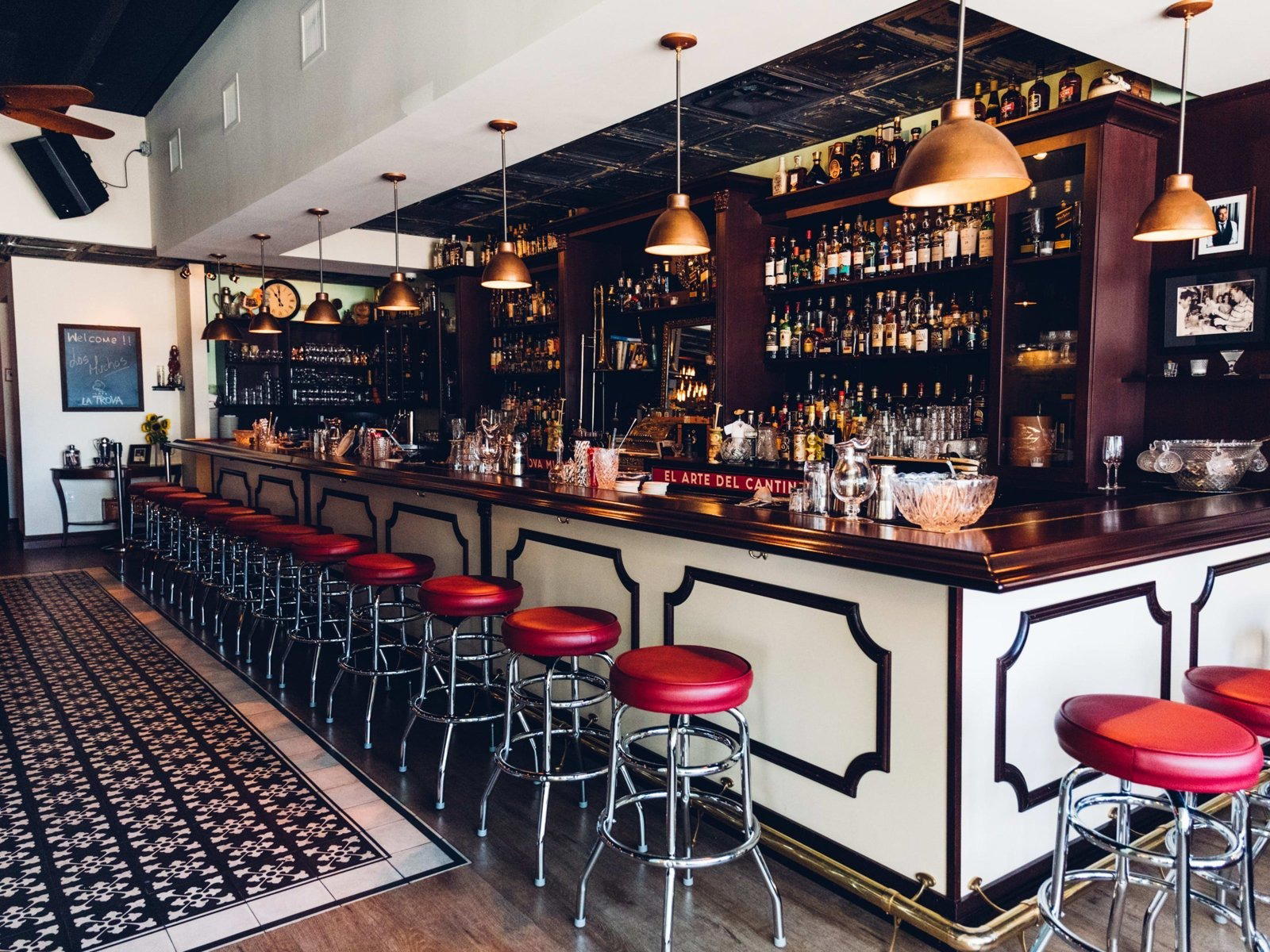
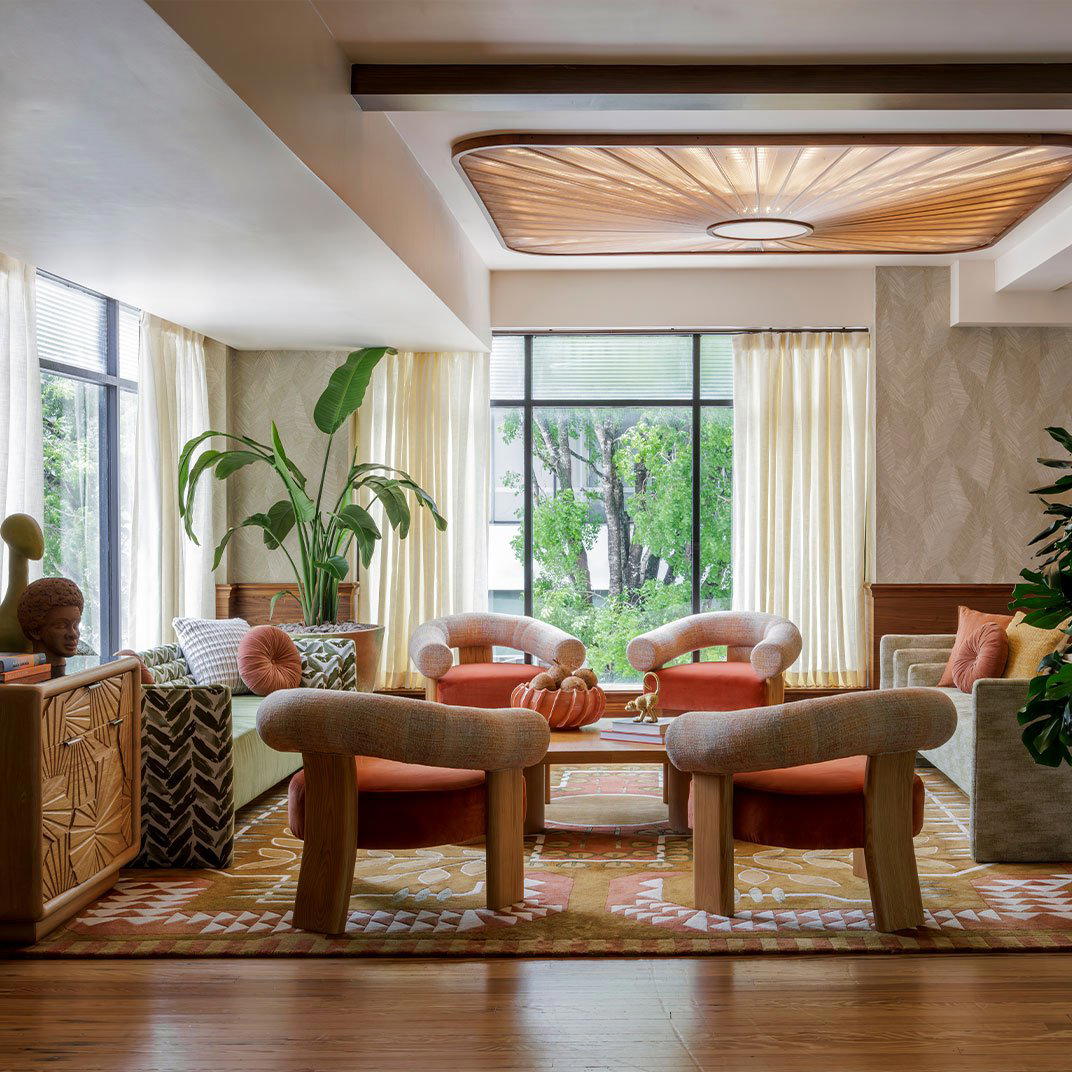
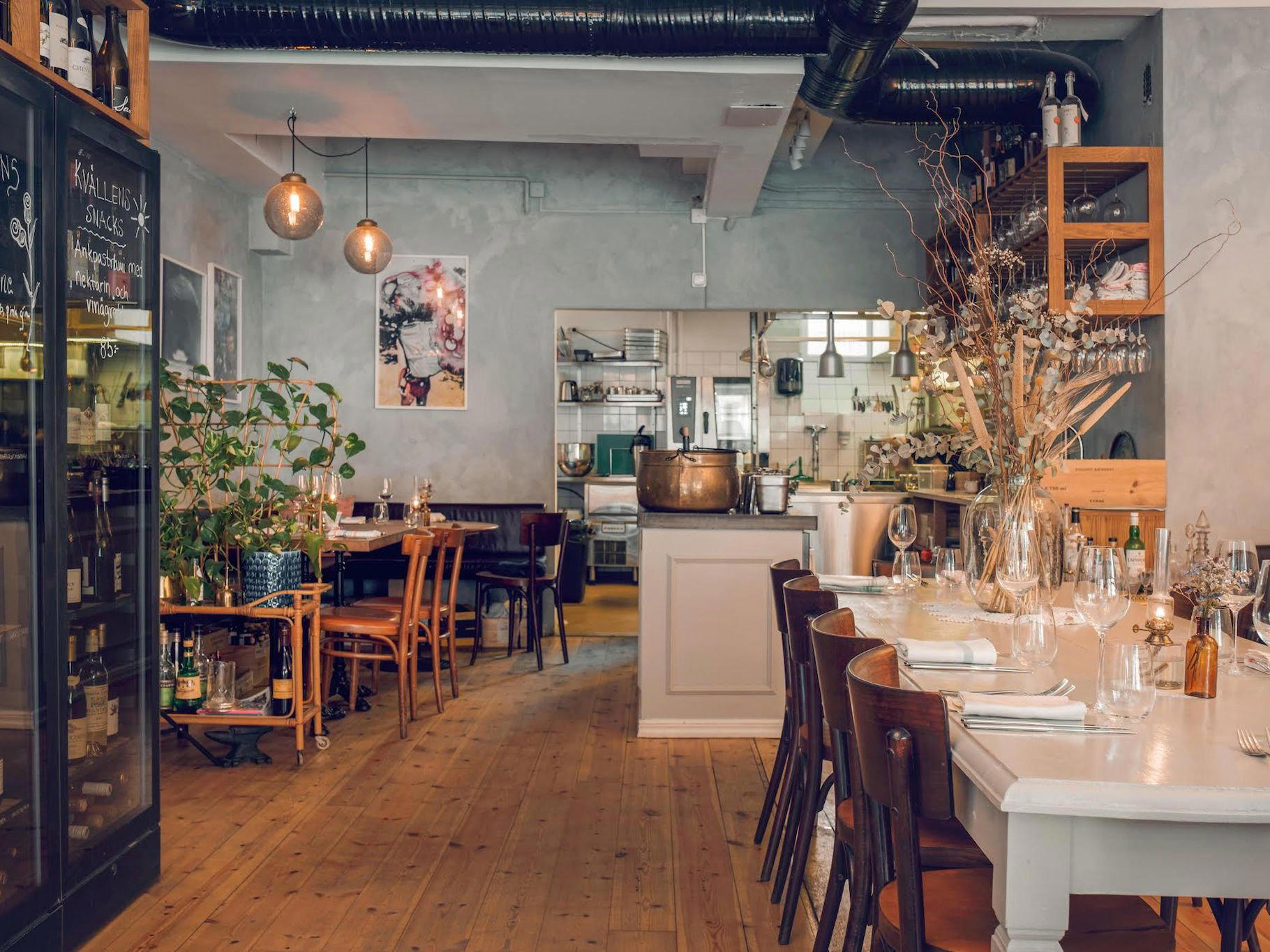
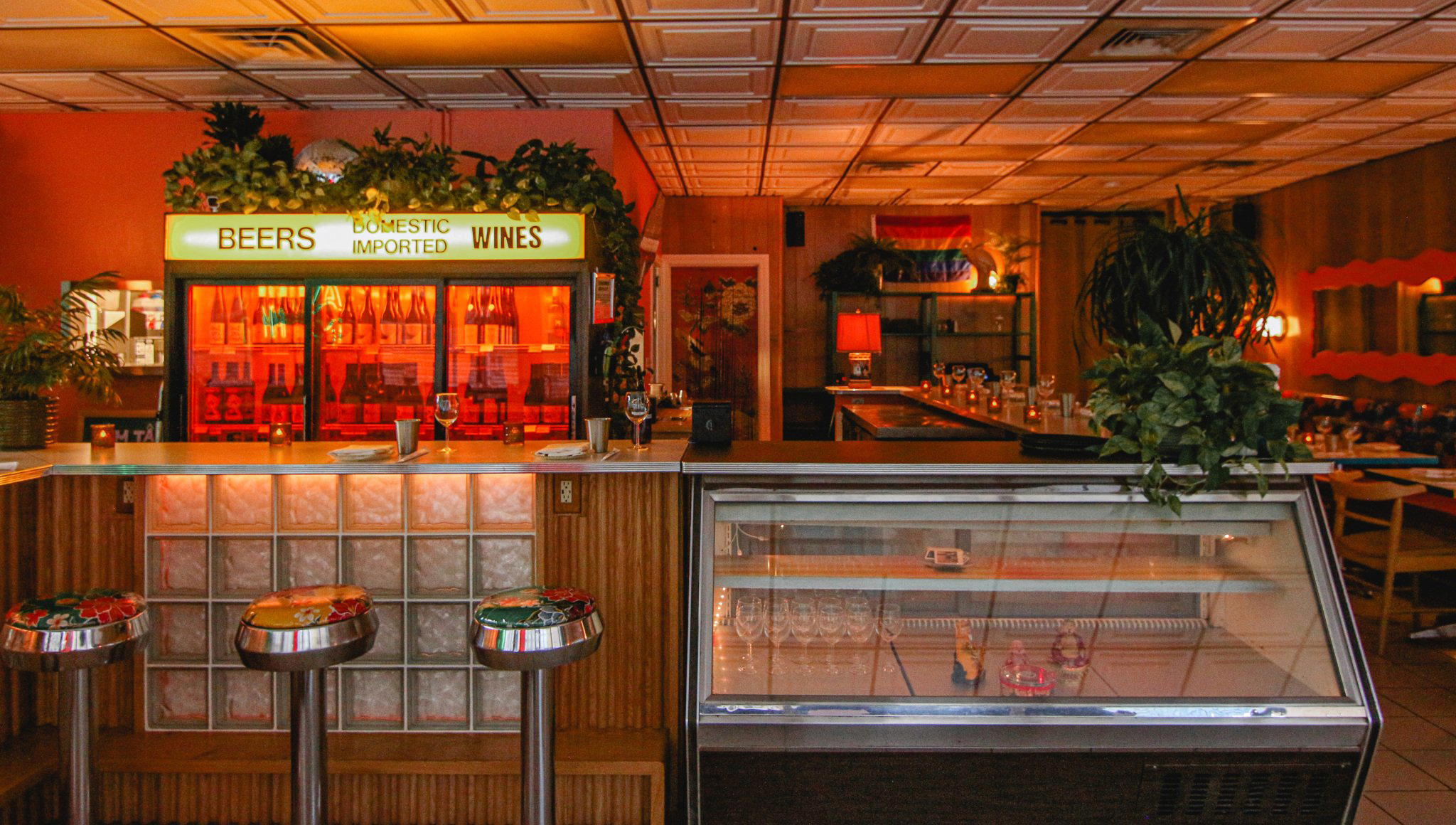
Boulud Sud Miami
The wine
- Wine program
- Curated wine list
- Extensive wine list
Details
- Elegant
- Sophisticated
- Modern
- Date Night
- Business Dinner
- Brunch
- Special Occasion
- Hotel Restaurant
- Private Dining
- Wine Cellar
- Extensive Wine List
- A La Carte
- Small Plates
- Vegetarian Friendly
Current opening hours
- Monday
- 12–10:30 PM
- Tuesday
- 12–10:30 PM
- Wednesday
- 12–10:30 PM
- Thursday
- 12–10:30 PM
- Friday
- 12–11 PM
- Saturday
- 11 AM–11 PM
- Sunday
- 11 AM–10:30 PM
Hours can change for holidays and private events. Last verified .
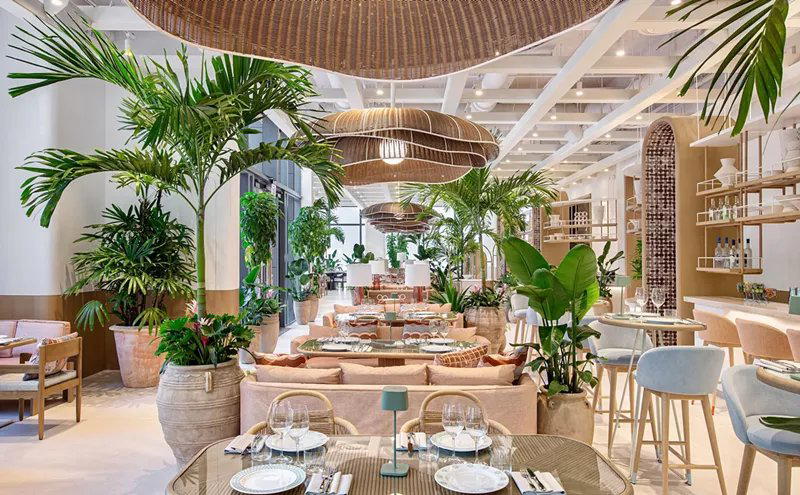
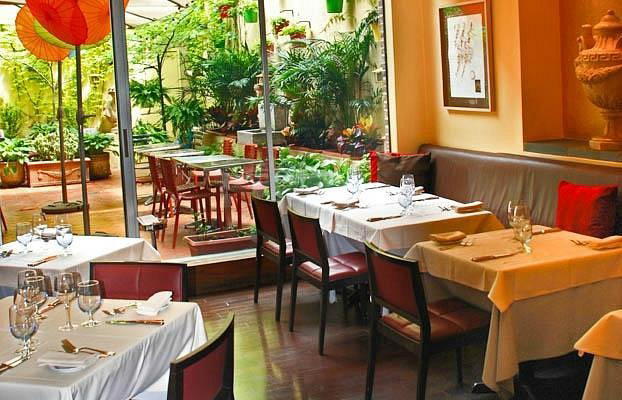
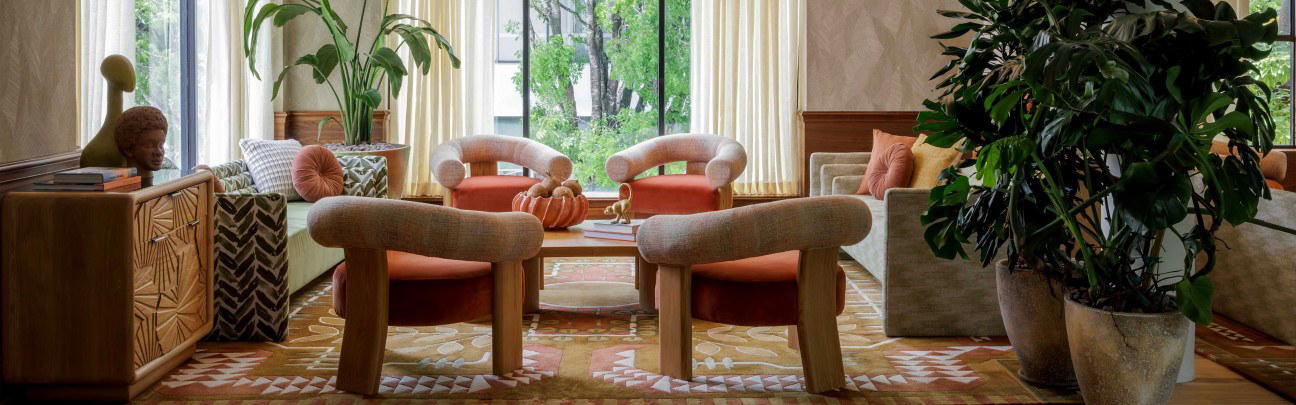
Jewel tones and soft fabrics create a relaxing and casual yet glamorous atmosphere.