Seorabol Center City
Seorabol Center City has anchored Korean dining in Philadelphia's Midtown Village for decades, occupying a stretch of Spruce Street where the city's Korean restaurant tradition runs deepest. The kitchen follows a full-table approach to the meal, with banchan, grilled proteins, and fermented staples arriving in a sequence that rewards patience and return visits alike.
Pearl is the En Primeur Club membership app — saves, bookings, and concierge access live there. Same editors, same standards.
- Address
- 1326 Spruce St, Philadelphia, PA 19107
- Phone
- +12156088484
- Website
- srbtogo.com
- Directions
- Get directions
 Saves & bookings on Pearl
Where Spruce Street Meets the Korean Table
Seorabol Center City is a restaurant serving authentic Korean BBQ at 1326 Spruce St in Philadelphia's Midtown Village. Seorabol Center City at 1326 Spruce St sits inside that zone, a long-running anchor of Korean dining in a city whose Korean restaurant scene is smaller and more concentrated than those of New York or Los Angeles but no less committed to the full ritual of the Korean table.
Philadelphia's Korean dining options have historically clustered around a handful of corridors rather than a single defined Koreatown, which means that venues like Seorabol carry more weight as reference points than they might in a city where the cuisine is spread across entire neighborhoods.
The Architecture of the Korean Meal
The structure of a Korean meal is not arbitrary. It follows a logic of accumulation and contrast: the table arrives already populated before the main proteins appear, banchan creating a chromatic and textural grid of fermented, pickled, braised, and raw preparations. At venues like Seorabol, the experience begins before any central dish has been ordered, and the skill of the kitchen shows in how those supporting preparations hold up across the duration of a long meal.
Korean barbecue, when it operates as the meal's centerpiece, introduces a further variable: the diner becomes a participant in the cooking. Timing the grill, managing the heat, reading when to pull the meat, these are not incidental to the experience but central to it. This format places Korean barbecue in a distinct category relative to the passive progression of, say, an omakase counter or a modernist tasting menu like those at Alinea in Chicago or Lazy Bear in San Francisco. The sequencing here is collaborative and tactile rather than dictated from the kitchen outward.
The success of tasting-menu formats at places like Friday Saturday Sunday and My Loup reflects a citywide appetite for structured progression through a meal. Korean dining offers a different version of that structure, one rooted in tradition rather than constructed around a chef's narrative arc, but no less deliberate for it.
Fermentation, Fire, and the Long Game
The components that define a Korean meal at this level of tradition are not the product of a season's menu development. Kimchi fermentation cycles run in weeks or months. Doenjang, the fermented soybean paste that underlies much of the cuisine's depth, develops over years. This puts Korean cooking in a different temporal register than the farm-to-table seasonality practiced by much of Philadelphia's New American scene, including venues like Fork and the Southeast Asian kitchens that have become increasingly prominent in the city, such as Kalaya and Mawn.
Where those kitchens often pivot with the harvest calendar, a traditional Korean kitchen pivots with fermentation cycles and the logic of preservation. The banchan that arrive at the table are the product of that longer timeline, and part of what makes them interesting to eat is precisely that they carry accumulated flavor rather than immediate freshness. This is a form of seasonal intelligence that operates on a different axis than the one Philadelphia's farm-to-table restaurants have popularized.
The grilled proteins, by contrast, are immediate: they respond to heat in real time, and the gap between correctly cooked and overdone is narrow. That tension between the slow and the fast, the ancient and the immediate, is one of the things that makes a well-executed Korean meal feel more layered than its price point or setting might suggest. It is a format that rewards diners who slow down rather than those who rush through courses.
Midtown Village and the Wider Philadelphia Frame
The Spruce Street location places Seorabol in a neighborhood that has evolved considerably over the past decade. Midtown Village has developed a denser concentration of dining options, and the surrounding blocks now include some of the city's more discussed restaurants. That pressure has not dislodged Seorabol, which is itself a data point worth noting: in a city that has seen sustained investment in New American and globally inflected dining, a long-established Korean table continues to hold its position.
For visitors building a Philadelphia dining itinerary, the Korean meal at Seorabol occupies a different register than the city's most decorated restaurants. It does not compete directly with the tasting-menu tier or with the farm-driven New American category. It competes, instead, on the terms of tradition, value, and the cumulative satisfaction of a table that keeps giving throughout the meal. That is a different kind of pitch, and it speaks to a different kind of diner.
Seorabol operates at a price point of about $25 per person. Seorabol operates in an entirely different tier, one where the cuisine's depth comes from tradition rather than from technical reinvention. Neither approach is more authentic than the other; they are serving different versions of a reader's relationship to Korean food.
Other high-tier American restaurants where the meal follows a deliberate narrative arc include Single Thread Farm in Healdsburg, Blue Hill at Stone Barns in Tarrytown, Providence in Los Angeles, Addison in San Diego, The Inn at Little Washington, and Emeril's in New Orleans. The contrast between those formats and the communal, self-directed progression of a Korean barbecue table is instructive: both are structured meals, but the structures serve entirely different values. For international comparisons in ambitious Asian dining, 8 1/2 Otto e Mezzo Bombana in Hong Kong illustrates how a different culinary tradition can operate at the upper tier in a similarly dense urban dining market.
Know Before You Go
- Address: 1326 Spruce St, Philadelphia, PA 19107
- Neighborhood: Midtown Village, Center City
- Cuisine: Korean (traditional table format with banchan and grilled proteins)
- Leading season to visit: Winter visits suit the warm, communal nature of the format; summer evenings on the Spruce Street corridor have their own appeal
- Booking: Reservations are recommended
- Nearby context: Within walking distance of Friday Saturday Sunday, My Loup, and the broader Midtown Village dining cluster
Nearby-ish Comparables
Comparable venues nearby, for context on price, style, and recognition.
| Venue | Cuisine | Price | Notes |
|---|---|---|---|
| Seorabol Center CityThis venue — the venue you are viewing | Authentic Korean BBQ | $$ | Not listed |
| Seaforest Bake Shop | Korean Bakery | $$ | Graduate Hospital |
| High Street on Market | Modern American with House-Made Breads and Pastas | $$ | Washington Square West |
| Mixto | Cuban, Latin American & Caribbean | $$ | Gayborhood |
| Middle Child | Philly-Inspired Deli Sandwiches | $$ | Gayborhood |
| Porcini | Modern Italian Trattoria | $$ | Rittenhouse Square |
Continue exploring
More in Philadelphia
Restaurants in Philadelphia
Browse all →
Bars in Philadelphia
Browse all →
At a Glance
- Casual
- Lively
- Group Dining
- Family
- Casual Hangout
- Open Kitchen
- Sake Program
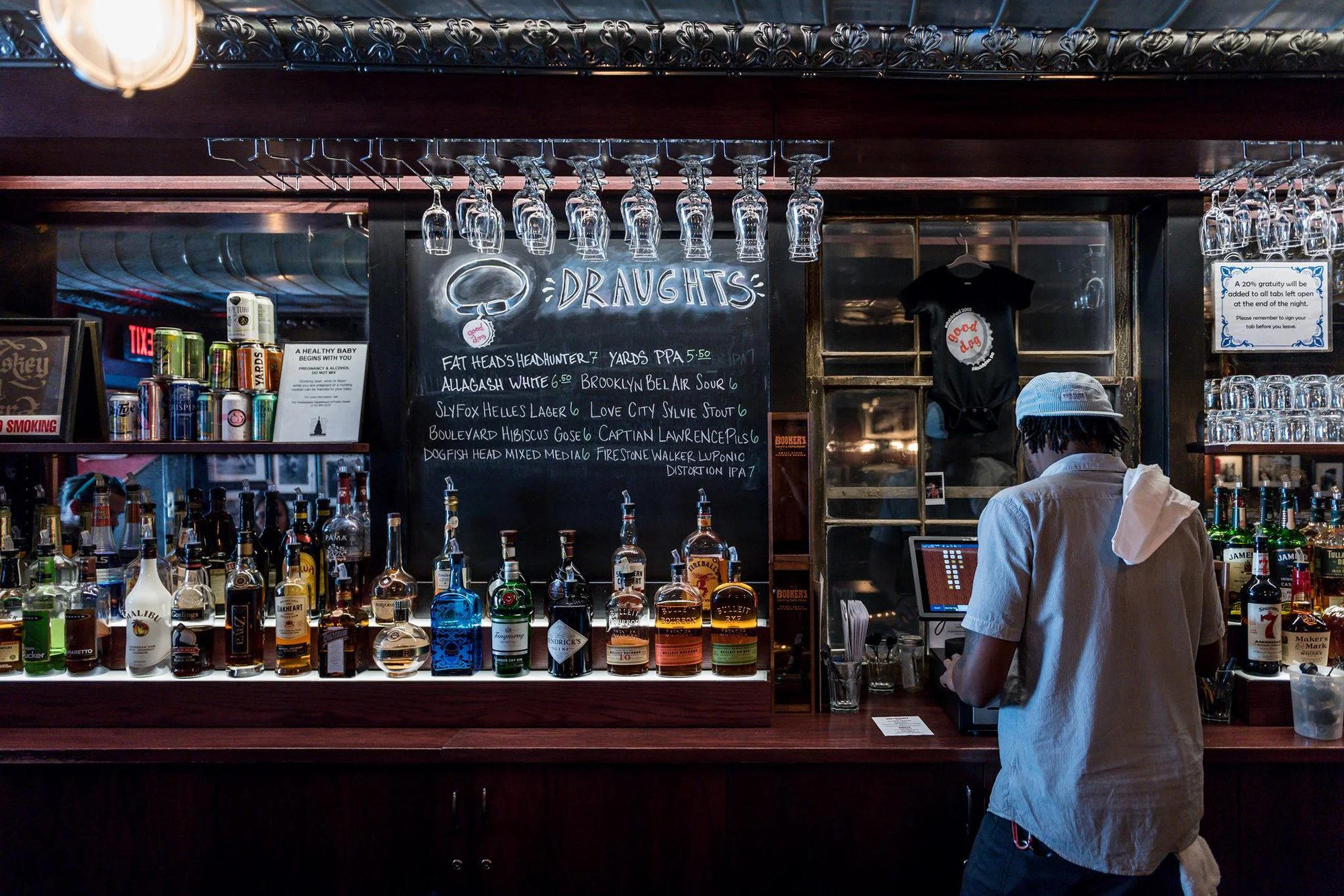
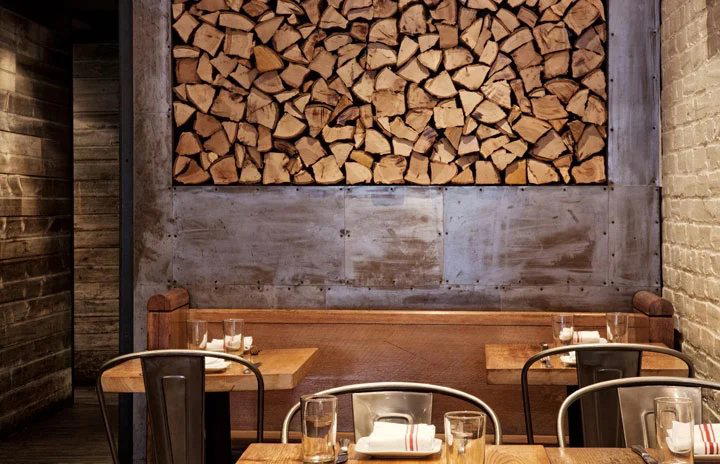
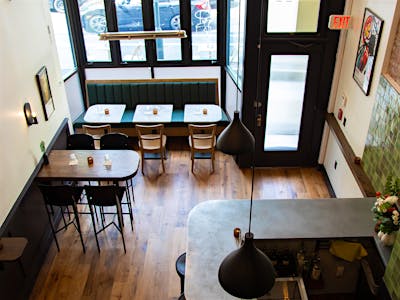
Casual and comfortable dining room with attentive table service, lively atmosphere from grill sizzles and group gatherings.