The Lesieur
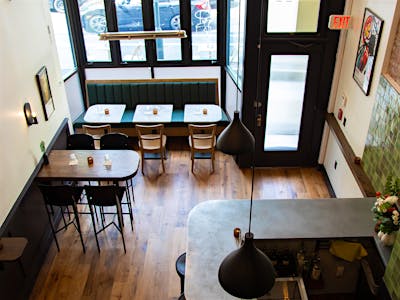
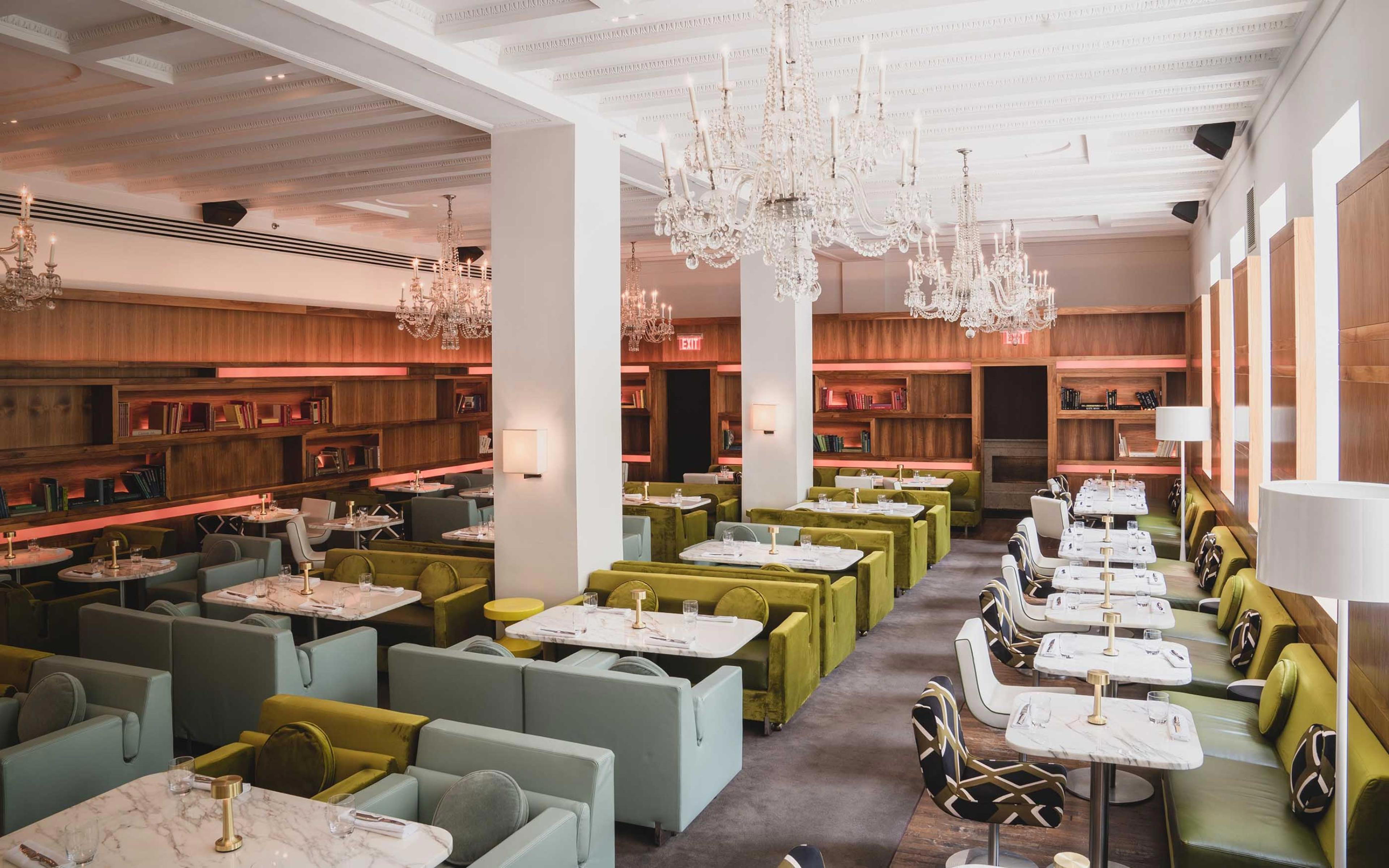
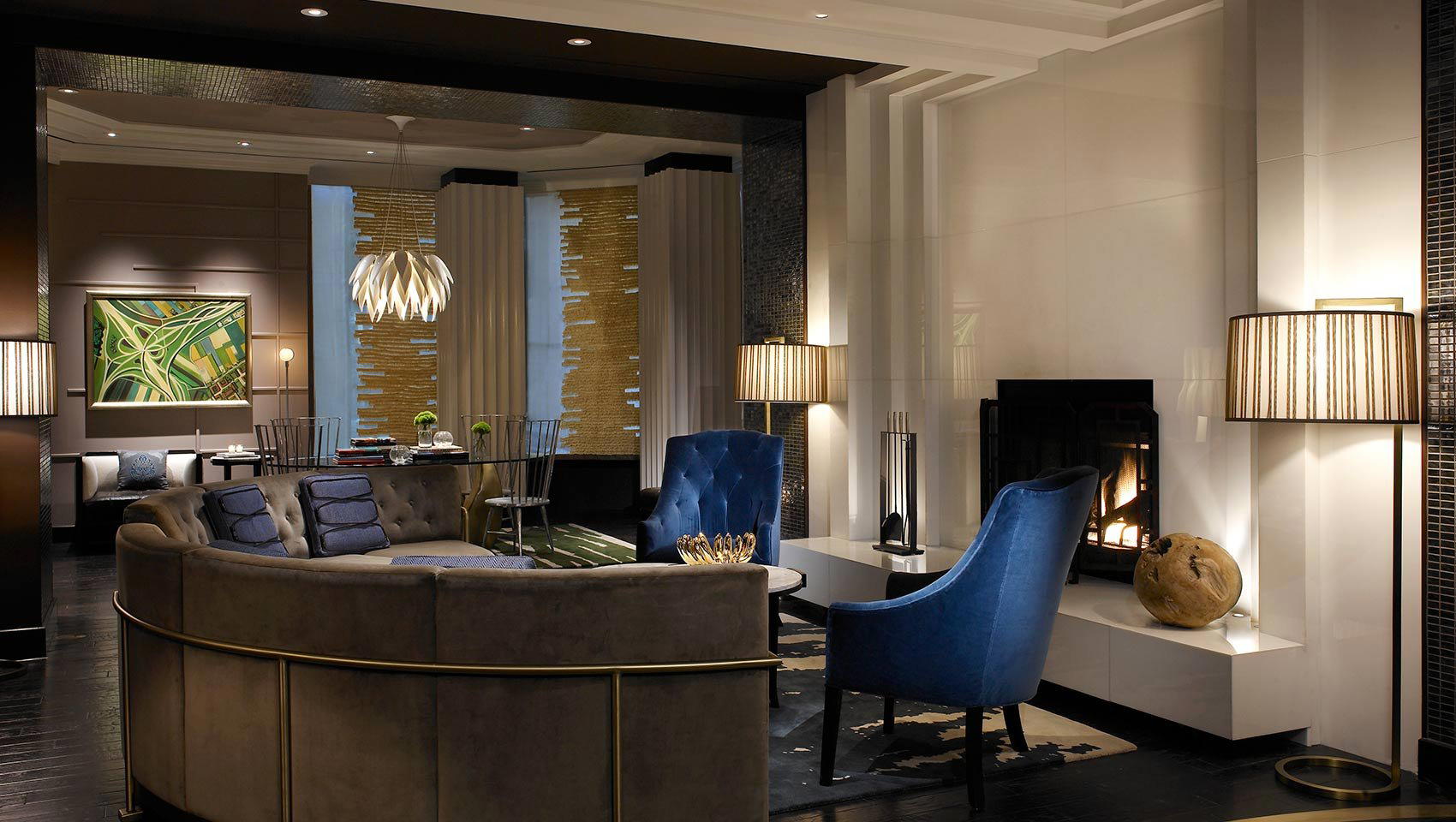
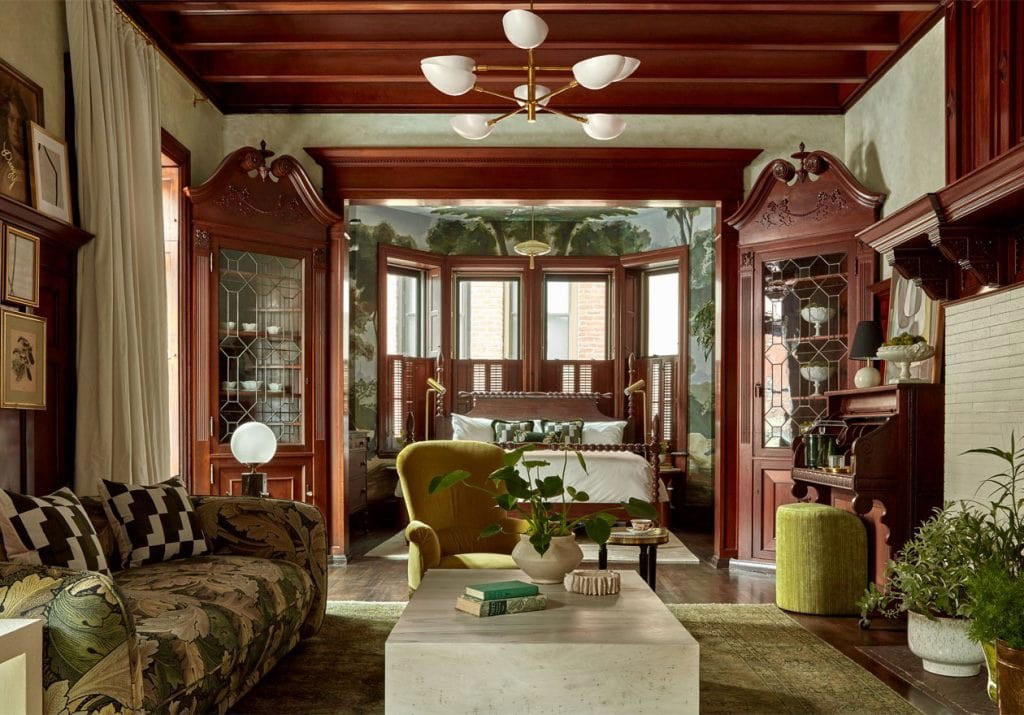
The Lesieur at 1523 Sansom St pairs craft cocktails, classic cocktails, and conventional wine with seated bar, lounge seating, booth seating, and private rooms.
Pearl is the En Primeur Club membership app — saves, bookings, and concierge access live there. Same editors, same standards.
- Address
- 1523 Sansom St, Philadelphia, PA 19102
- Phone
- (215) 330-2732
- Website
- thelesieur.com
- Directions
- Get directions
 Saves & bookings on Pearl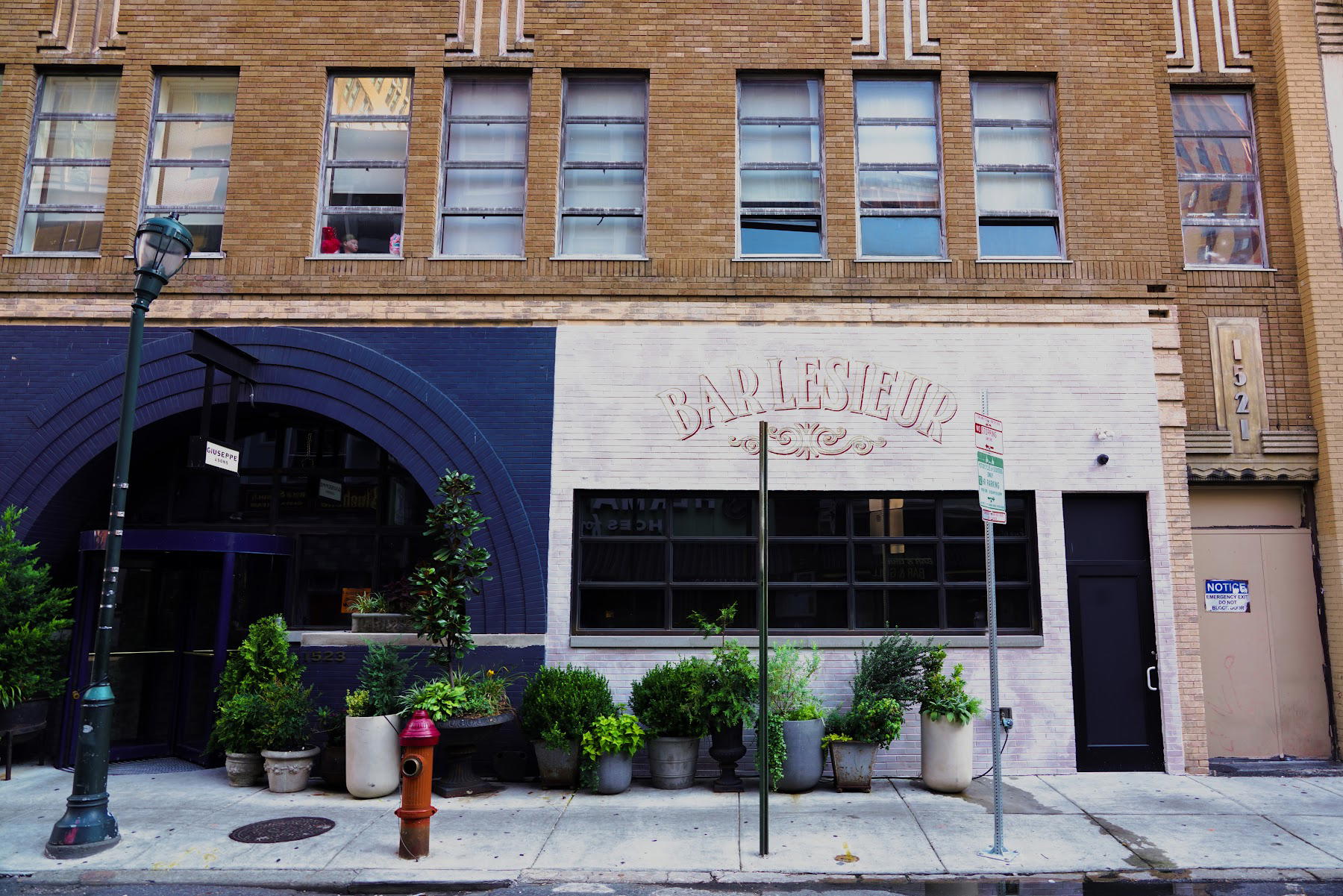
The room before the résumé
Philadelphia cocktail rooms often announce themselves less through spectacle than through compression: a smaller room, a tighter backbar, a staff that has to read the table quickly, and a menu that tells the visitor whether the bar is chasing volume or control. Bar Lesieur belongs in that conversation because its value, at least from the available public record, has to be read through the city’s current bar culture rather than through a long list of published credentials. The point is not to invent a mythology around the room. The point is to place it inside Philadelphia’s sharper drinking circuit, where cocktail programs increasingly compete on restraint, technical clarity, and the ability to feel adult without turning stiff.
That matters in Philadelphia because the city’s stronger bars rarely operate in isolation. They sit near restaurants with serious beverage programs, neighborhood taverns with deep loyalty, record-led listening rooms, cellar-driven dining rooms, and hybrid spaces where a cocktail list has to hold its own against food. A visitor assessing Bar Lesieur should think in those terms. It is part of a city where a bar is judged not only by the drink in the glass, but by how well the format fits the neighborhood, how confidently the menu explains itself, and whether the room gives enough reason to choose it over another well-run counter within a short ride.
Philadelphia's cocktail bar grammar
The local grammar is different from New York’s hidden-door era and from Miami’s performance-heavy hospitality model. Philadelphia has a practical streak. A cocktail program can be ambitious, but it has to survive contact with neighborhood regulars, post-dinner drinkers, restaurant people finishing late, and visitors who have already spent money on a tasting menu. The city rewards bars that understand rhythm: early evening for a quieter read of the room, later hours for a more social register, and a menu that does not require a lecture before the first order.
Within that grammar, technique is only useful when it changes the drinking experience. Clarification, batched components, house infusions, stirred-drink precision, and acid adjustment have become common signals in American cocktail bars, but Philadelphia’s better rooms tend to avoid turning method into theatre. The more interesting comparison is between bars that use technique to make drinks faster, cleaner, and more consistent, and bars that use it mainly as menu decoration. A short list with clear builds can say more than a long list filled with branded gestures.
For context, Friday Saturday Sunday shows how Philadelphia’s restaurant culture has influenced the city’s drinking standards, where the bar cannot be separated from the dining room’s discipline. 12 Steps Down represents another side of the city’s bar identity, grounded in neighborhood durability rather than polish. The distance between those two poles explains why new cocktail-led rooms in Philadelphia are judged with a sharper eye: they have to decide whether they are built for destination drinkers, locals, or the grey zone between the two.
The cocktail programme as the main test
A cocktail programme should be read in layers. The first layer is structure: how many drinks, how much overlap between spirits, whether low-ABV options are treated seriously, and whether classics are available as an implied second menu. The second layer is technique: not whether the bar uses modern methods, but whether those methods produce balance and repeatability. The third is hospitality: how quickly the staff can translate the menu for a guest who knows what they like but not what the drink names mean. In a city with experienced drinkers and plenty of competition, the third layer often separates a clever bar from a useful one.
Bar Lesieur’s public record does not list signature drinks, bartender names, awards, or a published price range, so any claim about a house cocktail, spirit specialty, or creative director would be unsupported. That absence should be treated as useful information rather than a problem to paper over. It means the reader should evaluate the bar in person or through current official channels, paying attention to tangible signals: menu length, staff fluency, glassware choices, pacing, and whether the room encourages a second drink without pushing one. In cocktail bars, confidence often appears as editing. A menu that knows what to leave out usually serves the guest better than one trying to prove every technique at once.
Philadelphia also has a strong enough restaurant culture that many visitors arrive with a food-first itinerary. That makes the pre-dinner and post-dinner role important. A bar that can handle a single aperitif before a reservation, or a slower nightcap after a tasting menu, becomes more valuable than a room that only works as the main event. The city’s serious drinking circuit is not only about standalone bar acclaim; it is about how a venue fits into an evening across neighborhoods, restaurants, hotels, and transit choices.
How to compare it with peer rooms
The useful comparable set is not limited to bars with identical formats. Philadelphia drinking now stretches across basement taverns, wine-adjacent counters, restaurant bars, and rooms where music or design creates the first impression before the first sip. 1501 Passyunk Ave points toward the South Philadelphia habit of folding drinking into the everyday street life of the neighborhood. 48 Record Bar reflects the growth of listening-room culture, where sound, pacing, and drink construction are part of the same decision. Those comparisons matter because they show how broad the city’s bar category has become.
Against that spread, Bar Lesieur should be assessed less by labels and more by function. Is it a first-drink room, a late-evening room, a date-night room, or a place built for people who follow bartenders and menu changes? The supplied data does not answer those questions, so the editorial stance has to remain disciplined. What can be said with confidence is that Philadelphia has enough credible alternatives that a cocktail bar must earn attention through a defined point of view. In practice, that can mean a compact list of spirit-forward drinks, a menu built around aperitif culture, a strong nonalcoholic section, or a room where service makes unfamiliar ingredients easy to understand. The evidence has to be on the menu and in the pacing, not in adjectives.
National comparisons sharpen the point. Café La Trova in Miami makes a case for cocktail culture as performance and Cuban-American continuity. Happy Accidents in Albuquerque shows how a city outside the coastal circuit can build a serious bar identity around experimentation and local personality. Roquette in Seattle sits closer to the European-leaning aperitif and backbar model. Philadelphia is different from all three. Its stronger bars tend to be judged by whether they make sense in daily use, not only by whether they photograph well or read impressively on a list.
Planning a Philadelphia drinking night
Planning should begin with current official listings before setting an itinerary. That is not a minor footnote. Cocktail bars change hours, reservation rules, and private-event availability more often than restaurants with formal dining rooms, and a traveler should not assume walk-in access or late-night service without confirmation. If an official channel lists reservations, use that path. If no booking channel is published, treat the room as potentially walk-in and build flexibility around the evening.
In major American cities, serious cocktail rooms generally price above casual beer bars and below tasting-menu dining rooms, with variation depending on neighborhood, spirits, and service format. Philadelphia can be friendlier than New York on cost, but the city’s stronger programs do not compete on cheapness. The better question is whether the drink construction, service, and room justify staying for a second round, since that is where a bar’s economics become visible to the guest.
For travelers, the broader itinerary matters. The city rewards clustering: a restaurant reservation, a bar before dinner, and a second stop afterward within a manageable radius.
Editorial verdict
Bar Lesieur is a useful case study in how to read a contemporary cocktail bar when the public data is thin. Instead, it should be judged against Philadelphia’s current standard: a city that has grown more exacting about beverage programs, more comfortable with hybrid rooms, and less impressed by surface-level cocktail theatrics. It is the chance to see how another bar positions itself within a market where casual confidence and technical seriousness increasingly overlap.
The smart approach is to treat the first visit as an audit of the programme. Start with the menu’s clearest statement, ask how the staff frames it, and watch whether the room’s rhythm supports the drinks. If the bar can make its choices legible without overexplaining them, it belongs in the city’s serious drinking conversation. If it relies on mood alone, Philadelphia has too many alternatives for that to be enough.
Reputation & Price
Comparable venues nearby, for context on price, style, and recognition.
| Venue | Cuisine | Price | Notes |
|---|---|---|---|
| Bar LesieurThis venue — the venue you are viewing | Not listed | $$$ | Not listed |
| Cormorant | Not listed | $$$ | Kensington, cocktail_bar |
| Sakana Omakase Sushi | Not listed | $$$ | Southwark, sake_bar |
| Assembly Rooftop Lounge | Not listed | $$$ | Parkway Museums District, rooftop_bar |
| Union Transfer | Callowhill, lounge | $$ | Not listed |
| Yamitsuki | Market East, Bar | $$ | Not listed |
Continue exploring
More in Philadelphia
Bars in Philadelphia
Browse all →
Restaurants in Philadelphia
Browse all →
At a Glance
- Modern
- Elegant
- Sophisticated
- Date Night
- After Work
- Group Outing
- Private Event
- Standalone
- Design Destination
- Seated Bar
- Private Rooms
- Craft Cocktails
- Gin
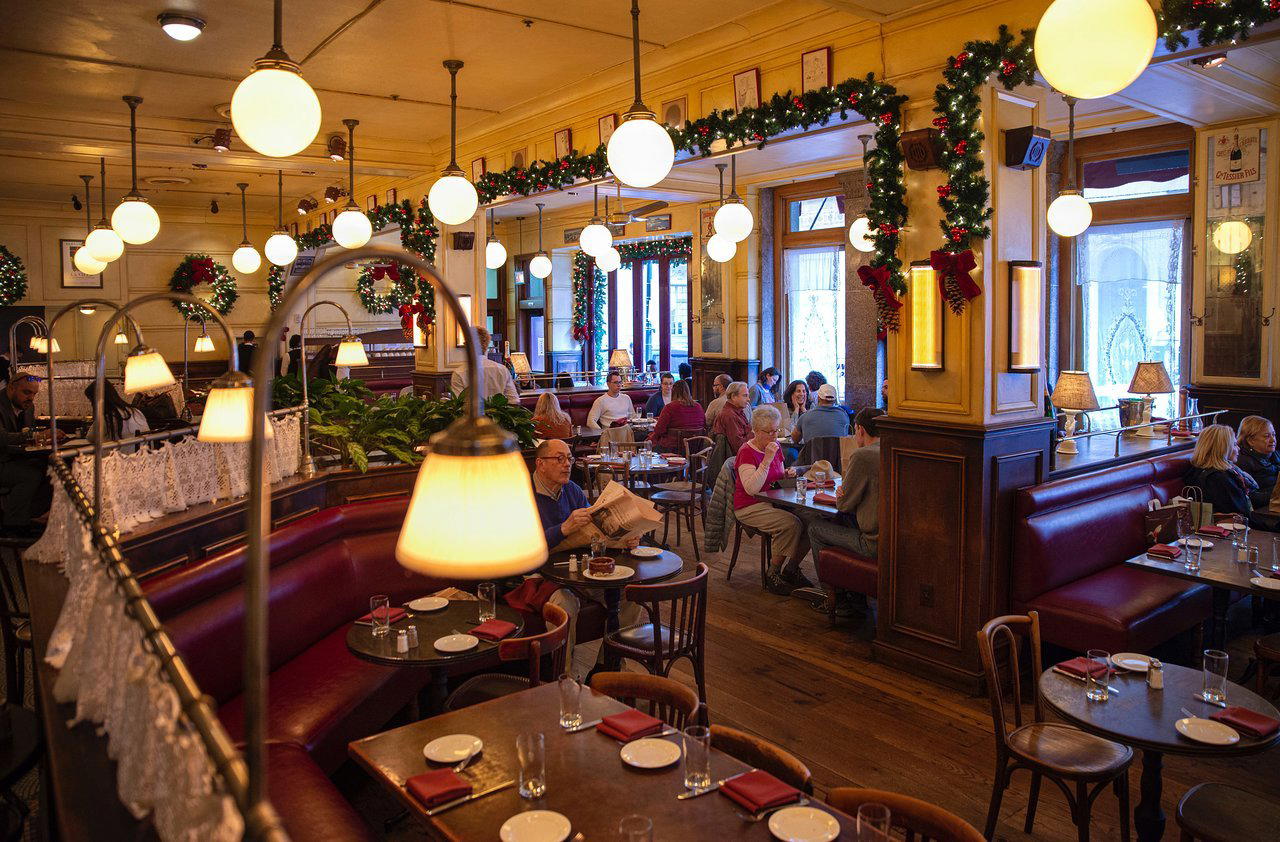
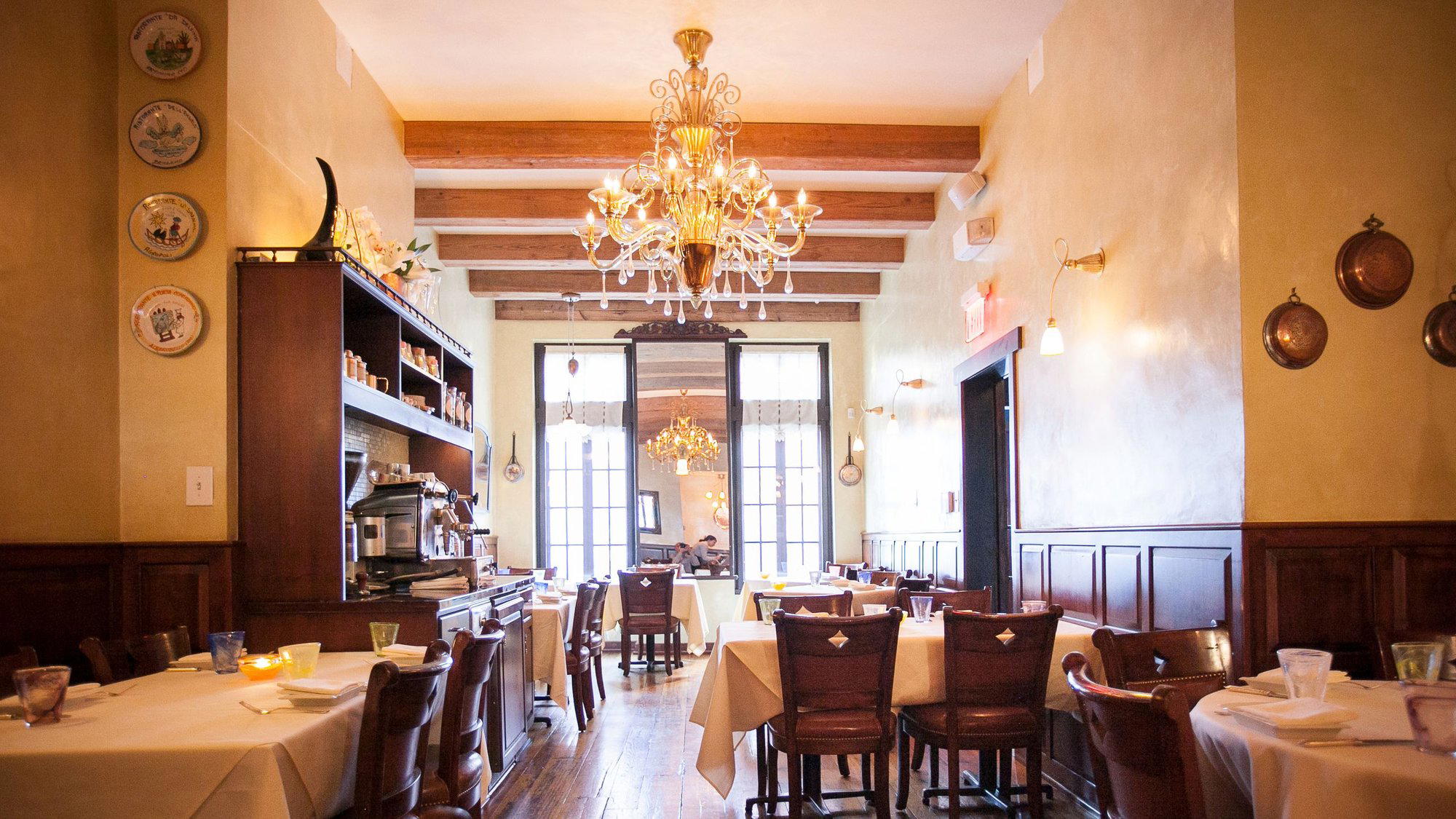
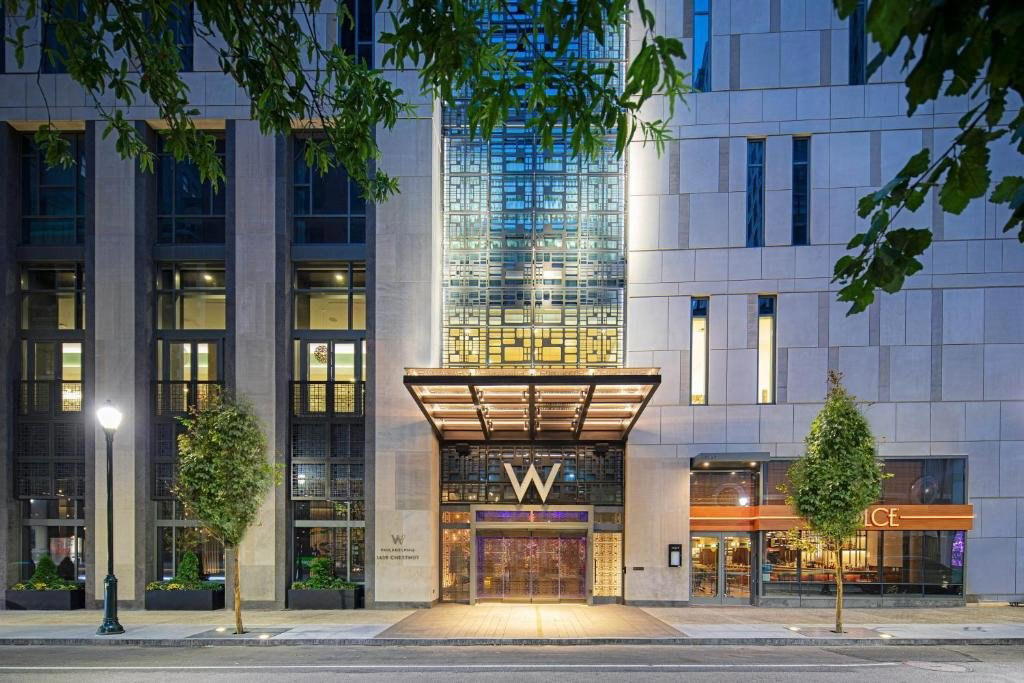
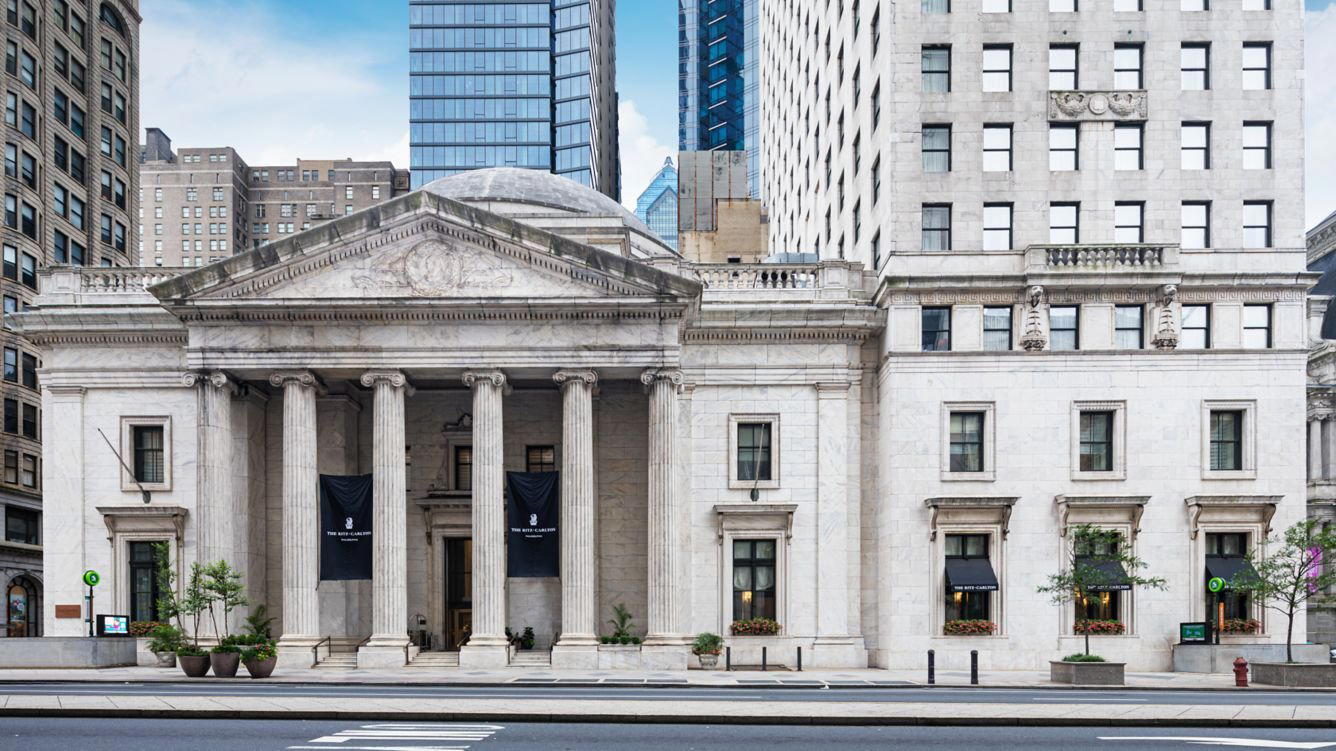
Elegant, modern, and Parisian-inspired, with polished bar decor and warm, attentive hospitality.