Porcini
On Sansom Street in Philadelphia's Rittenhouse Square corridor, Porcini occupies a quiet but deliberate position in the city's Italian dining scene. The address places it among a stretch of independently operated restaurants that have shaped the neighborhood's reputation for serious, ingredient-led cooking. Expect a focused experience where the wine program and kitchen discipline do most of the talking.
Pearl is the En Primeur Club membership app — saves, bookings, and concierge access live there. Same editors, same standards.
- Address
- 2048 Sansom St, Philadelphia, PA 19103
- Phone
- +12157511175
- Website
- porcinirestaurant.com
- Directions
- Get directions
 Saves & bookings on Pearl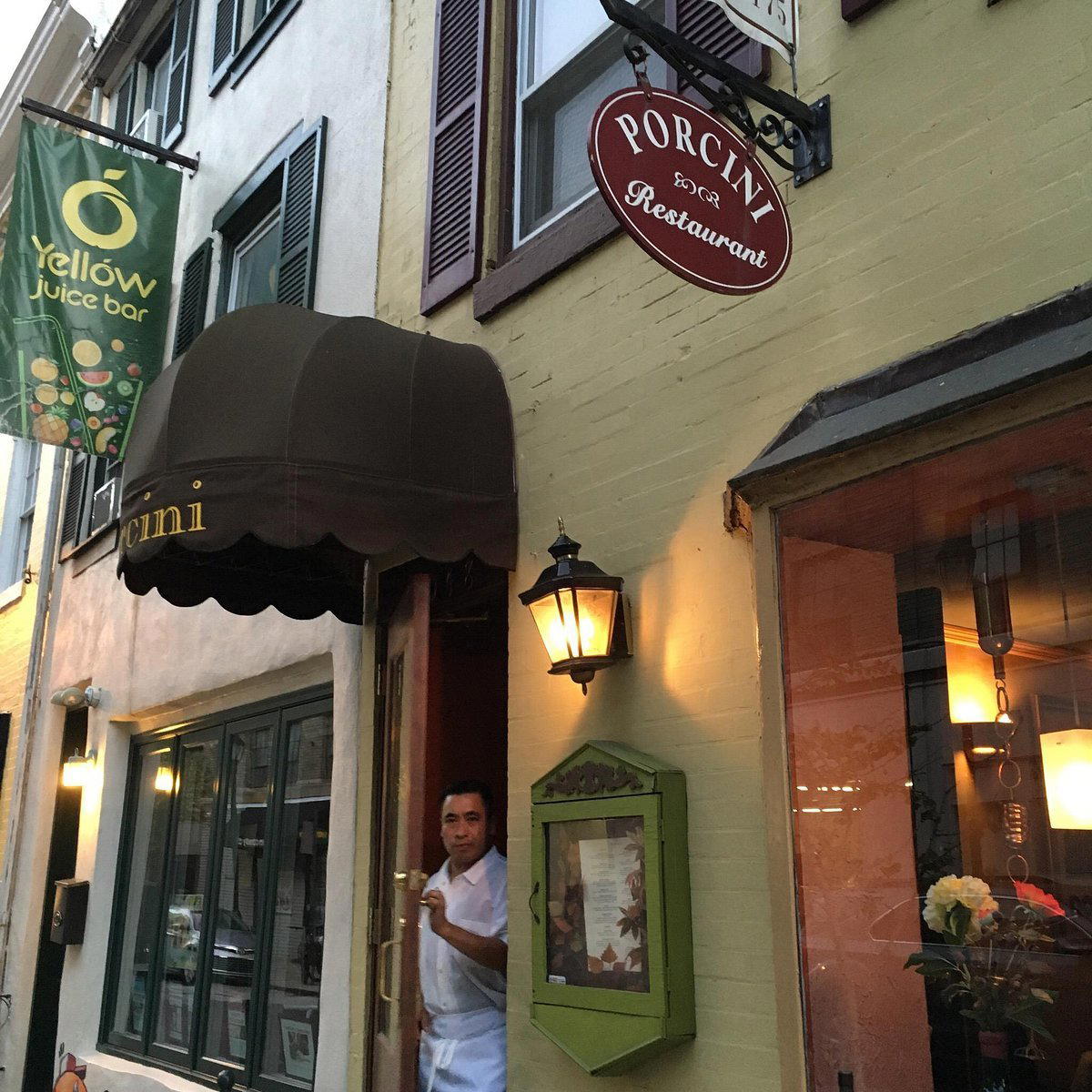
Sansom Street and the Italian Thread Running Through Rittenhouse
Philadelphia's Rittenhouse Square corridor has never been a monolithic dining district. The blocks radiating outward from the park sustain a range of registers, from neighborhood standbys to rooms that attract serious attention from critics and regulars alike. Sansom Street, in particular, has long functioned as a quieter parallel track to the louder activity on Walnut and Chestnut, drawing restaurants that favor depth over visibility. Porcini, at 2048 Sansom St, sits inside that character. The address is legible to anyone who knows the neighborhood: not a corner flagship, not a destination planted for maximum foot traffic, but a room that earns its position through what happens at the table.
Italian-leaning kitchens in Philadelphia occupy a distinct place in the city's broader dining map. Unlike the red-sauce institutions of South Philly, which carry decades of neighborhood identity and demographic weight, the mid-city Italian restaurants have typically aligned themselves with a different set of signals: wine-forward programs, seasonal menu adjustments, and a closer relationship to the northern Italian and central Italian traditions where restraint and technique share equal billing. Porcini belongs to this broader tendency, though the specifics of its current kitchen program are best confirmed directly with the restaurant before any visit.
The Wine Program as the Room's Central Argument
Across American cities, the Italian restaurant wine list has become a reliable indicator of a kitchen's overall seriousness. A room that invests in its cellar is typically a room that invests in its sourcing, its staff training, and its pacing. The logic runs in both directions: guests who come for wine tend to slow down, and kitchens that know they are serving an attentive table tend to cook more carefully. Italian wine programs in particular reward this dynamic because the category is deep enough to sustain genuine curation. The gap between a list that covers the obvious bases and one that reflects real expertise is immediately legible to anyone who has spent time with Barolo, Barbaresco, Brunello, and the increasingly serious southern Italian producers now attracting international attention.
Those rooms have set a standard for beverage program seriousness that has, over time, raised expectations across the corridor. Philadelphia diners in this price tier have grown comfortable asking harder questions of their sommeliers. The comparison set extends outward, too: when Italian programs nationally are being benchmarked against rooms like Le Bernardin in New York City or contextualized through the cellar philosophies visible at The French Laundry in Napa, the bar for what counts as serious has shifted considerably.
The most useful wine lists in Italian-focused rooms do three things. They anchor Piedmont and Tuscany with enough depth to satisfy the traditionalist who wants to spend time in a single appellation. They carve out space for regions that reward curiosity: Campania's Fiano and Aglianico, Friuli's whites, Etna's volcanic reds from Nerello Mascalese. And they exercise genuine editorial judgment about producers, preferring growers whose farming and winemaking practices align with the kitchen's sourcing sensibility. Whether Porcini's current list meets all three criteria is something a call ahead will clarify more reliably than any published account.
How Porcini Sits in Philadelphia's Wider Restaurant Conversation
Philadelphia's restaurant scene has been in an extended period of creative confidence. Rooms like Kalaya and Mawn (Cambodian, Pan-Asian) have demonstrated that the city can support deeply specialized, chef-driven cooking across multiple traditions. My Loup (French-Inspired) has staked out a position in the European-leaning register with evident seriousness. Against this backdrop, an Italian room on Sansom Street is not filling a gap so much as holding a position in a conversation that has become considerably more sophisticated over the past decade.
The national context is worth keeping in mind as a calibration tool. Rooms like Alinea in Chicago, Providence in Los Angeles, Addison in San Diego, Blue Hill at Stone Barns in Tarrytown, Atomix in New York City, Single Thread Farm in Healdsburg, Lazy Bear in San Francisco, The Inn at Little Washington in Washington, Emeril's in New Orleans, and 8 1/2 Otto e Mezzo Bombana (Hong Kong) in Hong Kong define what high-engagement dining looks like at various price and format points. An Italian neighborhood room in Philadelphia is not competing in that register, nor should it be. The relevant comparison is more granular: how does Porcini perform against Barbuzzo and the other mid-city Italian options that share its immediate competitive space? That question is leading answered with an up-to-date visit rather than historical reputation.
For a comprehensive view of where Porcini sits in the broader Philadelphia dining picture, see our full Philadelphia restaurants guide.
What to Think About Before You Book
Italian restaurants at the Rittenhouse price tier tend to reward guests who come prepared. Knowing whether you want to eat from a fixed menu or a la carte, whether you are anchoring the evening around a specific wine region, and how much time you want to spend at the table are all decisions worth making before the reservation is confirmed. These rooms generally operate leading when both sides of the table have calibrated expectations. Call ahead to confirm current hours, menu format, and availability.
Know Before You Go
- Address: 2048 Sansom St, Philadelphia, PA 19103
- Neighborhood: Rittenhouse Square corridor, Sansom Street
- Cuisine focus: Italian (confirm current menu format directly with restaurant)
- Reservations: Confirm availability and booking method by contacting the restaurant
- Hours: Contact restaurant directly for current service times
- Pricing: Confirm current pricing at time of booking
- Wine program: Ask about sommelier availability and list depth when reserving
Continue exploring
More in Philadelphia
Restaurants in Philadelphia
Browse all →
Bars in Philadelphia
Browse all →
At a Glance
- Cozy
- Intimate
- Classic
- Date Night
- Group Dining
- Casual Hangout
- Standalone
- Byob
- Local Sourcing
Current opening hours
- Monday
- 5–9 PM
- Tuesday
- 5–9 PM
- Wednesday
- 5–9 PM
- Thursday
- 5–9 PM
- Friday
- 5–9 PM
- Saturday
- 5–9 PM
- Sunday
- Closed
Hours can change for holidays and private events. Last verified .
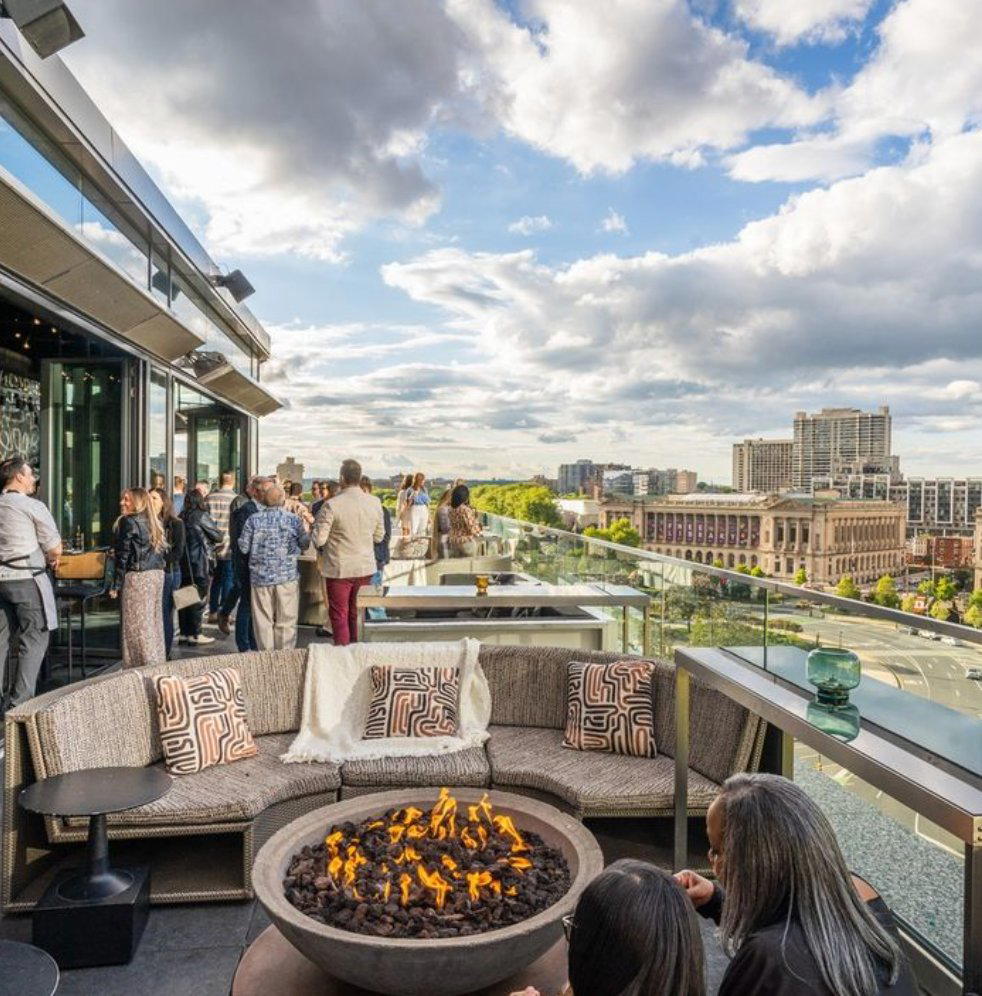
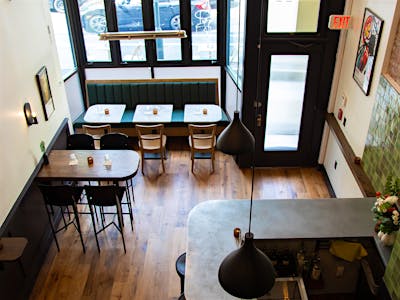
Cozy and welcoming with an intimate atmosphere that feels like a family gathering, characterized by attentive service and warm hospitality.
Know Before You Go
- Getting there
- 2048 Sansom St, Philadelphia, PA 19103