Seaforest Bake Shop
Our verdict
Seaforest Bake Shop occupies a specific niche in Philadelphia's increasingly diverse casual food scene: a Korean American bakery format that translates fine-dining flavor logic into counter-service pastry. The shop sits within a broader city trend of technically trained operators choosing accessible formats over tasting-menu ambitions, bringing disciplined craft to everyday baked goods with Korean-inflected ingredients and American bakery structure.

Pearl is the En Primeur Club membership app — saves, bookings, and concierge access live there. Same editors, same standards.
- Address
- Philadelphia, United States
- Directions
- Get directions
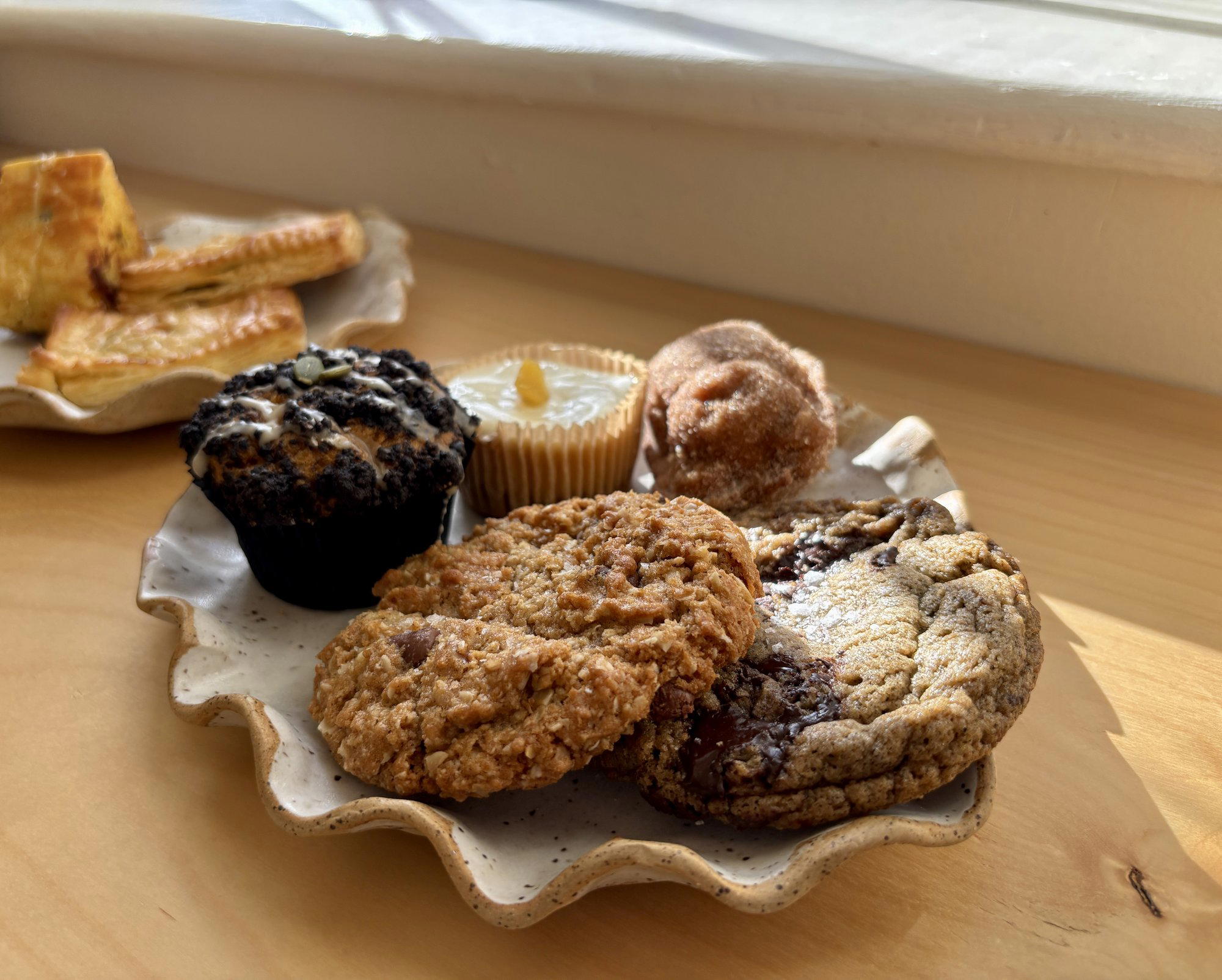
The menu
What to order
- Mushroom bulgogi hand pie
- Ricotta kimchi hand pie
- Kinako sesame cookie
- Doenjang caramel roll
Where Philadelphia's Korean American Bakery Scene Is Heading
Philadelphia's casual food culture has shifted meaningfully over the past decade. The city that built its reputation on cheesesteaks and Italian market staples now runs a parallel track of chef-driven counter formats, where the technique is serious but the price point and setting are deliberately approachable. Seaforest Bake Shop fits that pattern, occupying the Korean American bakery category at a moment when that format is gaining traction in American cities beyond New York and Los Angeles. The combination of Korean pantry ingredients with American bakery structure is not new — but it remains underrepresented in Philadelphia relative to the city's overall dining depth, which gives Seaforest a clear position in the local market.
The broader context matters here. Korean American baking has evolved from novelty into a recognized sub-category, with practitioners drawing on fermented flavors, rice flours, sesame, and red bean alongside conventional French and American pastry technique. The result tends to sit somewhere between a French patisserie and a Korean cafe, with neither fully defining the output. Seaforest operates in that in-between territory, translating a flavor vocabulary that Philadelphia diners have largely encountered in restaurant contexts into something you can pick up at a counter.
The Chef-Driven Casual Format in Philadelphia
The trend of technically trained operators choosing informal, accessible formats over full-service dining rooms has reshaped American food cities since roughly 2015. It accelerated through the pandemic years, when overhead costs made tasting-menu formats harder to sustain and operators found that casual formats could carry serious culinary ambition without the financial exposure of a 50-seat dining room. Philadelphia has been part of that shift. Fork and Friday Saturday Sunday represent the city's established New American fine dining tier, while operations like Mawn demonstrate how chefs are bringing Southeast Asian culinary traditions into more personal, less formal formats. Seaforest sits in a similar casual-but-craft position, applying bakery as its medium.
Nationally, the chef-driven casual bakery has become a legitimate category. Operators with fine dining backgrounds who choose the bakery format are not stepping down; they are applying precision to a different set of technical problems. Laminated doughs, fermentation timing, and flavor-balance in pastry require the same kind of disciplined attention as a composed restaurant plate. The difference is that the counter-service model compresses the transaction into something a customer can complete in three minutes, which creates different demands on consistency and throughput. Seaforest operates within those constraints, in a city where the bakery category is competitive but not oversaturated at the Korean American intersection specifically.
For comparison, the cities where Korean American baking has been most developed — New York, Los Angeles, and increasingly Chicago, show that the format scales leading when it combines a distinct flavor identity with accessible price points and a recognizable morning or afternoon occasion. Philadelphia's version of that story is still early, which means Seaforest has room to define the category locally rather than compete inside a crowded field.
Philadelphia's Casual Dining Context
Understanding where Seaforest sits requires some calibration of Philadelphia's overall food scene. The city punches above its weight in casual formats with strong culinary pedigree. South Philly Barbacoa is a widely cited example of how a single-focus, counter-service concept can achieve critical recognition without a full dining room. My Loup approaches French-influenced cooking from a more personal, less formal register. These are not outliers; they represent a strand of Philadelphia dining that values craft and specificity over ceremony.
Seaforest fits that strand. The Korean American bakery format is inherently casual in service structure, but the flavor work involved is anything but low-effort. Ingredients like doenjang, gochugaru, black sesame, and yuzu require sourcing attention and calibration that distinguishes serious practitioners from trend-followers. Whether Seaforest is sourcing at that level is worth investigating on a visit, but the category itself demands it, and Philadelphia's food culture has shown it can support that kind of operation.
For visitors building a Philadelphia food itinerary, our full Philadelphia restaurants guide maps the broader dining scene across neighborhoods and price tiers. You can also explore Philadelphia's bar scene, hotel options, regional winery access, and curated experiences through the EP Club city guides.
How Seaforest Compares to the National Korean-Inflected Fine Dining Tier
The national conversation around Korean culinary craft has been shaped significantly by fine dining operations. Atomix in New York City operates at the tasting-menu tier with a Korean framework that is among the most technically developed in the country. That register is entirely different from a bakery counter, but it has done work in establishing Korean flavor logic as a serious culinary language for American diners. Seaforest translates a version of that logic into an everyday format, which is a different ambition but not a lesser one.
Comparable chef-driven casual formats at other cities' fine dining adjacencies include operations associated with, or inspired by, chefs who have worked at places like Le Bernardin in New York, Lazy Bear in San Francisco, or Alinea in Chicago. The movement of technique from formal dining into accessible formats has precedent at serious operations everywhere, including Single Thread Farm in Healdsburg, The French Laundry in Napa, Emeril's in New Orleans, and Alain Ducasse's Louis XV in Monte Carlo. The bakery format is where that ambition lands at its most democratic.
Planning a Visit
Bakery formats in Philadelphia's casual tier typically operate on morning-to-early-afternoon windows, with sellouts of specific items possible by late morning on weekends. Arriving before noon is standard practice for Korean American bakeries operating at this level of specificity, where production runs are often limited by design rather than capacity constraints.
Frequently asked questions
How does Seaforest Bake Shop fit into Philadelphia's Korean food scene?
Korean American cuisine in Philadelphia has historically been concentrated in full-service restaurant formats rather than dedicated bakery counters. Seaforest Bake Shop occupies a less crowded position by focusing specifically on baked goods with Korean American flavor influence, a format that has seen traction in cities like New York and Los Angeles but remains underrepresented in Philadelphia. That positioning makes it a useful reference point for tracking how Korean American food culture is expanding beyond restaurant dining in the city.
What should I order at Seaforest Bake Shop?
Seaforest Bake Shop operates in the Korean American bakery format, which typically centers on baked goods that draw from both American pastry technique and Korean flavor profiles — think items built around ingredients like red bean, sesame, or gochujang-spiked fillings. That said, the house bakery items rooted in Korean American flavors are the core of what this Philadelphia spot does.
Is Seaforest Bake Shop reservation-only?
Bakery-format operations in Philadelphia's casual food scene almost universally run as walk-in counters rather than reservation-based seatings. Seaforest Bake Shop fits that Korean American bakery mold, so walk-in access is the expected format.
What's the standout thing about Seaforest Bake Shop?
The defining quality is the cuisine framing itself: Korean American flavors applied to a bakery format is a specific lane that few Philadelphia operators have staked out seriously. Philadelphia's casual food scene has historically leaned Italian and American, so a counter working Korean American pastry vocabulary occupies genuinely distinct territory in the city's food culture.
Is a meal at Seaforest Bake Shop worth the investment?
Bakery counters in this category typically price individual items in the $4–$12 range, making Seaforest Bake Shop an accessible entry point rather than a significant financial commitment. The value case rests on the specificity of the Korean American flavor approach rather than price-to-portion calculations. For anyone tracking Philadelphia's evolution beyond its cheesesteak-and-Italian-market identity, this is the kind of operation that reflects where the city's casual food culture is heading.
Similar Picks
Comparable venues nearby, for context on price, style, and recognition.
| Venue | Cuisine | Price | Notes |
|---|---|---|---|
| Seaforest Bake ShopThis venue — the venue you are viewing | Korean Bakery | $10–20 | Not listed |
| Frankford Hall | German Biergarten | $20–30 | Fishtown |
| Seiko Japanese Restaurant | Japanese Sushi | $20–30 | Northern Liberties |
| Tiffin Indian Cuisine Fairmount | Upscale Indian Cuisine | $20–30 | Francisville |
| Emmy Squared Pizza: Queen Village | Detroit-Style Pizza | $20–30 | South Street |
| El Vez | Modern Mexican | $30–50 | Washington Square West |
Continue exploring
More in Philadelphia
Restaurants in Philadelphia
Browse all →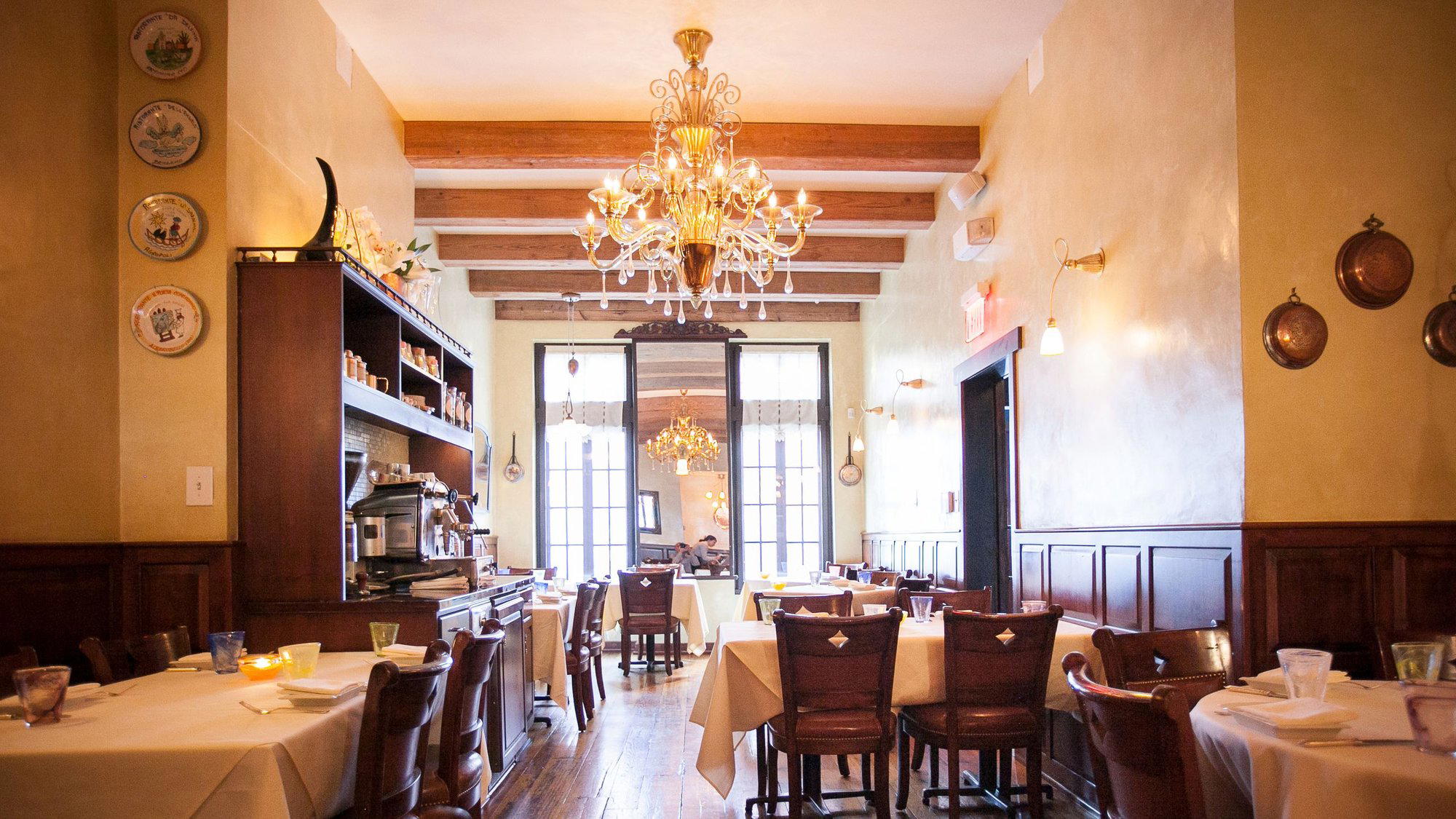
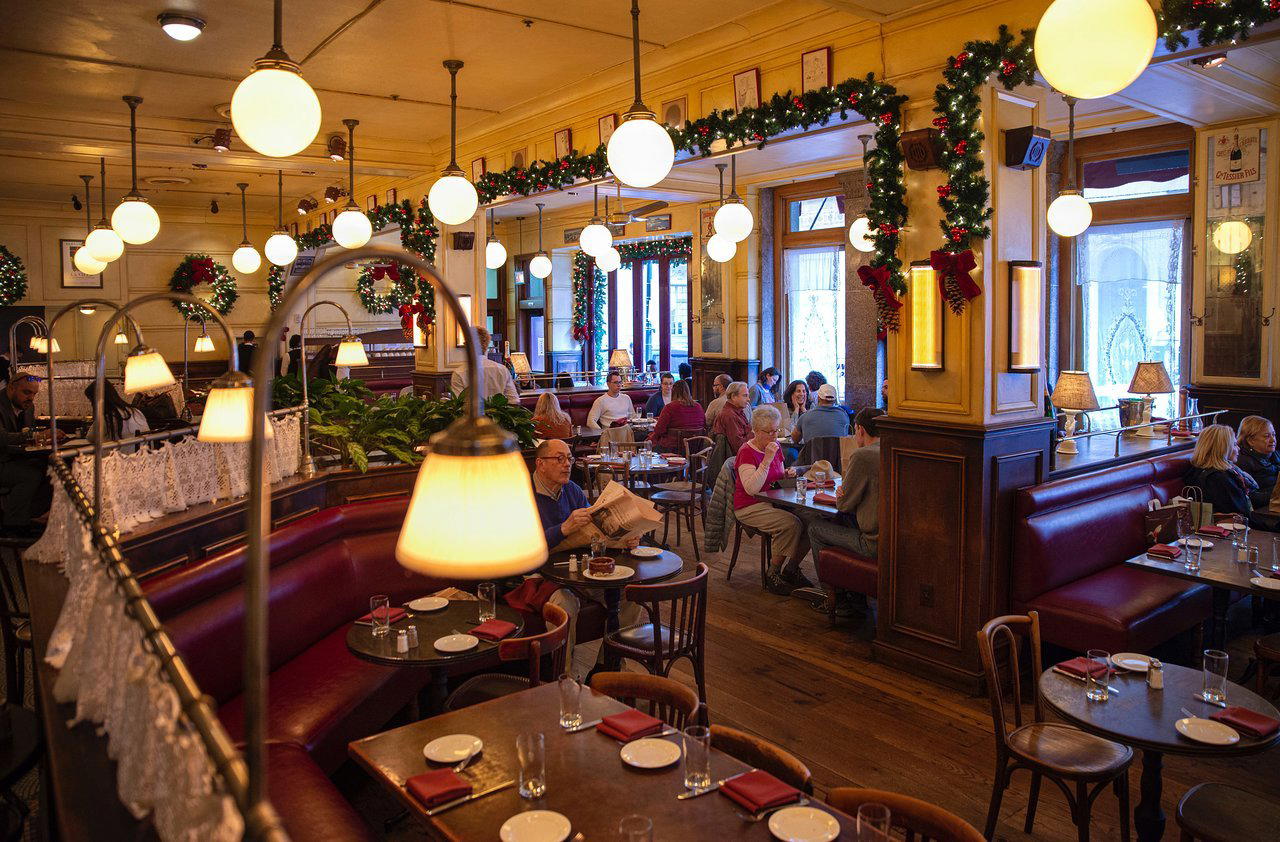
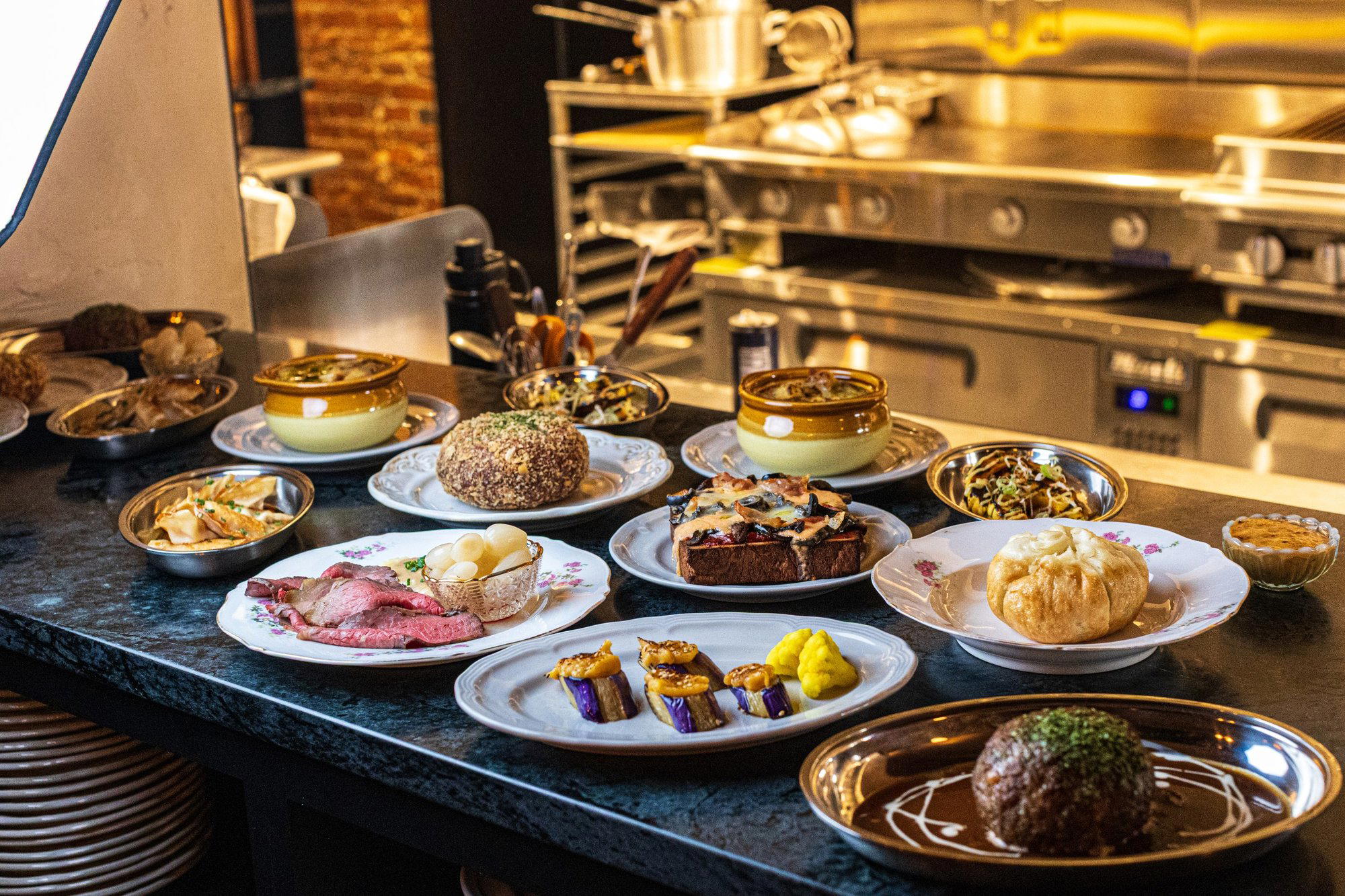
Bars in Philadelphia
Browse all →
Details
- Cozy
- Modern
- Casual Hangout
- Brunch
- A La Carte
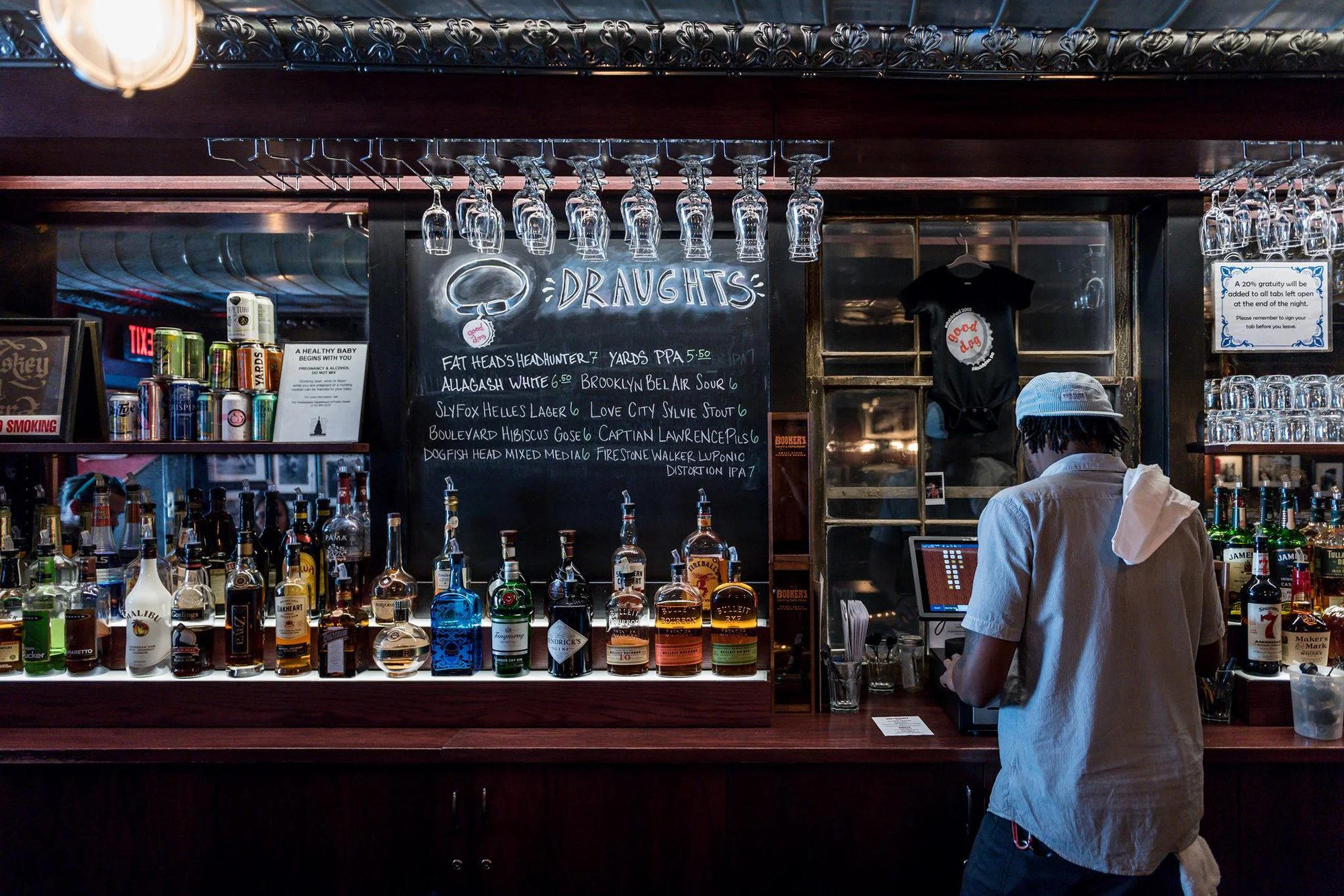
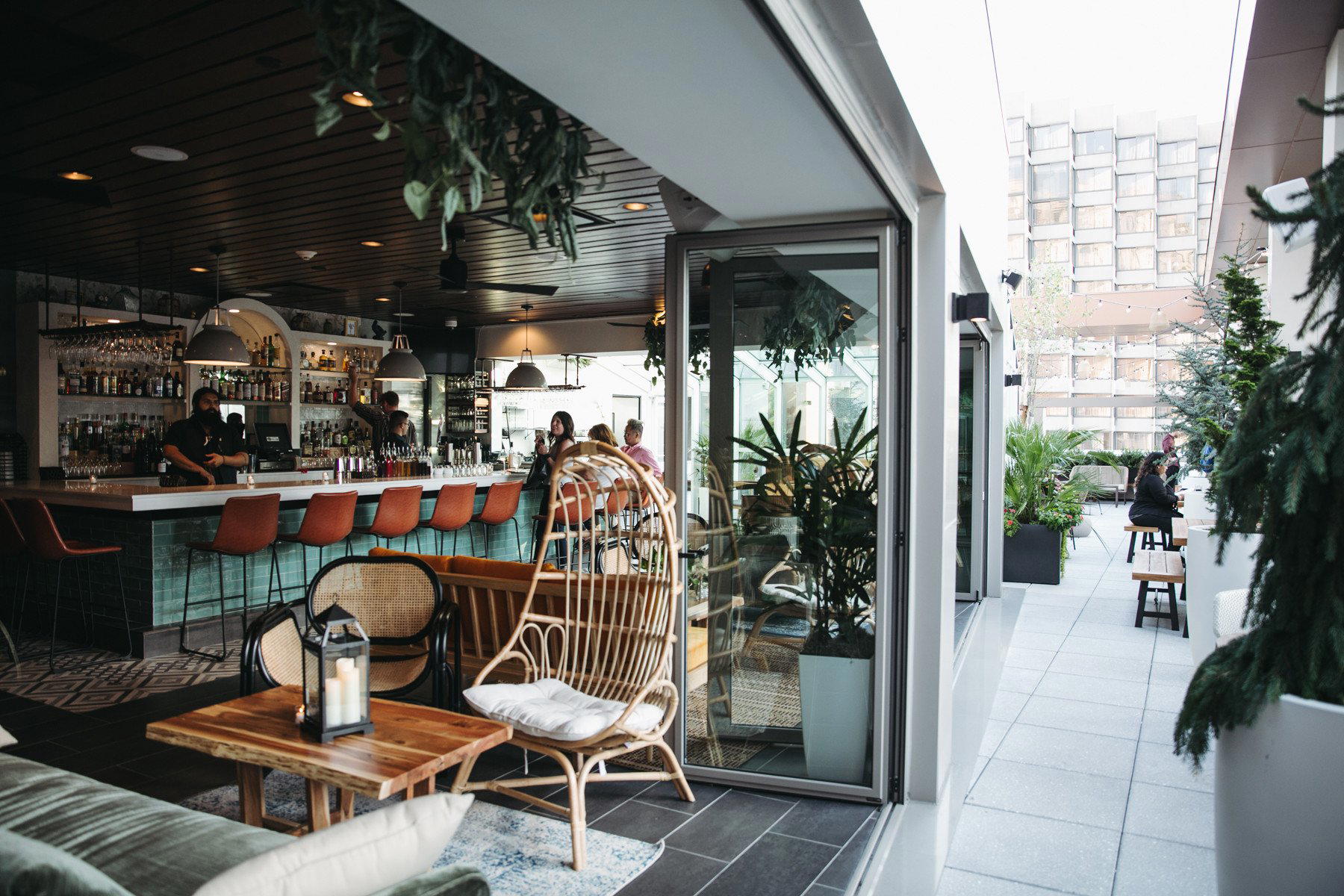
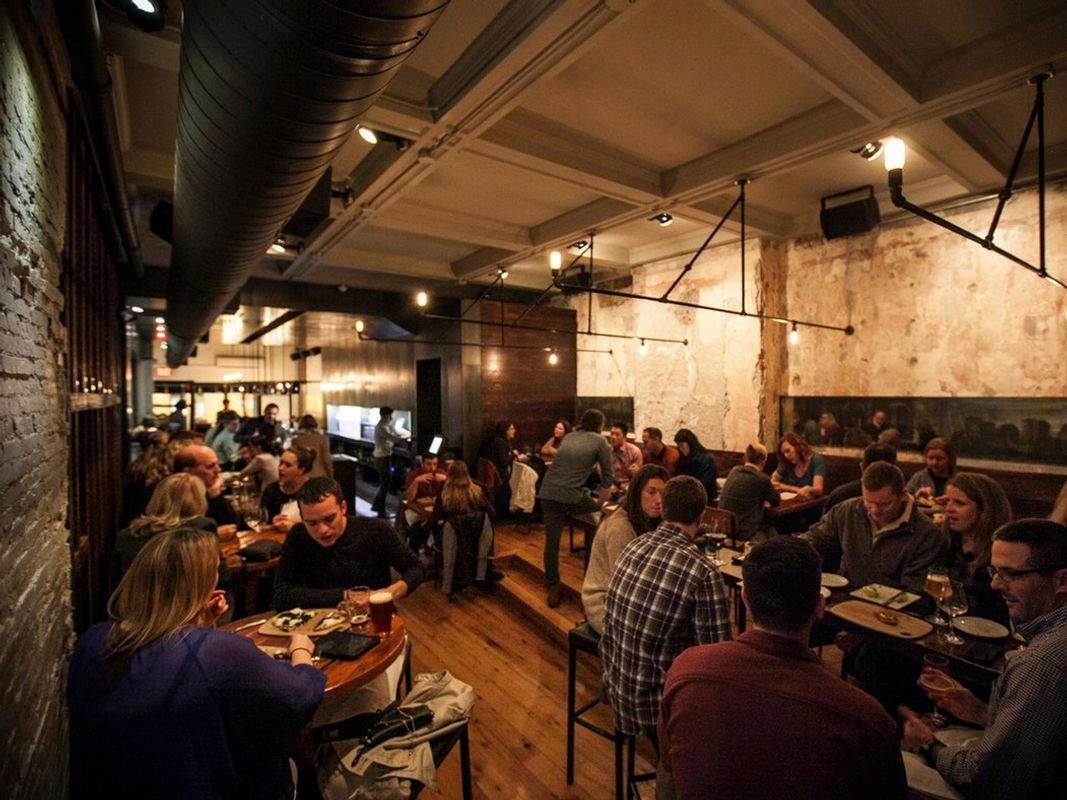
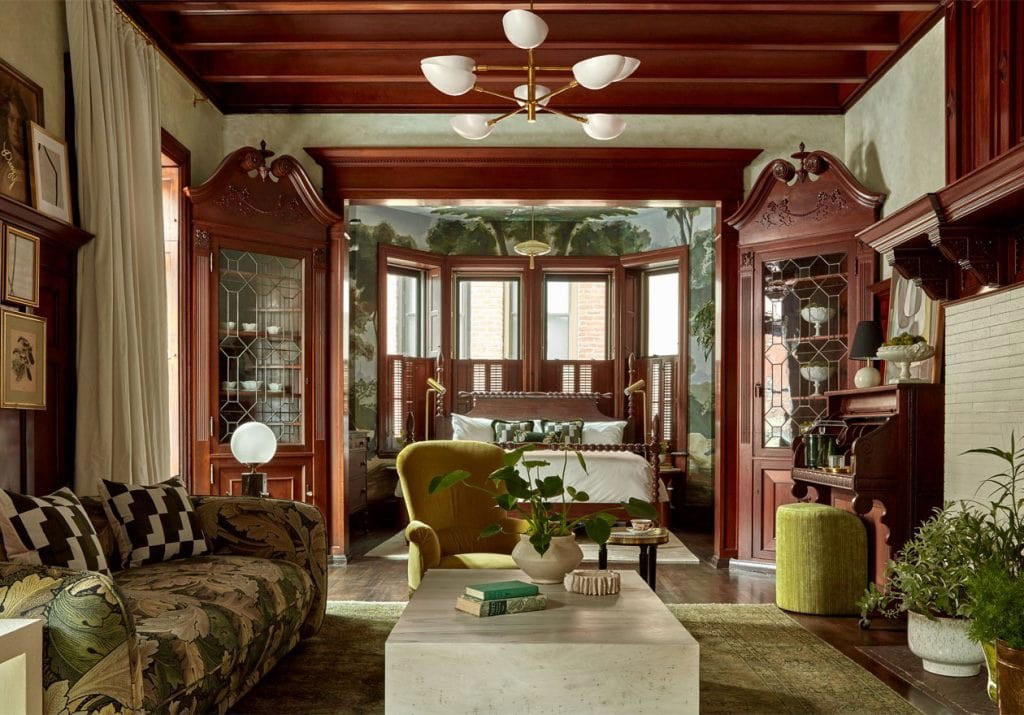
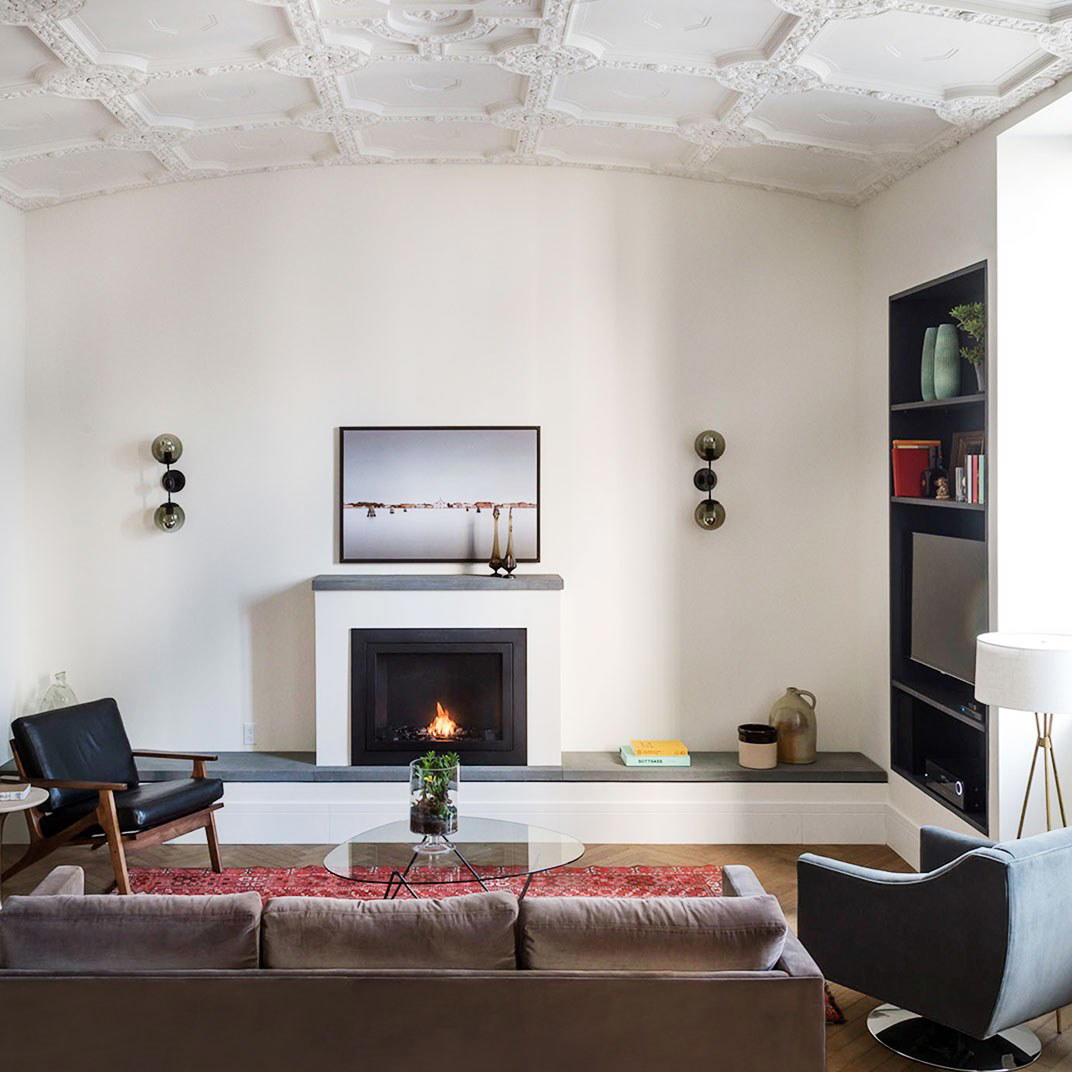
Charming corner shop with sunlit interior offering a cozy and welcoming atmosphere for grabbing notable baked goods.