Michelin Plate
Our verdict
Senté on Nguyễn Quang Bích brings Vietnamese contemporary cooking to one of Hoàn Kiếm's quieter streets, earning consecutive Michelin Plates in 2024 and 2025. The mid-range price point sits well below Hanoi's premium Vietnamese Contemporary tier, making Michelin recognition accessible without the four-course commitment.

Pearl is the En Primeur Club membership app, where members save venues, book tables and use the concierge.
The menu
What to order
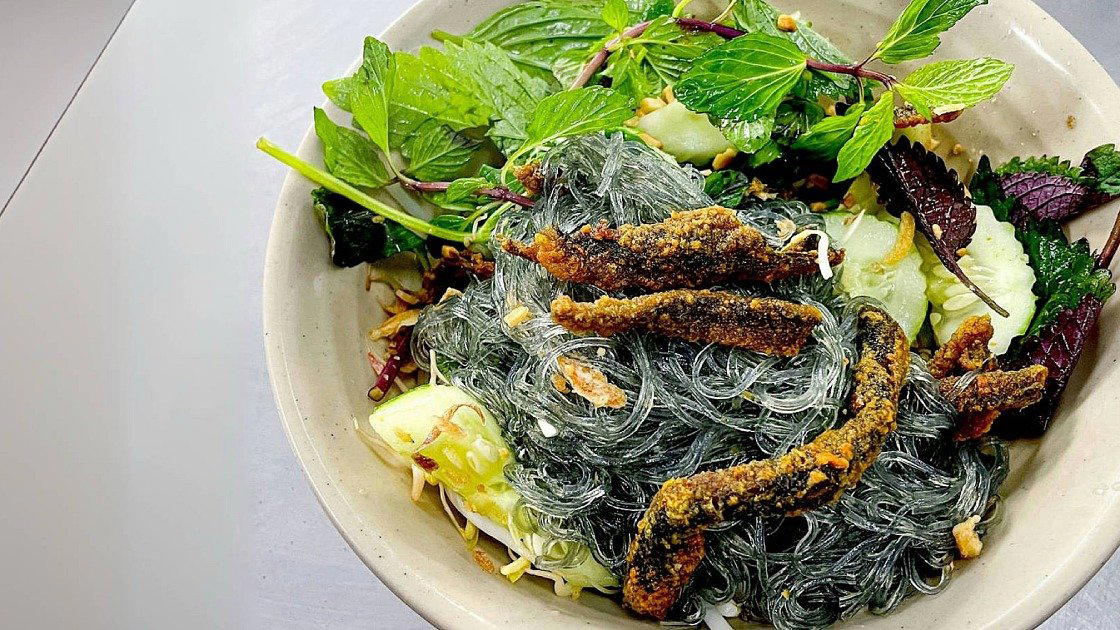
- Black rice in lotus leaf with grilled Australian short rib beef & salted quail eggs
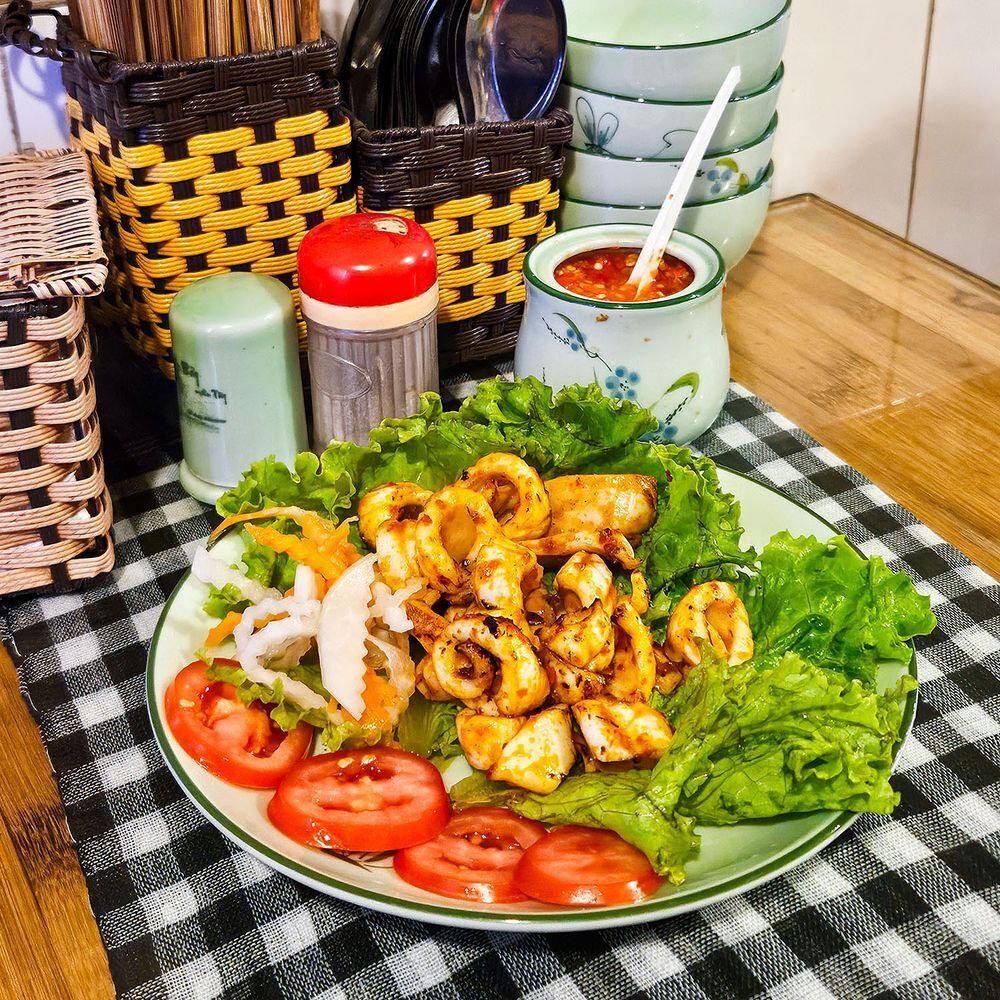
- Shrimp, pomelo and lotus root salad
- Senté milk tea with lotus pearls
A Quieter Street, A Considered Kitchen
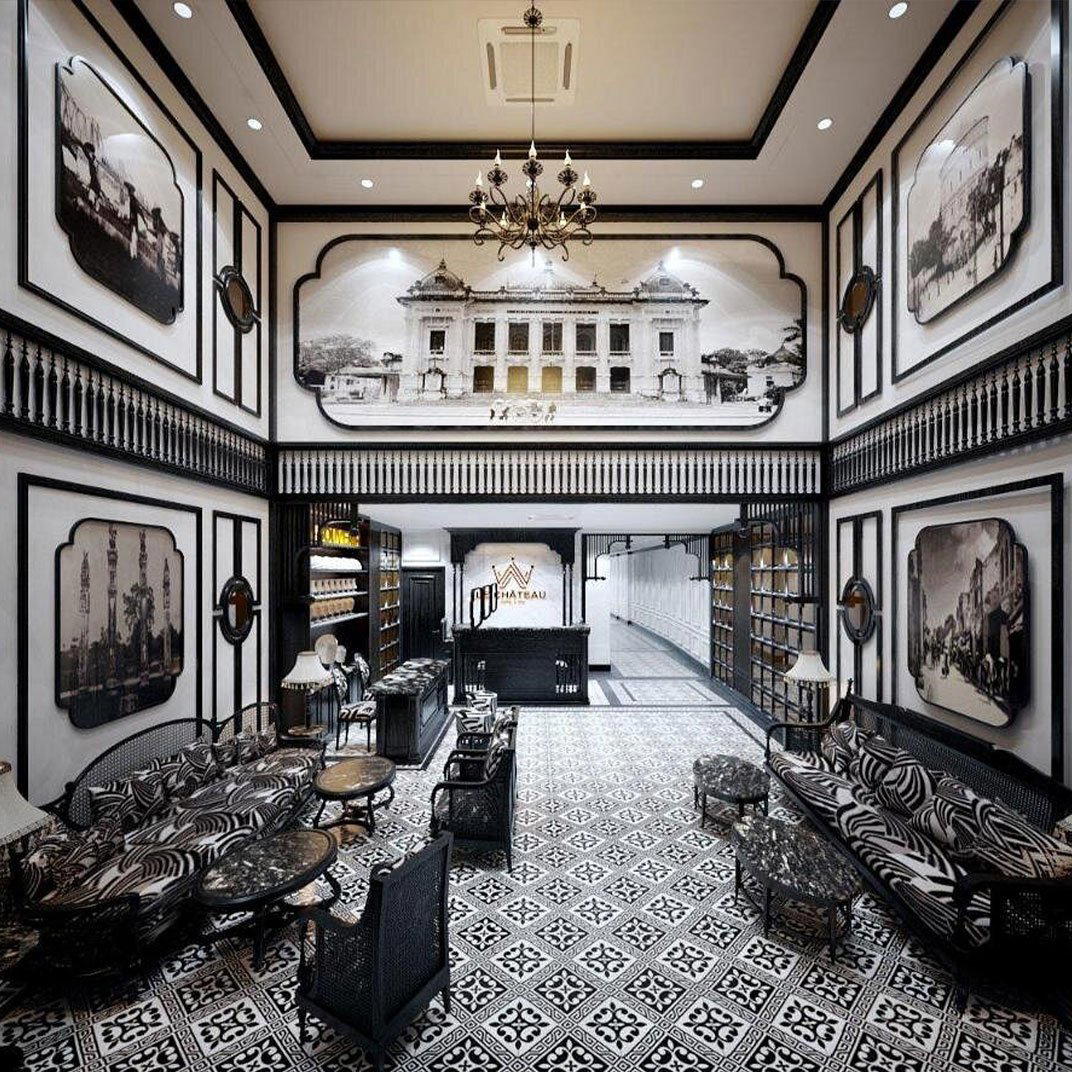
Nguyễn Quang Bích runs parallel to the busier arteries feeding Hoàn Kiếm's Old Quarter, and arriving here feels like a deliberate deceleration. The street's scale is residential rather than commercial, and Senté reads against that backdrop as a restaurant that has chosen its address carefully. There is no neon, no queue-management clipboard, none of the performance that marks the district's higher-traffic tables. The approach sets an expectation the kitchen appears to sustain: something considered, sourced with purpose, priced for regulars as much as for visitors.
Within Hanoi's Vietnamese Contemporary category, Senté occupies a specific position. Gia and comparable ₫₫₫₫ addresses represent the premium end of the same tradition, where multi-course menus and elaborate technique carry prices that narrow the audience. Senté operates at ₫₫, a mid-range bracket that places it alongside everyday Vietnamese dining on cost while delivering a kitchen recognised by Michelin two years running. That gap between price and recognition is the editorial argument for the restaurant's existence.
What Michelin Plates Mean in This Context
The Michelin Plate, awarded in both 2024 and 2025, signals a kitchen cooking food good enough to appear in the Guide without yet carrying the fuller star distinction. In a city where Michelin's Vietnam coverage is still relatively recent and the starred tier is small, consecutive Plate recognition carries weight as a consistency marker rather than a consolation prize. It places Senté inside a defined peer group: restaurants that Michelin inspectors have returned to, found reliable, and continued to endorse.
For comparison, Tầm Vị occupies a similar price tier while staying within a more traditional Vietnamese register. Senté's contemporary framing distinguishes it: the cuisine type points toward technique and presentation choices that engage with Vietnamese ingredients on terms informed by current cooking ideas, rather than reproducing heritage formats unchanged. That distinction matters when reading the Michelin recognition, which in the contemporary category tends to reward exactly that kind of disciplined translation.
Ethical Sourcing as a Kitchen Position
Vietnamese contemporary cooking at its most purposeful has increasingly engaged with sourcing questions that older fine-dining frameworks in the country largely ignored. The shift tracks a broader regional pattern: across Vietnam's emerging restaurant scene, from Anan Saigon in Ho Chi Minh City to Nén Danang in Da Nang, kitchens working in the contemporary register have made producer relationships and ingredient traceability part of their identity rather than a footnote on the menu. The ₫₫ price point at Senté makes that approach more consequential: responsible sourcing at accessible prices requires tighter margins and more deliberate purchasing decisions than the same commitment at a premium address.
Hanoi's position in northern Vietnam gives it access to a distinct agricultural corridor. Highland vegetables from the north, freshwater fish from the Red River delta, and herb varieties that don't travel well to southern kitchens are all within closer reach here than they would be in Ho Chi Minh City. A kitchen on Nguyễn Quang Bích that takes sourcing seriously is working with a different ingredient palette than its Vietnamese Contemporary peers further south, and the Michelin recognition reflects, in part, what a kitchen can achieve when geography and intention are aligned. For readers tracking this trend across the country, Bờm in Ho Chi Minh City, Little Bear, and Madame Lam offer useful southern counterpoints in the same contemporary category.
Where Senté Sits in the Hanoi Scene
Hoàn Kiếm hosts a wide spread of dining formats, from single-dish noodle shops to multi-room tasting menu destinations. Senté's coordinates within that spread are clear: it is neither a heritage canteen nor a special-occasion blowout. The ₫₫ bracket positions it as a restaurant where the cooking is the event but the bill doesn't require advance financial planning. That combination of ambition and accessibility is not especially common in Hanoi's contemporary tier, where the natural tendency has been for serious kitchens to price upward as recognition accumulates.
Backstage and Lamai Garden offer adjacent moods in Hoàn Kiếm for readers building a broader itinerary. At the higher end of the district's contemporary offer, Hibana by Koki operates in the ₫₫₫₫ teppanyaki tier, providing a useful reference for how far the price spectrum runs within the same neighbourhood. For readers building a longer stay around the country's Vietnamese contemporary scene, Tre Dining, ST25 by KOTO, and La Maison 1888 in Da Nang represent the category's range across Vietnam's three major dining cities.
Planning Your Visit
Senté is at 20 Nguyễn Quang Bích, Cửa Đông, Hoàn Kiếm, a short walk from the lake and the Old Quarter's core streets. The ₫₫ pricing means a full meal here runs comfortably below what the same level of Michelin recognition would cost at a comparable address in Bangkok or Singapore, which makes the timing argument for visiting during this phase of the restaurant's recognition curve reasonably clear.
For a complete picture of the city's dining options, our full Hanoi restaurants guide maps the scene across all categories and price points. Readers planning a broader trip can also reference our Hanoi hotels guide, our Hanoi bars guide, our Hanoi wineries guide, and our Hanoi experiences guide for a full itinerary framework.
Frequently asked questions
What type of food is Senté (Nguyen Quang Bich Street) known for?
Where do I go for Senté (Nguyen Quang Bich Street)?
Senté (Nguyen Quang Bich Street) is located at 20 P. Nguyễn Quang Bích, Cửa Đông, Hoàn Kiếm, Hà Nội, Vietnam, Hanoi.
Is Senté (Nguyen Quang Bich Street) Michelin-listed?
Senté (Nguyen Quang Bich Street) has received recognition including: Michelin Plate (2025); Michelin Plate (2024).
What should I order at Senté (Nguyen Quang Bich Street)?
The kitchen works within Vietnamese contemporary cuisine at a Michelin Plate level, so the menu is likely to feature locally sourced ingredients interpreted with modern technique. Without a published menu available, the safest approach is to ask staff about the current dishes at the time of your visit, as the offer may shift with season and supply.
What's the pricing like at Senté (Nguyen Quang Bich Street)?
Pricing at Senté (Nguyen Quang Bich Street) is listed as ₫₫.
What's the best way to book Senté (Nguyen Quang Bich Street)?
No direct booking link or phone number is currently listed for Senté. The address, 20 Nguyễn Quang Bích, Cửa Đông, Hoàn Kiếm, is confirmed, and the venue's Google presence is active, so a search there should surface current contact options. For a Michelin Plate restaurant in Hanoi's Old Quarter, booking ahead rather than walking in is the practical approach.
What's the defining dish or idea at Senté (Nguyen Quang Bich Street)?
The kitchen's positioning within Vietnamese contemporary cuisine points toward a culinary framework that treats local sourcing as a structural decision rather than a garnish detail. Two consecutive Michelin Plate recognitions (2024 and 2025) confirm consistency in that approach. The defining idea appears to be Vietnamese produce and technique applied with a level of intention that separates Senté from both heritage street-food formats and the more internationally templated fine-dining rooms in the same district.
Where It Fits
| Venue | Cuisine | Price | Awards | Notes |
|---|---|---|---|---|
| Senté (Nguyen Quang Bich Street)This venue (the venue you are viewing) | Modern Vietnamese Lotus Cuisine | $10–20 | Michelin Plate | Not listed |
| Hibana by Koki | Michelin-Starred Japanese Teppanyaki | $200–300 | 1 Michelin Star · La Liste Top Restaurants | Teppanyaki, ₫₫₫₫ |
| Tầm Vị | Northern Vietnamese Home-Style | $10–20 | 1 Michelin Star | Vietnamese, ₫₫ |
| Gia | Modern Vietnamese Fine Dining | $100–150 | 1 Michelin Star · La Liste Top Restaurants | Vietnamese Contemporary, ₫₫₫₫ |
| 1946 Cua Bac | Northern Vietnamese | $10–20 | Michelin Bib Gourmand | Vietnamese, ₫ |
| Bun Cha Ta (Nguyen Huu Huan Street) | Authentic Vietnamese Bun Cha | $1–10 | Michelin Bib Gourmand | Noodles, ₫ |
Recognition history
Dated appearances from independent guides and award organizations, with the underlying list record or original source where available.
Michelin Plate
Michelin
Full recognition history (3 entries)
Michelin Plate
Michelin
Michelin Plate
Michelin