

A Michelin Plate recipient in consecutive years (2024 and 2025), Backstage sits inside Hanoi's French Quarter on Lê Phụng Hiểu Street and works in Vietnamese Contemporary, a register that prizes restraint, precision, and the measured aromatics that define northern cooking. At a mid-range price point relative to the city's starred tier, it offers a credible entry into Hanoi's recognition-tracked dining scene.
Pearl is the En Primeur Club membership app — saves, bookings, and concierge access live there. Same editors, same standards.
- Address
- 11 P. Lê Phụng Hiểu, French Quarter, Hoàn Kiếm, Hà Nội, Vietnam
- Phone
- +84 24 3987 8888
- Website
- capellahotels.com
- Directions
- Get directions
 Saves & bookings on Pearl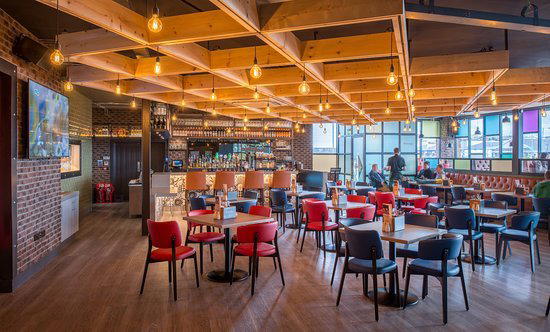
The French Quarter and the Logic of Hanoi Restraint
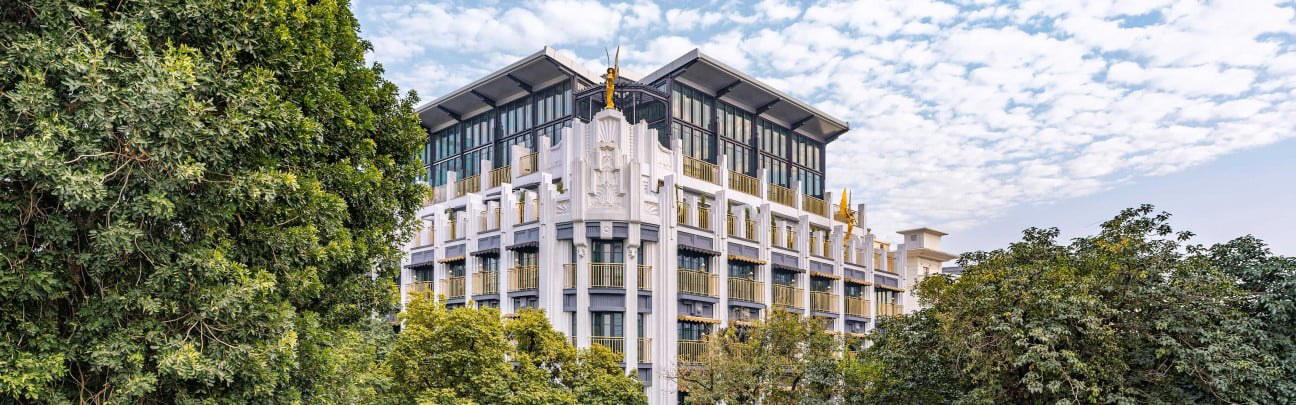
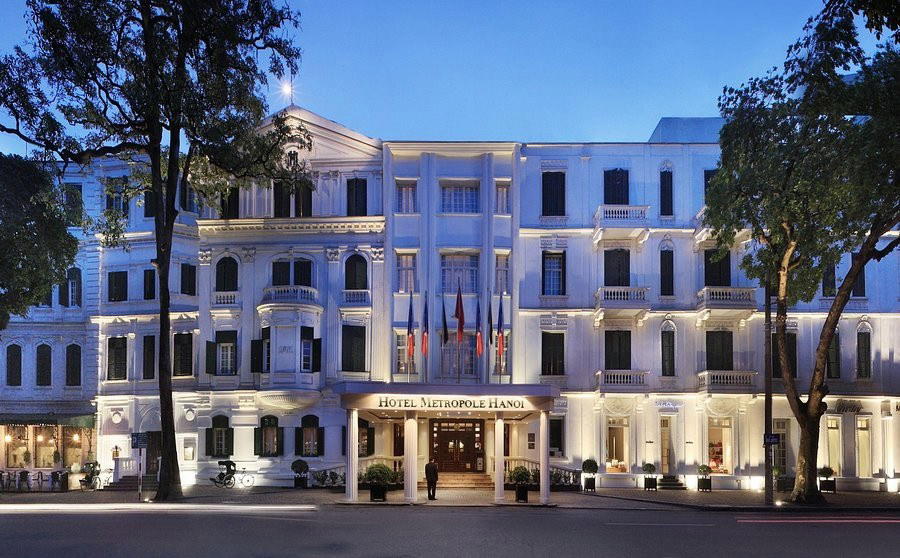
Backstage is a restaurant in Hanoi's French Quarter, serving Modern Northern Vietnamese Fine Dining at a mid-range price point. Lê Phụng Hiểu Street sits within that zone, and the premises at number 11 fit a pattern visible across the neighbourhood: a building with colonial-era bones repurposed for a contemporary kitchen program. What that physical frame sets up, in culinary terms, is a question about how much of Hanoi's northern identity a contemporary Vietnamese kitchen chooses to preserve.
That question is not trivial. The debate between Hanoi's cooking sensibility and the bolder grammar of Ho Chi Minh City runs through Vietnamese contemporary dining with increasing force. Southern kitchens, Bờm, Vietnamese Contemporary in Ho Chi Minh City, Little Bear, Vietnamese Contemporary in Ho Chi Minh City, Madame Lam, Vietnamese Contemporary in Ho Chi Minh City, tend to work with more aggressive chilli heat, heavier sugar presence, and a louder aromatic palette that reflects Saigon's historical absorptions of Chinese, Khmer, and later French-colonial street influences. Northern cooking does something different: it suppresses sweetness, moderates chilli, and leans on fermented or slow-cooked depth instead of front-loaded intensity. The distinction is not a matter of sophistication on either side; it is a structural difference in how flavour is sequenced.
Backstage positions itself within that northern register. Backstage has received Michelin Plate recognition in 2024 and 2025. The Plate designation, distinct from a star, signals consistent technique and a kitchen operating above baseline. In Hanoi's recognition-tracked dining tier, that credential places Backstage in a peer group that includes Gia (one Michelin star, ₫₫₫₫) and Senté (Nguyen Quang Bich Street), though Backstage operates at a lower price point than the starred tier, rated ₫₫₫ against Gia's ₫₫₫₫.
Where Backstage Sits in the Hanoi Hierarchy
Hanoi's contemporary dining tier has stratified noticeably since Michelin entered Vietnam. At the leading tier sit starred kitchens commanding premium tasting menus. Below them, Plate-rated restaurants occupy a middle ground: technically credible, editorially recognised, but typically more accessible in format and price. Backstage fits that middle band.
The ₫₫₫ price range places it above the city's traditional Vietnamese specialists, Tầm Vị (Vietnamese) holds a Michelin star at ₫₫, which tells you something about where value concentrates at the lower price tiers, but below the premium contemporary set. For visitors working through Hanoi's dining scene in sequence, Backstage reads as a sensible mid-week placement: serious enough to warrant a reservation, priced accessibly enough to sit alongside a broader itinerary that might include Hibana by Koki (Teppanyaki) or Lamai Garden on separate evenings.
Vietnamese Contemporary in the North: What the Category Actually Means
The label "Vietnamese Contemporary" has widened to the point of near-meaninglessness in some markets, but in Hanoi it still carries a specific technical implication. It describes kitchens that take the northern canon, pho's clear bone broth architecture, bun cha's charcoal-grilled pork and dipping liquor, the clean herb-forward profile of dishes like bun thang, and apply modern plating discipline, sourcing attention, and occasionally Western technique without abandoning the flavour logic underneath. The result is not fusion in the loose sense. It is amplification: more precision, tighter sourcing, deliberate presentation, but the same fundamental instruction to let ferment and umami carry the middle palate rather than sweetness or heat.
Distinction matters when comparing Hanoi's contemporary output to comparable programs in Da Nang, Nén Danang, Vietnamese Contemporary in Da Nang sits in central Vietnam's aromatic middle ground, or to diaspora interpretations of the cuisine, such as Nénu, Vietnamese Contemporary in Saint-Gilles, which operates with the inevitable adaptations that distance from source ingredients requires. Backstage, working from a French Quarter address with access to northern Vietnamese producers, has no such constraints. The seasonal produce market that supplies Hanoi's kitchens is structurally different from what a kitchen in the south or abroad can access.
Across the wider Vietnamese contemporary scene, the Michelin-tracked cohort now extends from Hanoi to Ho Chi Minh City and into coastal markets. Akuna in Ho Chi Minh City, ST25 by KOTO, Vietnamese Contemporary in Ho Chi Minh City, and La Maison 1888 in Da Nang each operate in their own regional idiom. What Backstage contributes to that national map is a specifically Hanoian point of view: structured, low-sugar, aromatic in the way that dried spice and slow broth produce rather than fresh chilli does.
Planning a Visit
Backstage sits at 11 Lê Phụng Hiểu in the French Quarter, Hoàn Kiếm district, walkable from most central Hanoi hotels and a short taxi or ride-share from the Old Quarter. The French Quarter address means the surrounding streets are relatively quieter than Hoàn Kiếm's lakeside cluster, which suits a longer, unhurried meal. A booking in advance is advisable: consecutive Michelin Plate recognition drives consistent demand, and the 4.7 rating across a volume of 250 reviews suggests the room fills regularly rather than sporadically. Given the ₫₫₫ pricing, mid-range for the city's recognised contemporary tier, the value proposition supports arriving with appetite and time rather than treating it as a quick dinner.
A Minimal comparable set
Comparable venues nearby, for context on price, style, and recognition.
| Venue | Cuisine | Price | Notes |
|---|---|---|---|
| BackstageThis venue — the venue you are viewing | Vietnamese Contemporary | $$$ | Not listed |
| Duong's (Ngo Huyen Street) | Hoan Kiem, Modern Vietnamese Fine Dining | $$ | Not listed |
| Ngon Garden | Not listed | $$ | Hai Ba Trung, Regional Vietnamese Garden Dining |
| Phở Gà Châm (Yen Ninh Street) | Not listed | $$ | Ba Dinh, Authentic Chicken Phở (Phở Gà) |
| Vien Dining | Hai Ba Trung, Modern Vietnamese | $$$ | Not listed |
| Quán Ăn Ngon (Hoan Kiem) | Not listed | $$ | Hoan Kiem, Authentic Vietnamese Street Food |
Recognition history
Dated appearances from independent guides and award organizations, with the underlying list record or original source where available.
Michelin Plate
Michelin
Michelin Plate
Michelin
World Culinary Awards Vietnam's Best Hotel Restaurant 2025 #1
World Culinary Awards
Michelin Plate
Michelin
At a Glance
- Elegant
- Ornate
- Sophisticated
- Intimate
- Date Night
- Special Occasion
- Business Dinner
- Hotel Restaurant
- Design Destination
- Craft Cocktails
Current opening hours
- Monday
- 6:30 a.m.–2:30 p.m., 5:30–10:30 p.m.
- Tuesday
- 6:30 a.m.–2:30 p.m., 5:30–10:30 p.m.
- Wednesday
- 6:30 a.m.–2:30 p.m., 5:30–10:30 p.m.
- Thursday
- 6:30 a.m.–2:30 p.m., 5:30–10:30 p.m.
- Friday
- 6:30 a.m.–2:30 p.m., 5:30–10:30 p.m.
- Saturday
- 6:30 a.m.–2:30 p.m., 5:30–10:30 p.m.
- Sunday
- 6:30 a.m.–2:30 p.m., 5:30–10:30 p.m.
Hours can change for holidays and private events. Last verified .
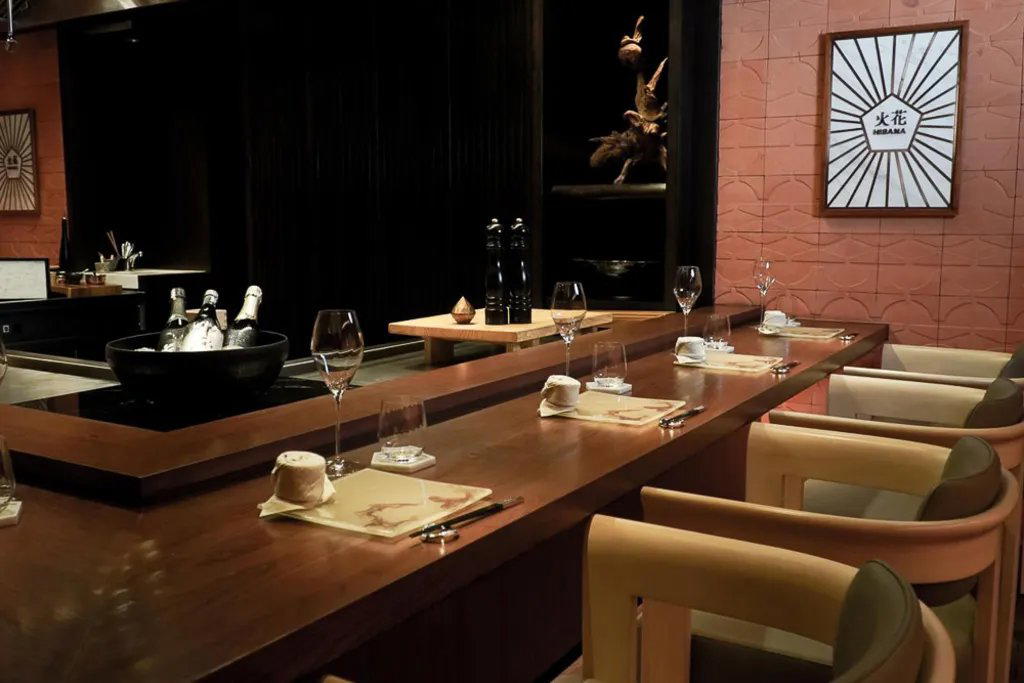
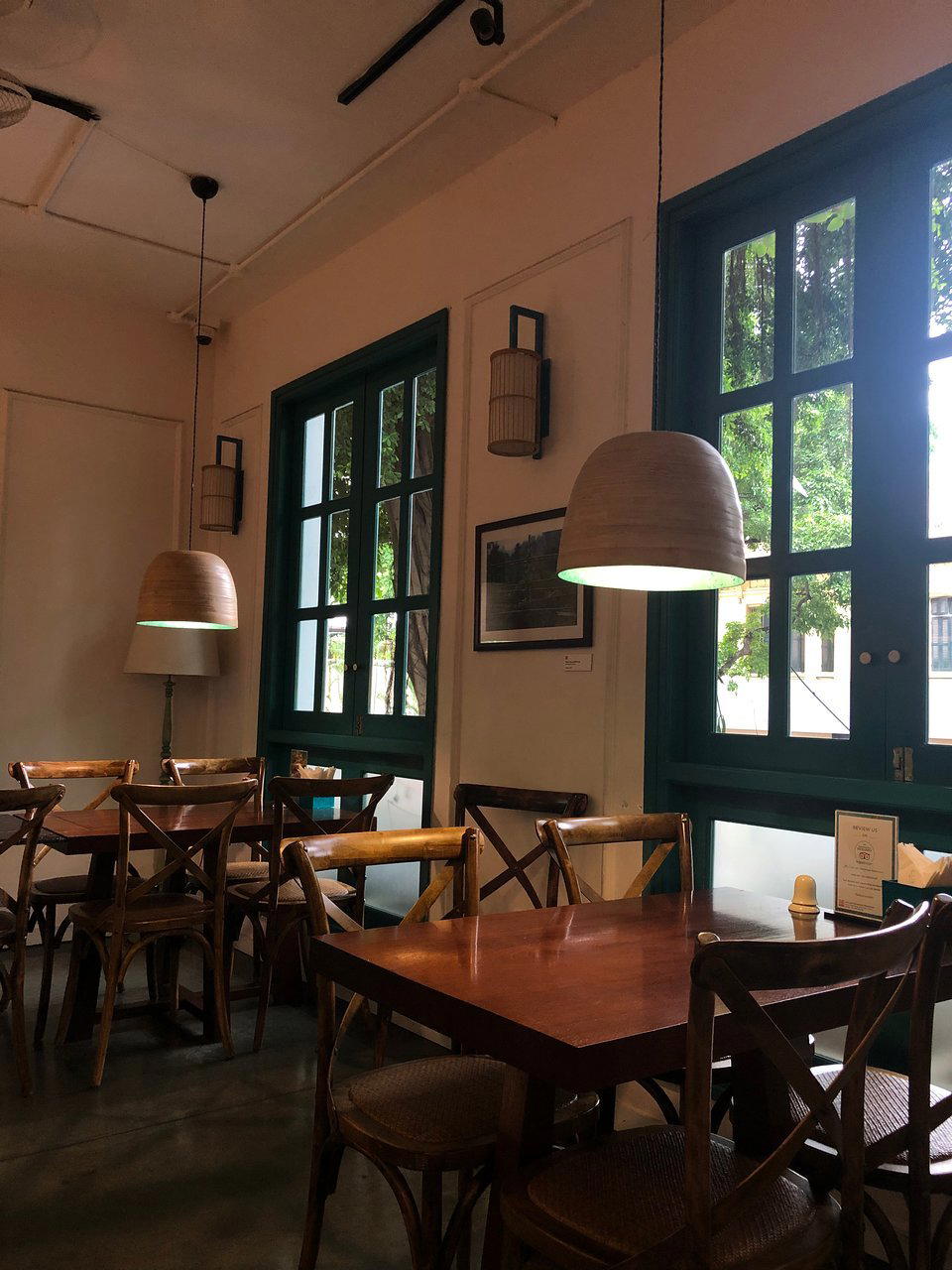
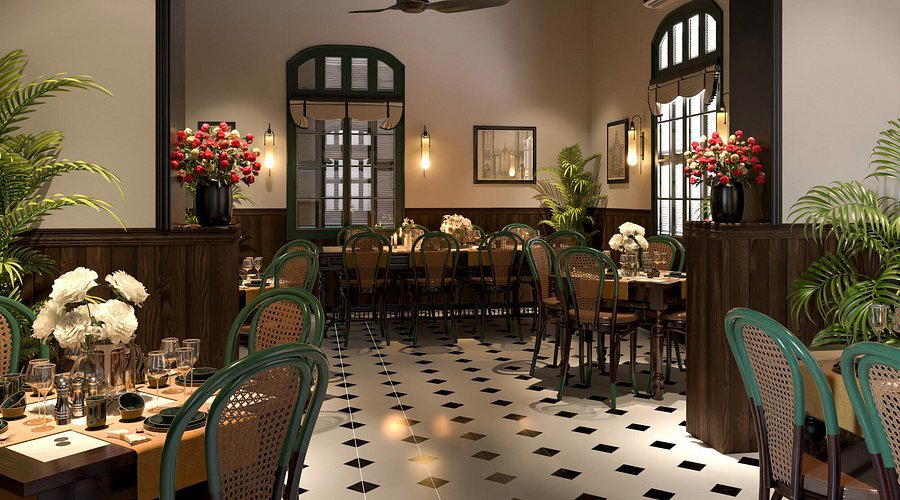
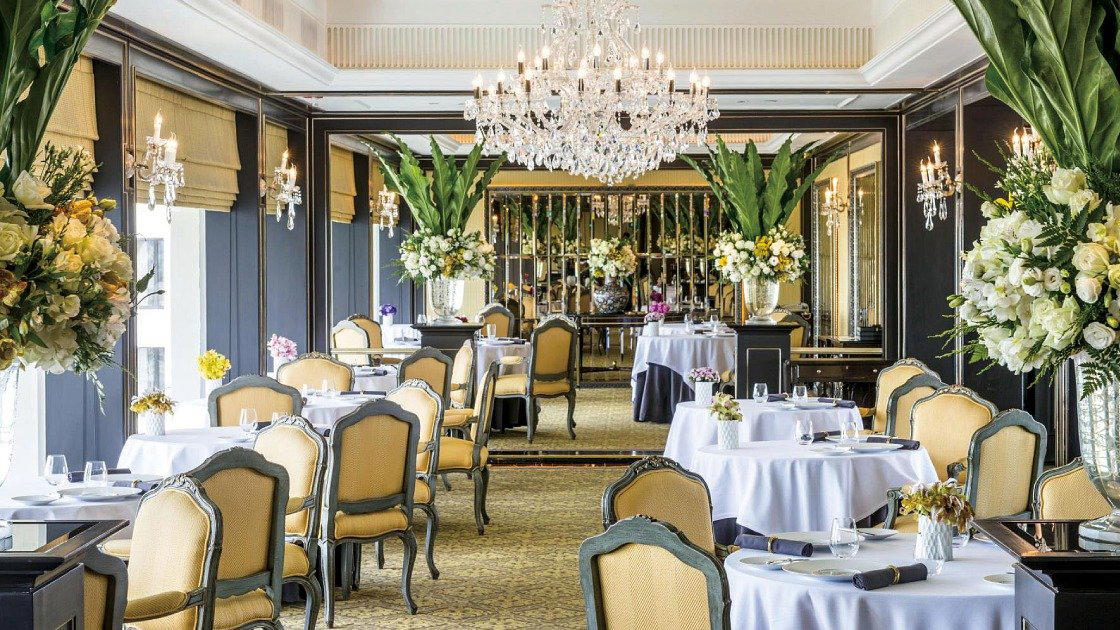
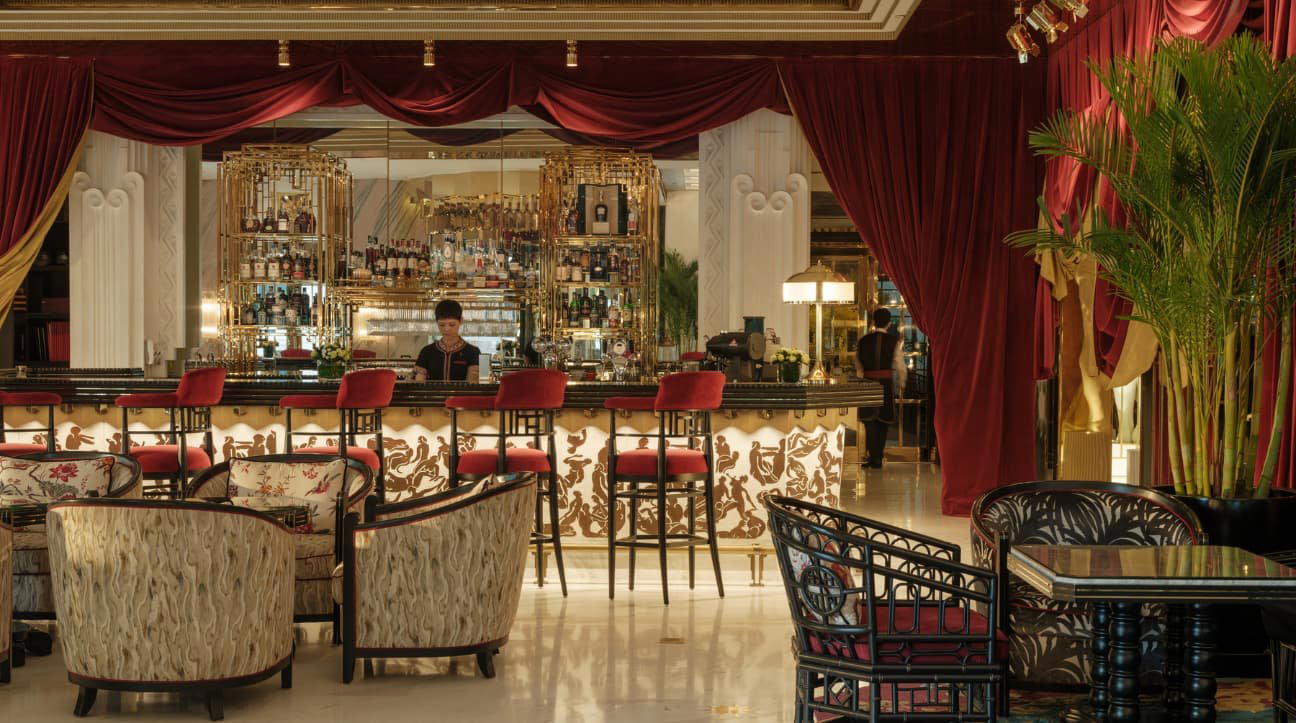
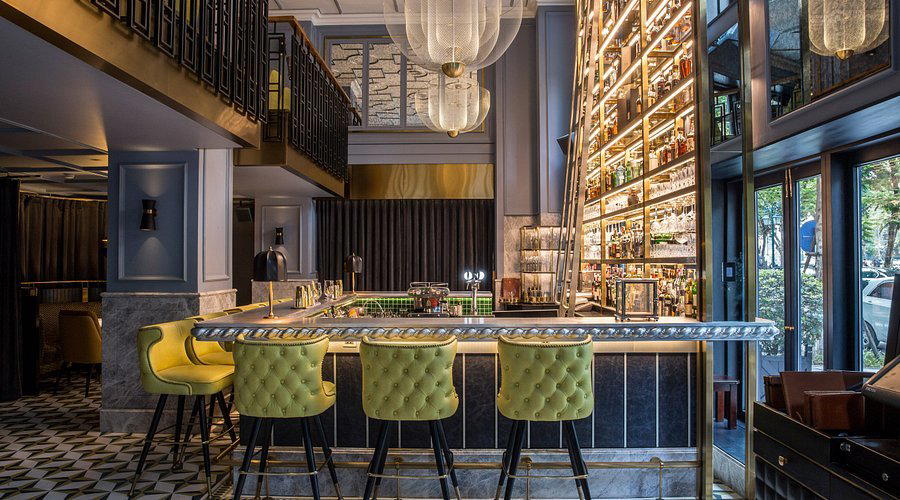
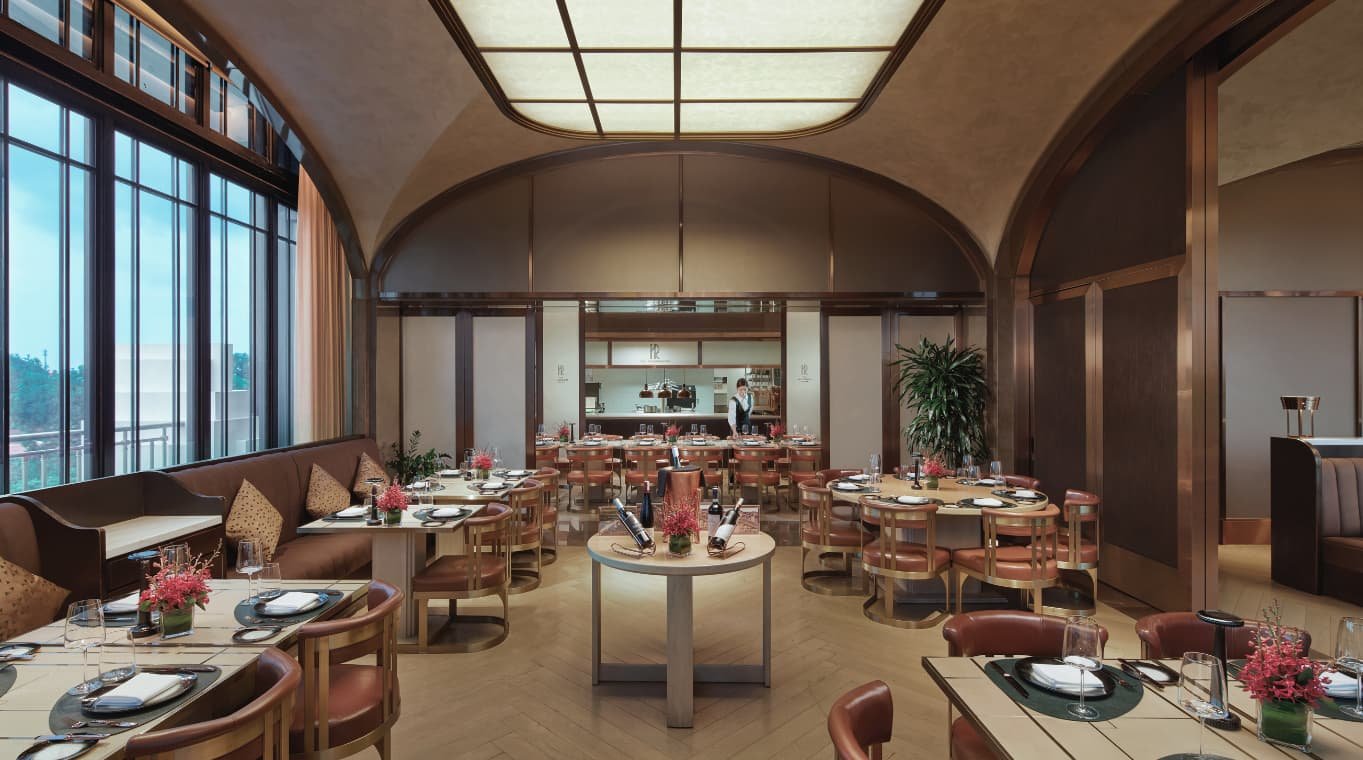
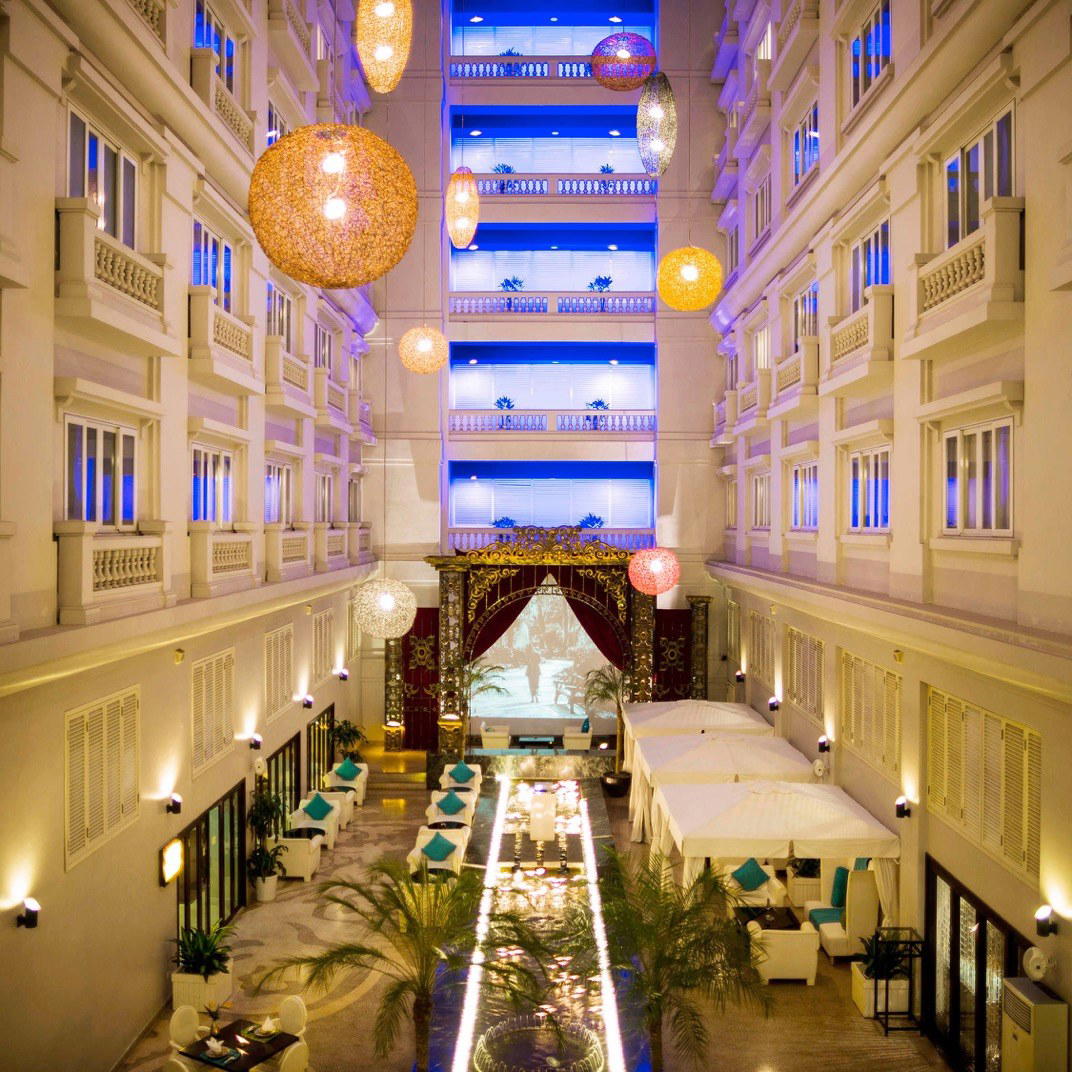
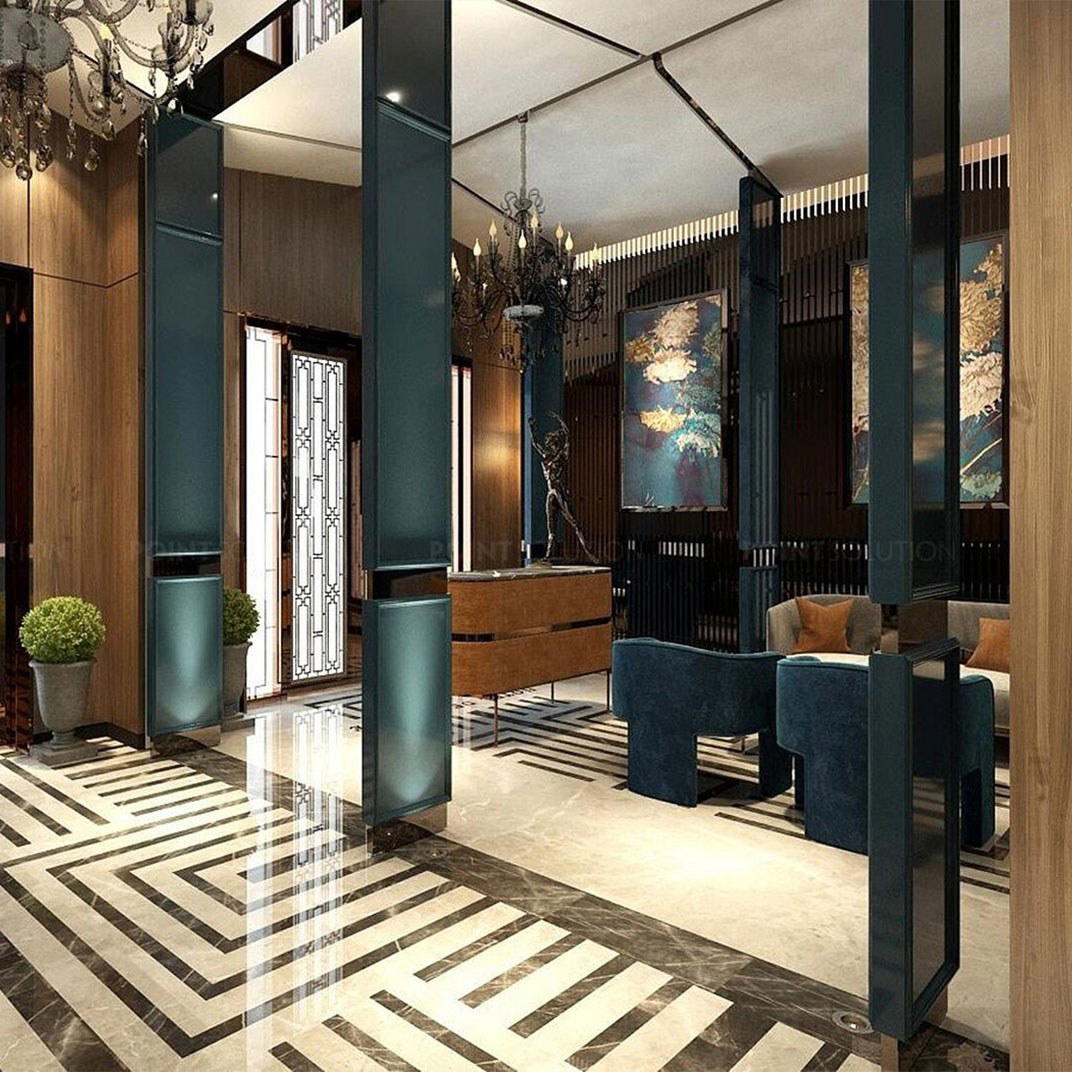
Ornate and glitzy decor resembling a prohibition nightclub with dramatic, maximalist style, stylish and polished lighting creating a glamorous, fine dining atmosphere.