ST25 by KOTO


ST25 by KOTO holds a 2025 Michelin Plate and sits at the mid-price tier of Ho Chi Minh City's contemporary Vietnamese dining scene, distinguishing itself through an eight-course tasting format that draws on regional technique while training disadvantaged youth through the Know One Teach One programme. Wooden interiors, yellow walls, and live appetiser stations create a format that is social rather than ceremonial, with cocktails built on ST25 rice wine reinforcing the ingredient focus throughout.
Pearl is the En Primeur Club membership app — saves, bookings, and concierge access live there. Same editors, same standards.
- Address
- Lê Duẩn/17 Ward, Bến Nghé, Quận 1, Thành phố Hồ Chí Minh 700000, Vietnam
- Phone
- +84 28 3824 1555
- Website
- sofitel-saigon-plaza.com
- Directions
- Get directions
 Saves & bookings on Pearl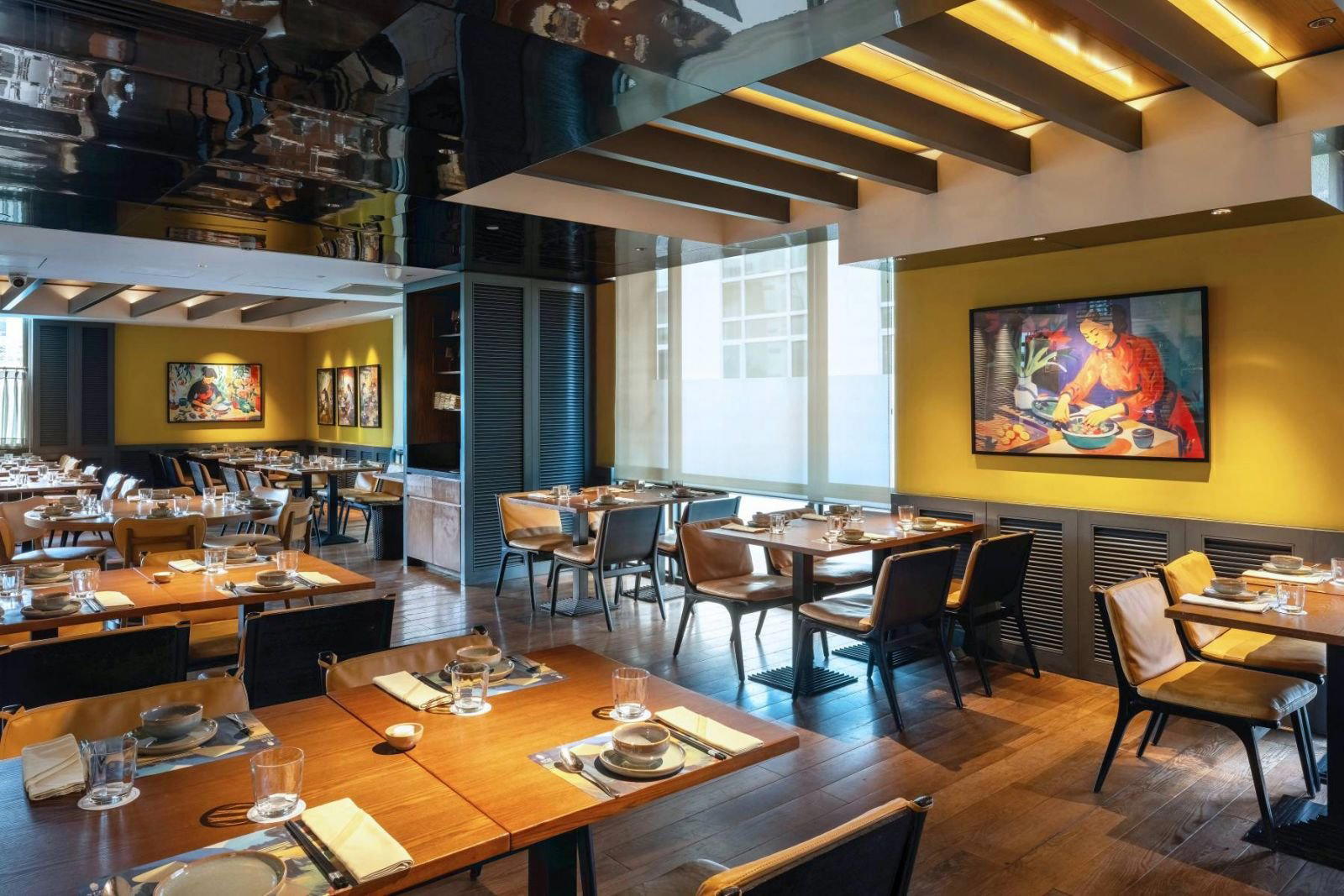
Where Social Purpose Meets Regional Technique
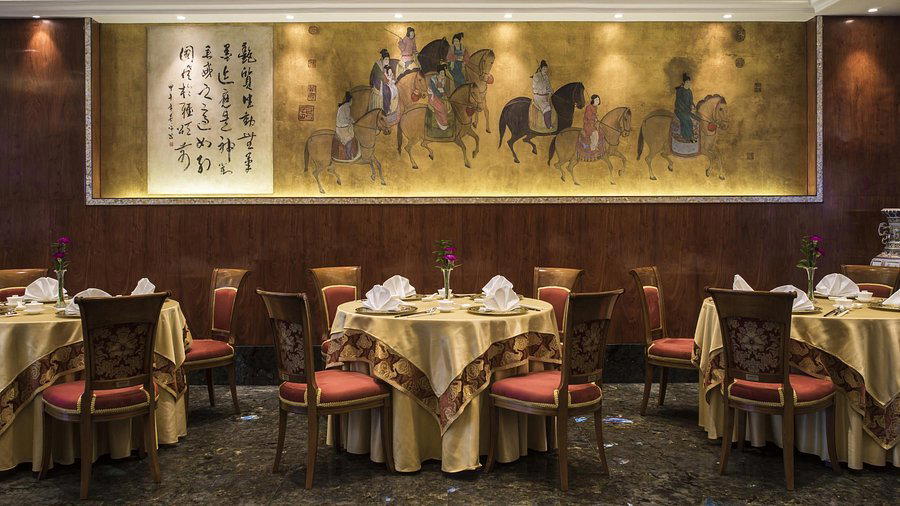
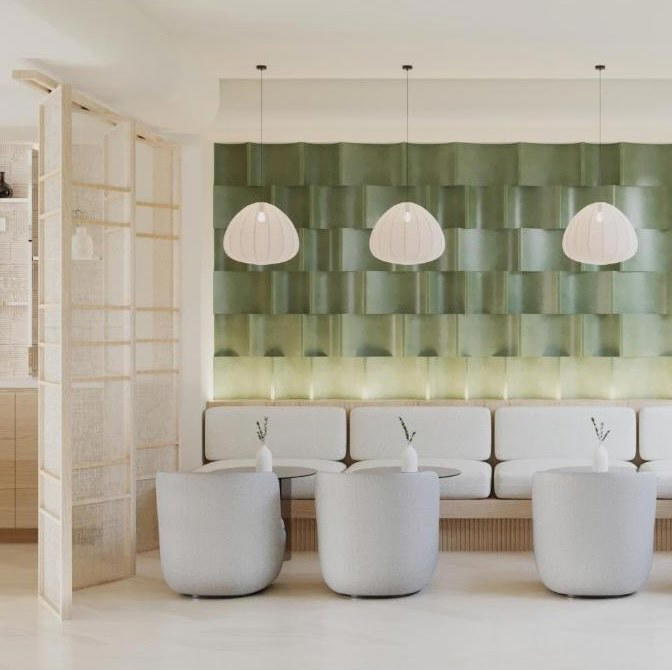
On Lê Duẩn in District 1, the entrance to ST25 by KOTO is marked by warm yellow walls visible through the doorway, a palette that sets a different register from the monochrome neutrals favoured by most of Ho Chi Minh City's contemporary fine-dining addresses. Inside, the wooden interiors absorb noise and soften the space, and live cooking stations near the appetiser section introduce movement and smell before the tasting sequence begins. The room signals that the experience will be participatory rather than distant, which is both an aesthetic choice and a structural reflection of the Know One Teach One model that funds and animates everything happening in the kitchen and on the floor.
The Know One Teach One Tradition in a Fine-Dining Frame
Social enterprise restaurants occupy a recognisable tier in Asian fine dining, but the quality of the output varies widely. In cities like Hanoi and Singapore, the strongest programmes succeed precisely when the training mission does not lower the ceiling on food quality, when the educational structure becomes invisible to the guest and only surfaces as contextual information. ST25 by KOTO operates in that category. The staff service at the table is the direct output of the KOTO programme, which trains young people from disadvantaged backgrounds in hospitality and culinary skills. A Michelin Plate recognition in 2025 signals that the food meets a threshold the inspectors considered guide-worthy.
For context, Ho Chi Minh City's contemporary Vietnamese scene has developed a two-speed structure. At one end, addresses like Bờm and Little Bear operate at mid-range price points with casual formats. At the other, Madame Lam and Tre Dining push into higher tasting-menu territory. ST25 by KOTO occupies an interesting position in the middle, where the ₫₫ pricing suggests accessibility but the eight-course format and Michelin recognition point to a kitchen operating above casual expectations. For comparison, Akuna works the innovative end of the city's market at a higher price tier; ST25 by KOTO is the more socially inflected counterpart in the contemporary regional space.
ST25 Rice as a Cultural Anchor
Vietnamese contemporary dining across the country has increasingly turned to ingredient provenance as its primary point of differentiation. The clearest expression of this at the restaurant is the use of ST25 rice, a variety that has attracted international attention as among the more aromatic long-grain rices in the world. The rice appears in two registers: as the base for a roasted chicken course within the eight-course tasting, and as the foundation for the house rice wine used in signature cocktails. This dual deployment is deliberate. In Vietnamese food culture, rice is not simply a starch but a reference point for quality, terroir, and regional identity, comparable in cultural weight to how wine functions in French gastronomic traditions. Anchoring both the food and the drinks programme around the same ingredient creates a coherence that is more substantive than branding; it maps the meal to a specific agricultural and cultural origin.
The eight-course tasting sequence reflects a broader trend in contemporary Vietnamese fine dining, where chefs across Hanoi and Ho Chi Minh City are reconstructing regional dishes through French-influenced plating and pacing while retaining Vietnamese ingredient logic. The crispy Wagyu spring roll sits within that tradition, a dish format that is immediately legible as Vietnamese but refined in protein sourcing in a way that signals fine-dining intent. Similar moves appear at Gia in Hanoi and Backstage, where the recasting of street-food archetypes through premium ingredients has become a core vocabulary of the contemporary Vietnamese genre. In Da Nang, Nén Danang applies comparable logic to central Vietnamese flavours. The approach at the restaurant is consistent with this national pattern, though the rice focus gives the menu a more specific geographic tether than many competitors.
The Cocktail Programme as an Extension of the Pantry
A drinks programme built on a single house ingredient is a deliberate editorial choice in any restaurant context. Here, the ST25 rice wine as a cocktail base does more than offer novelty: it keeps the drinks aligned with the food logic and provides a through-line for guests who want to experience the ingredient across multiple formats in a single sitting. Rice wine cocktails are not a new concept in Vietnamese dining, Hanoi venues like Lamai Garden and Senté have explored fermented and distilled local spirits as cocktail bases, but the integration of rice wine with the eponymous house grain creates a tighter conceptual link than most. The result is a drinks list that functions as an argument for the ingredient rather than a parallel programme that happens to sit alongside the food.
Where ST25 by KOTO Fits in the Broader Vietnam Scene
Vietnam's fine-dining circuit now spans three cities with distinct characters. In Hanoi, tasting-menu restaurants tend toward the cerebral and structurally precise, as seen at Hibana by Koki. In Da Nang, La Maison 1888 represents the French-Vietnamese heritage end of the market. Ho Chi Minh City, by contrast, has developed a more commercially energetic scene where social enterprise models, international ingredient sourcing, and accessible price points coexist with genuine technical ambition. The restaurant represents that combination clearly: the ₫₫ price point, the Michelin Plate, and the KOTO training mission are all coherent parts of a single offering rather than competing signals. The contemporary Vietnamese genre has also crossed borders, Nénu in Saint-Gilles demonstrates how Vietnamese culinary traditions are being reinterpreted in diaspora contexts, but within Vietnam, the genre's most interesting work is happening in exactly the mid-tier range where the restaurant operates.
Planning Your Visit
The restaurant sits on Lê Duẩn in Bến Nghé, District 1, placing it within walking distance of the central hotel corridor and easily reachable from the Ben Thanh area. The ₫₫ price tier makes it one of the more accessible Michelin-recognised tasting experiences in the city; guests who want a longer evening in the neighbourhood can consult our full Ho Chi Minh City restaurants guide for pre- or post-dinner options. Those planning broader itineraries should also review our Ho Chi Minh City hotels guide, our bars guide, and our experiences guide.
What Dish Is ST25 by KOTO Famous For?
The venue is most associated with its roasted chicken served with fragrant ST25 rice, which anchors the eight-course tasting menu and places the house grain at the centre of the meal in its most direct form. The crispy Wagyu spring roll is the other frequently cited course, drawing on a classic Vietnamese format with premium protein, a pairing that summarises the kitchen's approach across both the food and the broader mission.
A Lean Comparison
Comparable venues nearby, for context on price, style, and recognition.
| Venue | Cuisine | Price | Notes |
|---|---|---|---|
| ST25 by KOTOThis venue — the venue you are viewing | Vietnamese Contemporary | $$$ | Not listed |
| Madame Lam | Not listed | $$$ | Quan 2, Modern Vietnamese Contemporary Cuisine |
| Hoi An Sense | Not listed | $$$ | Quan 1, Central Vietnamese Fine Dining |
| Rice Field | Not listed | $$ | Quan 1, Authentic Vietnamese Home-Style |
| Stoker (District 1) | Not listed | $$$ | Quan 1, Wood-Fired Steakhouse |
| Phở Hùng (District 1) | Not listed | $ | Quan 1, Traditional Vietnamese Beef Pho |
Recognition history
Dated appearances from independent guides and award organizations, with the underlying list record or original source where available.
Michelin Plate
Michelin
Michelin Plate
Michelin
Tatler Listed in Best Restaurants Asia-Pacific
Tatler
Tatler Best 20 Vietnam
Tatler
Continue exploring
More in Ho Chi Minh City
Restaurants in Ho Chi Minh City
Browse all →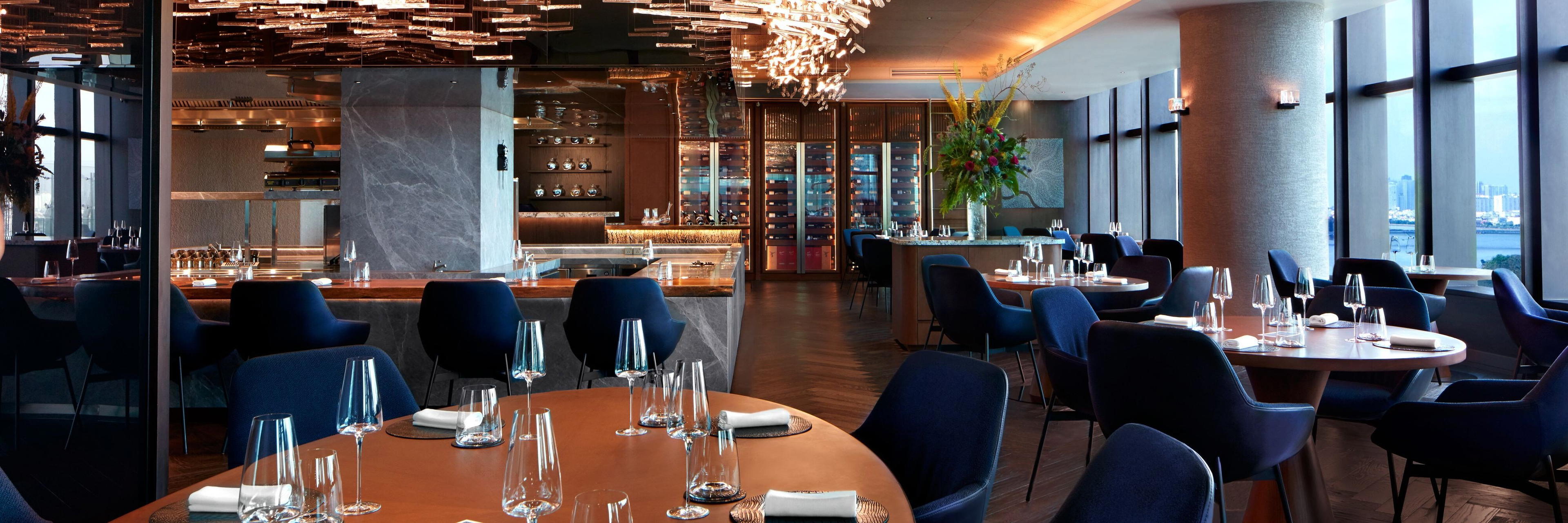
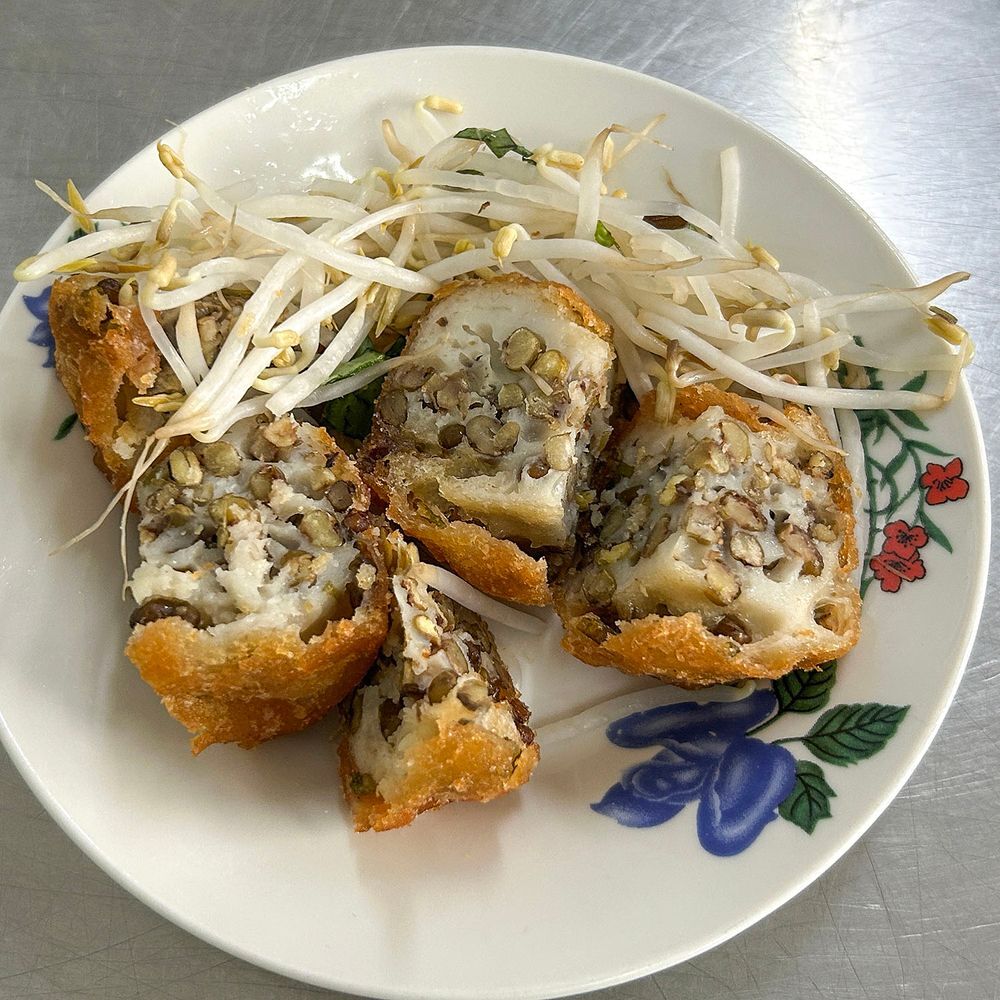
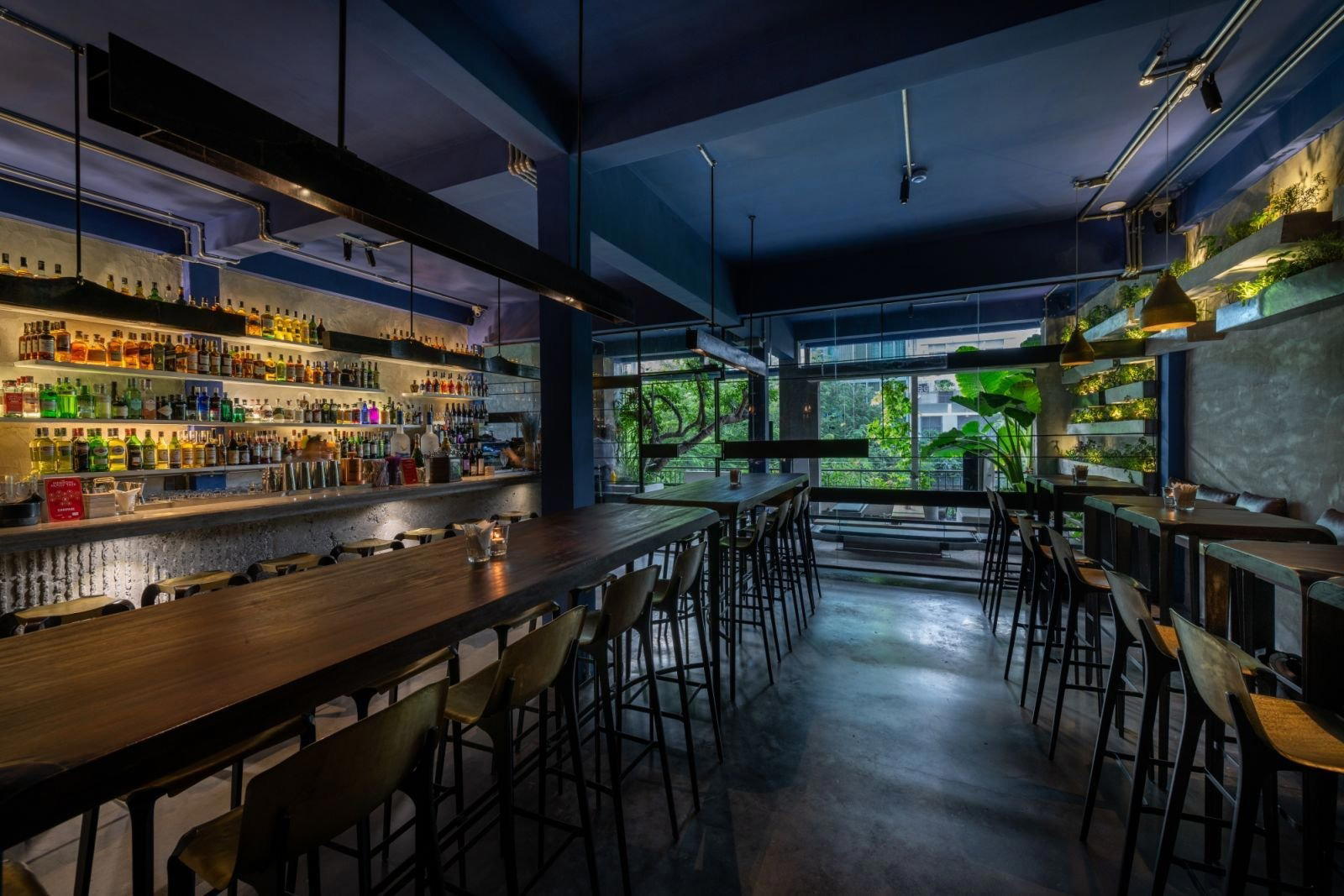
Bars in Ho Chi Minh City
Browse all →
At a Glance
- Modern
- Cozy
- Elegant
- Trendy
- Date Night
- Family
- Business Dinner
- Special Occasion
- Open Kitchen
- Hotel Restaurant
- Craft Cocktails
- Sake Program
- Local Sourcing
Current opening hours
- Monday
- 6–11 PM
- Tuesday
- 6–11 PM
- Wednesday
- 6–11 PM
- Thursday
- 6–11 PM
- Friday
- 6–11 PM
- Saturday
- 6–11 PM
- Sunday
- 6–11 PM
Hours can change for holidays and private events. Last verified .
Bright space with warm decor, live cooking stations, cozy and relaxed mixing modern elegance with traditional elements.