Madame Lam
.png)
Set in Thảo Điền beneath Indochine-Art Deco interiors, Madame Lam presents modern Vietnamese cooking rooted in the central region's culinary traditions. The menu balances refinement with restraint, earning a Michelin Plate in 2024. At the ₫₫ price point, it sits in a tier that rewards curious diners who want considered Vietnamese cooking without the formality of a full tasting format.
 Discover on Pearl
Pearl is the En Primeur Club membership app — saves, bookings, and concierge access live there. Same editors, same standards.
- Address
- 10 Trần Ngọc Diện, Thảo Điền, Thủ Đức, Thành phố Hồ Chí Minh 700000, Vietnam
- Phone
- +84 703 226 262
- Website
- madamelam.com
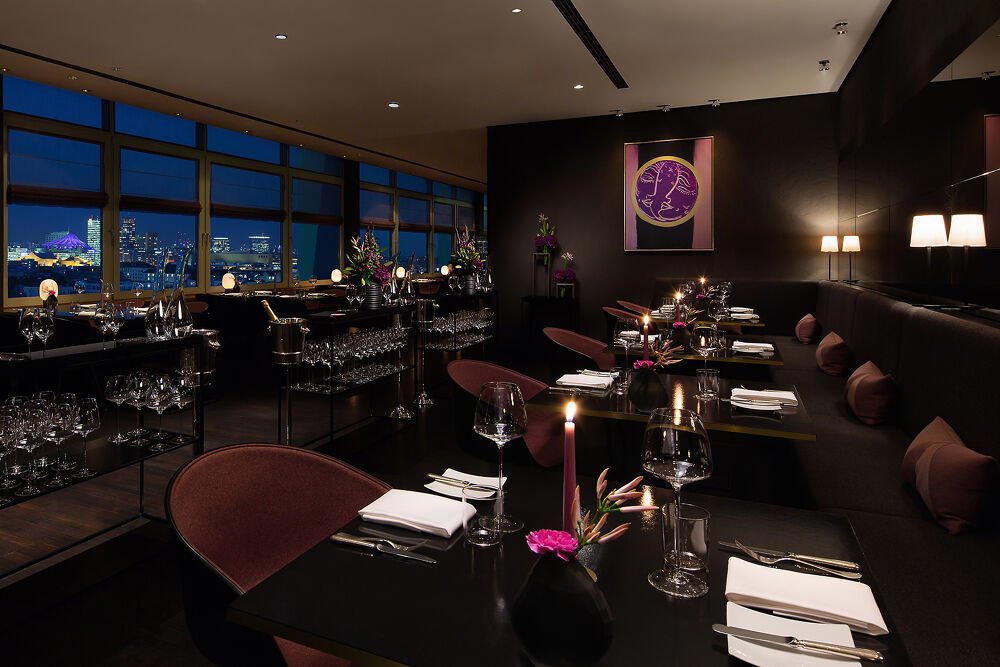
Where Thảo Điền Meets Central Vietnam
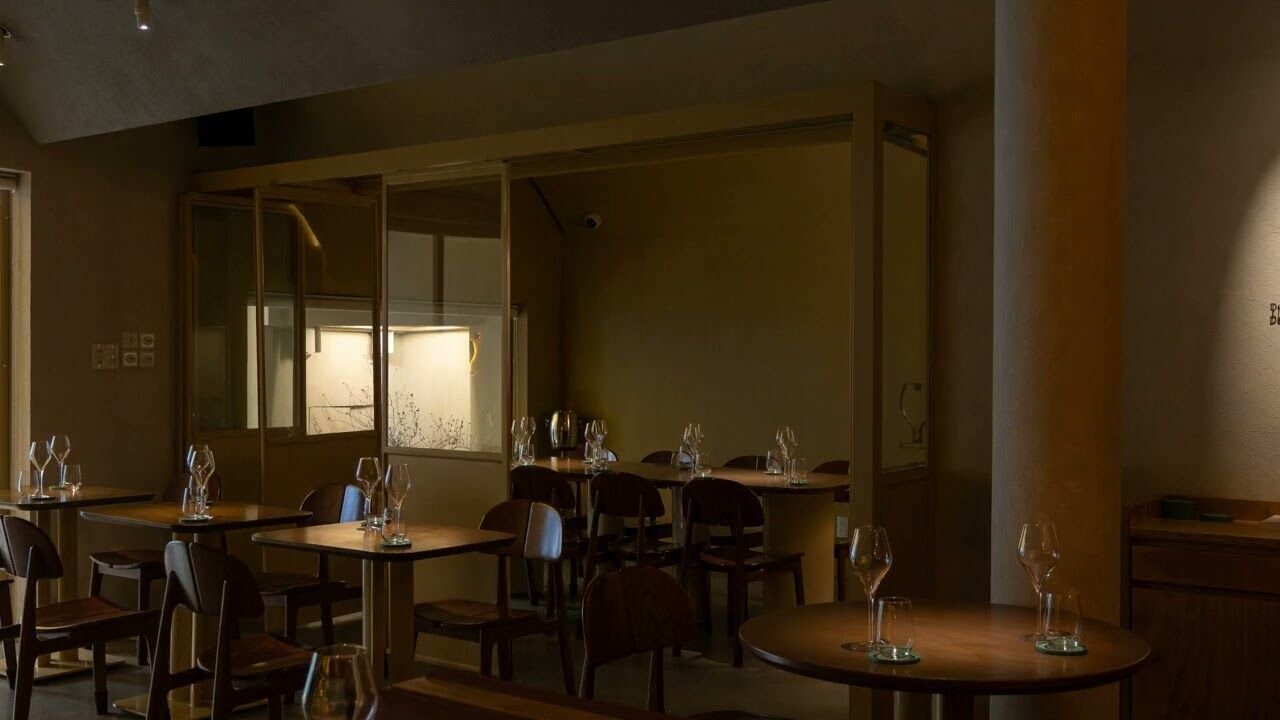
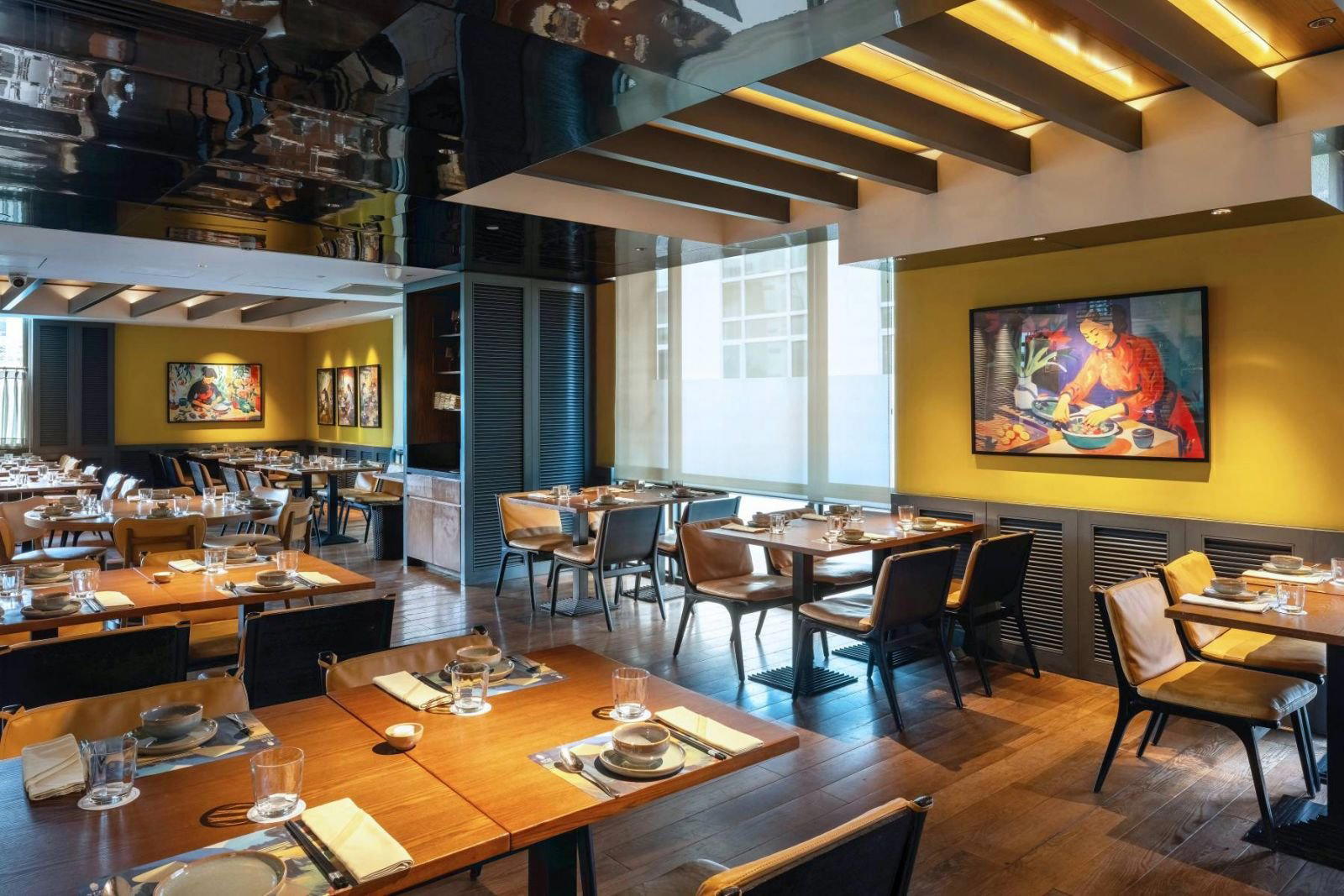
Madame Lam is a restaurant in Thảo Điền, Ho Chi Minh City, serving modern Vietnamese contemporary cuisine, with a Michelin Plate in 2024. The dining room at Madame Lam is designed to do something specific: slow you down. Indochine-Art Deco details, a framework that draws from French colonial aesthetics filtered through a Southeast Asian sensibility, create a room that feels considered rather than rushed. On Trần Ngọc Diện, a street in the Thảo Điền quarter of Thủ Đức, the setting already signals a particular kind of address. Thảo Điền has developed over the past decade into Ho Chi Minh City's most internationally comfortable neighbourhood, with a dining scene that ranges from casual street-plate counters to restaurants with serious ambitions. Madame Lam occupies the latter category while maintaining a tempo, what the Michelin team described as a laid-back ambience, that separates it from the more performance-oriented end of the contemporary Vietnamese tier.
The Culinary Case for Central Vietnam
Contemporary Vietnamese restaurants in Ho Chi Minh City tend to anchor their menus in southern traditions: the sweeter broths, the abundant fresh herbs, the Mekong-delta produce that defines much of the city's street-food vocabulary. Central Vietnamese cooking works from a different register. The food of Huế and the surrounding provinces is historically associated with the Vietnamese imperial court, producing a cuisine that prizes complexity, precision, and the careful layering of flavour rather than the generosity-first approach of the south. Fermented shrimp paste, pronounced spice, and an economy of presentation mark the tradition. Restaurants that draw on this lineage are a smaller cohort within Ho Chi Minh City's contemporary dining scene, which makes the editorial decision at Madame Lam, to foreground the chef's central-region upbringing, a meaningful differentiator rather than a marketing choice.
This matters in the context of how Vietnamese contemporary dining has evolved nationally. Across the country, restaurants such as Gia in Hanoi, Backstage in Hanoi, and Nén Danang in Da Nang have each staked a regional argument: that Vietnamese cooking is not a single tradition but a collection of distinct culinary geographies that deserve individual treatment. Madame Lam makes the same argument from a Ho Chi Minh City address, which gives it a particular relevance for diners who arrive from elsewhere in Vietnam or who want to understand the country's food culture at a wider scale.
The Menu: Refinement Without Distance
A Michelin Plate indicates a restaurant where inspectors found cooking of a good standard, above the everyday, below the star threshold. In practical terms, this means the kitchen is operating with consistency and intent, and that the traditional dishes receiving a refined and creative touch (as the Michelin citation frames it) are not decorative gestures but functional expressions of a culinary point of view.
Two dishes mentioned in the Michelin citation give a useful sense of the menu's range. The bao ngư nướng mỡ hành, grilled abalone with spring onion oil and fish sauce, represents the kind of ingredient that appears across Vietnamese coastal cooking but rarely in a contemporary presentation context. Abalone is a premium product, and its presence at the ₫₫ price tier signals that the kitchen is making considered sourcing choices rather than simply repricing traditional dishes. The kem chuối nước cốt dừa, a banana ice cream with coconut rice and crushed peanuts, closes the meal with a register that is recognisably Vietnamese in its building blocks, banana, coconut, peanut are foundational to the country's dessert tradition, while the construction suggests a kitchen thinking about texture and temperature rather than simply reproducing a familiar format.
Bờm and Little Bear occupy adjacent territory within the city's more casual contemporary tier, while ST25 by KOTO approaches Vietnamese cooking from a social-enterprise angle at a comparable price. Tre Dining and Akuna move toward the innovative end of the spectrum at higher price points. Madame Lam sits between these poles: more regionally specific than most casual Vietnamese contemporaries, less format-driven than the tasting-menu tier.
Thảo Điền in Context
The address on Trần Ngọc Diện places Madame Lam within a neighbourhood that has become Ho Chi Minh City's most legible dining destination for internationally oriented visitors. Thảo Điền, technically in Thủ Đức City (administratively merged from District 2 in 2021), has developed a restaurant density that rivals the historic centre while operating at a remove from it. The streets around this quarter carry a mix of long-established expat-facing operations and newer Vietnamese-run projects with clear culinary ambitions. Madame Lam's Indochine-Art Deco interiors read fluently in this environment, where design-conscious dining rooms have become a neighbourhood norm rather than an exception.
Lamai Garden in Hanoi, Senté in Hanoi, and La Maison 1888 in Da Nang represent the range of approaches the category has produced across Vietnam's three major dining cities. Hibana by Koki in Hanoi illustrates how international fine-dining formats have also embedded themselves alongside local contemporary operations. The Vietnamese contemporary category is, in short, a competitive and geographically dispersed one, and restaurants that articulate a specific regional voice, as Madame Lam does through its central-region anchoring, tend to hold more durable interest than those offering a generalised modern Vietnamese framework.
Planning Your Visit
Madame Lam is located at 10 Trần Ngọc Diện in the Thảo Điền quarter, accessible from central Ho Chi Minh City by taxi or ride-share in roughly twenty to thirty minutes depending on traffic, which in this city is a variable worth accounting for when timing a dinner reservation. The ₫₫ price range makes it accessible relative to the Michelin-recognised tier, and the Google review average of 4.8 across 1,264 ratings indicates a consistent guest experience. Booking in advance is advisable, particularly for evenings and weekends, given the restaurant's recognition.
- Bao ngư nướng mỡ hành (grilled abalone with spring onion oil)
- Kem chuối nước cốt dừa (banana ice cream with coconut rice)
- Bo Luc Lac (shaking beef with mango)
- River eel with cassava mash and basil pesto
- Soft shell crab
- Dragon fruit salad with pomelo, shrimp and pork
Awards and Standing
Comparable venues nearby, for context on price, style, and recognition.
| Venue | Cuisine | Price | Awards | Notes |
|---|---|---|---|---|
| Madame LamThis venue — the venue you are viewing | Vietnamese Contemporary | ₫₫ | ||
| Anan Saigon | Vietnamese Street Food | Michelin 1 Star | ₫₫ | |
| CieL | Innovative | Michelin 1 Star | ₫₫₫₫ | |
| Coco Dining | Innovative | Michelin 1 Star | ₫₫₫ | |
| Long Trieu | Cantonese | Michelin 1 Star | ₫₫₫₫ | |
| Bánh Xèo 46A | Vietnamese | ₫ |
Continue exploring
More in Ho Chi Minh City
Restaurants in Ho Chi Minh City
Browse all →
Bars in Ho Chi Minh City
Browse all →

At a Glance
- Elegant
- Intimate
- Sophisticated
- Cozy
- Date Night
- Business Dinner
- Special Occasion
- Family
- Celebration
- Open Kitchen
- Terrace
- Private Dining
- Craft Cocktails
- Local Sourcing
- Farm To Table
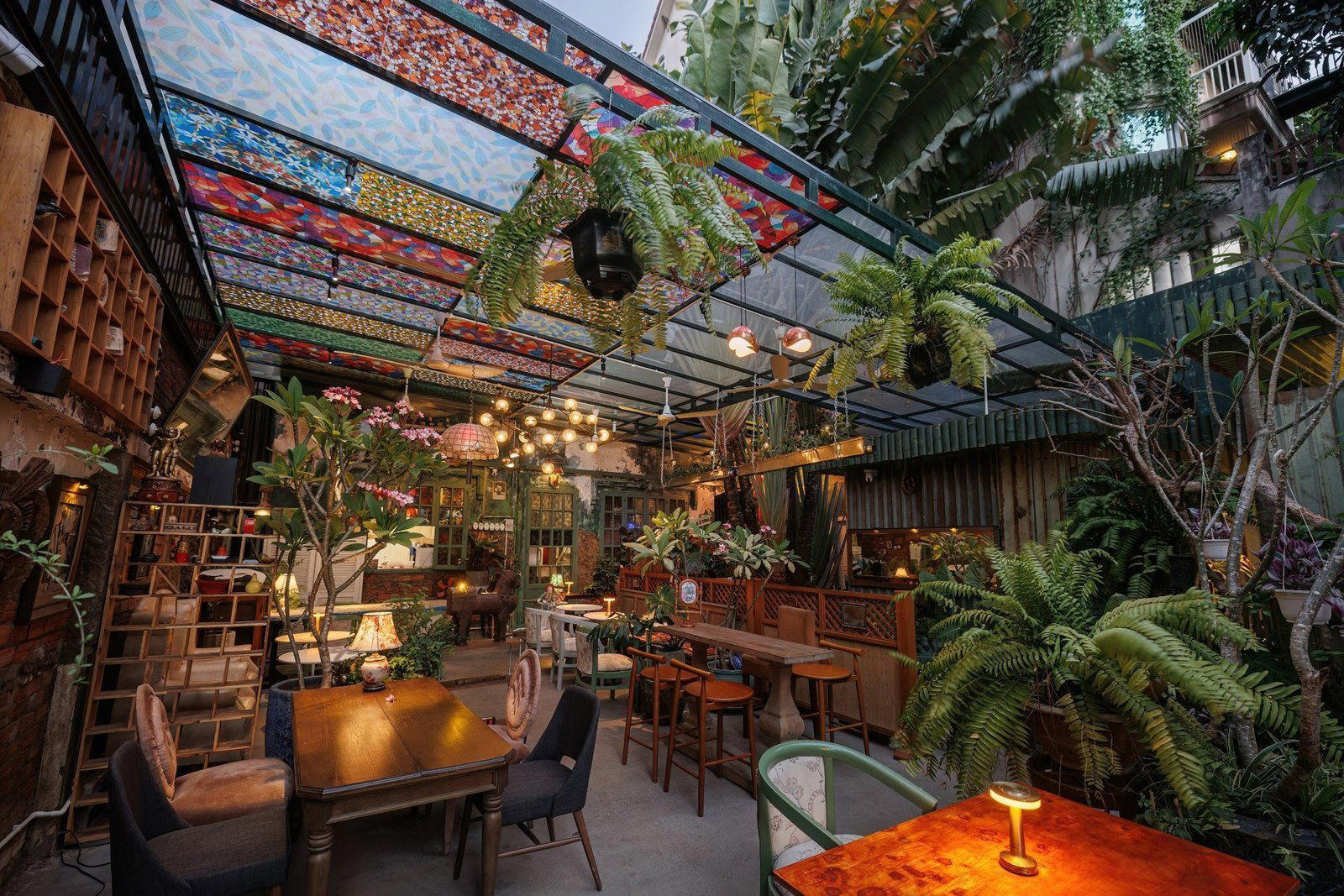
Warm, inviting, and elegantly decorated with Indochina-inspired design featuring hanging brass lights and stylish Vietnamese decor; sophisticated yet laid-back atmosphere with fresh, clean air and comfortable spacing.
- Bao ngư nướng mỡ hành (grilled abalone with spring onion oil)
- Kem chuối nước cốt dừa (banana ice cream with coconut rice)
- Bo Luc Lac (shaking beef with mango)
- River eel with cassava mash and basil pesto
- Soft shell crab
- Dragon fruit salad with pomelo, shrimp and pork