Tre Dining

A Michelin Plate-recognised address in Thảo Điền, Tre Dining applies contemporary technique to Vietnamese ingredients within a residential neighbourhood that has become one of Ho Chi Minh City's more considered dining pockets. For visitors mapping the city's Vietnamese contemporary scene, it belongs on the itinerary.
Pearl is the En Primeur Club membership app — saves, bookings, and concierge access live there. Same editors, same standards.
- Address
- 35 Xuân Thủy, Thảo Điền, Thủ Đức, Thành phố Hồ Chí Minh 70000, Vietnam
- Phone
- +84 949 848 696
- Website
- tre-dining.com
- Directions
- Get directions
 Saves & bookings on Pearl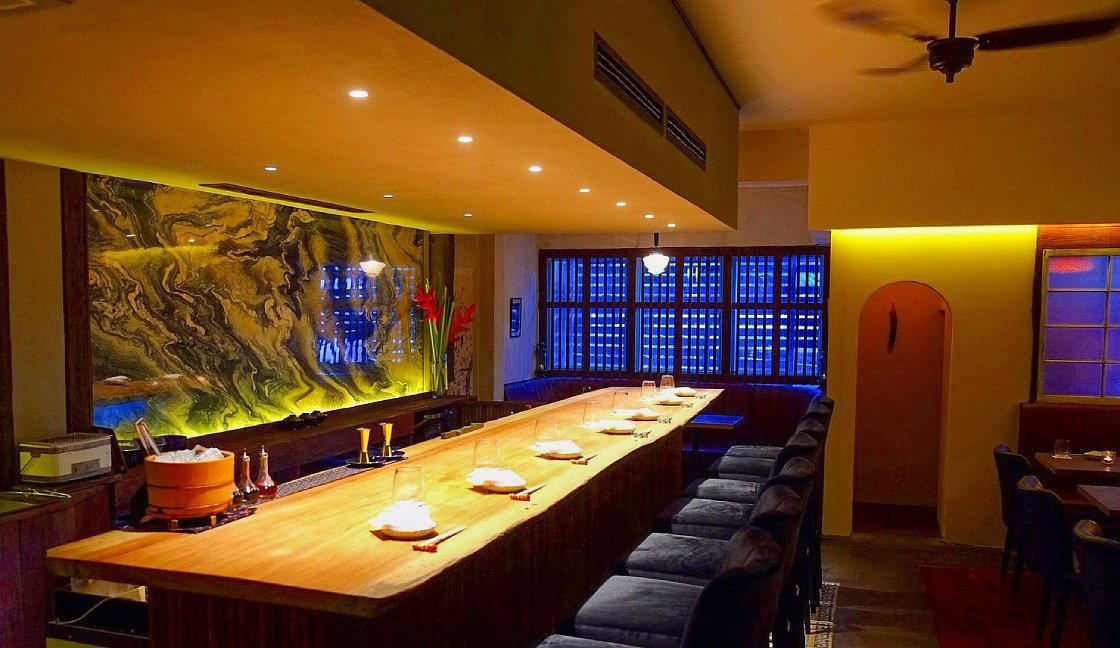
Thảo Điền and the Shift in Ho Chi Minh City's Dining Geography
Thảo Điền, the leafy residential district that spills across Thủ Đức, has spent the last decade accumulating serious restaurants in spaces that bear no resemblance to the loud, neon-lit corridors of District 1. The trade-off is intentional: less foot traffic, more neighbourhood loyalty, a clientele that is mostly there on purpose. Restaurants that root themselves here tend to be cooking for repeat guests rather than first-night tourists, and the food often reflects that orientation, less performance, more precision.
Tre Dining sits inside this geography, on a street where the pace slows noticeably compared to the central districts. Approaching the restaurant, the environment reads more like the residential quieter end of a city that often overwhelms with its noise than a conventional dining destination. That contrast, the deliberate remove from the city's core energy, sets expectations for what follows inside.
Vietnamese Contemporary as a Formal Proposition
The Vietnamese contemporary category has matured considerably across the country's main dining cities. Where early iterations of the format leaned heavily on fusion gestures, French technique applied to local ingredients with varying degrees of coherence, the more credible addresses now work from a different premise: Vietnamese cuisine as a sufficient foundation, with refinement applied from within rather than imported wholesale from elsewhere. In Ho Chi Minh City, that distinction separates a handful of kitchens from a much larger group of restaurants that dress up familiar flavours in modern plating without advancing the underlying logic.
Tre Dining's Michelin Plate recognition in 2024 places it in a tier Michelin uses for restaurants worth a stop. At an estimated $60 per person, it sits below the city's upper-end contemporary tables, which makes the Michelin signal more interesting, as this is a kitchen receiving external recognition while operating at a lower price point. For context, particularly ambitious Vietnamese contemporary formats in Ho Chi Minh City tend to price at ₫₫₫ and above; Akuna (Innovative) and the ₫₫₫₫ tier represented by CieL sit in a substantially higher bracket.
Reading the Meal as a Sequence
The editorial angle most useful for understanding Tre Dining is not any single dish but the arc of a meal, how the kitchen structures an experience across courses. Vietnamese contemporary at its most coherent treats the progression as intentional: brightness and freshness in early courses, deeper, richer flavours building through the middle, and a close that avoids the European-derived convention of landing on a heavy sweet note.
The restaurant's name, referencing bamboo (tre), signals something about the culinary orientation, materials sourced from the land, processed with attention rather than transformed beyond recognition. At kitchens operating in this mode, the early courses tend to establish the kitchen's commitment to Vietnamese herbs, light acids, and textural contrast; the middle stages often bring proteins treated with longer cooking methods or fermented elements that read as specifically Vietnamese rather than borrowed; the closing stages, in the better examples, circle back to familiar flavour memories in a refined register. Whether the restaurant follows this arc precisely can only be confirmed by the guest experience, but the category logic holds: the meal is the argument, and each course is a point in that argument.
7 across 442 reviews represents a meaningful sample for a restaurant at this price point in a neighbourhood that does not draw casual walk-in traffic. That volume and consistency of positive response is worth noting for a restaurant that relies on return visits and genuine recommendation rather than tourist footfall.
comparable set and Position in the City
Mapping the restaurant against its comparable set sharpens the picture. In the Vietnamese contemporary tier in Ho Chi Minh City, the field includes addresses that range from casual street-food reinterpretation to high-concept tasting menus. Bờm and Little Bear occupy different ends of the approachability spectrum; Madame Lam brings a distinct historical register to southern Vietnamese cooking; ST25 by KOTO anchors around rice culture specifically.
Across Vietnam more broadly, the Vietnamese contemporary format has produced some of the country's most recognised restaurants. Gia and Backstage in Hanoi, along with Lamai Garden and Senté (Nguyen Quang Bich Street), represent how the northern capital has developed its own version of the form. In Da Nang, Nén Danang and La Maison 1888 anchor a smaller but growing fine-dining scene, while Hibana by Koki in Hanoi demonstrates how international influence can be absorbed without displacing the Vietnamese base. Even internationally, Nénu in Saint-Gilles shows how the format travels.
Within that wider picture, the restaurant's specific contribution is a Michelin-recognised kitchen at mid-range pricing in a neighbourhood that rewards intentional dining over impulsive discovery. That is a credible position in a competitive field.
Planning Your Visit
The restaurant is located at 35 Xuân Thủy in Thảo Điền, Thủ Đức, a district that sits east of the Saigon River from Districts 1 and 3. The address is accessible by ride-hailing services, which is the practical transport solution for most visitors to the area; journey times from the central hotel districts will vary depending on traffic, and Ho Chi Minh City's river crossings can add meaningful time during peak hours. Given the Michelin Plate recognition and the review volume, booking ahead is advisable, particularly for weekend evenings. The ₫₫ price tier makes this a dinner option that sits outside the special-occasion budget territory, the kind of meal where you order with curiosity rather than restraint.
Where It Fits
Comparable venues nearby, for context on price, style, and recognition.
| Venue | Cuisine | Price | Awards | Notes |
|---|---|---|---|---|
| Tre DiningThis venue — the venue you are viewing | Modern Vietnamese Fine Dining | $$$$ | Michelin Plate | Not listed |
| Miên Saigon | Modern Vietnamese Fine Dining | $$$$ | Michelin Plate | Quan 1 |
| Hoi An Sense | Central Vietnamese Fine Dining | $$$ | Michelin Plate | Quan 1 |
| Nephele | Modern Fusion Wood-Fired Tasting Menu | $$$$ | Michelin Plate | Binh Thanh |
| Hervé Dining Room | Modern French Fine Dining with Local Vietnamese Influences | $$$$ | Michelin Plate | Quan 2 |
| Å by T.U.N.G | Modern Nordic-Vietnamese Fine Dining | $$$$ | Michelin Plate | Quan 1 |
Recognition history
Dated appearances from independent guides and award organizations, with the underlying list record or original source where available.
Michelin Plate
Michelin
Continue exploring
More in Ho Chi Minh City
Restaurants in Ho Chi Minh City
Browse all →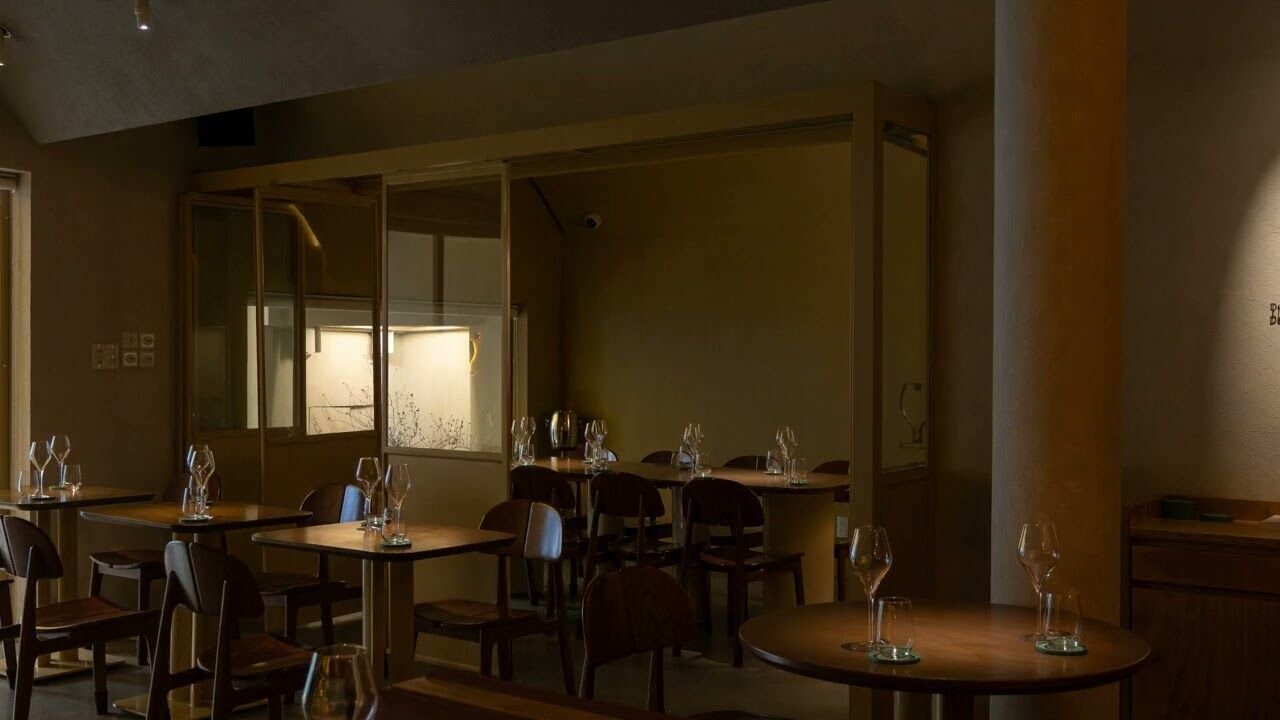
Bars in Ho Chi Minh City
Browse all →

At a Glance
- Elegant
- Cozy
- Modern
- Sophisticated
- Intimate
- Date Night
- Special Occasion
- Celebration
- Open Kitchen
- Extensive Wine List
- Craft Cocktails
- Farm To Table
- Local Sourcing
- Skyline
Current opening hours
- Monday
- 5–11 PM
- Tuesday
- Closed
- Wednesday
- 5–11 PM
- Thursday
- 5–11 PM
- Friday
- 5–11 PM
- Saturday
- 5–11 PM
- Sunday
- 5–11 PM
Hours can change for holidays and private events. Last verified .
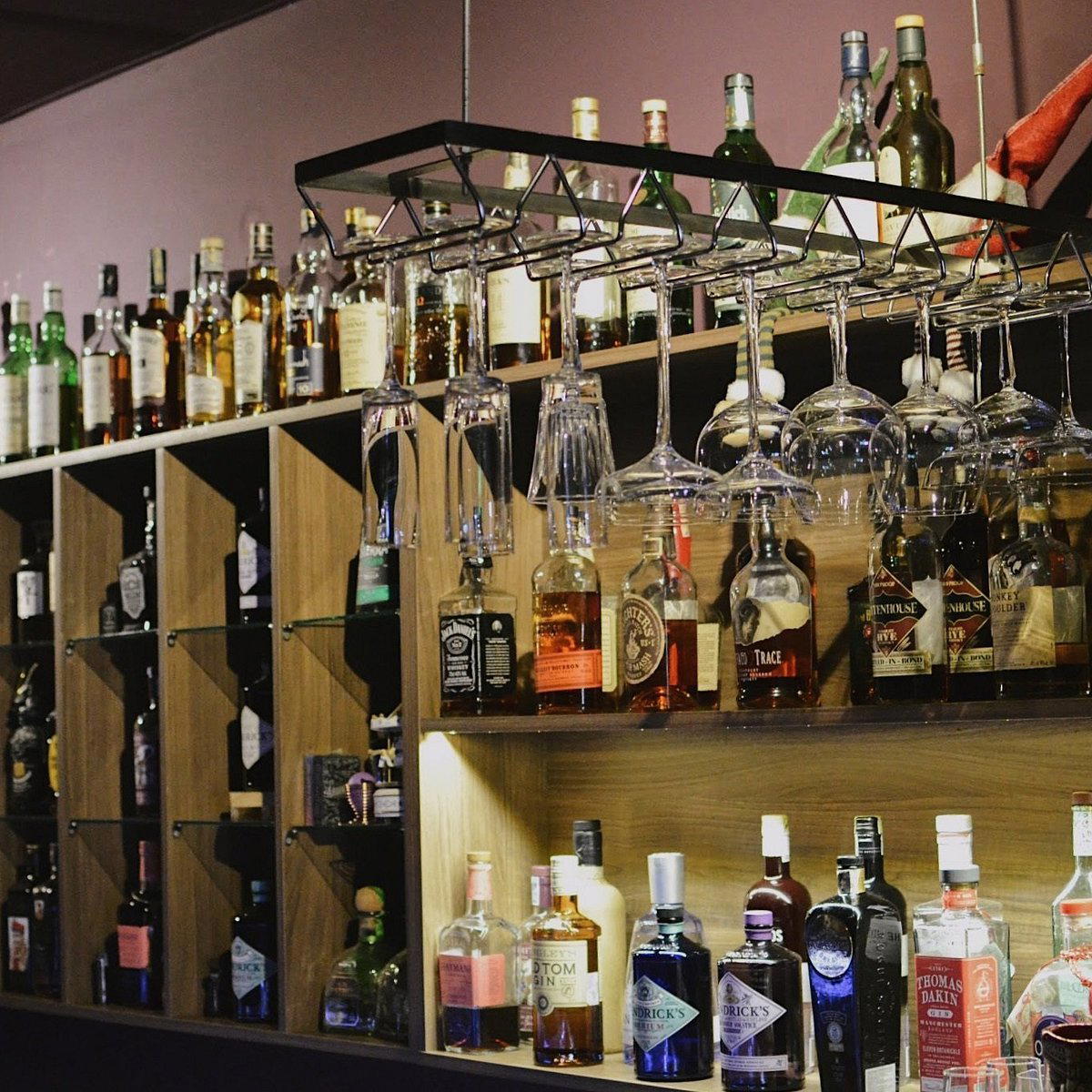
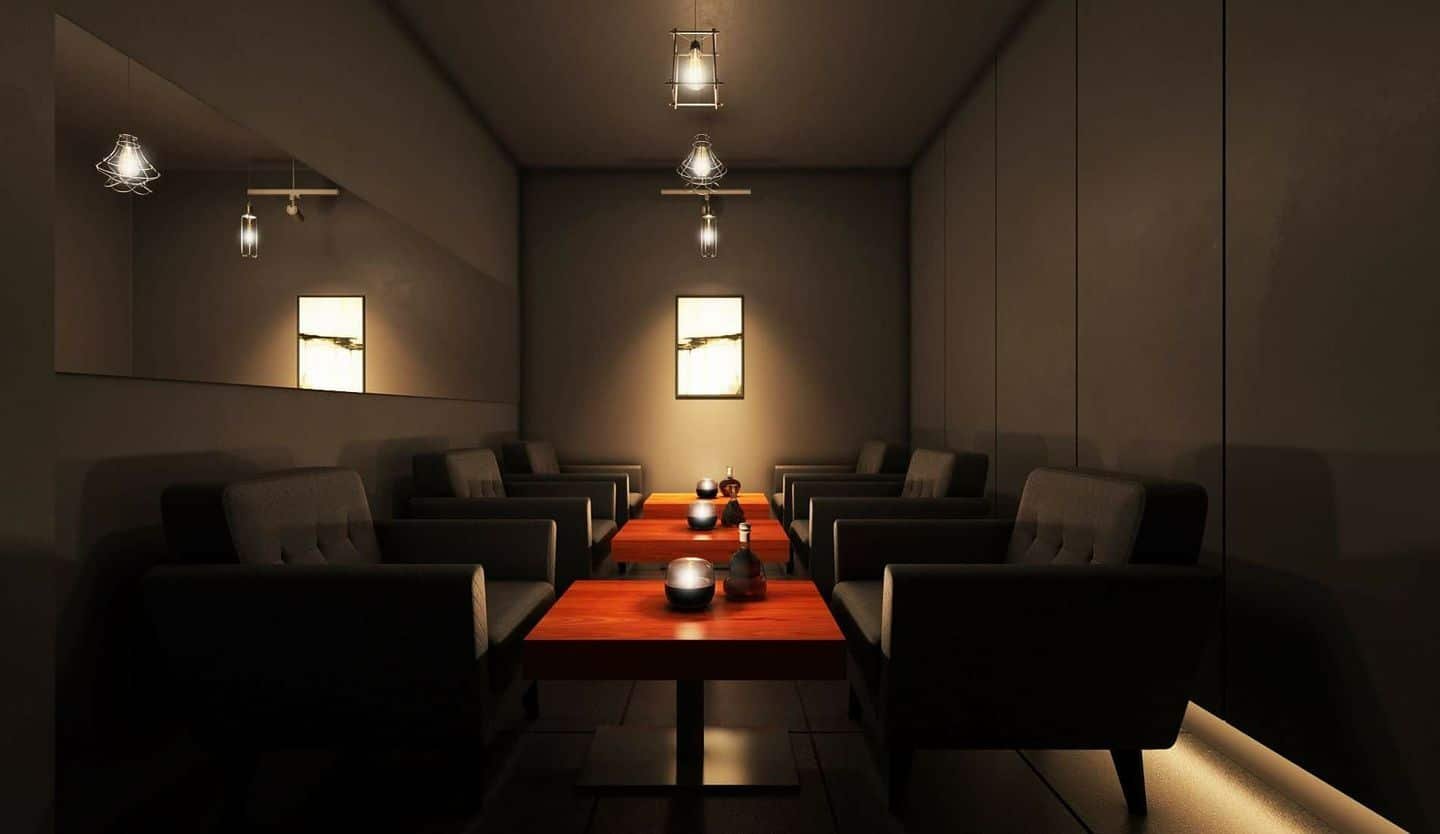
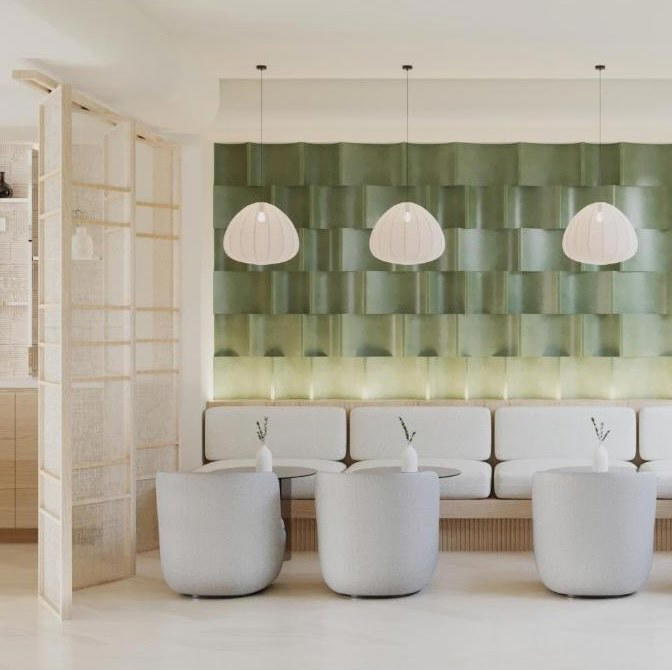
Warm, elegant atmosphere with cozy minimalist design featuring natural wooden accents, soft lighting, latticed bamboo ceiling resembling a bird's nest, and an open kitchen for an immersive experience.