Sensum


1 Michelin Star · We're Smart World 3 Radishes
Our verdict
Sensum holds two consecutive Michelin stars (2024–2025) and operates as a wine bar and restaurant along the Kortrijksesteenweg in Ghent's southern corridor. The kitchen works in a refined, concentrated register, small tasting portions that carry real weight, and accommodates a fully vegetable menu on request, without listing it formally.

Pearl is the En Primeur Club membership app, where members save venues, book tables and use the concierge.
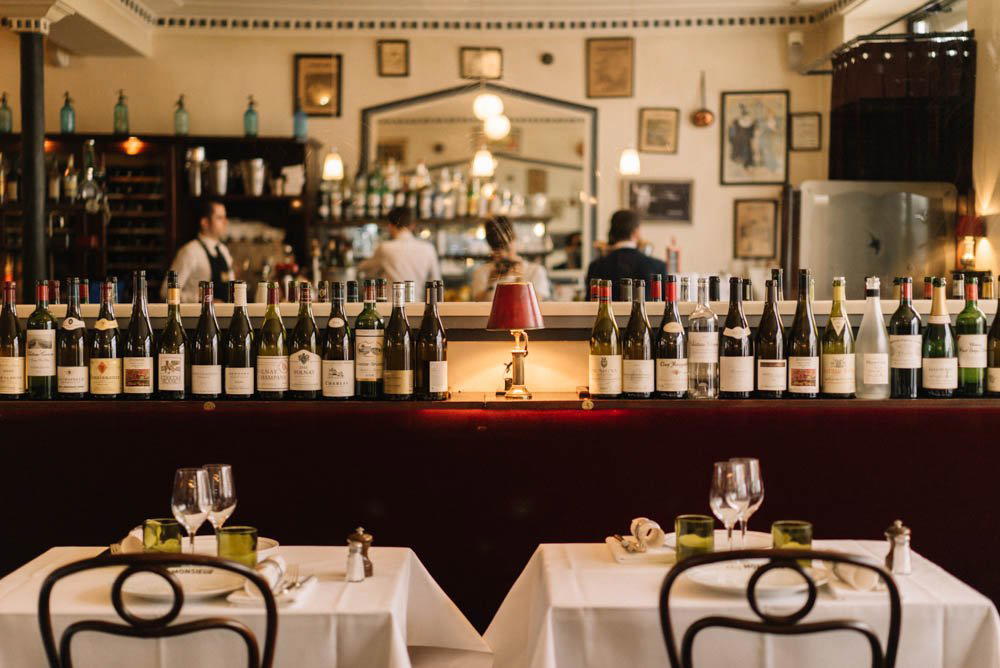
Where Sint-Denijs Meets the Ghent Dining Circuit
The Kortrijksesteenweg runs south out of Ghent's centre through a residential and light-commercial corridor that most visitors pass without stopping. That stretch of road, which technically enters the municipality of Sint-Denijs-Westrem before reaching the communes further south, has quietly become home to a handful of addresses that operate well above their surroundings in culinary ambition. Sensum, at number 1026, is the clearest example of that pattern: a wine bar and restaurant holding back-to-back Michelin stars in 2024 and 2025, sitting on a road that does not announce itself as a dining destination.
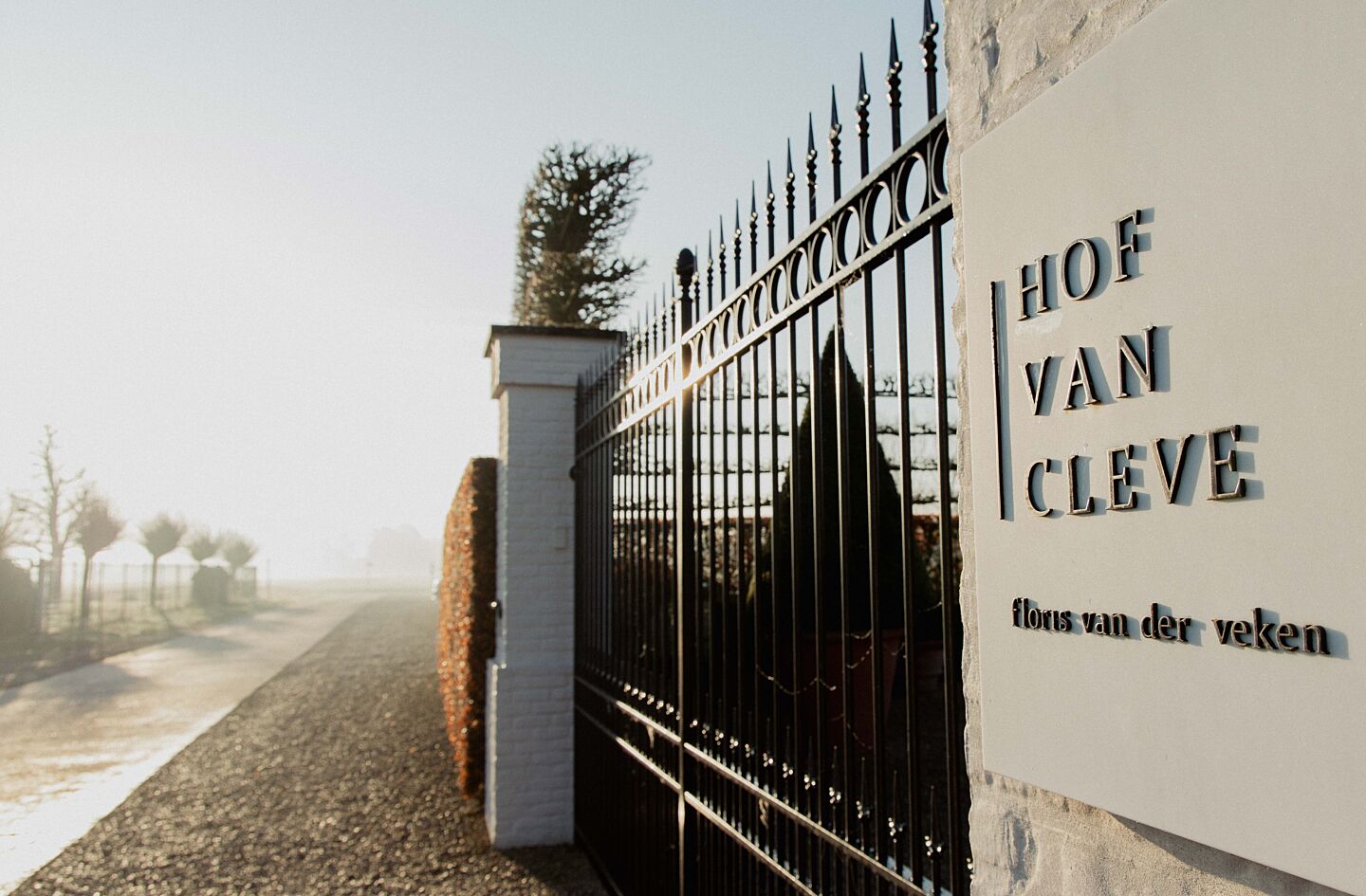
This kind of geographic mismatch, serious kitchen, unremarkable approach road, is not unusual in Flemish fine dining. Hof van Cleve in Kruishoutem and Willem Hiele in Oudenburg both demonstrate that the region's most committed cooking often happens outside the postcard neighbourhoods. The audience follows the kitchen, not the address.
The Wine Bar Format and What It Means Here
Sensum operates as both wine bar and restaurant, a dual format that has become a meaningful structural choice in European fine dining over the past decade. The combination allows for different levels of engagement within the same space: guests who want a full tasting progression can have it, while those arriving for a glass and a few courses find the room open to them as well. In Belgium specifically, this format has allowed several Michelin-recognised addresses to build a broader nightly audience without diluting the kitchen's ambitions.
What Michelin's assessors noted about Sensum aligns with this dual identity. The language they used, refinement as a through-line, with small portions that function as concentrated flavour, describes a kitchen working at the compression end of the modern cuisine register. Each course is small by design, not by accident, and the tasting logic accumulates across the meal rather than residing in any single plate. That approach rewards the wine-pairing format naturally: small, precise food and considered pours reinforce each other in a way that longer, more filling courses do not.
For comparison within the Belgian fine dining tier, Boury in Roeselare and La Durée in Izegem operate at €€€€ and lean into full tasting-menu formats with greater ceremony. Sensum's €€€ positioning and wine-bar framing place it in a slightly different tier, more accessible in cost and in atmosphere, without the kitchen evidently trading down on intention.
Modern Cuisine in the Flemish Context
Belgium's claim on serious modern cuisine is well-documented. The country produces a density of Michelin-starred kitchens per capita that consistently ranks among the highest in Europe, and Flanders in particular maintains a strong tradition of French-grounded technique applied to local produce and personal idiom. The cuisine type listed for Sensum, modern cuisine, sits within that tradition without being reducible to it.
Modern cuisine, as a category in Belgian fine dining, typically signals a kitchen that has moved past strict French classical framing while retaining its technical foundation. The result is often lighter in sauce weight, more ingredient-focused, and more willing to incorporate influences from outside the Franco-Belgian canon. Michelin's consistent recognition of Sensum in this category, across two consecutive years, suggests a kitchen that has found a coherent identity within that register rather than simply gesturing at it.
That consistency matters. A single Michelin star awarded in one year can reflect a kitchen at its peak or catching a good season. Two consecutive years, 2024 and 2025, indicate that the standard is repeatable and that the inspectors found the same level of execution across multiple visits. For a relatively new address on a non-destination road south of Ghent, that stability is the most substantive signal available about what the kitchen is actually doing. Ghent's dining scene has been expanding steadily, and Sensum's emergence as a starred address adds weight to the case that the city's serious dining geography extends well beyond its medieval centre.
Elsewhere in Belgium, addresses like Zilte in Antwerp, Bozar Restaurant in Brussels, and Bartholomeus in Heist each represent distinct regional expressions of the same broad impulse: serious cooking that speaks to a specific place.
The Vegetable Menu: Off-Menu and Worth Noting
One detail in Michelin's write-up of Sensum that carries more weight than it might initially appear: the kitchen offers a fully vegetable menu on request, even though it does not appear on the printed menu. Michelin's assessors specifically noted it as successful, which in their typically compressed language is a meaningful endorsement.
Off-menu vegetable and vegan options at starred restaurants exist on a spectrum. At one end, they are dutiful accommodations assembled from whatever the kitchen can subtract from the standard menu. At the other, they reflect a kitchen genuinely engaged with vegetable cookery as a discipline in its own right. Michelin's framing for Sensum, describing it as very successful, places it closer to the latter. For diners who eat a plant-based diet and find Michelin-starred dining difficult to access without negotiating a compromised version of the standard menu, this is a material distinction.
Within the broader Belgian fine dining context, where butter, cream, and animal proteins remain structurally central to most tasting menus, a kitchen that can deliver a credible starred-level vegetable progression on request is doing something that several of its peers at the same price point are not. L'Envie, also in Sint-Denijs, offers a point of comparison for the local area; at the national level, Ralf Berendsen in Neerharen and d'Eugénie à Emilie in Baudour represent different corners of the Belgian modern cuisine map.
Planning a Visit
Sensum is located at Kortrijksesteenweg 1026, 9051 Gent, technically within the Sint-Denijs postal zone south of central Ghent. The address is accessible by car from the Ghent ring road and is reachable by tram from the city centre along the Kortrijksesteenweg axis. It sits at the €€€ price tier, which positions it below the leading cluster of Belgian tasting-menu restaurants (many of which price at €€€€) while remaining in serious fine dining territory. Diners who eat a fully plant-based diet should request the vegetable menu at the time of booking, as it is not listed on the standard menu. Specific hours, booking methods, and current availability are best confirmed directly with the restaurant.
For a broader view of what the area offers, EP Club's guides to Sint-Denijs restaurants, Sint-Denijs hotels, Sint-Denijs bars, Sint-Denijs wineries, and Sint-Denijs experiences cover the wider territory. For those tracking the modern cuisine format across geographies, Frantzén in Stockholm and FZN by Björn Frantzén in Dubai represent how the same kitchen sensibility travels across radically different contexts. L'Eau Vive in Arbre rounds out the Belgian fine dining picture for those planning a wider itinerary through Wallonia.
What Dish Is Sensum Famous For?
Michelin's description emphasises the cumulative effect of the menu rather than any individual course, describing a sequence of refined, flavour-dense bites rather than a centrepiece preparation. The off-menu vegetable progression has drawn specific note from Michelin's assessors as a successful standalone format, which is the closest thing to a documented house strength in the public record. The Sint-Denijs restaurants guide offers additional context on the local dining tier.
Frequently asked questions
Is Sensum Michelin-listed?
Sensum has received recognition including: In this wine bar and restaurant, refinement is the green thread with one small and wonderful taste bomb after another. Although it is not on the menu, a 100% vegetable menu is perfectly possible if asked, and is very successful also. Ghent ….
What dish is Sensum famous for?
Sensum does not publicise a fixed signature dish. Michelin's own write-up frames the kitchen around a succession of small, concentrated portions, described as 'taste bombs', rather than any single item. The off-menu vegetable tasting is the most documented talking point, praised by Michelin as a success in its own right and available on request.
What should I budget for a meal at Sensum?
Pricing at Sensum is listed as €€€.
Where exactly is Sensum?
Sensum is located at Kortrijksesteenweg 1026, 9051 Gent, Belgium, Sint-Denijs.
Cost and Credentials
| Venue | Cuisine | Price | Awards | Notes |
|---|---|---|---|---|
| SensumThis venue (the venue you are viewing) | Modern French Fine Dining | Not listed | 1 Michelin Star · We're Smart World 3 Radishes | Not listed |
| Boury | Creative French Fine Dining | $300–500 | 3 Michelin Stars · La Liste Top Restaurants | Modern Frlemish, Creative French |
| Comme chez Soi | French - Belgian, Classic Cuisine | Not listed | Michelin 1 Star | Not listed |
| Hertog Jan at Botanic | Modern Japanese Omakase Fine Dining | Not listed | 2 Michelin Stars · La Liste Top Restaurants | Modern Flemish, Creative |
| L'Eau Vive | Modern French Fine Dining | $150–200 | 2 Michelin Stars · La Liste Top Restaurants | French, Modern French |
| La Durée | Modern French Fine Dining | $150–200 | 2 Michelin Stars · La Liste Top Restaurants | French-Belgian, Creative |
Recognition history
Dated appearances from independent guides and award organizations, with the underlying list record or original source where available.
Michelin 1 Star
Michelin
We're Smart World 3 Radishes
We're Smart World
Full recognition history (3 entries)
Michelin 1 Star
Michelin
Continue exploring
More in Sint-Denijs
Restaurants in Sint-Denijs
All restaurants in Sint-Denijs →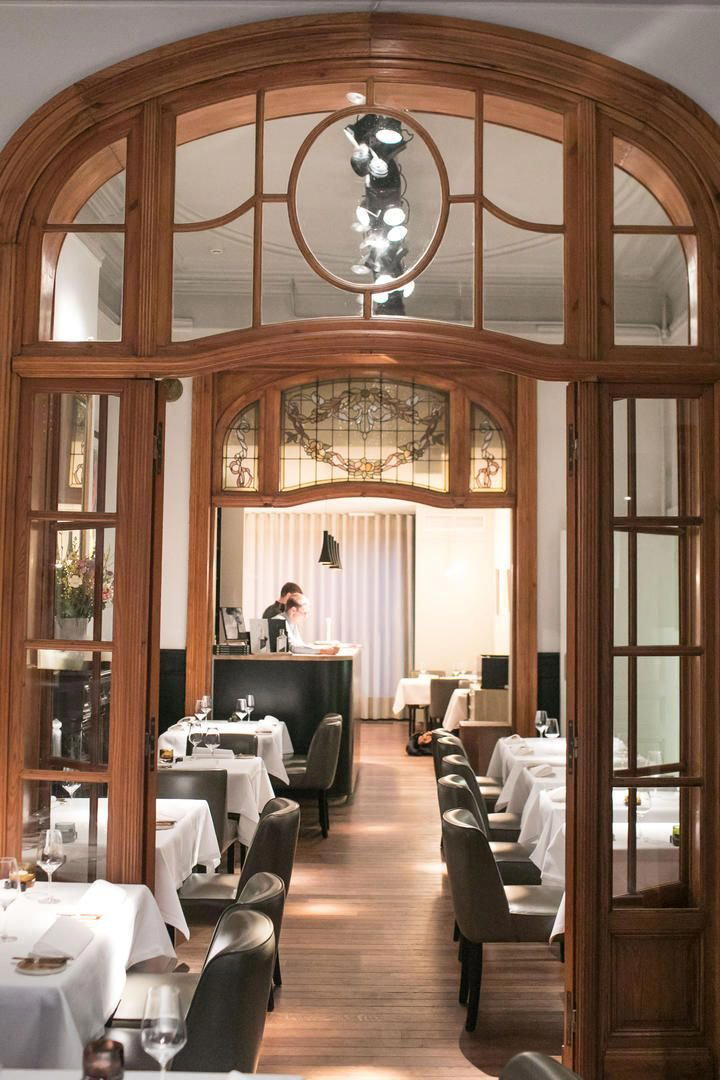
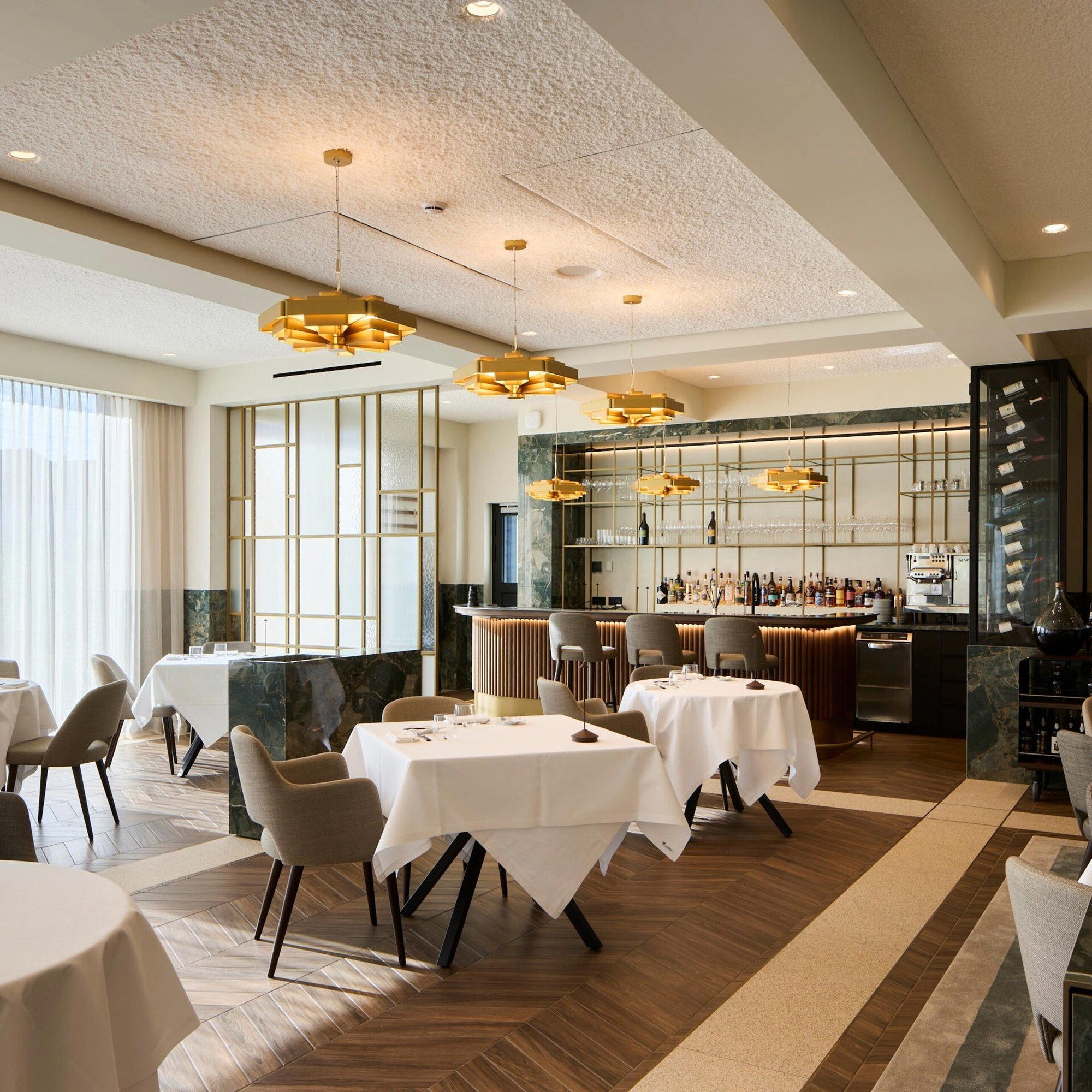
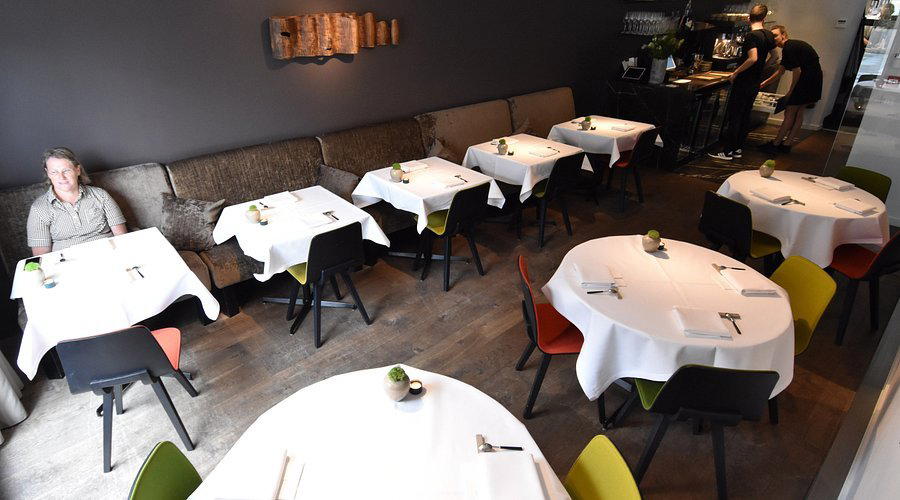
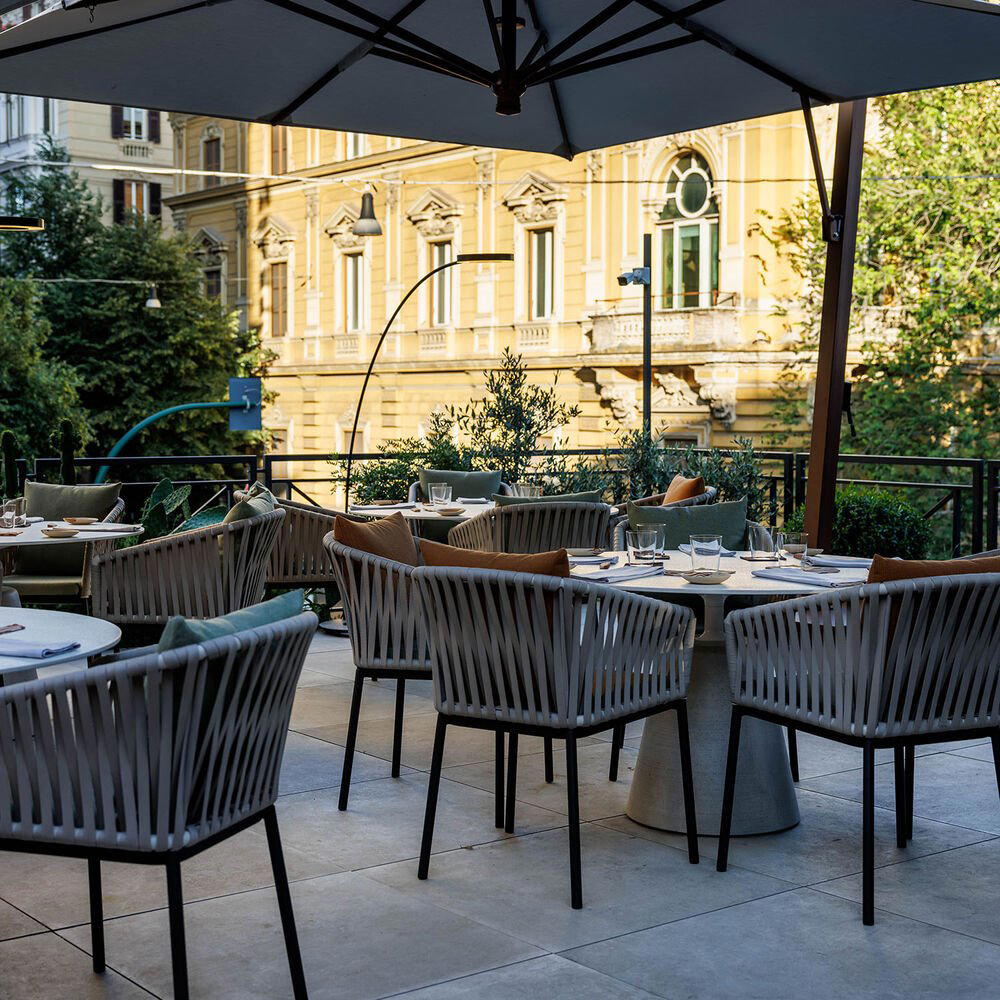

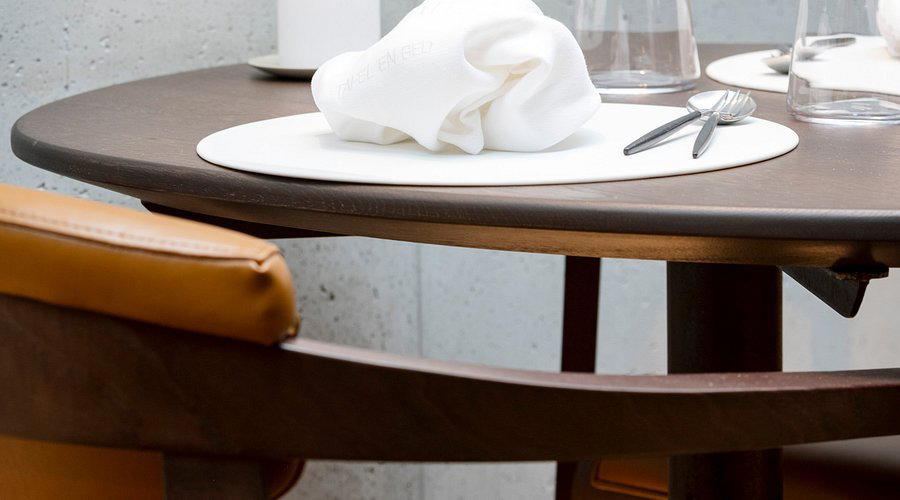
Details
- Elegant
- Sophisticated
- Modern
- Intimate
- Date Night
- Business Dinner
- Group Dining
- Celebration
- Special Occasion
- Private Dining
- Terrace
- Standalone
- Extensive Wine List
- Garden
- A La Carte
- Wine
- Vegetarian Friendly
Current opening hours
- Monday
- 12–4:30 PM, 7–11:30 PM
- Tuesday
- 12–4:30 PM, 7–11:30 PM
- Wednesday
- 12–4:30 PM, 7–11:30 PM
- Thursday
- Closed
- Friday
- 12–4:30 PM, 7–11:30 PM
- Saturday
- Closed
- Sunday
- Closed
Hours can change for holidays and private events. Hours as of .
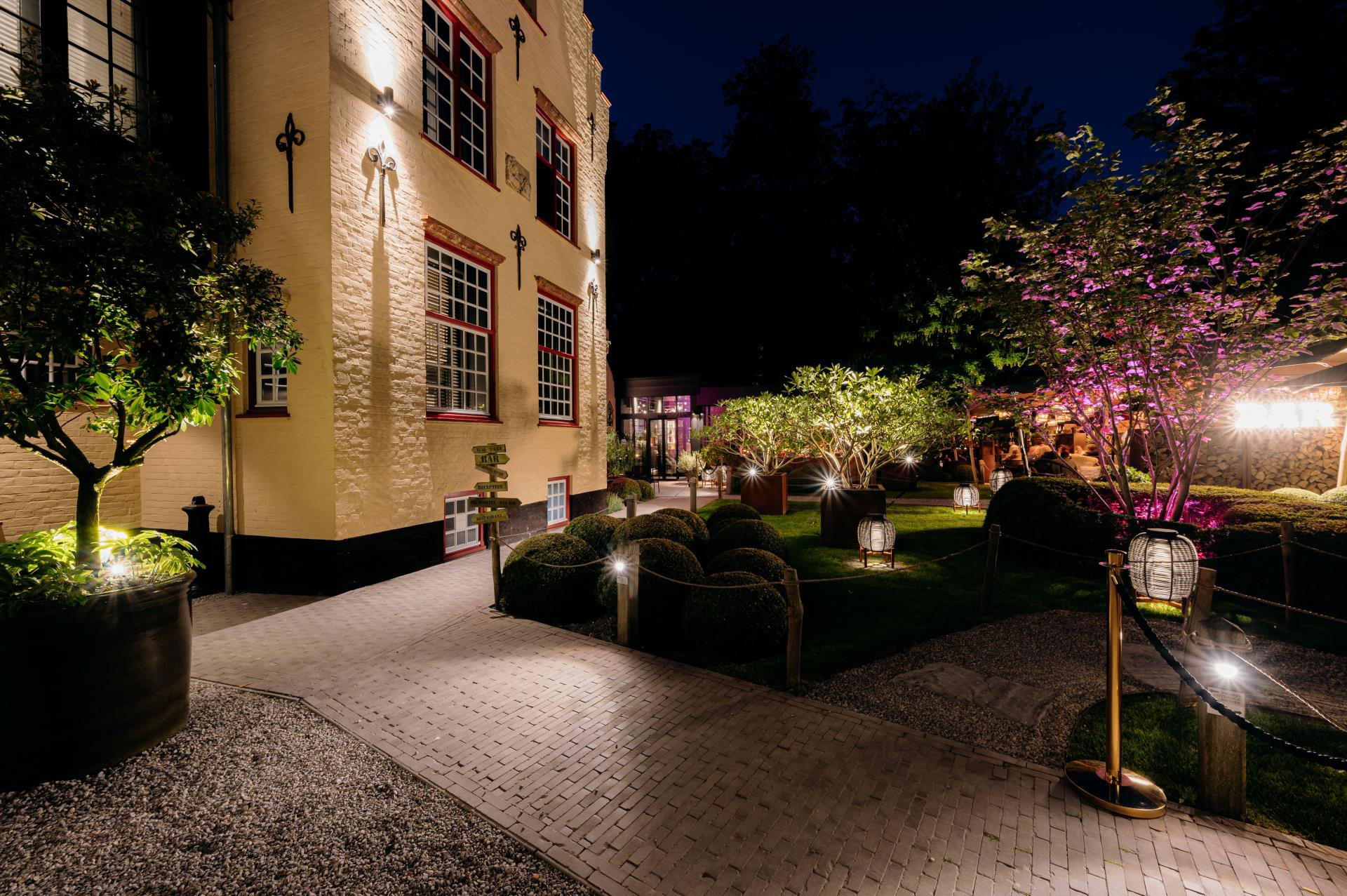
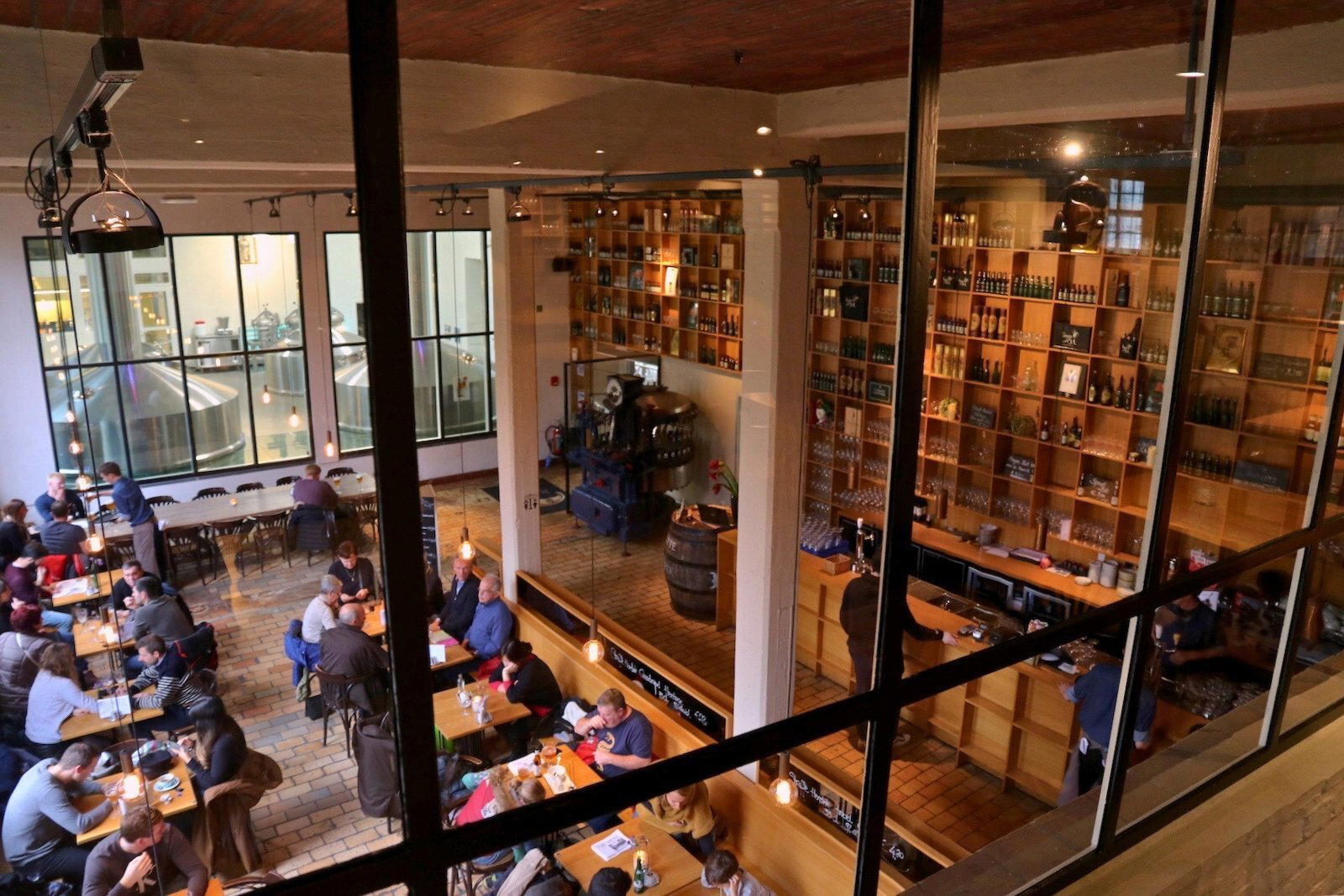
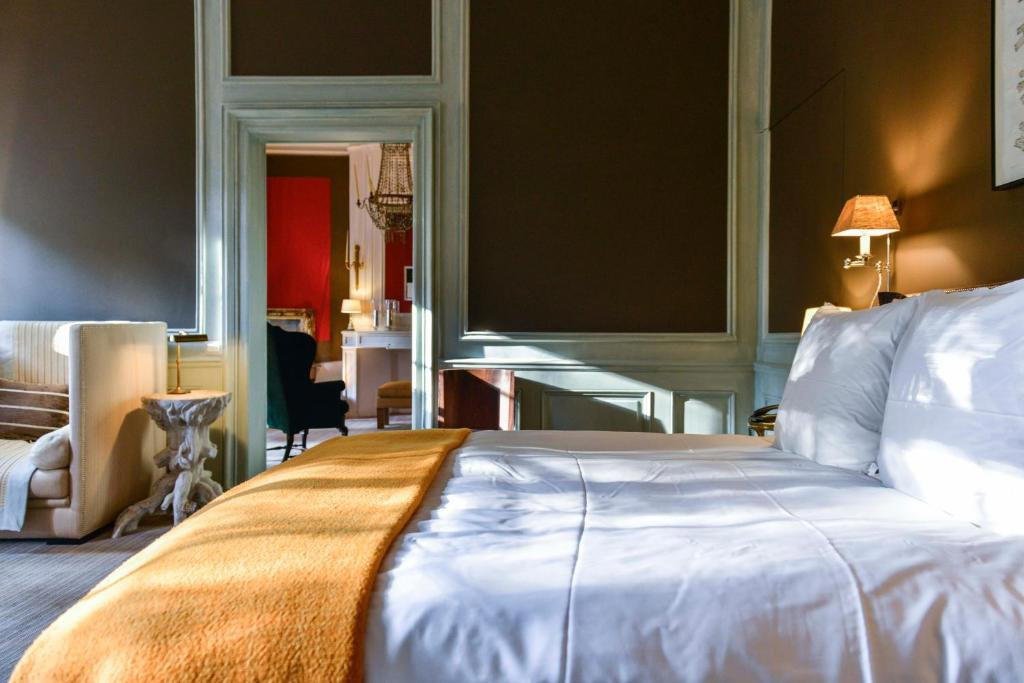
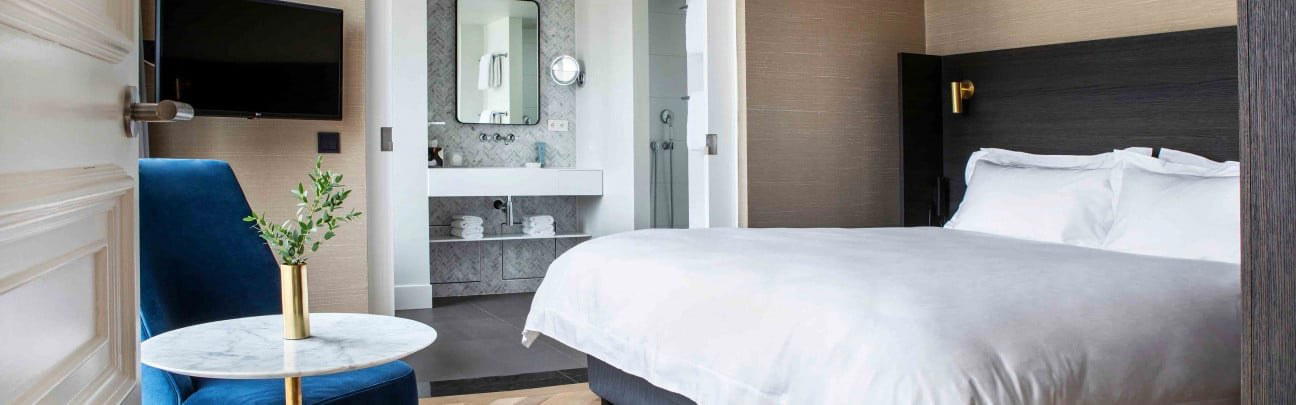
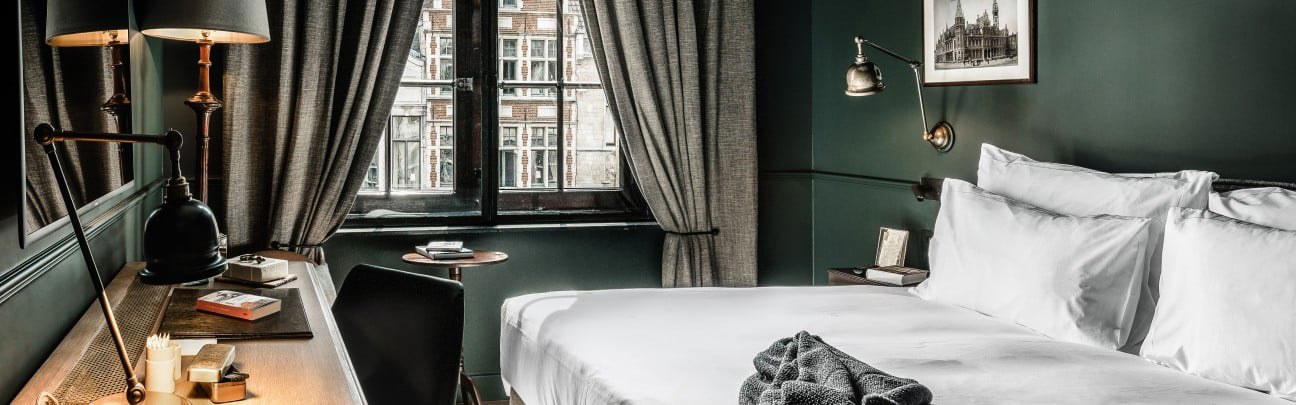
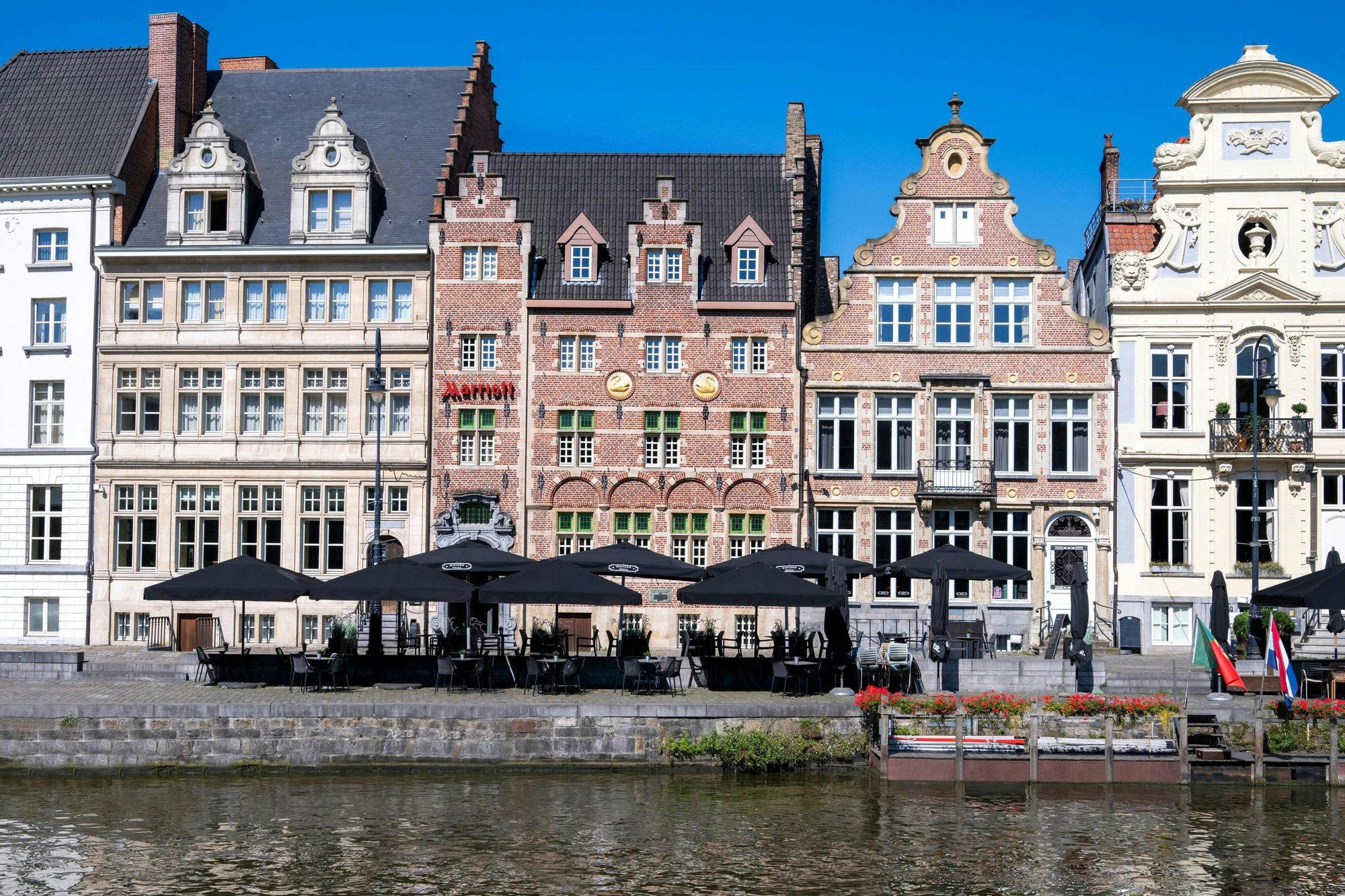
Elegant, refined, and upscale, with a polished fine-dining atmosphere in a historic setting.