
Senryu places Gifu’s beef culture in a formal Japanese setting rather than the louder urban steakhouse mode. Its Tabelog 100 Steak / Teppanyaki EAST 2025 selection, repeat appearances in 2024, 2022, and 2021, private-room setup, and focus on steak, sukiyaki, and nabe make it a serious choice for travellers reading Gifu through meat, river culture, and regional hospitality.
Pearl is the En Primeur Club membership app — saves, bookings, and concierge access live there. Same editors, same standards.
- Address
- 14 Nagara, Gifu, 502-0071, Japan
- Phone
- +81 58-231-1151
- Website
- senryu.co.jp
 Saves & bookings on Pearl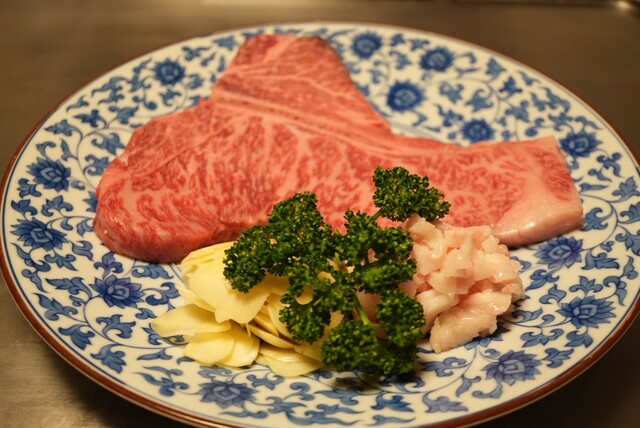
Approaching Nagara shifts the mood from station-side Gifu into a slower riverside register: lower buildings, darker evenings, and a sense that dinner here belongs to the older rhythms of private rooms, seasonal hot pots, and beef cooked with ceremony rather than spectacle. In that context, Senryu is not simply a steak address. It sits inside a Japanese tradition where wagyu is handled through several lenses: grilled as steak, simmered in sukiyaki, or gathered around nabe, each format carrying a different idea of occasion.
Gifu is often read by travellers through cormorant fishing, castle views, and the Nagara River, but its dining culture also has a serious beef vocabulary. The prefecture’s proximity to Hida beef country gives local meat restaurants a stronger regional argument than a generic luxury grill can claim. Senryu’s place on the Tabelog 100 Steak / Teppanyaki EAST 2025 list, with previous selections in 2024, 2022, and 2021, puts it in a category judged beyond local habit. That recognition matters because steak and teppanyaki in Japan are crowded fields, from urban counter theatre to ryokan-style beef dinners; repeated selection suggests a restaurant operating within a tested national conversation rather than relying only on neighbourhood loyalty.
Beef culture in Gifu, served through steak, sukiyaki, and nabe
Japanese beef dining is not one format. Steak foregrounds cut, heat, and timing; sukiyaki brings sweetness, soy, and shared pacing; nabe turns dinner into a table-centred ritual. A restaurant that works across those categories reads differently from a single-purpose teppanyaki counter. It gives diners a view of how beef functions in Japanese hospitality: as craft, as comfort, and as a social meal.
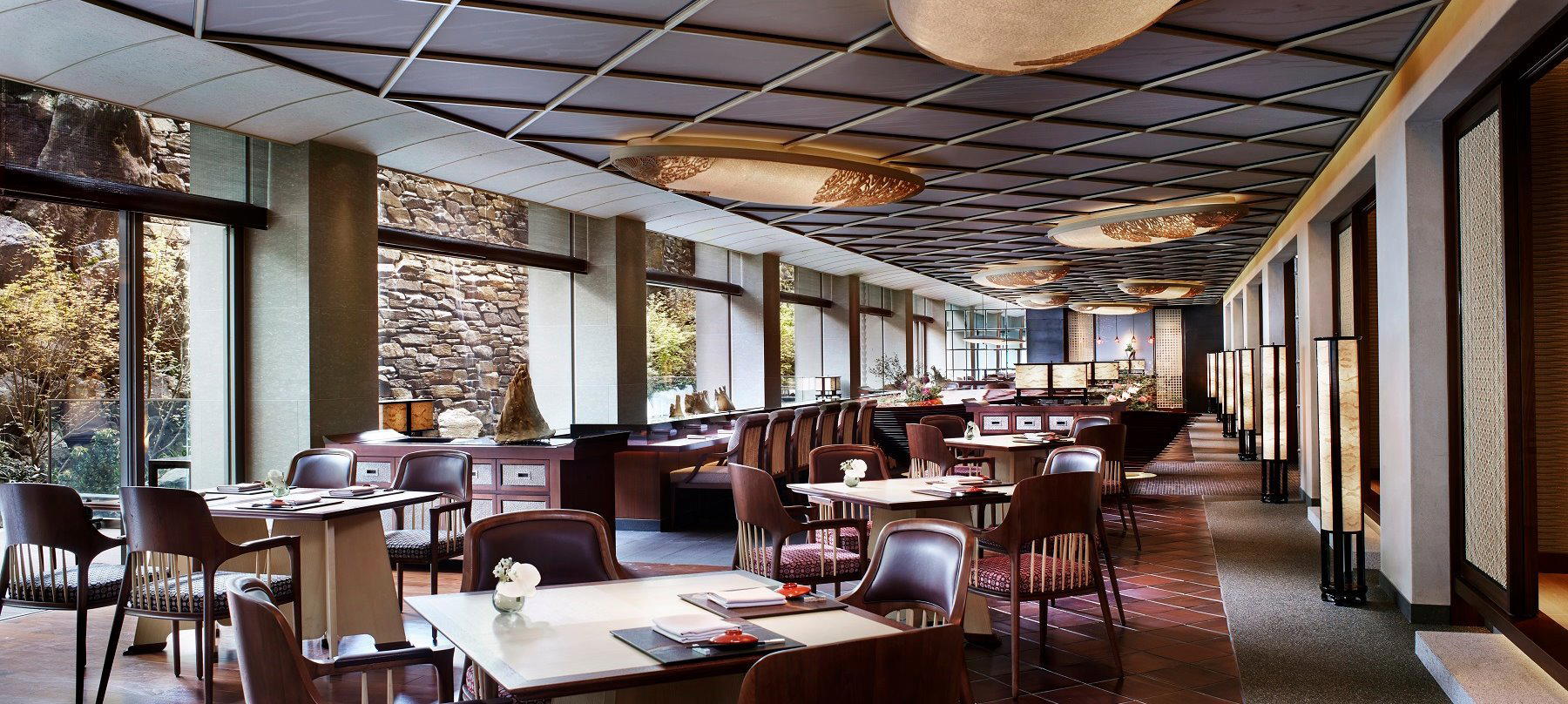
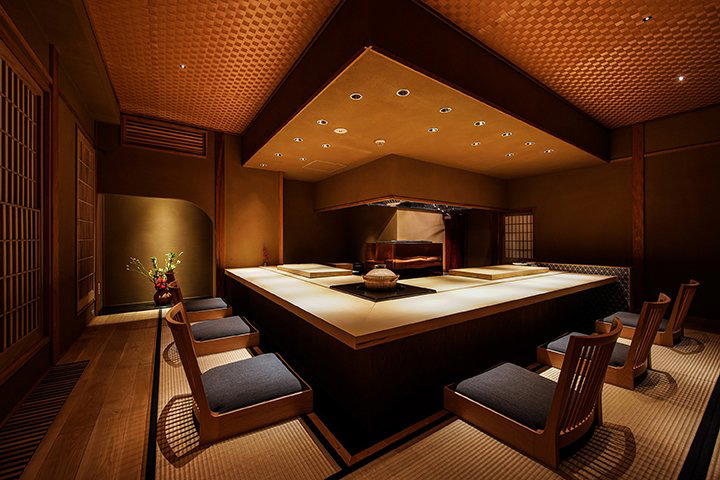
That breadth also explains why the room matters. Private rooms are available for parties ranging from two people to groups of 10 to 20, and the listed facilities include tatami rooms, spacious seating, and a non-smoking environment. Those details point to a restaurant built for longer meals and formal family or business occasions, not a quick steak stop. The drinks position reinforces the Japanese frame rather than a purely Western steakhouse one, with wine and particular attention to sake listed as part of the program.
For travellers mapping Gifu’s dining range, this is a higher-spend meat meal rather than an everyday neighbourhood booking. DA GENNARO and Kawaramachi Izumiya sit in a lower price band, while Prelude Fukumitsu ten belongs to a lighter casual bracket; Kobanzushi and hiro fill different local roles altogether. Senryu’s comparison set is narrower: regional beef restaurants where recognition, privacy, and format carry as much weight as the cut itself. For the wider city picture, Our full Gifu restaurants guide is the better starting map, especially if the trip also includes French dining at Belle Equipe (French), drinks at BAR-BAROSSA, or cocktails at BAROSSA cocktailier.
A formal Nagara meal, not a station-area quick decision
The Nagara setting changes the planning logic. This part of Gifu rewards diners who treat dinner as the anchor of the evening rather than a stop between trains. Tagami is listed as the nearest station, but the restaurant’s own transport note points to car or taxi, which is usually the cleaner choice for visitors staying around central Gifu. Parking is available, another signal that the restaurant serves guests arriving for a planned meal rather than foot traffic.
Reservations are available, and solo reservations are not accepted after 4 PM. That condition is useful intelligence for travellers: couples and groups fit the room’s natural rhythm, while solo diners need to plan earlier in the day. Credit cards are accepted, including VISA, Master, JCB, AMEX, and Diners, while electronic money and QR code payments are not accepted. These details sound small until they shape the evening; in regional Japan, payment and transport can matter as much as the menu category.
Within the meal itself, the editorial choice is whether to read the restaurant as steak, sukiyaki, or nabe. Steak will appeal to diners looking for the clearest expression of beef quality. Sukiyaki and nabe pull the experience closer to Japanese domestic and celebratory traditions, where the table controls the pace and the meal feels less like a Western luxury steakhouse. That is where Senryu becomes more culturally specific: the same restaurant can satisfy a beef-focused itinerary while avoiding the international sameness that often follows high-end steak.
Gifu’s broader itinerary should not be built around restaurants alone. The city works well when meals are paired with the river, old merchant streets, bars, and quieter regional hotels. For that wider planning layer, use Our full Gifu hotels guide, Our full Gifu bars guide, Our full Gifu wineries guide, and Our full Gifu experiences guide. Nearby dining cross-checks include Aka Renga and Akane Ya, which help show how varied Gifu’s serious dining can be beyond one category.
Who should make this the anchor meal
Senryu is strongest for travellers who want a Japanese beef meal with structure: recognized by Tabelog, rooted in steak and hot-pot traditions, and suited to a slower evening in Nagara. It is less suited to diners chasing counter theatrics or a spontaneous late-night plan. The attraction is the combination of regional context and formal pacing, especially for parties who value privacy and a meal that can move between grilled beef and shared-pot formats.
The same logic applies when comparing it beyond Gifu. -Grilled beef Sukiyaki- KAMAKURA TANUKIAN 鎌倉 たぬき庵 in Kamakura gives another view of sukiyaki as a destination format, while links such as. 鮪と炭火焼き うお炭 秋葉原店 in Tokyo.cafe in Osaka.know in Kumamoto, (Shoku) Vietnam in Kawasaki, and [Curry Senmon Ten] Maruyama Kyoju. in Sapporo show how Japanese city dining splinters into tightly defined specialisms. For readers building Japan around sake and casual regional food as well as formal meals, Jōdo Saké Bar in Los Angeles and Onigiri Time in Pasadena are useful diaspora counterpoints rather than direct comparisons.
Price Lens
Nearby venues at a similar price tier for orientation.
| Venue | Price | Notes |
|---|---|---|
| SenryuThis venue — the venue you are viewing | $$$$ | Not listed |
| Setsu Gekka Nagara | $$$ | Gifu City, Yakiniku (Japanese BBQ) |
| たか田 八祥 | $$$$ | Gifu City, Michelin-Starred Kaiseki Japanese |
| Tsubaki | $$$ | Uchikoshi, Yoshoku (Japanese Western) |
| Takumi Hirano | $$$ | Yanagase / Onamicho, Traditional Japanese Kaiseki |
| BAR-BAROSSA | $$ | Kinpocho, Spanish tapas bar with Japanese ingredients |
Recognition history
Dated appearances from independent guides and award organizations, with the underlying list record or original source where available.
Tabelog 100 #25 · No. 25
Tabelog · Tabelog 100 - Steak / Teppanyaki - EAST - 2025
Continue exploring
More in Gifu
Restaurants in Gifu
Browse all →
At a Glance
- Classic
- Elegant
- Intimate
- Scenic
- Special Occasion
- Date Night
- Business Dinner
- Group Dining
- Private Event
- Chefs Counter
- Garden
- Private Dining
- Historic Building
- Standalone
- Local Sourcing
- Farm To Table
- Garden
Current opening hours
- Monday
- Closed
- Tuesday
- Closed
- Wednesday
- 11:30 AM–9:30 PM
- Thursday
- 11:30 AM–9:30 PM
- Friday
- 11:30 AM–9:30 PM
- Saturday
- 11:30 AM–9:30 PM
- Sunday
- 11:30 AM–9:30 PM
Hours can change for holidays and private events. Last verified .
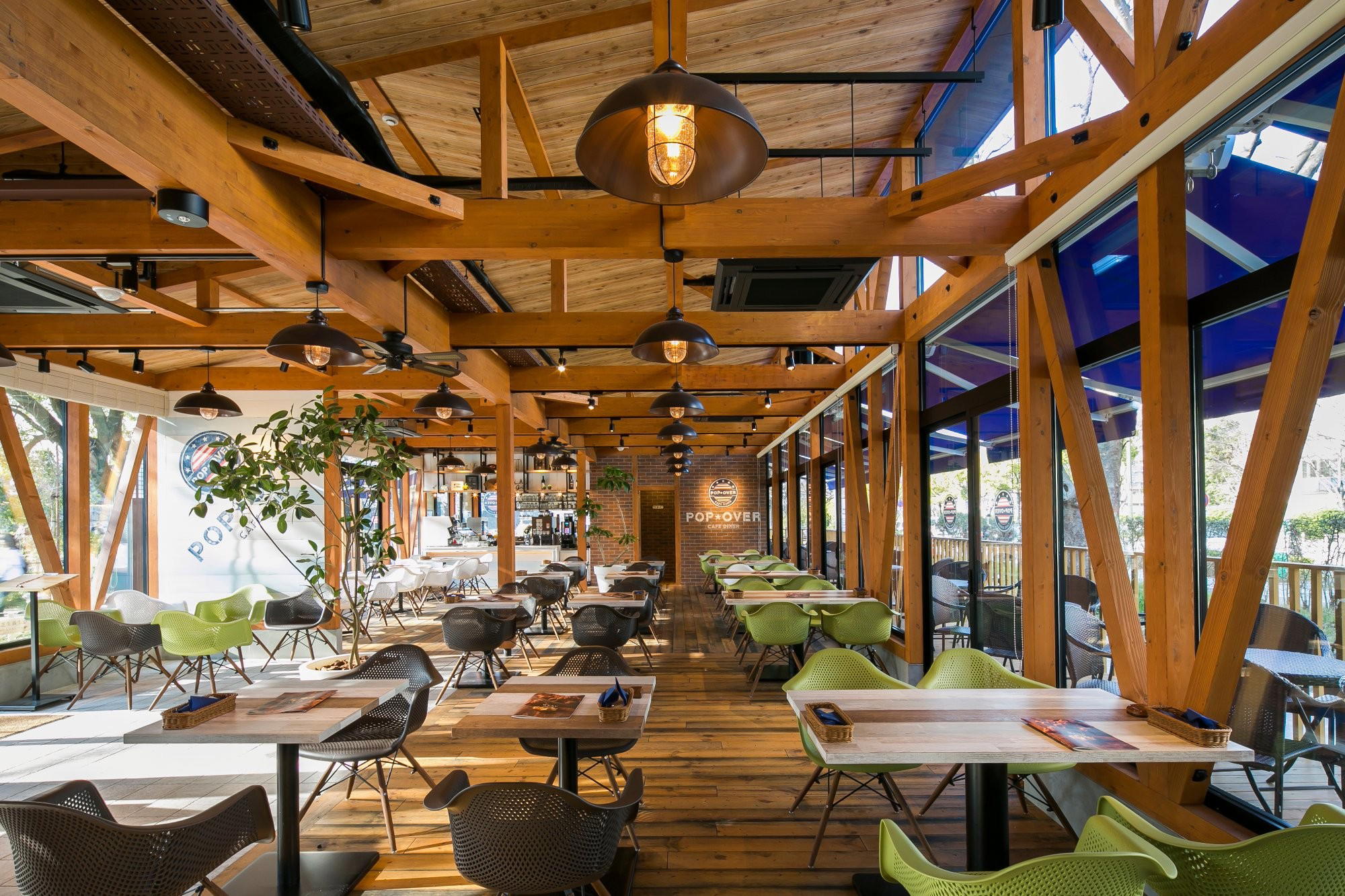
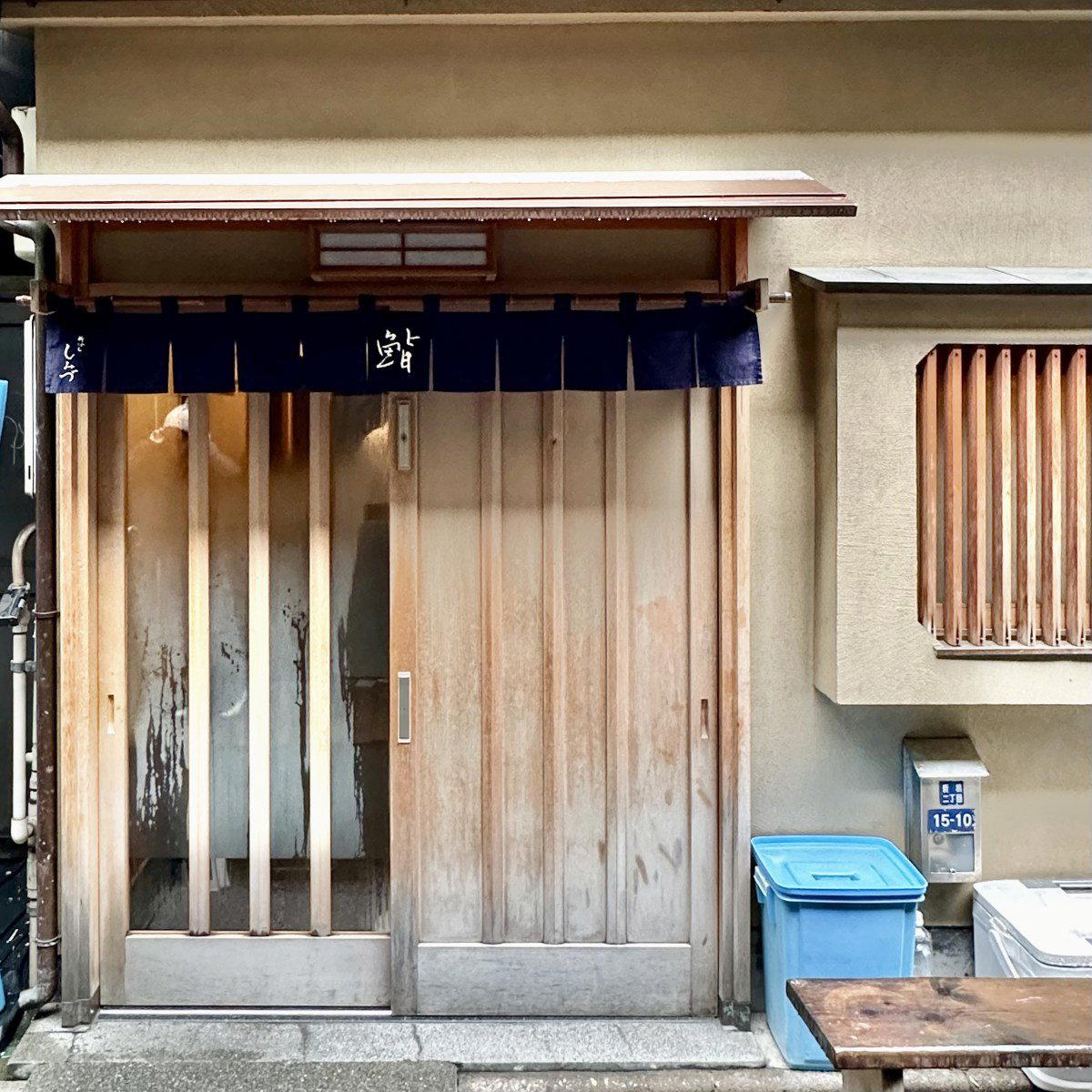
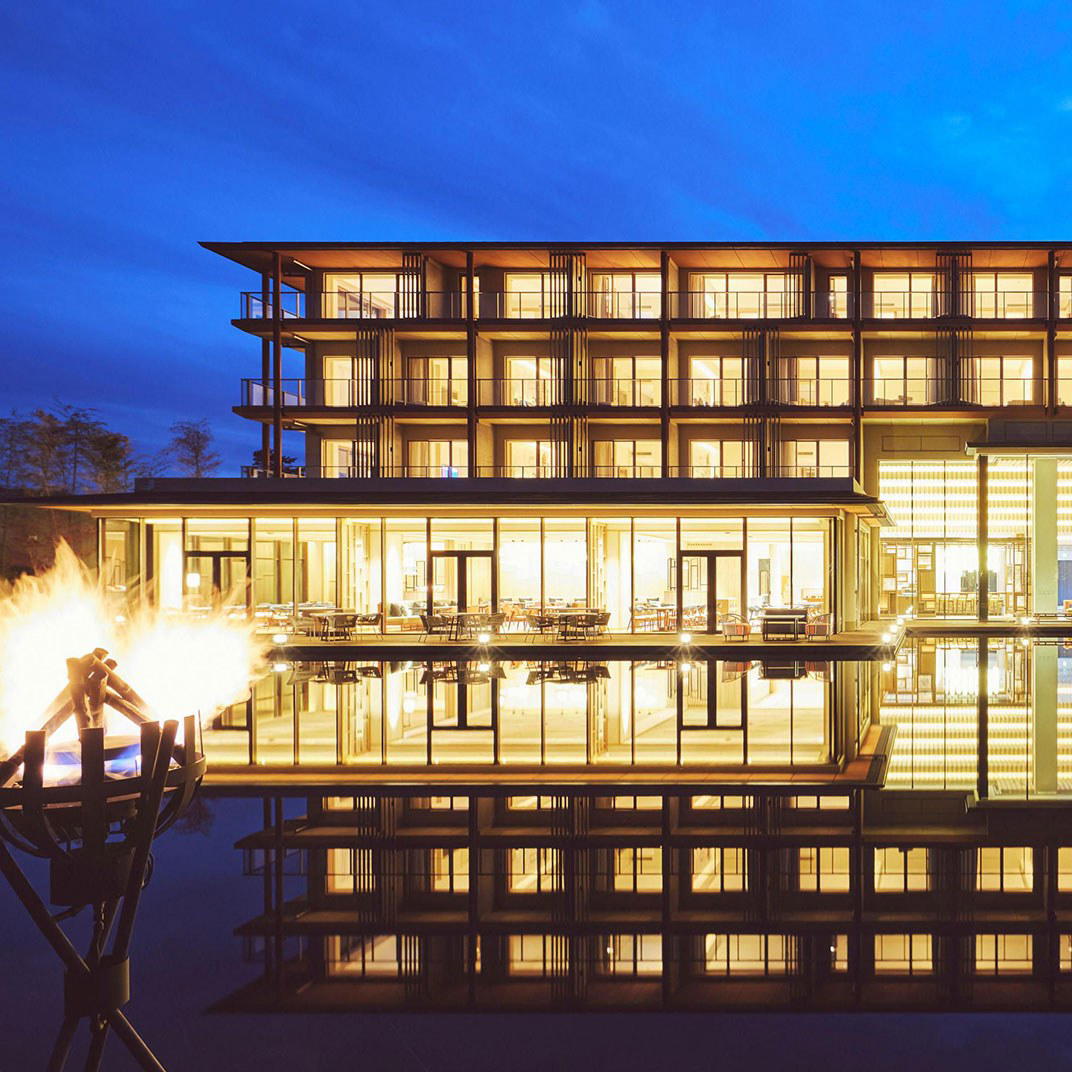
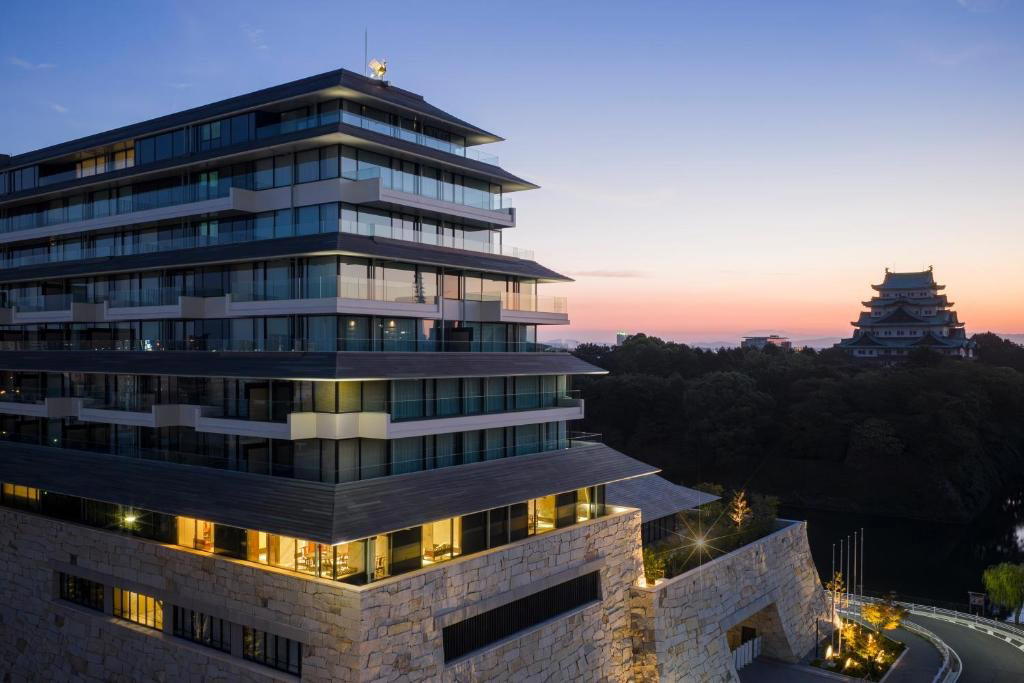
A serene, traditional Japanese steakhouse with tatami private rooms, views of a landscaped garden, and a calm, refined atmosphere suited to lingering multi-course meals.