
Michelin Plate
Our verdict
Senda belongs to Kyoto’s quieter restaurant geography, close to Kitano Tenmangu Shrine in Kamigyo-ku rather than the hotel-heavy dining corridors farther south. The draw is the city’s ingredient logic: seasonal produce, shrine-district rhythms, and a scale of dining that rewards planning over improvisation.

Pearl is the En Primeur Club membership app, where members save venues, book tables and use the concierge.
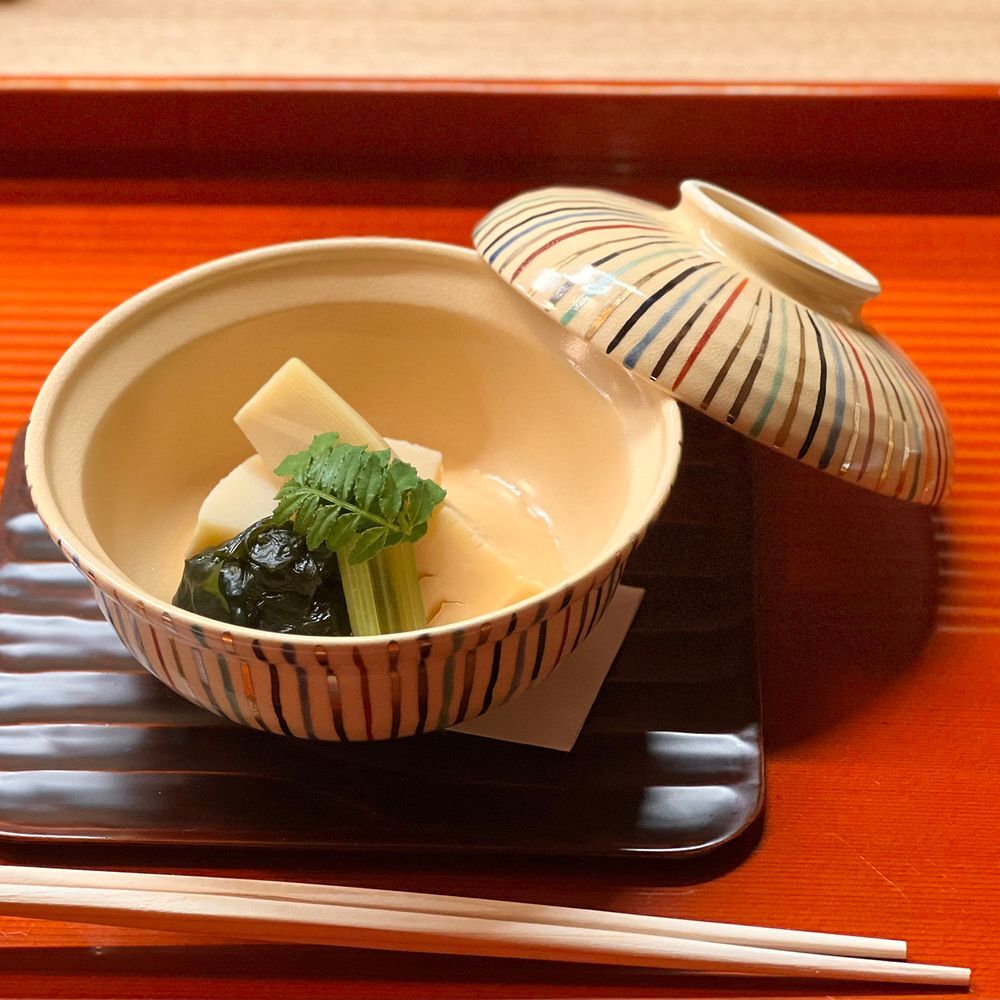
The menu
What to order
- Grilled unagi over rice (unagi don)
- Unagi kabayaki dinner course
- Eel sushi rolls
- Unagi rice in kaiseki course
- Unripe plum frozen dessert
Approaching Senda, Kyoto changes register: less the city’s commercial spine than a working urban fabric of shrines, school routes, small shops, and seasonal foot traffic. Senda sits in this Kyoto context, where the calendar matters and food culture depends on timing, procurement, and restraint rather than spectacle.
That setting explains the restaurant. Kyoto dining is often flattened into ceremony, but the city is a set of varied local rhythms with distinct supply habits and visitor patterns. Here, the mood is not late-night density or hotel dining’s international polish, but an older neighbourhood rhythm: morning routines, shrine visits, seasonal confectionery, and restaurants built on trust rather than street theatre.
Kyoto rewards ingredient timing over dining-room drama
In Kyoto, ingredients are never only about provenance. They are about when something appears, how briefly it peaks, and how much the kitchen interferes. The city’s reputation rests partly on vegetables from surrounding agricultural districts, freshwater traditions, preserved foods, tofu, tea, and sweets that track the seasons with unusual precision. Framed by local calendars and neighbourhood trade, that logic feels practical, not decorative.
Senda belongs inside that tradition, not as a stand-alone trophy booking. Public detail is spare, but the Kyoto setting separates it from restaurants designed around international hotel traffic. The comparison is the city’s small-format, locality-conscious side, where a meal depends on the day’s purchasing and discipline with texture, temperature, and portioning, not a high-volume room in an easy transit zone.
Kyoto’s sweet and snack counterpoint also matters when planning the city. Shrine-area sweets belong to a longer local food pattern, showing how ritual, walking routes, and simple ingredients can carry equal weight. Awamochidokoro Sawaya occupies a lower-pressure sweet-shop lane of the same city logic, while Castella do Paulo shows how imported forms can become Kyoto-specific through local pacing and gift culture.
The broader point: serious Kyoto dining is not only formal ceremony. It runs from inexpensive, focused counters to more expensive rooms where seasonality is the operating system. Kono Hana sits at an accessible end; Castella do Paulo occupies another casual tier; Tozentei moves into a more formal category. Senda’s publicly listed price is not fixed here, so read it categorically rather than numerically: planning-required Kyoto eating, not the casual snack circuit.
The useful comparison is Kyoto's small-room culture, not a checklist of awards
Kyoto can make a meal feel more formal than the same spend elsewhere in Japan because context does so much work. A narrow room, seasonal sequence, or quiet counter can carry the weight other cities assign to design and volume. Awards are only part of the reading; Senda is listed by Michelin with a MICHELIN Plate, while the broader trust signal is contextual: Kyoto’s habit of treating season and neighbourhood as part of the meal.
For travellers, Senda differs from restaurants clustered around downtown convenience. Central Kyoto offers easier transit and a broader after-dinner bar path, with many dining rooms in more obvious visitor zones. Other Kyoto restaurants speak to practical urban appetites, contemporary registers, or polished hotel-adjacent meals. Senda asks for a slower route and a more deliberate day.
That slower route is the point. Kyoto’s quieter dining areas work differently from restaurant streets built for rapid table turnover. A meal at Senda pairs naturally with a slower city plan, shaping the day rather than tacking dinner onto sightseeing.
The sourcing angle also changes value. In Kyoto, value is not always portion size or luxury ingredients. It may be the handling of vegetables, restraint of seasoning, temperature of rice or broth, or letting a seasonal product remain plain. Without a published menu to anchor dishes, expect not a named speciality but a Kyoto meal where sourcing and timing outweigh theatre.
How to place it in a Kyoto itinerary
Senda makes most sense for travellers treating Kyoto by district, not isolated reservations. It sits outside the easiest hotel-and-station loop, so a meal here pairs better with a slower Kyoto plan than a packed cross-city evening. Seasonal demand can make the area less forgiving, so restaurant planning matters.
Families should consider format before assuming compatibility. Kyoto’s quieter restaurants can be calm and controlled rather than loose and child-oriented, and price information is not publicly listed here. For a casual family meal, lower-pressure options may suit better; for older children used to composed Kyoto dining, the city context can work well.
Do not assume walk-ins for this category of Kyoto restaurant. If the meal matters, plan ahead and treat confirmation as part of the itinerary, especially away from downtown zones where visitors can recover easily with a second choice.
For broader planning, use Our full Kyoto restaurants guide to balance quieter meals with downtown counters and casual stops. Sleep strategy matters too: Our full Kyoto hotels guide helps decide whether to base near the station, in an eastern sightseeing area, or in a quieter part of the city. After dinner, Kyoto’s drinking scene is easier through Our full Kyoto bars guide, while Our full Kyoto experiences guide helps with temple, craft, and seasonal programming. Wine-focused travellers can scan Our full Kyoto wineries guide, though Kyoto’s wine interest often appears more through restaurant lists than vineyard tourism.
For Japan-wide context, compare Kyoto’s ingredient restraint with other Japanese dining formats: focused meals, urban counters, casual cafés, regional everyday restaurants, and kitchens shaped by international influences. Regional contrast helps show how differently Japanese cities absorb outside ideas and everyday formats. Across the Pacific, Japanese food culture travels well, but Kyoto’s seasonality and local pacing are harder to export.
Frequently asked questions
Does Senda work for a family meal?
Senda is in Kyoto, which suits a slower, district-based meal rather than a rushed stop. That makes it a sensible choice for families who prefer a quieter dining plan, provided the format fits their needs.
What's the overall feel of Senda?
The setting reads as Kyoto rather than nightlife-led Kyoto, giving it a more local frame. Expect a meal shaped by city context instead of showy room design.
What awards or recognition does Senda have?
Senda is listed by the Michelin Guide with a MICHELIN Plate.
Where is Senda located?
Senda is located in Kyoto.
Do they take walk-ins at Senda?
There is no booking policy to rely on here. The practical reference point is Kyoto, which makes timing and planning more important than assuming spare seats. Check the venue's official channels for the latest details.
What has Senda built its reputation on?
The clearest public recognition is its MICHELIN Plate listing, alongside its Kyoto setting. Check the venue's official channels for the latest details.
In Context: Similar Options
Comparable venues by cuisine and price in the same metro.
| Venue | Cuisine | Price | Awards | Notes |
|---|---|---|---|---|
| SendaThis venue (the venue you are viewing) | Eel-focused Kyoto Kaiseki | $100–150 | Michelin Plate | Not listed |
| Awamochidokoro Sawaya | Traditional Japanese sweets (wagashi) cafe | $1–10 | Tabelog 100 #90 | JPY 999 - JPY 999 |
| Kono Hana | Traditional Japanese sweets & cafe near Kitano Tenmangu | $10–20 | Tabelog 100 #44 | JPY 1,000 - JPY 1,999 |
| Castella do Paulo | Traditional Portuguese sweets & café | $10–20 | Tabelog 100 #48 | JPY 2,000 - JPY 2,999 View spending breakdown |
| Tozentei | Traditional Kyoto Kaiseki | $150–200 | 1 Michelin Star | Japanese |
Recognition history
Dated appearances from independent guides and award organizations, with the underlying list record or original source where available.
Michelin Plate
Michelin
Continue exploring
More in Kyoto
Restaurants in Kyoto
All restaurants in Kyoto →
Bars in Kyoto
All bars in Kyoto →
Hotels in Kyoto
All hotels in Kyoto →
Wineries in Kyoto
Browse all →
Details
- Elegant
- Quiet
- Intimate
- Classic
- Date Night
- Special Occasion
- Business Dinner
- Solo
- Group Dining
- Chefs Counter
- Private Dining
- Design Destination
- Standalone
- Historic Building
- Garden
- Sake Program
- Local Sourcing
- Garden
- Tasting Menu
- Set Menu
- Counter Dining
- Sake
- Beer
- Tea
- Pescatarian Friendly
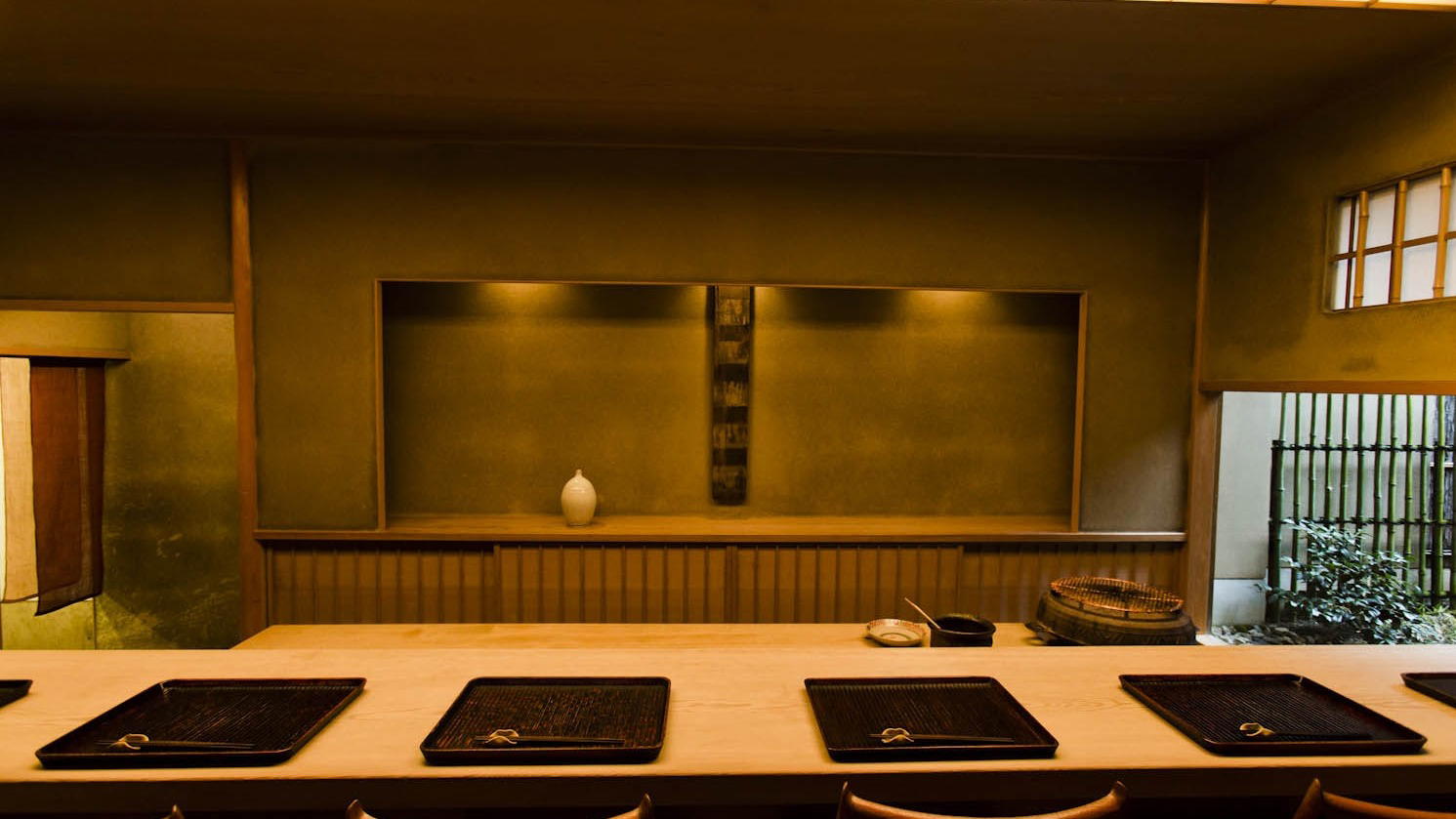
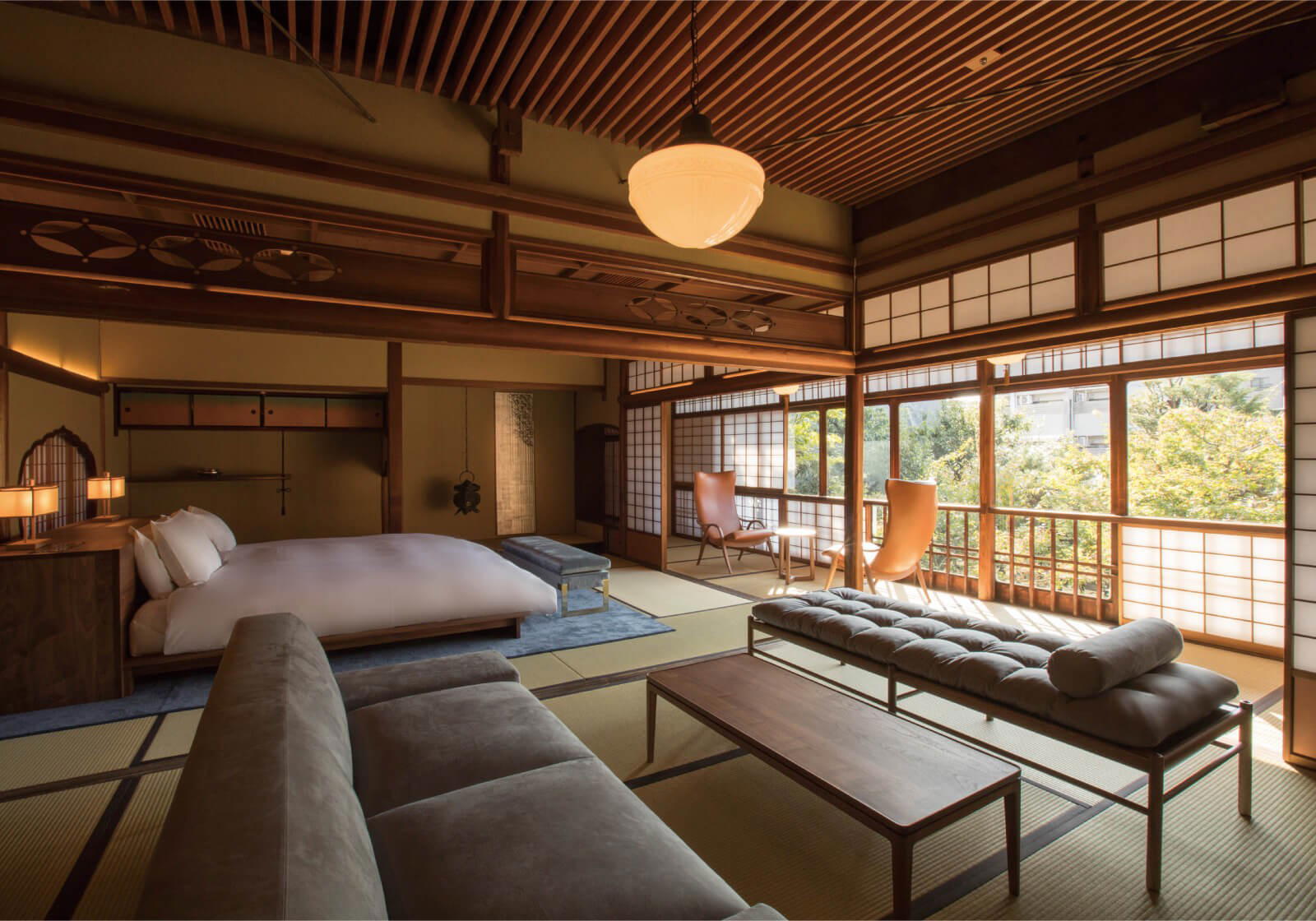
Refined and tranquil, with classic sukiya-style architecture, ajiro ceiling and a small inner garden creating a serene, low-lit setting that frames an eel-focused seasonal kaiseki experience at a counter and single private room.