
Relais Chateaux Award
Our verdict
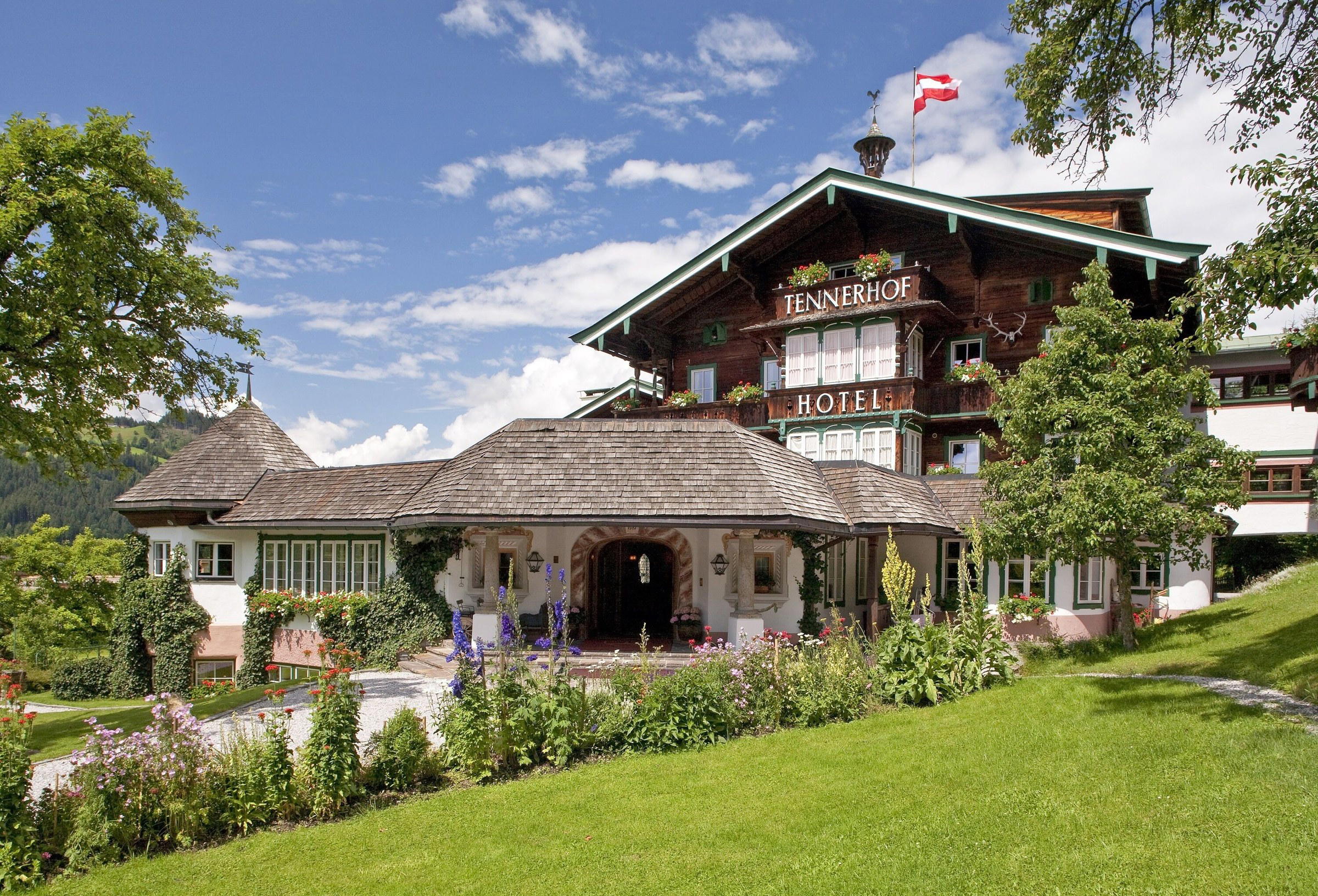
Tennerhof Restaurant at Griesenauweg 26 sits within Kitzbühel's fine dining tier, where Austrian classics are handled with formal precision under chef Buriphat. The address is a short approach from the town centre, suited to guests already staying in the area.

Pearl is the En Primeur Club membership app — saves, bookings, and concierge access live there. Same editors, same standards.
- Address
- Griesenauweg 26, 6370 Kitzbühel, Austria
- Phone
- +43 5356 63181
- Website
- tennerhof.com
- Directions
- Get directions
- Booking
- Book on the venue's website
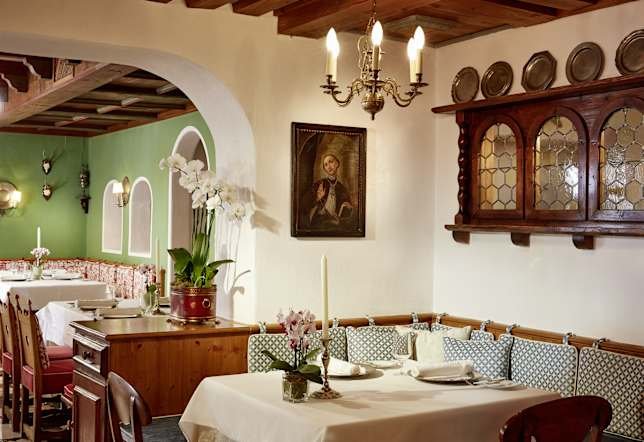
Austrian Fine Dining in the Alpine Interior
There is a particular register of Austrian restaurant that Kitzbühel has historically sustained well: formal, classically anchored, and unhurried in its pacing. These are rooms where the cooking draws from a codified tradition — Tafelspitz, Wiener Schnitzel handled with proper lard rather than oil, Styrian vegetables reduced with precision — and where the architecture of a menu is as deliberate as the techniques behind each course.
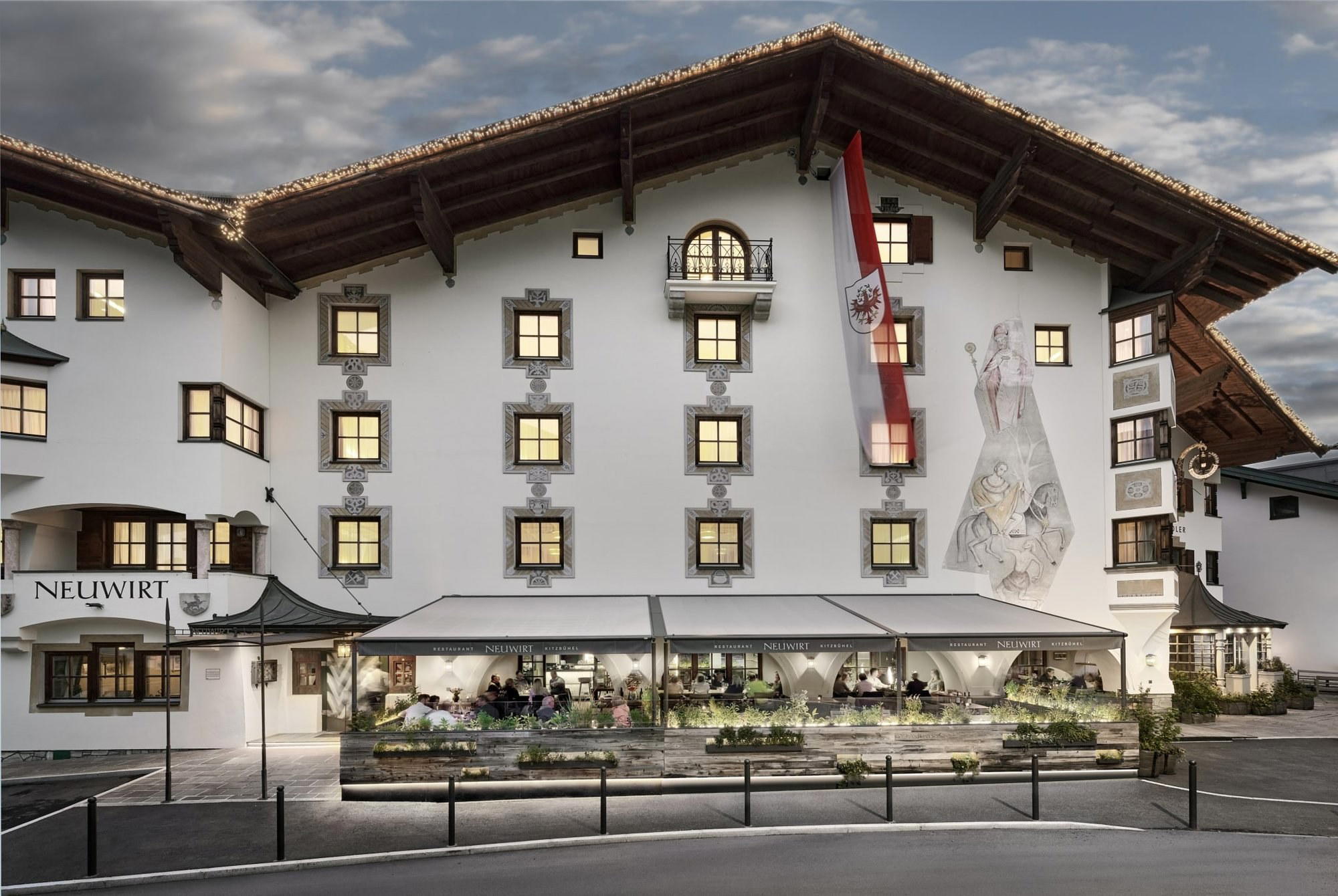
Kitzbühel as a dining destination has broadened considerably in recent years. The town now sustains a spread of price points and styles, from the regional tavern tradition represented by Mocking das Wirtshaus through mid-tier international options like Neuwirt, brasserie formats such as Les Deux Kitzbühel, and modern cuisine at Berggericht. Tennerhof Restaurant sits apart from the contemporary and fusion-leaning tier, it is not trying to reinterpret Austrian cooking through a modern lens the way Lois Stern does with fusion formats. Its claim is the opposite: fidelity to classic technique, executed with care.
What the Menu Architecture Reveals
The Cooking Classics designation is a meaningful signal in this context. It indicates a kitchen that has been assessed against its own stated ambition rather than against avant-garde or innovation criteria. Across Austrian fine dining, this is a distinct competitive set. Restaurants in this category compete on the quality of sourcing, the precision of classical execution, and the depth of the wine programme rather than on seasonal surprise or chef-driven concept changes. The menu communicates a commitment to permanence: dishes that have earned their place through repetition and refinement, not novelty.
This stands in contrast to how Austrian fine dining is evolving at the very leading end nationally. Places like Steirereck im Stadtpark in Vienna and Döllerer in Golling an der Salzach have pushed into highly personal, produce-driven formats that re-engineer classical references into something more laboratory-precise. Tennerhof Restaurant belongs to a different school, one closer to the tradition that institutions like The Amauris Vienna maintain in the capital, and to the formal alpine dining tradition practised at Griggeler Stuba in Lech and Gourmetrestaurant Tannenhof in Sankt Anton am Arlberg.
In that peer group, the structure of the dining experience tends toward multi-course progression with a clear narrative: cold starters built on cured or dressed proteins, a warm course bridging into the main, a dominant meat preparation (often braised, roasted, or poached by classical method), and a dessert section that earns its place through technical discipline rather than theatrical presentation.
Chef Buriphat and the Question of Provenance
Chef Buriphat's name is the only personnel detail confirmed for this kitchen. The name itself signals something worth noting about Austria's contemporary restaurant workforce: like many European alpine dining rooms, Kitzbühel's kitchens draw from an international brigade that has, in many cases, trained through classical European programmes. Austrian fine dining has always admitted precision-trained cooks from outside the country's borders, and the formal classical register tends to be the shared language.
For context on what sustained classical execution looks like in Austria's alpine restaurant tier, the programmes at Kräuterreich by Vitus Winkler in Sankt Veit im Pongau and Ikarus in Salzburg offer instructive comparison points, though each operates in a significantly different format and with a different competitive ambition.
Kitzbühel's Dining Season and When to Come
Kitzbühel operates in two distinct hospitality peaks: the winter ski season, centred on the Hahnenkamm weekend in January and the broader period from December through March, and the summer season when walking and cycling visitors arrive from July through September. Fine dining in the Austrian alpine corridor behaves differently across these windows. In winter, restaurant kitchens in Kitzbühel and comparable resort towns typically operate at full capacity against a guest base with high spend expectations and a preference for long, warming meals that justify the price of the table. Heavier, classically prepared Austrian cooking, the kind the Cooking Classics designation implies, reads naturally against cold, dark evenings at altitude.
The summer visitor profile tends toward lighter preferences, and some fine dining rooms adjust their pacing accordingly. Those planning around the Hahnenkamm race weekend should plan considerably further ahead.
Kitzbühel's Broader Restaurant Scene
For visitors building a full itinerary in the town, the range of formats across Kitzbühel's dining circuit is wider than the alpine resort association might suggest. Our full Kitzbühel restaurants guide covers the spectrum from formal Austrian classics through to contemporary options. The full Kitzbühel bars guide is useful for post-dinner programming, and the full Kitzbühel hotels guide covers accommodation in a town where property options range considerably in format and price. For those extending into the wider region, Kitzbühel wineries and the Kitzbühel experiences guide add further context.
Internationally, the model of classical fine dining anchored in a resort town with deep seasonal hospitality infrastructure has been maintained with significant critical results elsewhere, Le Bernardin in New York City demonstrates how a commitment to one register of cooking, sustained over decades without chasing trend cycles, compounds into an institutional authority. The dynamic operates differently in an alpine resort context, but the underlying principle holds: kitchens that commit to a defined tradition and execute it with precision build a guest loyalty that novelty-driven programmes rarely sustain.
Planning Your Visit
Tennerhof Restaurant is located at Griesenauweg 26, 6370 Kitzbühel, Austria. Booking in advance is advisable, particularly during the winter season peak. No pricing, hours, or online booking details are confirmed in available data, so contacting the restaurant directly before your visit is the practical approach.
Frequently asked questions
Is Tennerhof Restaurant a family-friendly restaurant?
Tennerhof Restaurant operates within the Austrian fine dining register, which tends toward a formal, unhurried pace rather than a casual family format. Families with older children who are comfortable at a considered table will likely find it appropriate; those with young children should weigh the atmosphere against the kitchen's Cooking Classics orientation.
How would you describe the vibe at Tennerhof Restaurant?
The kitchen holds a Cooking Classics designation, which points toward a room that prizes restraint and classical form over trend-chasing. In a town like Kitzbühel, where the hospitality scene ranges from après-ski casual to formal alpine dining, Tennerhof sits clearly at the composed, unhurried end of that spectrum.
What kind of recognition has Tennerhof Restaurant received?
Tennerhof Restaurant has received recognition including: HIGHLIGHTS: • COOKING CLASSICS.
What's the signature dish at Tennerhof Restaurant?
No specific dishes are confirmed in the available record for this kitchen. The Cooking Classics credential signals a commitment to the established canon of Austrian cuisine rather than a rotating avant-garde menu, so expect the repertoire to reflect that classical foundation. Contacting the restaurant directly before visiting is the most reliable way to understand the current menu.
Similar Picks
Comparable venues nearby, for context on price, style, and recognition.
| Venue | Cuisine | Price | Awards | Notes |
|---|---|---|---|---|
| Tennerhof RestaurantThis venue — the venue you are viewing | Modern Tyrolean Fine Dining | Not listed | Relais Chateaux Award | Not listed |
| DAS Kaps | Austrian Grill & Steakhouse | $30–50 | Not listed | Ried Kaps |
| Seebichl | Modern Tyrolean Regional | $50–100 | Not listed | Schwarzsee |
| Das Steghaus am Schwarzsee | Modern Austrian with Mediterranean Influences | Not listed | Not listed | Schwarzsee |
| Restaurant Hochkitzbühel bei Tomschy | Traditional Tyrolean Alpine | Not listed | Star Wine List | Hahnenkamm |
| Hagstein | Traditional Austrian Mountain Inn | $30–50 | Not listed | Kitzbüheler Horn |
Recognition history
Dated appearances from independent guides and award organizations, with the underlying list record or original source where available.
Relais Chateaux Award
Relais Chateaux
Continue exploring
More in Kitzbühel
Restaurants in Kitzbühel
Browse all →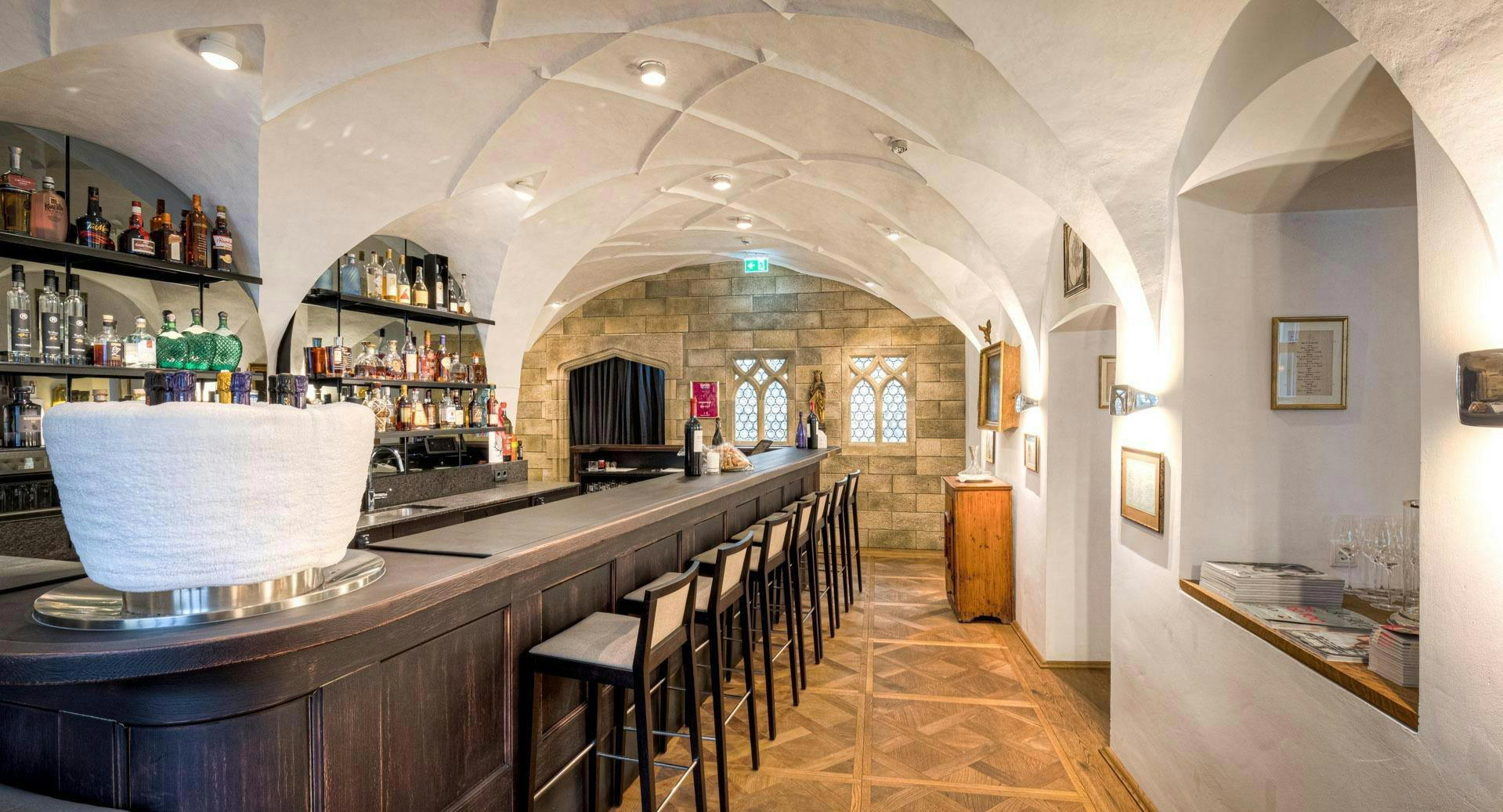
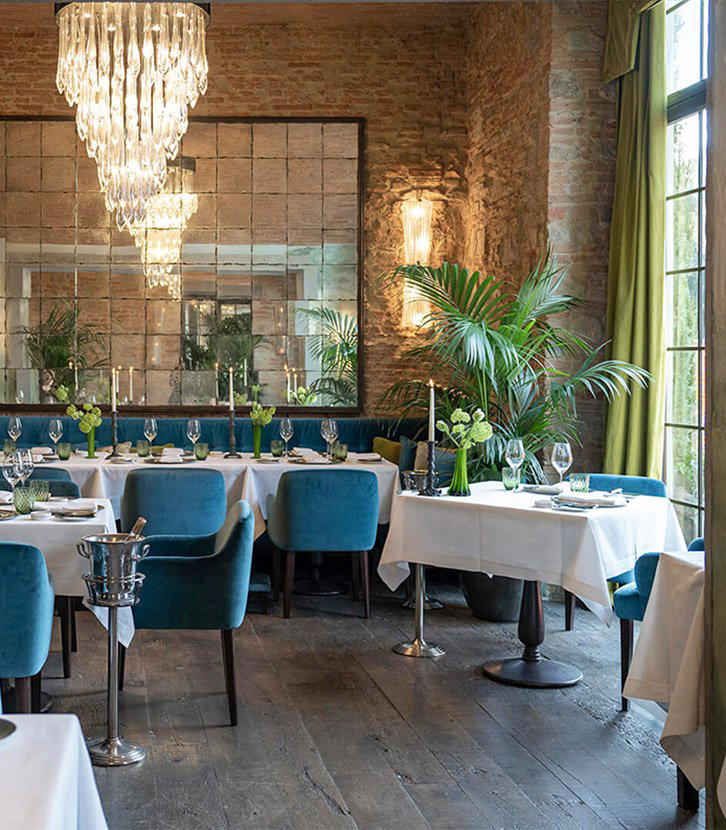
Bars in Kitzbühel
Browse all →

Details
- Romantic
- Cozy
- Elegant
- Rustic
- Sophisticated
- Date Night
- Special Occasion
- Celebration
- Hotel Restaurant
- Terrace
- Panoramic View
- Historic Building
- Extensive Wine List
- Sommelier Led
- Local Sourcing
- Mountain
- A La Carte
- Allergy Accommodating
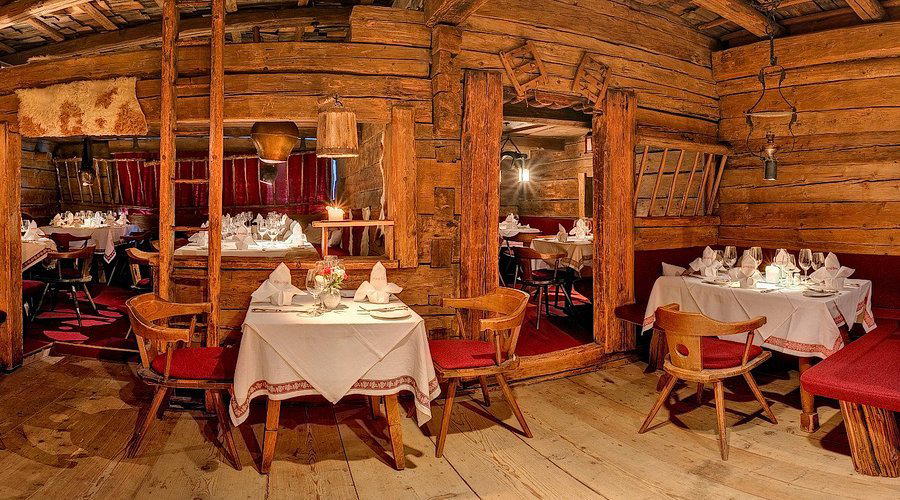
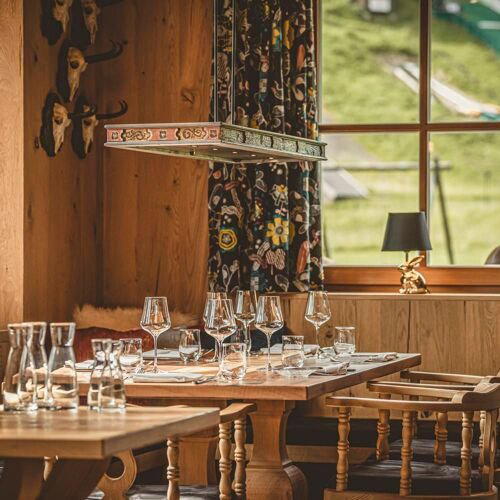
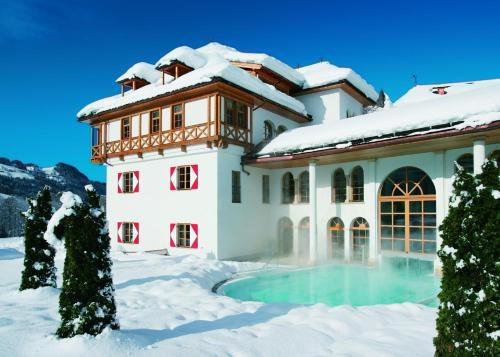
Warm, relaxing, and cozy atmosphere with relaxing dining room lighting, traditional rustic luxury, and dramatic alpine vistas.