Perched on the Hahnenkamm above Kitzbühel, Berggasthof Sonnbühel sits within one of Austria's most storied alpine settings, a mountain guesthouse where the tradition of Tiroler Gastlichkeit meets serious mountain terrain. The address alone, at Hahnenkamm 11, places it in the orbit of the famous downhill race course, giving the dining context that no lowland restaurant can replicate.
Pearl is the En Primeur Club membership app — saves, bookings, and concierge access live there. Same editors, same standards.
- Address
- Hahnenkamm 11, 6370 Kitzbühel, Austria
- Phone
- +43535662776
- Website
- sonnbuehel.at
- Directions
- Get directions
 Saves & bookings on Pearl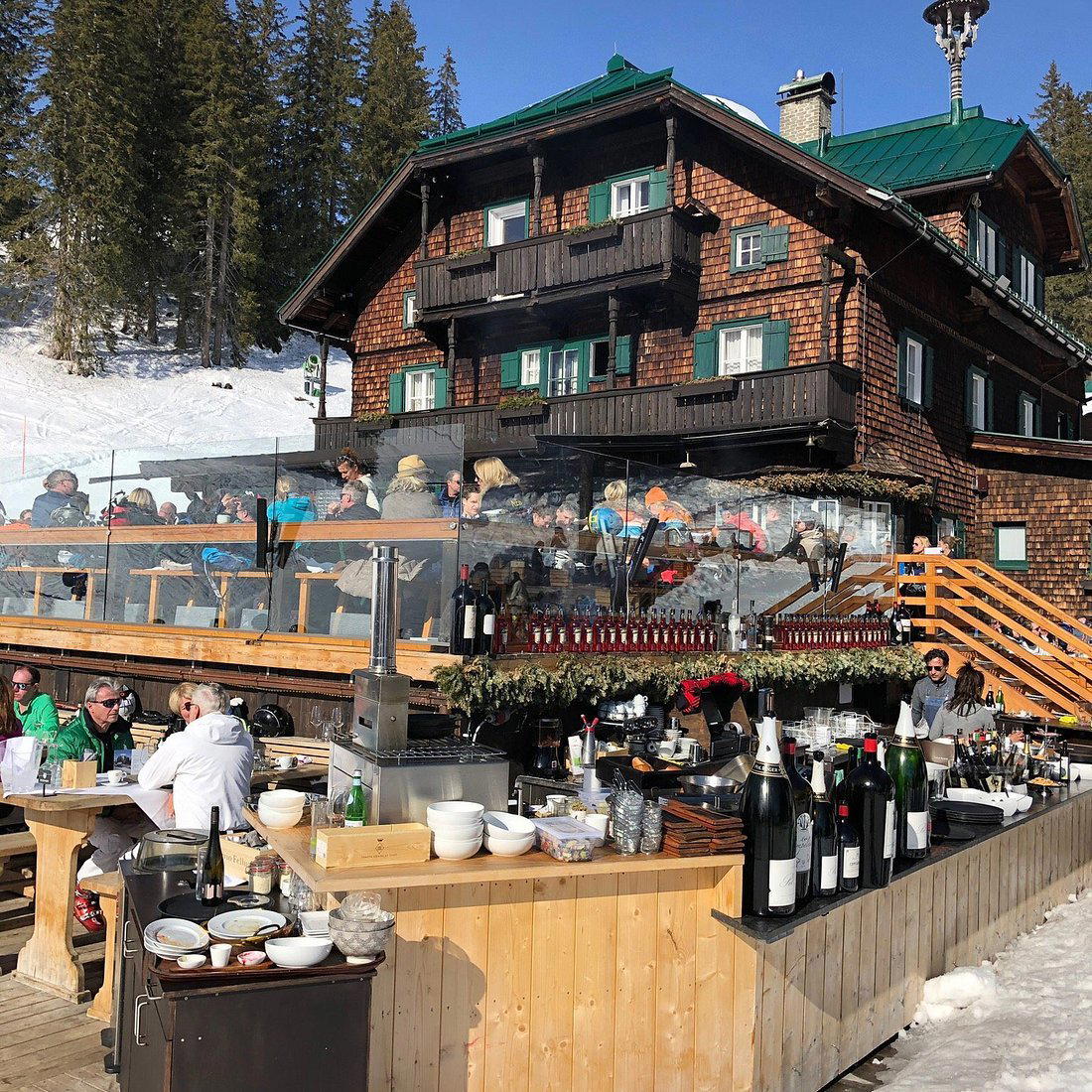
Mountain Guesthouses and the Austrian Alpine Tradition
Austria's alpine guesthouse tradition, the Berggasthof, occupies a distinct culinary and cultural category that sits apart from both the grand hotel dining rooms of Kitzbühel's valley floor and the high-concept restaurants that have emerged in Tyrolean ski towns over the past decade. These mountain houses were never conceived as destination restaurants in the modern sense. They evolved from necessity: shelters for herders, hunters, and later tourists, gradually developing kitchens capable of feeding guests who had spent hours on skis or boots. What distinguishes strong examples among them today is how faithfully they carry that logic forward, feeding people who have earned their meal through physical effort and cold air, in a setting that the food alone could never manufacture.
Berggasthof Sonnbühel is a restaurant in Kitzbühel serving Alpine Austrian-Italian cuisine. The town's reputation for alpine luxury runs deep, and the mountain terrain above it, particularly the Hahnenkamm ridge, has shaped how locals and visitors alike relate to food and hospitality at altitude. Berggasthof Sonnbühel, at Hahnenkamm 11, occupies that ridge directly, placing it in among the more recognisable alpine addresses in the German-speaking world.
The Hahnenkamm Setting: What the Address Means
The Hahnenkamm is known internationally as the venue for the Hahnenkamm races, the annual FIS Alpine Ski World Cup event that draws a specific crowd to Kitzbühel each January. The Streif downhill course, which drops over the Hahnenkamm, has a long record as among the more technically demanding race descents in the sport. A guesthouse positioned on this mountain, therefore, does not simply occupy scenic terrain, it sits within a landscape that carries significant competitive and cultural weight in the alpine world.
For guests arriving outside race week, the mountain reads differently: quieter, more expansive, with views across the Kitzbühel Alps that reward the ascent whether on foot in summer or by cable car in winter. The Austrian alps around Kitzbühel are notably gentler in visual character than the sharper rock faces further west in the Arlberg or south toward the Dolomites, with rounded summits and long grassy ridgelines that define the Kitzbüheler Alpen's particular aesthetic. A mountain guesthouse in this landscape operates in that character, approachable terrain, unhurried pace, a certain warmth that the harder mountain country doesn't always offer.
Kitzbühel's dining scene below the mountain has grown considerably more sophisticated over recent years. Venues like 1st Lobster and DAS Kaps represent a more polished, international register, while places like Das Steghaus am Schwarzsee and Alpenhotel Kitzbühel am Schwarzsee occupy a mid-mountain and lakeside register. Berghaus Tirol offers another point of reference for the guesthouse format in this specific alpine context. What Berggasthof Sonnbühel adds to that picture is an address on the Hahnenkamm itself, a position that few other dining venues in the area can claim.
Tiroler Gastlichkeit and the Culture of the Berggasthof
The concept of Gastlichkeit, a German-language term describing hospitality rooted in generosity and warmth rather than service formality, runs through Tyrolean food culture in ways that distinguish it from the more ceremony-driven traditions of Viennese dining. Austria's restaurant tradition has produced serious fine-dining institutions: Steirereck im Stadtpark in Vienna and Landhaus Bacher in Mautern an der Donau operate at the formal end of that spectrum, while Obauer in Werfen and Döllerer in Golling an der Salzach demonstrate how alpine ingredients can be treated with serious technical ambition. The Berggasthof tradition sits at the other pole, it is less about culinary ambition and more about the reliable delivery of comfort, warmth, and regional identity at altitude.
Tyrolean kitchen staples, Tiroler Gröstl (a hash of potato, beef, and onion), Käsespätzle (egg noodles with melted cheese and fried onion), Knödel in their various forms, cured meats from the region's long preservation tradition, represent the kind of food that mountain guesthouses have historically anchored their menus around. These are not dishes designed to impress in the manner of a tasting menu; they are designed to restore, to warm, and to root the diner in a specific place. In the alps, that specificity matters. Elsewhere in the Tyrolean region, places like Stüva in Ischgl, Gourmetrestaurant Tannenhof in Sankt Anton am Arlberg, and Schwarzer Adler in Hall in Tirol show how the region's culinary identity can scale toward formal fine dining. The Berggasthof sits further down that spectrum and is no less valid for it.
Further afield, the contrast with international benchmark dining, venues like Le Bernardin in New York City or Lazy Bear in San Francisco, underlines how different the evaluative framework is for mountain guesthouses. Awards, tasting menus, and wine programs are not the currency here. The currency is elevation, atmosphere, regional authenticity, and the quality of the view alongside the food.
Visiting Berggasthof Sonnbühel: Practical Orientation
The restaurant sits at Hahnenkamm 11, above Kitzbühel's valley floor. Access in winter is primarily via the Hahnenkamm cable car system that connects the town to the ridge. In summer, the mountain is accessible on foot through several well-marked hiking routes, with the ascent adding physical context to the eventual meal. The Hahnenkamm cable car operates on a seasonal schedule tied to the ski season and summer hiking season, so visitors planning a trip specifically around the guesthouse should check current cable car availability before arrival. Other regional dining destinations worth considering in the wider Austrian alpine context include Restaurant 141 by Joachim Jaud in Mieming, Kräuterreich by Vitus Winkler in Sankt Veit im Pongau, and Ois in Neufelden for a sense of how alpine and regional Austrian dining operates across different town and terrain contexts.
Booking and Cost Snapshot
Comparable venues nearby, for context on price, style, and recognition.
| Venue | Cuisine | Price | Awards | Notes |
|---|---|---|---|---|
| Berggasthof SonnbühelThis venue — the venue you are viewing | Hahnenkamm, Alpine Austrian-Italian | $$$ | Not listed | Not listed |
| DAS Kaps | Ried Kaps, Austrian Grill & Steakhouse | $$$ | Not listed | Not listed |
| Seebichl | Schwarzsee, Modern Tyrolean Regional | $$$ | Not listed | Not listed |
| Simple food & drinks | Im Gries, Gourmet Burgers & Café | $$ | Not listed | Not listed |
| Tennerhof Restaurant | Kitzbühel, Modern Tyrolean Fine Dining | $$$$ | Not listed | Not listed |
| Zuma | Not listed | $$$$ | Michelin Plate | Kitzbühel, Contemporary Japanese Robata Grill |
Continue exploring
More in Kitzbühel
Restaurants in Kitzbühel
Browse all →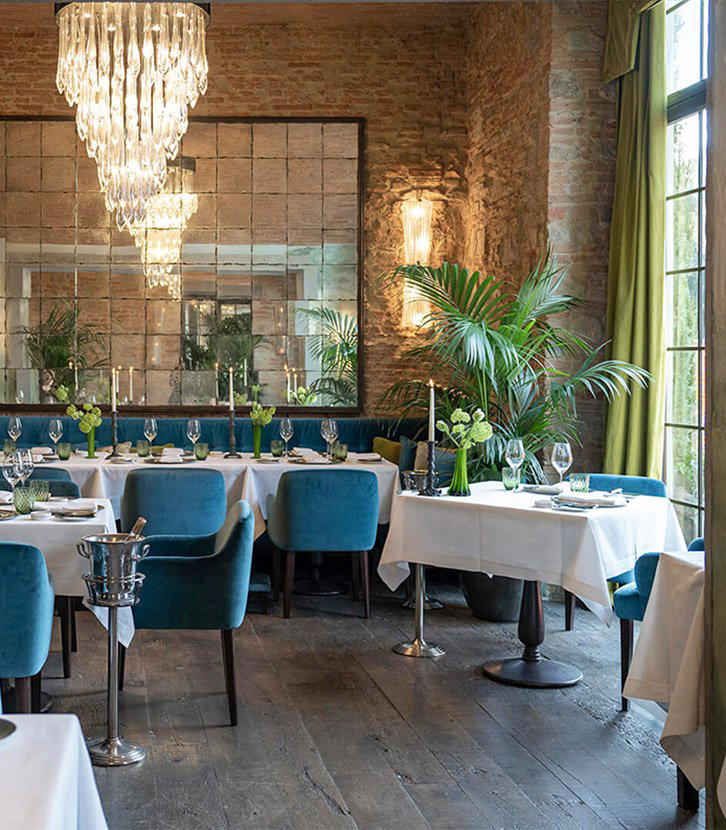
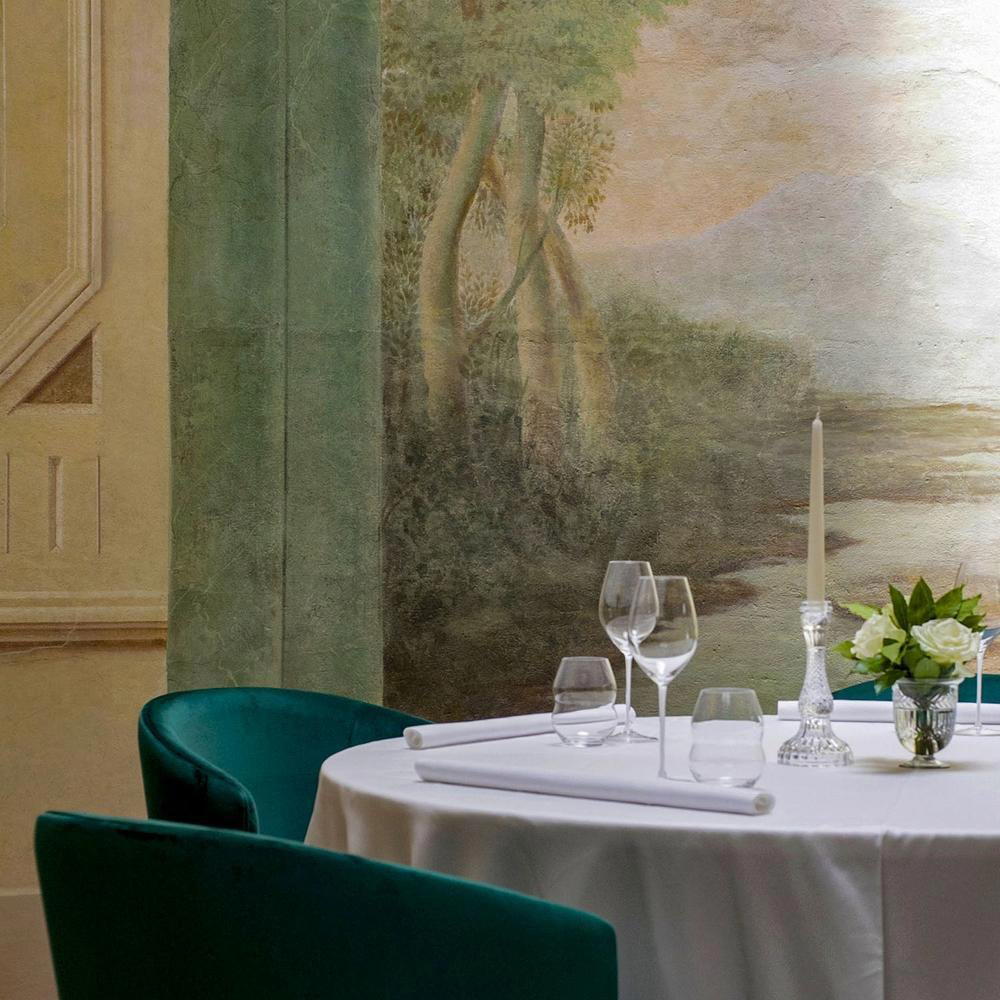
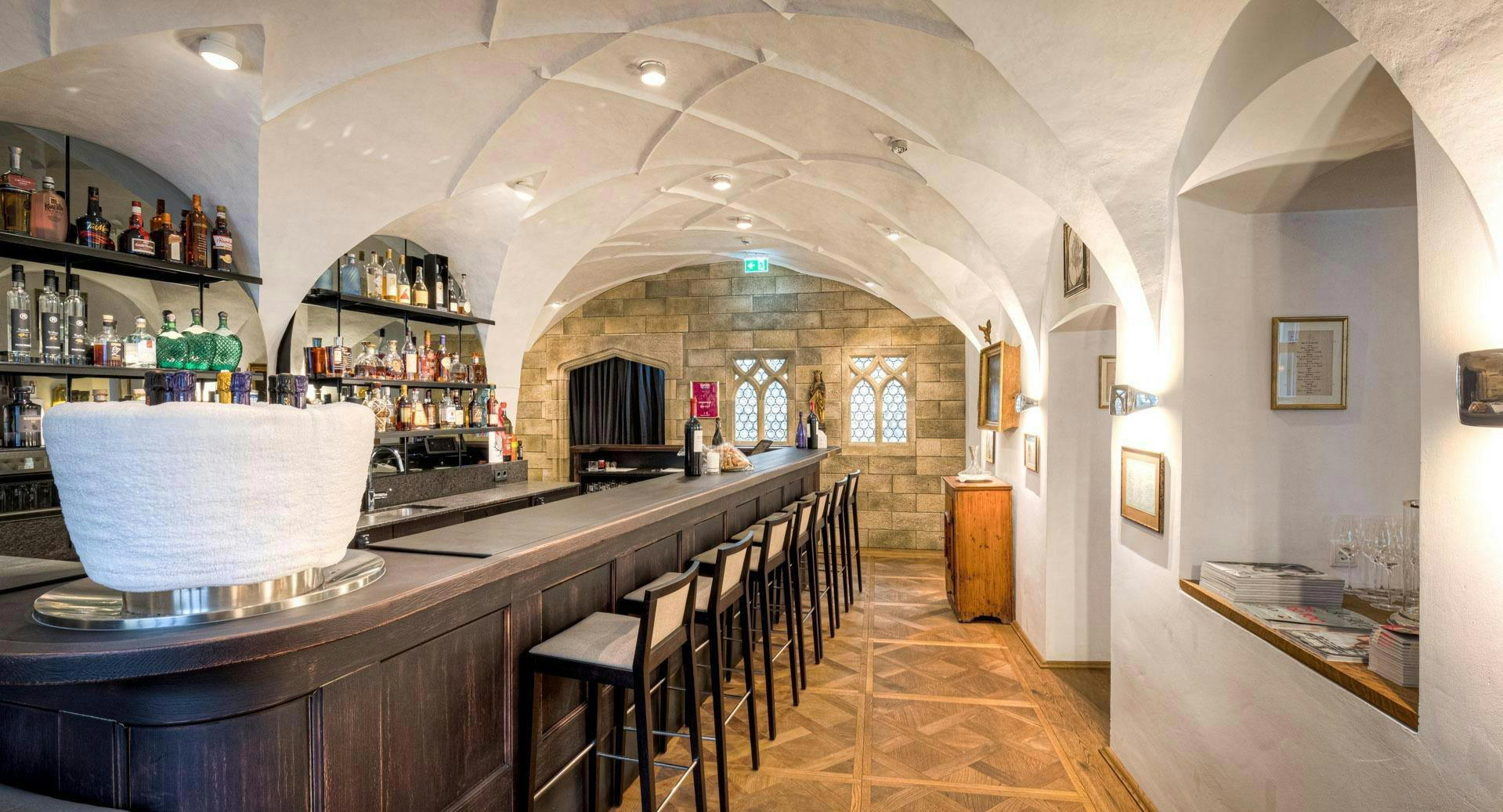
Bars in Kitzbühel
Browse all →



Hotels in Kitzbühel
Browse all →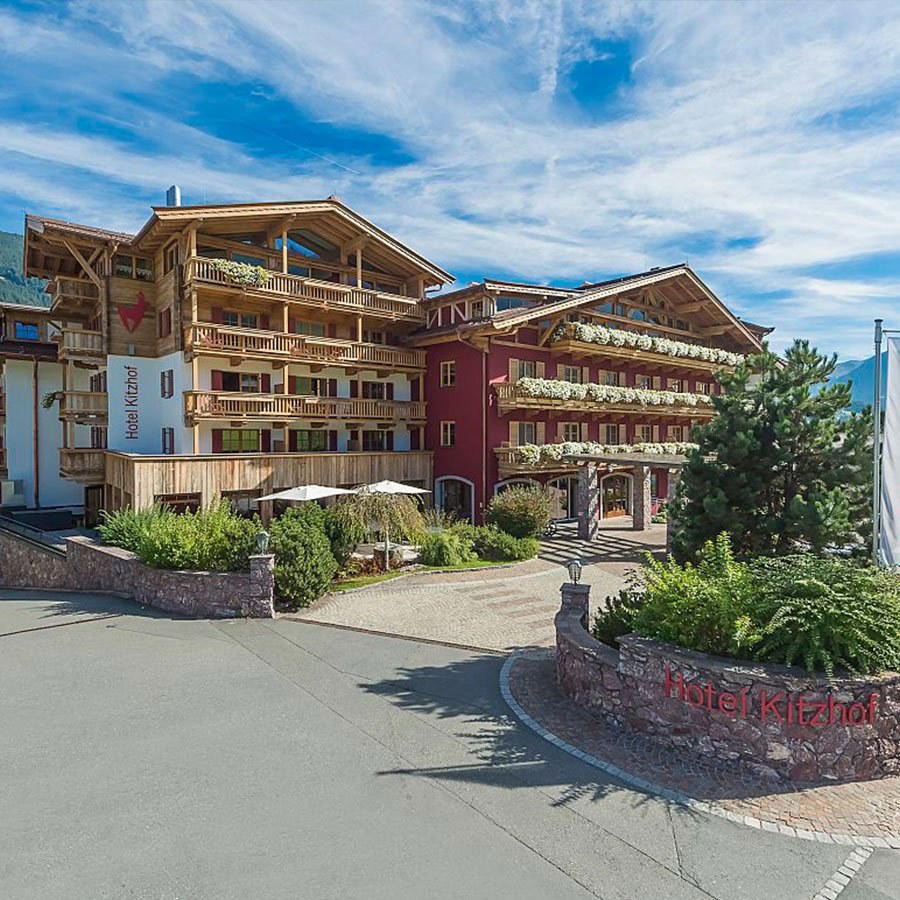
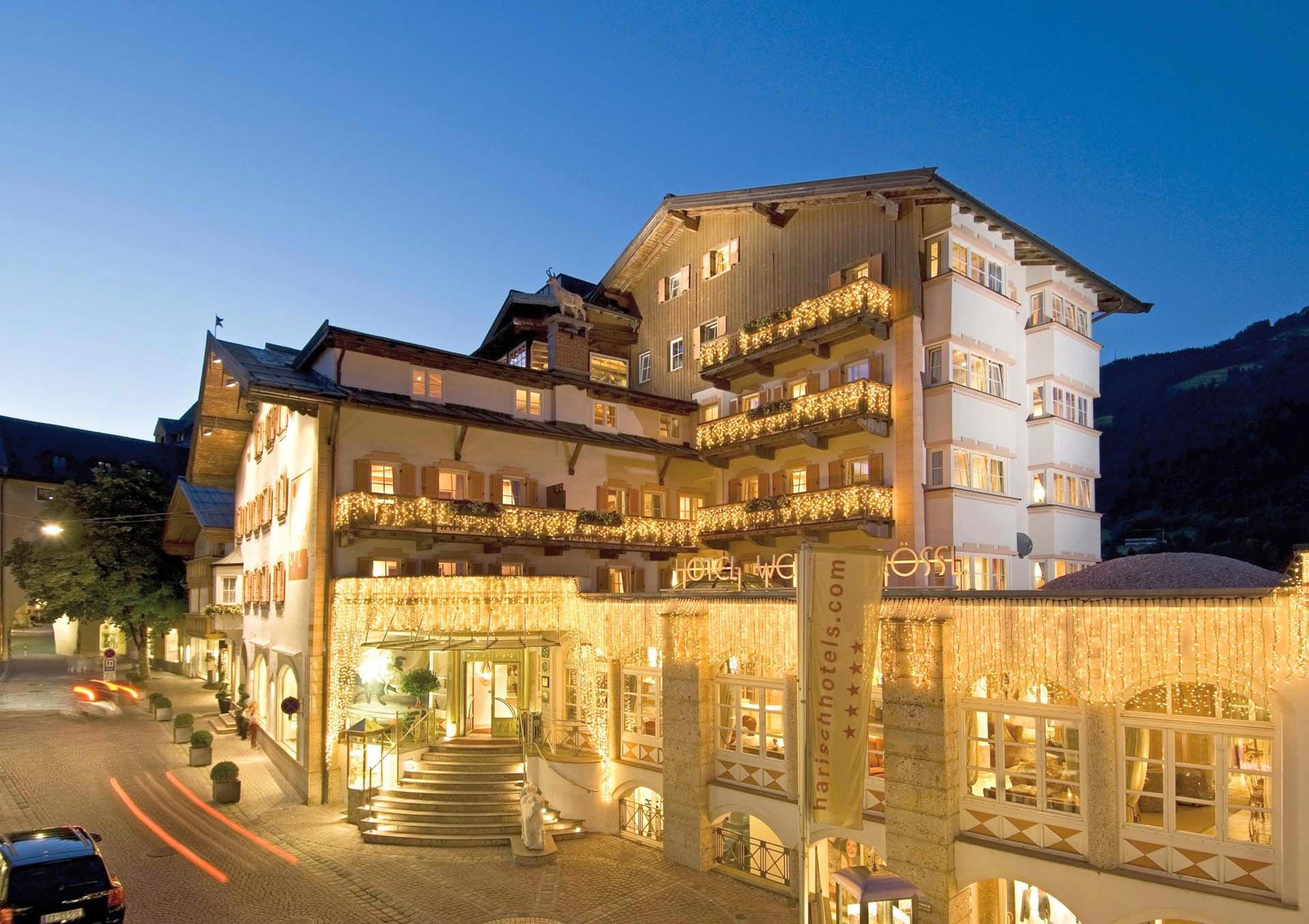
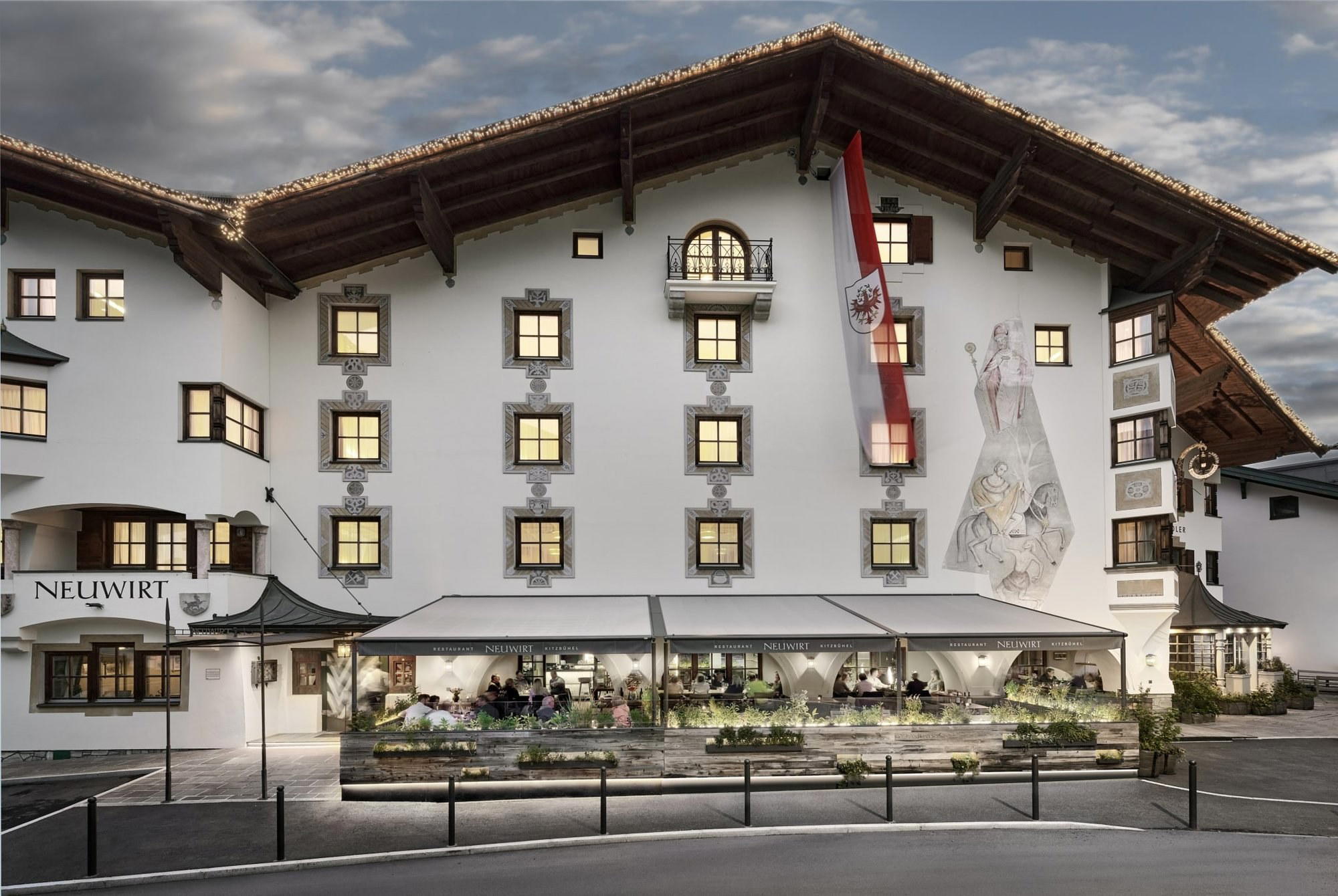
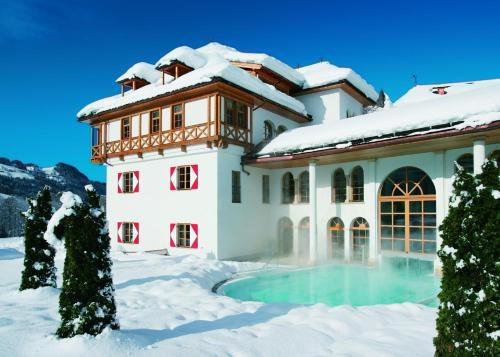
Wineries in Kitzbühel
Browse all →
At a Glance
- Cozy
- Rustic
- Scenic
- Special Occasion
- Group Dining
- Terrace
- Panoramic View
- Historic Building
- Extensive Wine List
- Local Sourcing
- Mountain
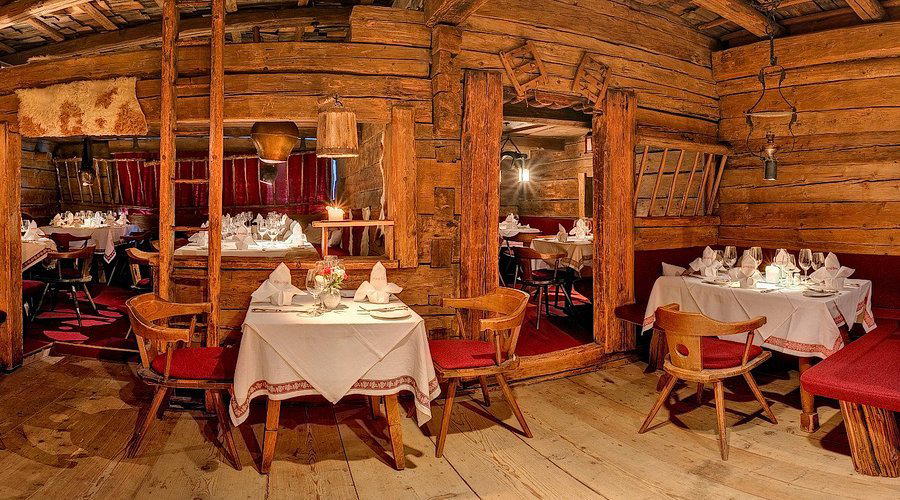
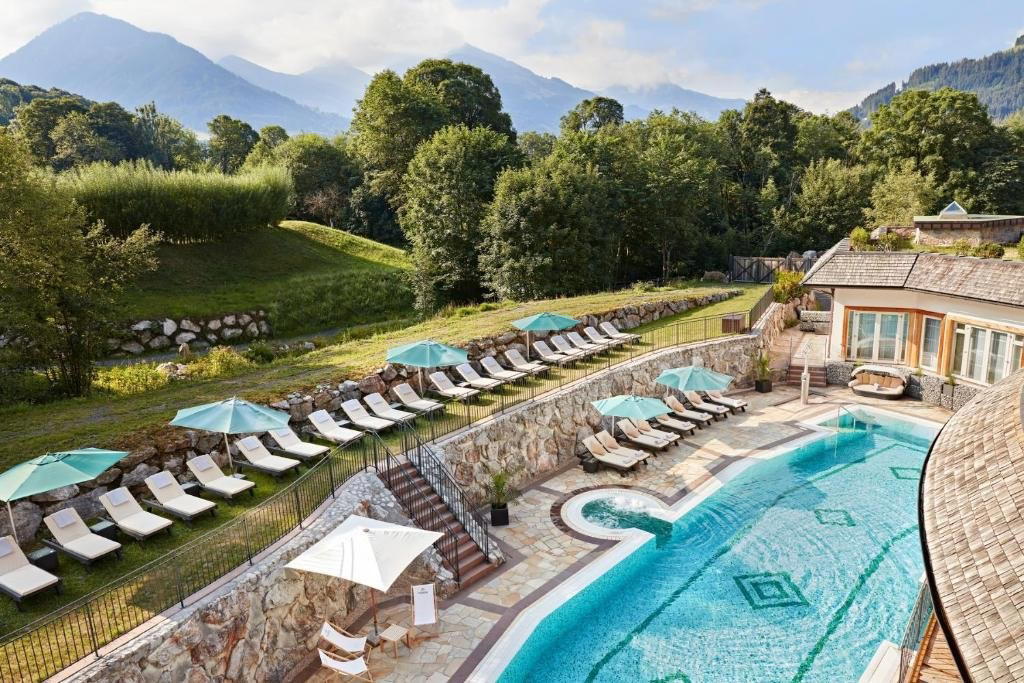
Cozy rustic alpine atmosphere with exclusive elegant touches, abundant sunlight, and panoramic mountain vistas from indoor and terrace seating.