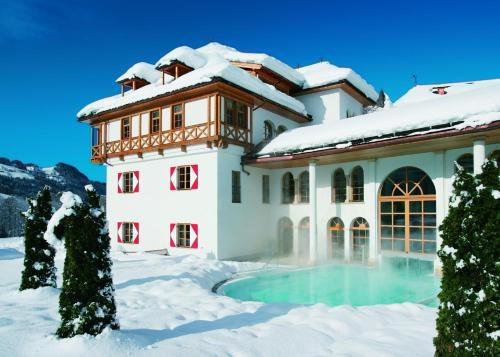
Set beside the Schwarzsee lake on the quieter western edge of Kitzbühel, Alpenhotel Kitzbühel am Schwarzsee occupies a position that separates it from the town's more central, ski-focused hotel cluster. The property sits within walking distance of the lake and the surrounding Tyrolean alpine terrain, placing guests inside a landscape that directly informs the regional food and hospitality tradition of this part of Austria.
Pearl is the En Primeur Club membership app — saves, bookings, and concierge access live there. Same editors, same standards.
- Address
- Seebichlweg 37a, 6370 Kitzbühel, Austria
- Phone
- +43535664254
- Website
- alpenhotel-kitzbuehel.at
- Directions
- Get directions
 Saves & bookings on Pearl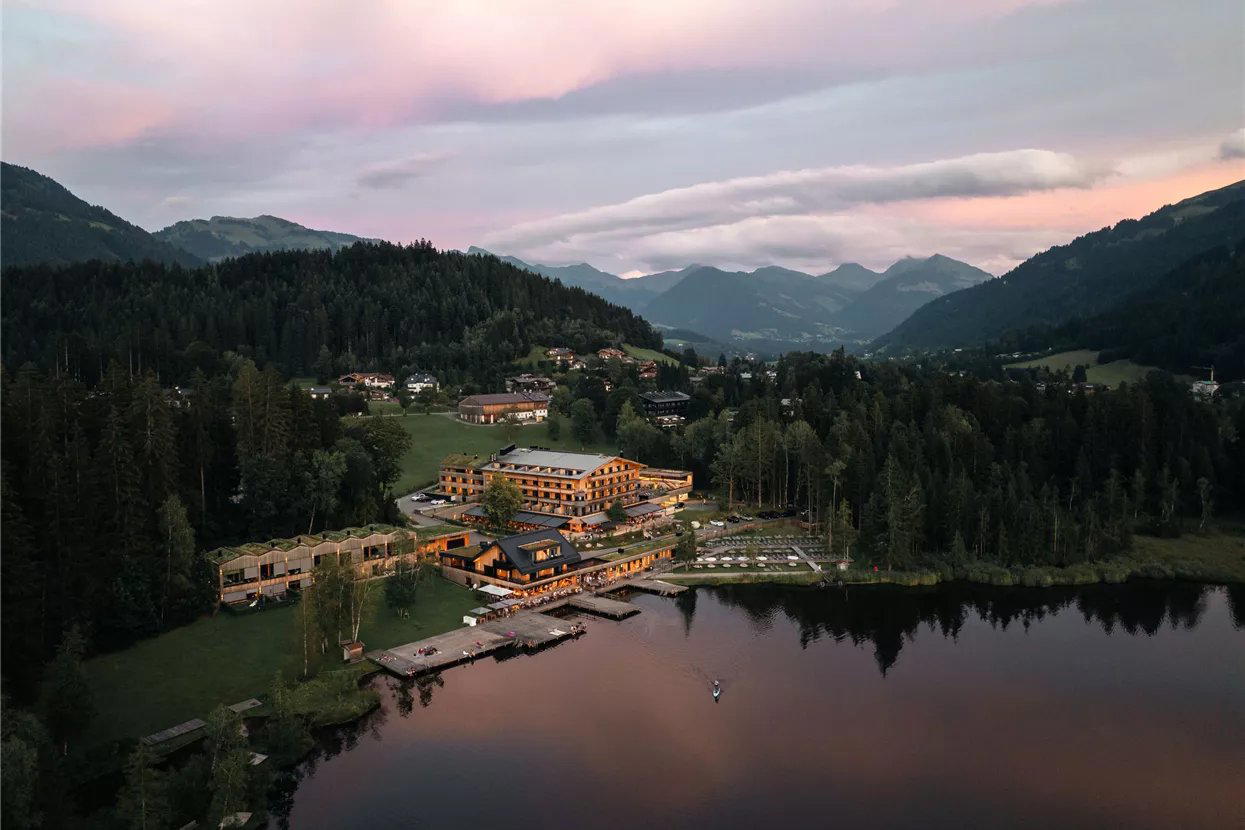
The Schwarzsee Setting and What It Signals
Kitzbühel divides, broadly, into two hospitality registers. The first is the town centre and the slopes: high-traffic, high-season, oriented around the Hahnenkamm and the retail corridor that feeds it. The second is the Schwarzsee lake district, a few minutes west of the main drag, where the pace is slower, the clientele more settled, and the connection to the actual alpine environment more present. Alpenhotel Kitzbühel am Schwarzsee, addressed at Seebichlweg 37a, sits in this second register. Arriving on foot from the lake path, the hotel reads as part of a neighbourhood rather than a destination dropped into it.
In the Tyrolean Alps, the sourcing radius for a kitchen has historically been shaped by altitude and season. What grows or grazes at 800 metres in summer does not grow in winter, and what comes down from the high pastures in autumn differs sharply from what the valley floor produces in spring. Kitzbühel's position in the Kitzbühel Alps, within the broader Tyrol region, places it inside one of Austria's most coherent alpine food traditions, one where dairy from mountain pastures, game from the surrounding forests, and freshwater fish from lakes including the Schwarzsee itself have defined the kitchen calendar for generations. The hotel's location adjacent to that lake is not incidental to this context.
Alpine Ingredient Traditions and the Schwarzsee Proximity
The Schwarzsee is one of the warmest natural bathing lakes in the Tyrolean Alps, which gives it a particular ecological character and makes the surrounding terrain distinct from the higher, rockier slopes above the town. For a kitchen operating in this microclimate, proximity to the lake and its environs represents access to a specific set of ingredients that the high-altitude mountain huts, places like Berggasthof Sonnbühel or Berghaus Tirol, simply do not share. The lower elevation means a longer growing season, access to lakeside herbs, and proximity to the agricultural valley floor that runs toward St. Johann in Tirol.
Austrian alpine cooking at its most regionally specific draws from a sourcing logic that urban restaurants rarely replicate. Properties like Steirereck im Stadtpark in Vienna or Landhaus Bacher in Mautern an der Donau have built reputations partly by codifying and refining regional sourcing at a high technical level. In mountain resort settings, the same logic operates differently: the ingredient story is embedded in the location itself, and the distance between source and kitchen is often measured in minutes rather than supply chain logistics. Restaurants like Obauer in Werfen and Döllerer in Golling an der Salzach have demonstrated how Salzburg-region alpine kitchens can turn geographic specificity into a sustained critical identity. The Tyrolean equivalent operates on the same principle.
The Kitzbühel Hotel Market and Where This Property Sits
Kitzbühel's hotel market is stratified sharply. At the leading end, a cluster of five-star addresses competes on ski-in access, spa scale, and the kind of branded luxury that prices against St. Moritz or Zermatt rather than the surrounding valley. Below that, a range of four-star and garni properties serve the broader visitor base, from racing-season guests to summer hikers. Alpenhotel Kitzbühel am Schwarzsee occupies the Schwarzsee microdistrict, which functions as a quieter annex to the main town, more suited to guests who prioritise the natural environment over immediate proximity to the Hahnenkamm gondola.
The lake-adjacent position gives the property a seasonal logic that differs from the ski-slope hotels. Summer visitors come for swimming, cycling, and the walking trails that connect the lake to the surrounding hills. Winter guests trade gondola convenience for a more contained, quieter base. Dining in this part of Kitzbühel reflects a similar split: the town centre carries options like 1st Lobster and DAS Kaps pitched at the high-season, high-spend visitor, while the Schwarzsee area supports a more locally embedded dining character, exemplified by places like Das Steghaus am Schwarzsee, which sits directly on the lake.
Tyrolean Hospitality in the Broader Austrian Alpine Context
Tyrol's hospitality tradition differs from the Salzburg or Vorarlberg models in ways that are not always obvious from outside Austria. The Tyrolean approach tends toward a particular combination of directness and warmth, with food programmes that lean on dairy, cured meats, and game rather than the river-fish emphasis you find in Salzburg kitchens. Restaurants like Stüva in Ischgl and Gourmetrestaurant Tannenhof in Sankt Anton am Arlberg represent the Tyrolean alpine dining tradition at its more formally ambitious end, while properties in the Kitzbühel area tend to anchor their identity in the specific character of the Kitzbühel Alps rather than the higher Ötztal or Arlberg terrain.
For context on how Austrian alpine kitchens have developed a national critical identity, the range runs from formally recognised properties like Schwarzer Adler in Hall in Tirol and Kräuterreich by Vitus Winkler in Sankt Veit im Pongau to ingredient-focused projects like Ois in Neufelden and Restaurant 141 by Joachim Jaud in Mieming. International reference points for what technically rigorous, ingredient-led hospitality looks like at the summit of its form include Le Bernardin in New York City and Lazy Bear in San Francisco, both of which have built identities around sourcing transparency and format discipline rather than décor or brand recognition.
Planning a Visit
The hotel sits at Seebichlweg 37a, placing it within walking distance of the Schwarzsee lake. Visitors planning around the Hahnenkamm downhill race weekend in January should book well in advance.
Quick Comparison
Comparable venues nearby, for context on price, style, and recognition.
| Venue | Cuisine | Price | Notes |
|---|---|---|---|
| Alpenhotel Kitzbühel am SchwarzseeThis venue — the venue you are viewing | Austrian & Mediterranean Fine Dining | $$$ | Not listed |
| DAS Kaps | Austrian Grill & Steakhouse | $$$ | Ried Kaps |
| Das Steghaus am Schwarzsee | Modern Austrian with Mediterranean Influences | $$$ | Schwarzsee |
| Seebichl | Modern Tyrolean Regional | $$$ | Schwarzsee |
| Seidlalm | Traditional Tyrolean Austrian | $$ | Ried |
| Simple food & drinks | Gourmet Burgers & Café | $$ | Im Gries |
Continue exploring
More in Kitzbühel
Restaurants in Kitzbühel
Browse all →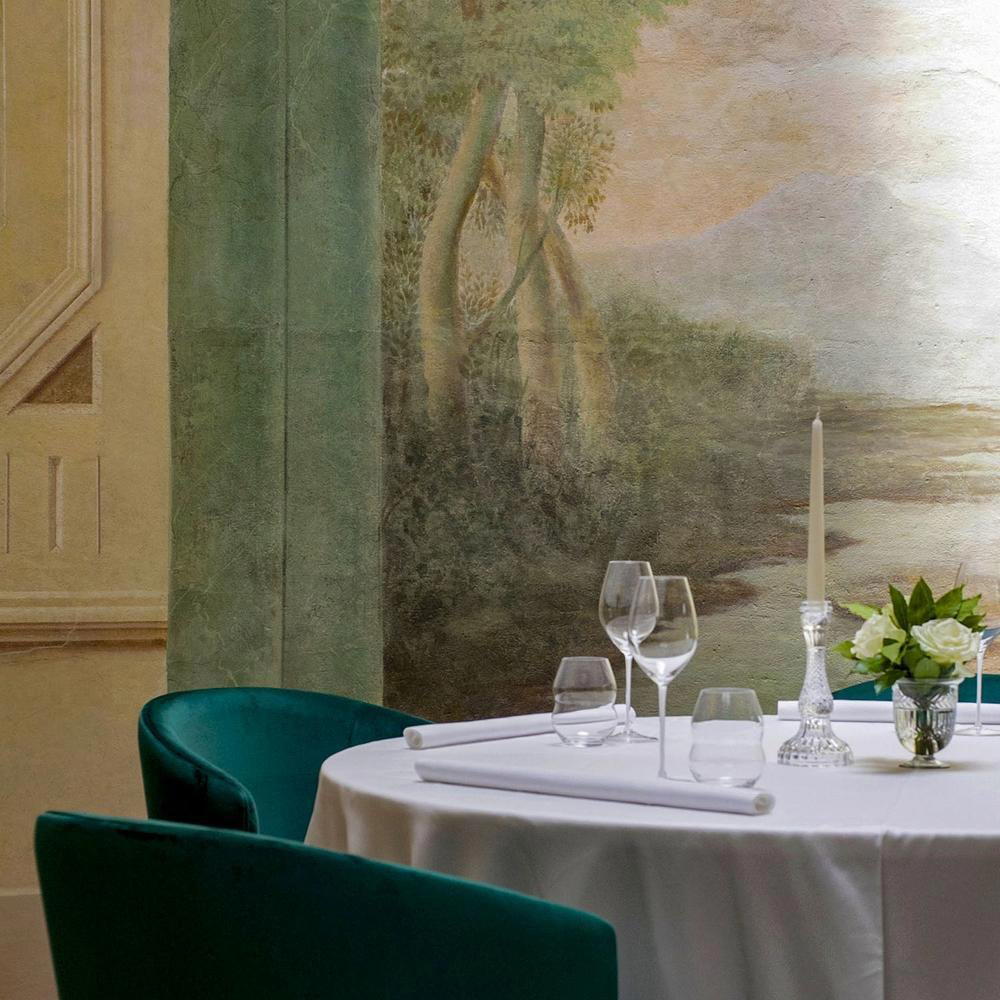
Bars in Kitzbühel
Browse all →



Hotels in Kitzbühel
Browse all →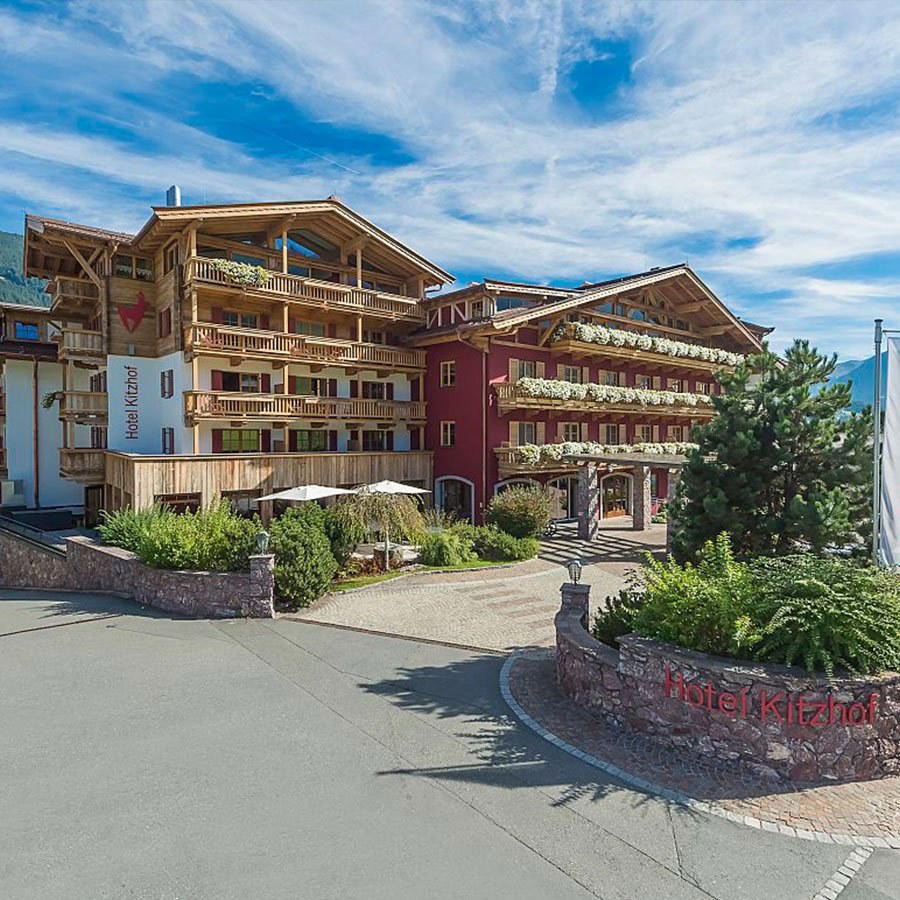
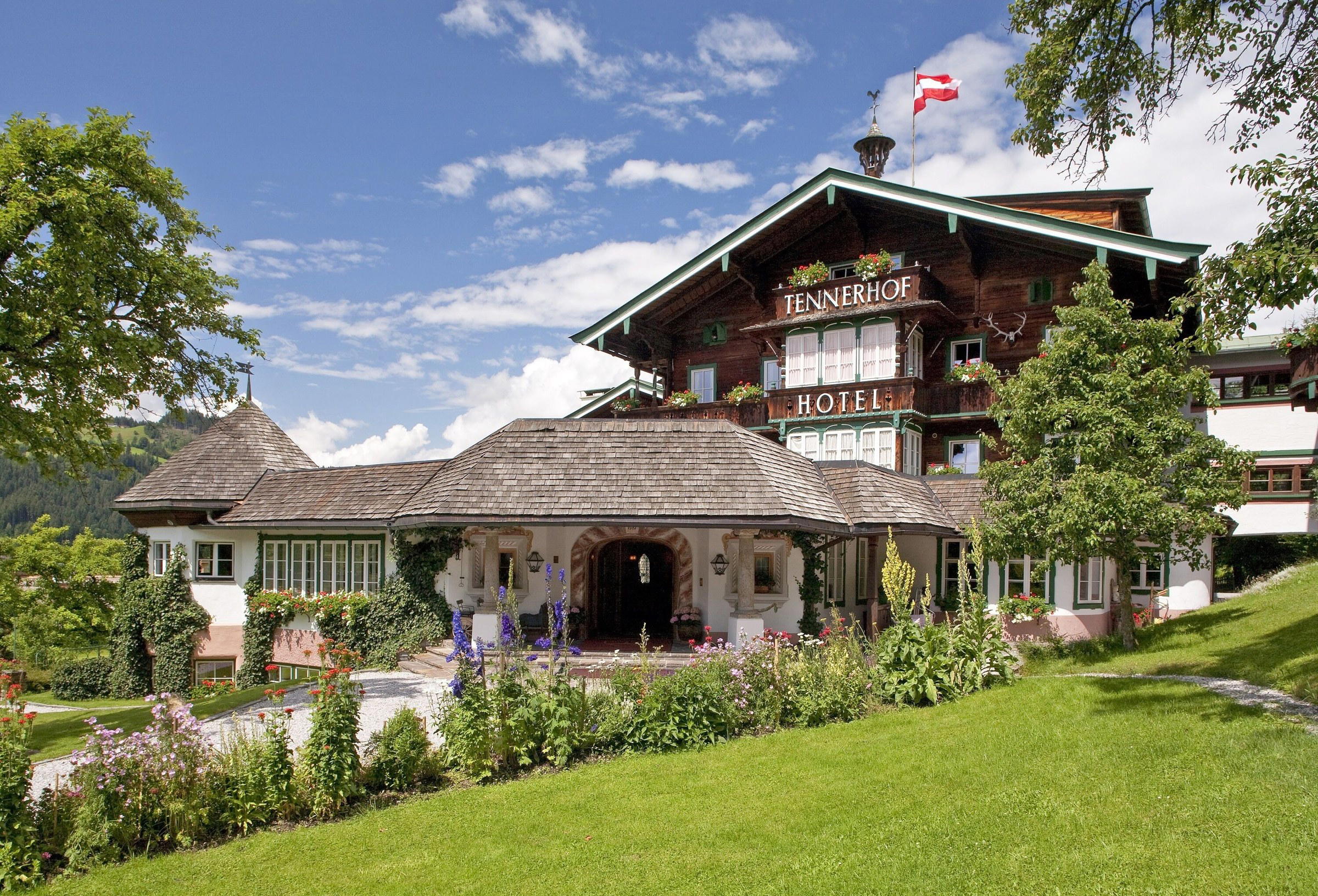
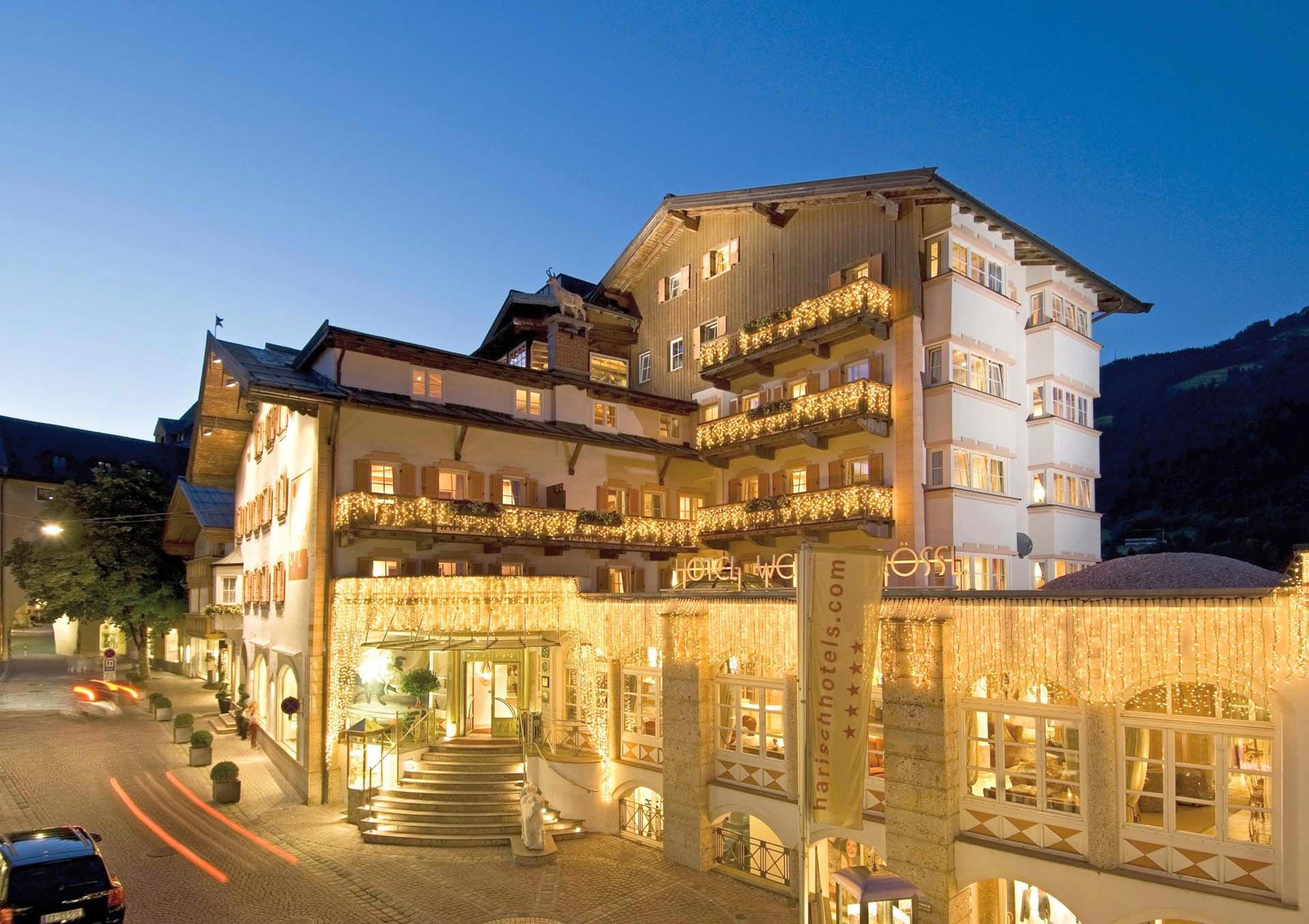
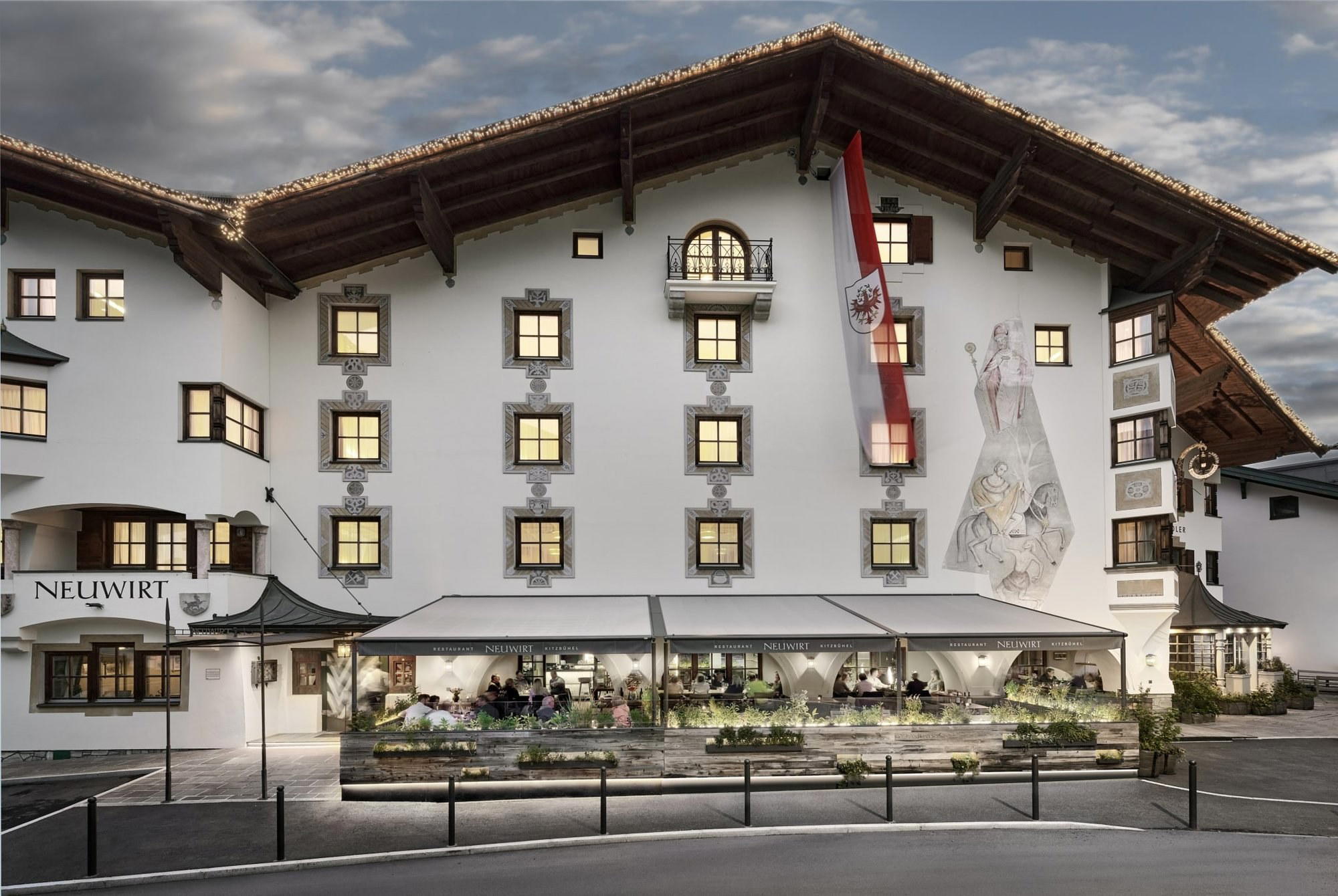
Wineries in Kitzbühel
Browse all →
At a Glance
- Scenic
- Elegant
- Romantic
- Sophisticated
- Date Night
- Family
- Celebration
- Special Occasion
- Waterfront
- Terrace
- Panoramic View
- Hotel Restaurant
- Garden
- Extensive Wine List
- Sommelier Led
- Local Sourcing
- Waterfront
- Mountain
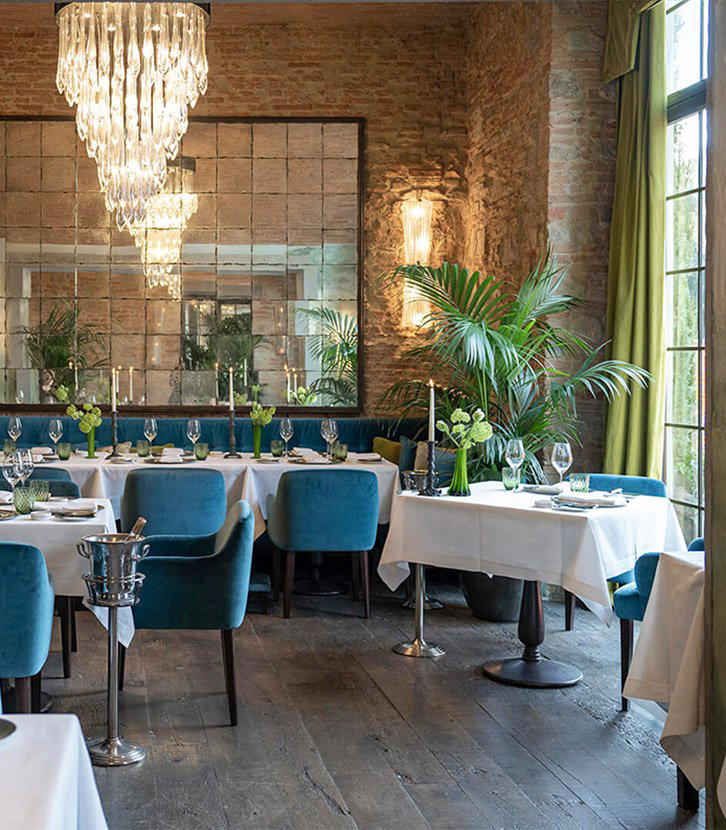
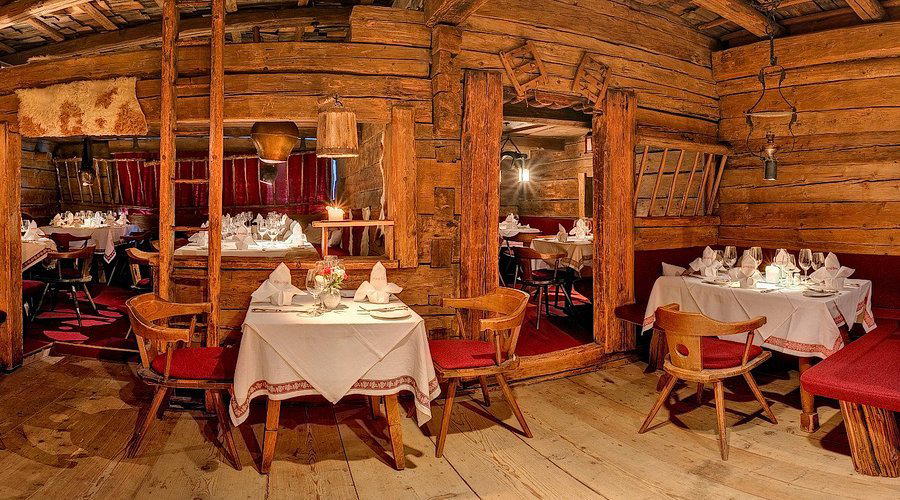
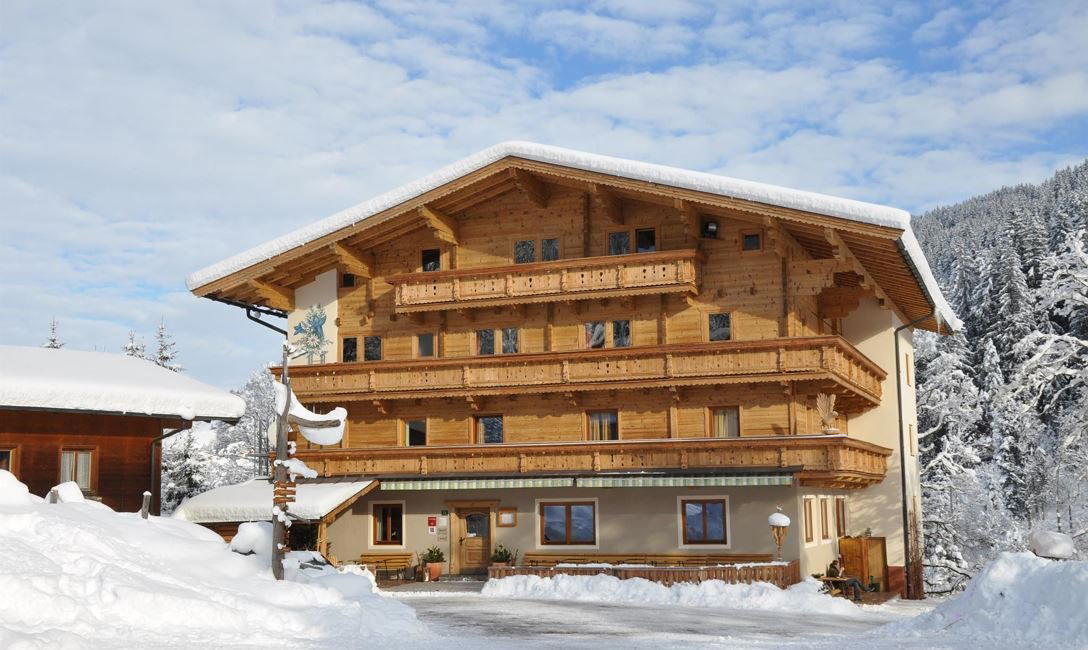
Stylish and warm with natural materials, featuring large sun terraces overlooking the lake and mountains. Elegant yet relaxed atmosphere with both indoor and outdoor dining spaces.